

Durban Poison Auto
Autoflowering seeds
by Azarius
Durban Poison Auto Cannabis Seeds
Durban Poison Auto is a sativa-dominant autoflowering cannabis strain that delivers an energising, clear-headed experience with earthy pine flavours and a seed-to-harvest time of just 8–10 weeks. Bred from the legendary South African landrace crossed with ruderalis genetics, this strain packs 21–25% THC into a compact, fast-finishing plant that practically grows itself. If you want a daytime smoke that keeps you sharp and productive, this is the seed to buy.
How Many Seeds Do You Need?
These autoflowering sativa seeds come in packs of 1, 3, 5, and 10. Running a single plant first is smart if you want to get a feel for the strain before committing a full tent. For a proper indoor run filling a 1m² space, 3–4 plants is the sweet spot. The 10-pack gives you room for pheno hunting or staggered planting — start a new seed every two weeks and you'll have a near-continuous harvest cycle.
Why This Sativa Auto Deserves Your Grow Space
This autoflowering sativa produces 21–25% THC while finishing in as little as 8 weeks from seed — faster than most photoperiod strains of comparable potency. Most autoflowers sacrifice strength for speed, but this cultivar doesn't make that trade. The sativa-dominant genetics deliver a focused, uplifting effect — the kind of smoke you reach for at 10am on a Saturday when you've got a project to finish, not the kind that glues you to the sofa.
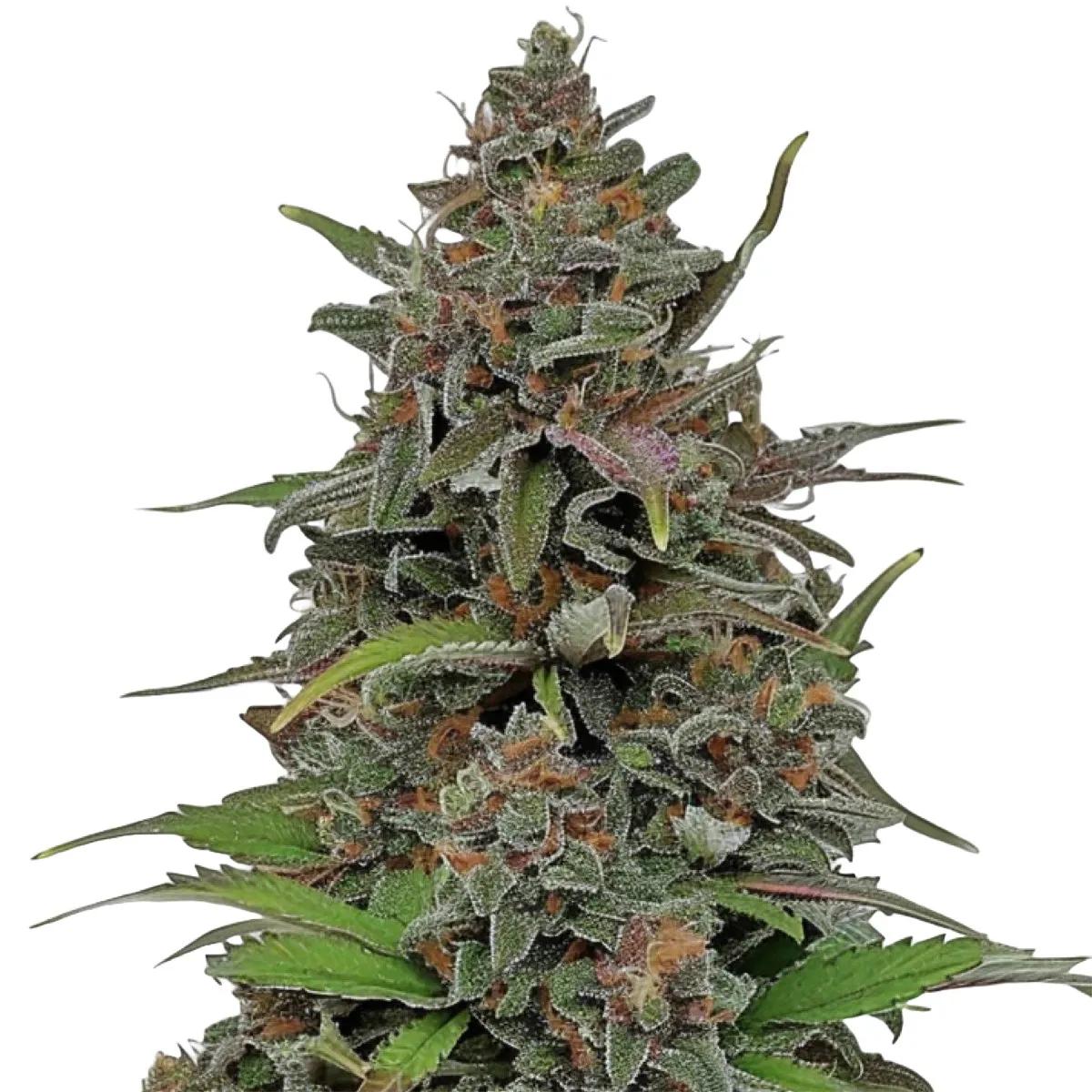
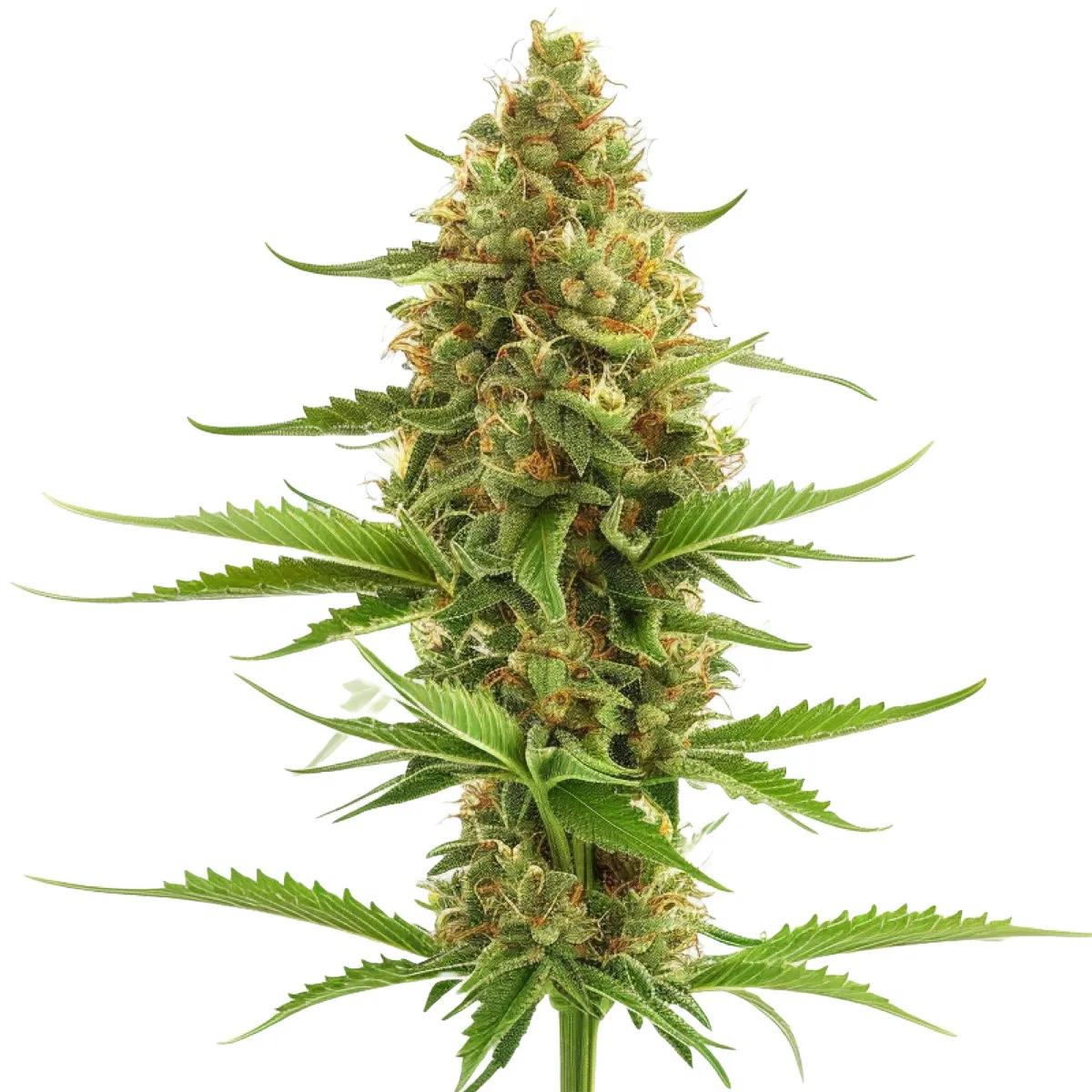
The flavour profile leans heavily into earthy, resinous pine with a slight sweetness on the exhale. It's not a fruity candy strain — it tastes like actual cannabis, which we mean as a compliment. The terpene mix (heavy on terpinolene and myrcene from what we've seen) gives it that classic South African sharpness. Grind a bud and the room smells like a pine forest after rain. Sticky fingers guaranteed.
The honest limitation? Yield. Indoor harvests of 250–300 g/m² are respectable but won't compete with indica-dominant autos that push 400g+. You're trading raw weight for speed and quality here. If you want a massive haul, look at something like Auto Ultimate. If you want fast, potent sativa flower with genuine character, this is the better pick.
Growing This Autoflower — What to Expect
Seed-to-harvest time is 8–10 weeks under standard 18/6 or 20/4 lighting, with no light schedule change required. This is one of the more forgiving sativa autos we carry. The ruderalis genetics keep the plant manageable in height — typically 70–120cm indoors — while still producing the elongated bud structure and airy node spacing you'd expect from a sativa. It won't stretch into the lights like a pure photoperiod version would, but give it vertical space if you can. These plants appreciate headroom.
- Germinate your seed using the paper towel method or directly in a small pot of lightly moistened soil. Taproots usually show within 24–72 hours.
- Transplant into your final container early — autos don't love being moved once established. A 10–15 litre fabric pot works well for indoor grows.
- Run an 18/6 or 20/4 light schedule from seedling to harvest. No need to flip to 12/12 — the ruderalis genetics handle the timing for you.
- Keep feeding light during the first 3 weeks, then gradually increase nutrients as the plant enters pre-flower around week 3–4.
- Watch for the stretch during early flowering — the plant can double in height over 10–14 days. Low-stress training (LST) in the first few weeks helps keep the canopy even.
- Harvest when trichomes show mostly milky white with a few amber heads — typically around week 8–10 from germination. Going earlier preserves that energising sativa effect; waiting longer adds body.
Outdoors, expect 70–120g per plant depending on sunlight and soil quality. Not a monster yielder in the garden, but the fast turnaround means you can run two cycles in a single European summer if you time it right. Plant the first batch in early May, harvest mid-July, and drop a second round immediately.
Specifications
The table below covers the key growing data for this sativa autoflower, including THC range, harvest window, and expected yields indoors and outdoors.
| Specification | Detail |
|---|---|
| Genetics | South African Landrace x Ruderalis |
| Strain Type | Mostly Sativa (autoflowering) |
| THC Content | 21–25% |
| Flowering Type | Autoflowering (no light schedule change needed) |
| Seed to Harvest | 8–10 weeks total |
| Indoor Yield | 250–300 g/m² |
| Outdoor Yield | 70–120 g per plant |
| Available Packs | 1, 3, 5, or 10 seeds |
Comparison with Other Sativa Autos
This autoflower finishes 2–4 weeks faster than comparable sativa autos like Amnesia Haze Auto and Sour Diesel Auto, though it yields less per square metre. Choosing between sativa autoflowers comes down to what you value most — speed, potency, or yield. Here's how it stacks up against two other popular options in our seedshop.
| Strain | THC | Harvest Time | Indoor Yield | Best For |
|---|---|---|---|---|
| This Sativa Auto | 21–25% | 8–10 weeks | 250–300 g/m² | Fast sativa with real potency |
| Amnesia Haze Auto | 18–22% | 10–12 weeks | 350–450 g/m² | Higher yield, longer wait |
| Sour Diesel Auto | 20–24% | 10–11 weeks | 300–400 g/m² | Fuel-forward flavour, bigger plants |
This cultivar wins on turnaround time. If you want the fastest route to quality sativa flower, it's hard to beat 8 weeks from seed. The Amnesia and Sour Diesel both yield more, but they also take 2–4 weeks longer and tend to stretch taller. In a small tent, this compact auto is the practical choice. Order a 3-pack alongside a BioBizz nutrient kit and you've got a complete first grow sorted.
Complete your grow setup with an all-in-one grow kit — tent, lighting, and ventilation sorted in one box. Already have the hardware? A pack of BioBizz nutrients pairs well with this strain's fast metabolism, especially during the heavy-feeding flowering weeks. Pair with a carbon filter to manage the strong pine aroma during late flower.
From Our Counter: What We've Seen
We've been selling cannabis seeds since 1999, and this South African lineage in all its forms has been a consistent favourite. The auto version appeals to a specific grower — someone who wants sativa effects without the 14-week photoperiod commitment. We get a lot of customers who grow indicas for yield and keep one or two of these autos in the corner for personal stash. Smart approach.
The one thing we always mention: don't overfeed this plant. Sativa-dominant autos tend to be more sensitive to nutrient burn than their indica cousins. Start at half the recommended dose on your nutrient schedule and work up. Yellowing leaf tips in week 5 is the most common complaint we hear, and it's almost always overfeeding. The plant tells you what it wants — pay attention to the leaves.
Flavour-wise, the pine and earth notes come through strongest when you cure properly. We'd recommend at least 2 weeks in jars, burping daily for the first 5 days. Rush the cure and you lose the terpene complexity that makes this strain special. The difference between a 1-week and 3-week cure on this cultivar is night and day.
Terpene Profile and Flavour Notes
The dominant terpenes are terpinolene and myrcene, which create the sharp, resinous pine aroma characteristic of South African cannabis genetics. On the inhale you get raw pine and damp earth; the exhale carries a subtle sweetness, almost like aniseed, that lingers on the palate. The profile leans into earthy, woody, and pine-forward territory throughout.
According to the EMCDDA's cannabis monograph, terpinolene-dominant profiles are commonly found in sativa-leaning cultivars and are associated with the uplifting, clear-headed qualities that customers report from this strain. It's a morning smoke, not a nightcap. The terpene combination also means the buds smell strong during flowering, so plan your carbon filtration accordingly. A Beckley Foundation review of cannabis terpene research further supports the role of terpinolene in modulating the overall experience of sativa-type cultivars.
Frequently Asked Questions
How long does this autoflower take from seed to harvest?
8–10 weeks total, seed to chop. Most plants are ready closer to the 9-week mark indoors under 18/6 lighting. Outdoor grows in cooler climates may push to 10 weeks.
What yield can I expect indoors?
250–300 g/m² under good lighting. That's solid for an auto this fast, though indica-dominant autos will out-yield it. Using LST to open up the canopy helps push towards the higher end of that range.
Is this strain good for beginners?
Yes — it's one of the more forgiving sativa autos available. The autoflowering genetics mean no light schedule changes, and the compact size suits small tents. Just go easy on nutrients; this strain prefers a lighter feed than most.
What terpenes are present?
Primarily terpinolene and myrcene, giving it that distinctive earthy pine aroma. You'll also find traces of ocimene, which adds a subtle sweet note. The terpene profile is what gives this cultivar its sharp, energising character.
How tall does this autoflower grow?
Moderate height — typically 70–120cm indoors. It can stretch during early flowering, so start LST early if ceiling height is tight. Outdoors in full sun, expect plants closer to 100–120cm.
Can I grow this strain outdoors in northern Europe?
Absolutely. The 8–10 week lifecycle means you can start in May and harvest by mid-July. Some growers run a second cycle immediately after. The ruderalis genetics make it resilient to cooler temperatures and shorter days.
How does the auto version compare to the photoperiod version?
The auto version finishes faster (8–10 weeks vs 8–9 weeks flowering plus veg time) and stays shorter. THC levels are comparable at 21–25%. The photoperiod version typically yields more and allows for longer veg periods, but the auto is far more convenient. You can buy either version at Azarius depending on your setup.
Last updated: April 2026
You might also like

Medical disclaimer. This content is for informational purposes only and does not constitute medical advice. Consult a qualified healthcare provider before use of any substance.