Autoflowering seeds
by Azarius
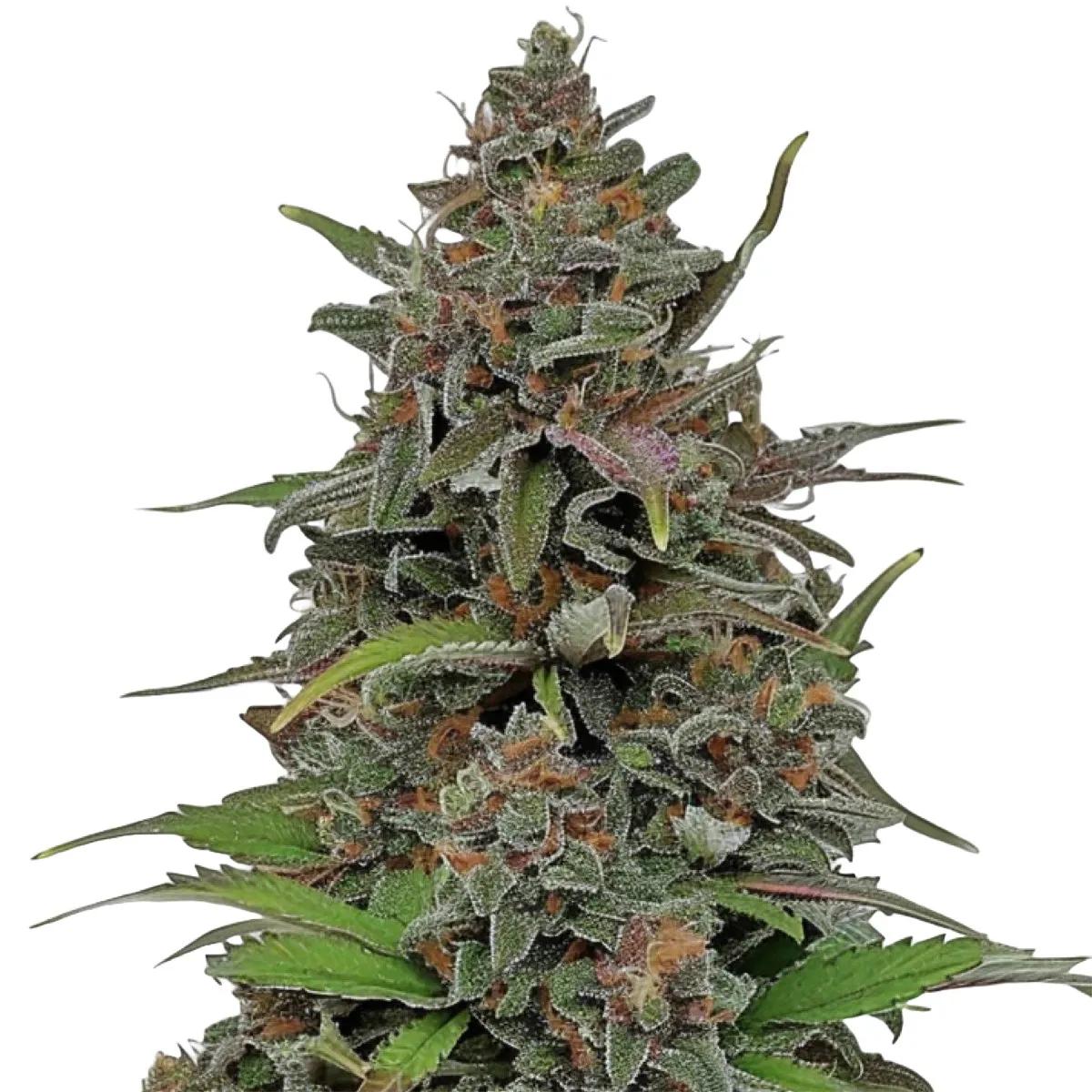
Purple Haze Auto is a sativa-dominant autoflowering cannabis seed that crosses classic Purple Haze with Auto Purple genetics, delivering a berry-forward flavour profile and an energetic, creative daytime high in just 8–10 weeks from seed. At 14–16% THC, it hits a sweet spot — enough potency to keep seasoned growers interested, mellow enough that newer growers won't feel overwhelmed by what they've produced. We've been stocking cannabis seeds since the early days of the Amsterdam smartshop scene, and Purple Haze Auto is one of those strains that keeps earning its shelf space year after year.
Purple Haze Auto seeds come in packs of 1, 3, 5, or 10. Your choice depends on your grow space, your experience, and how much backup you want if a seed doesn't pop.
| Pack Size | SKU | Best For |
|---|---|---|
| 1 seed | A01003101 | Single-plant trial — test the genetics before committing more space |
| 3 seeds | A01003103 | First-time growers who want one good plant plus backup if germination stalls |
| 5 seeds | A01003105 | Filling a 60x60 cm or 80x80 cm tent with a proper canopy |
| 10 seeds | A01003110 | Bulk runs, pheno-hunting for standout Purple Haze expressions, or staggered harvests |
Our recommendation for most people: start with 3 seeds. That gives you a 2–3 week germination window without stress, and you'll almost certainly get at least two strong plants out of it. If you've already grown a round or two and trust your setup, the 5-pack fills a small tent nicely — three to four Purple Haze Auto plants in an 80x80 is about the sweet spot for light coverage and airflow.
The flavour is where Purple Haze Auto really earns its reputation. Crack open a cured bud and you get a wave of sweet berry — almost like crushed blueberries mixed with damp forest floor. There's an earthy backbone underneath, and on the exhale, a tropical sweetness that lingers. It's not a one-note strain; the terpene profile is layered enough to keep things interesting.
The dominant terpenes here are myrcene (earthy, herbal base), linalool (floral, slightly lavender-like), and caryophyllene (peppery, spicy). According to research published in Molecules, linalool has been investigated for potential calming properties in several clinical studies using linalool-rich oils (PMC8426550). The berry and tropical notes come through strongest when you cure properly — at least two weeks in glass jars with daily burping. Rush the cure and you'll lose half that flavour complexity. We've seen it happen plenty of times: growers who nail the grow but botch the cure end up with hay-smelling bud that doesn't do the genetics justice.
The purple colouration itself comes from anthocyanin pigments in the plant tissue. A 2024 study in BMC Plant Biology characterised the anthocyanin biosynthetic pathway in cannabis, showing that these pigments are influenced by both genetics and environmental conditions like cooler night temperatures (PMC11588432). Drop your night temps to around 15–18°C during the last two weeks of flower and you'll see those purples deepen considerably.
Purple Haze Auto delivers a clear-headed, energetic high that leans heavily on its sativa genetics. At 14–16% THC, this isn't a couch-lock strain — it's the kind of smoke you reach for when you've got a creative project, a long walk, or a social afternoon ahead. The onset is fairly quick, typically within 10–15 minutes, and the effects tend to last 2–3 hours before tapering gently.
The most commonly reported side effects with Purple Haze strains are dry mouth and dry eyes — keep water nearby and you'll be fine. Some users report occasional dizziness at higher consumption levels. According to research published in Frontiers in Psychiatry, cognitive effects from cannabis use are "typically mild to moderate, and most probably reversible" (PMC8631425). That said, if you're new to cannabis, start low and give yourself time to gauge the effects before consuming more.
One honest note: 14–16% THC won't blow the doors off if you're used to 25%+ strains. That's not a weakness — it's actually what makes Purple Haze Auto a great daytime option. You stay functional. You stay present. If you want something heavier, look at a photoperiod indica instead. But for a productive, flavourful smoke that doesn't wipe out your afternoon, this strain delivers exactly what it promises.
Purple Haze Auto is genuinely one of the easier strains to grow, and that's not marketing fluff — the autoflowering genetics mean no light schedule changes, no sexing, and no photoperiod stress. You plant the seed, give it 18–20 hours of light per day from start to finish, and harvest in 8–10 weeks. That's the entire programme.
| Specification | Detail |
|---|---|
| Genetics | Purple Haze x Auto Purple (sativa-dominant) |
| Type | Autoflowering feminised |
| THC | 14–16% |
| Seed-to-Harvest | 8–10 weeks |
| Indoor Yield | 350–500 g/m² |
| Outdoor Yield | Up to 150 g/plant |
| Plant Height | 60–100 cm |
| Difficulty | Beginner-friendly |
| Climate Tolerance | Pest-resistant, handles temperature fluctuations |
| Dominant Terpenes | Myrcene, linalool, caryophyllene |
| Flavour Profile | Berry, earthy, tropical |
| Pack Sizes | 1, 3, 5, or 10 seeds |
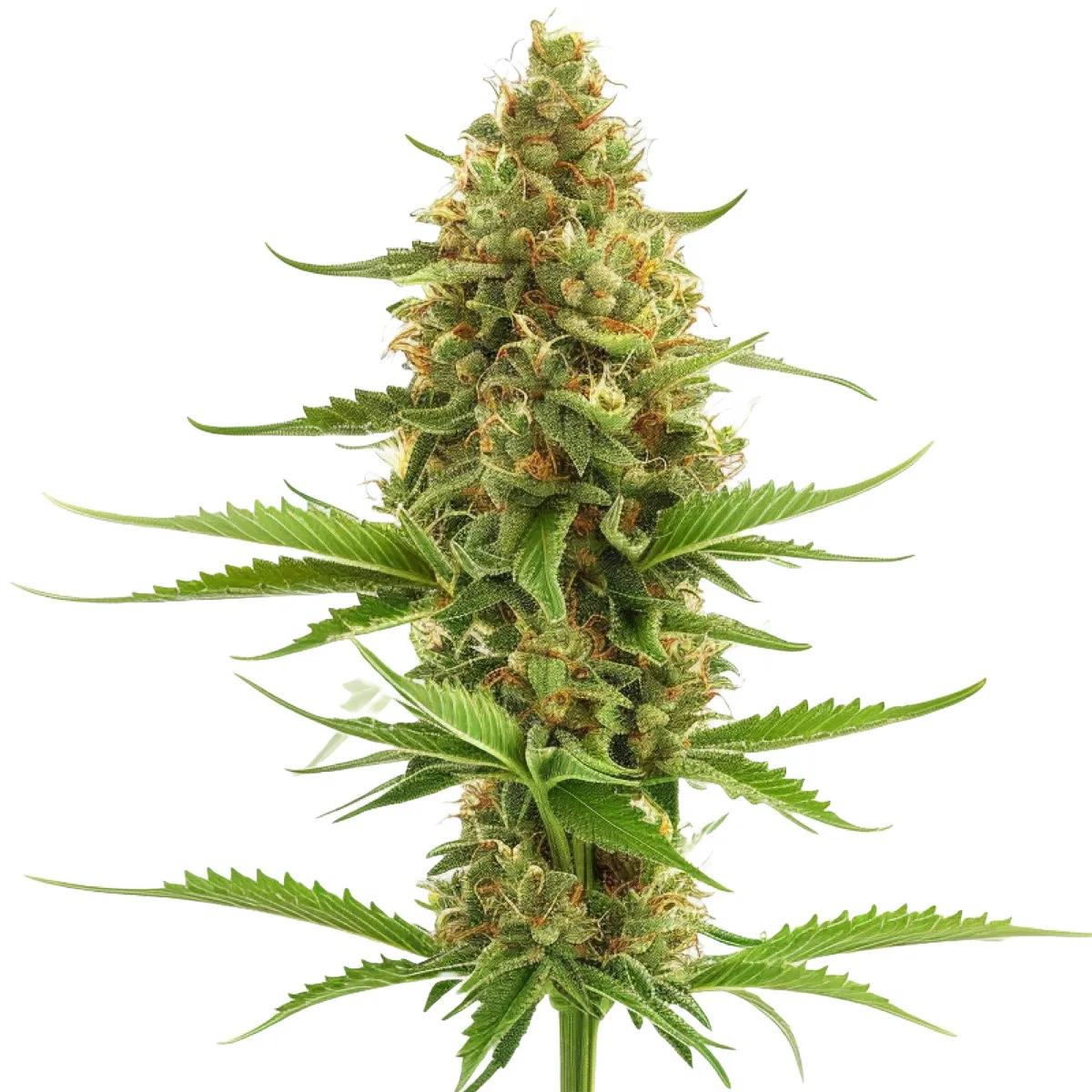
Indoors, expect yields of 350–500 g/m² depending on your light, nutrients, and how well you manage airflow. The plants stay compact — typically 60–100 cm — which makes Purple Haze Auto a solid choice for small tents. A 60x60 cm space fits 1–2 plants comfortably; an 80x80 cm handles 3–4. In a 120x120 cm tent, you could run 6–9 plants and aim for the upper end of that yield range.
Outdoors, Purple Haze Auto handles variable climates better than most. The pest resistance is noticeable — we've heard from growers who ran these alongside other autoflowers and found the Purple Haze plants shrugged off mildew pressure that hammered their neighbours. That said, no strain is bulletproof. Good airflow and avoiding overwatering are still your best defences.
Nutrients-wise, autoflowers generally prefer lighter feeding than photoperiods. Start at about half the manufacturer's recommended dose and increase gradually. One grower journal we've seen noted upping grow nutrients to 2 ml/L around week 4 and increasing by 0.5 ml per day from there — that's a sensible, cautious approach. Overfeeding an autoflower is one of the fastest ways to stunt it, and with an 8–10 week lifecycle, you don't have time to recover from mistakes.
The real appeal of Purple Haze Auto is the combination of speed, simplicity, and genuine quality. Most autoflowers force a compromise — you get convenience but sacrifice flavour or potency. Purple Haze Auto doesn't ask you to choose. The berry-tropical terpene profile is complex enough to impress, the 14–16% THC hits a usable sweet spot, and the 8–10 week turnaround means you can run 4–5 cycles per year indoors.
For first-time growers, this is one of the best autoflowering strains to start with. The plants are forgiving of minor mistakes — slightly off pH, a missed watering, a light that's a few inches too close — and they still produce decent bud. We'd take a forgiving strain that yields 400 g/m² over a finicky one that promises 600 g/m² but collapses if you look at it wrong.
For experienced growers, the value is in the rotation. Purple Haze Auto slots in between photoperiod runs, fills empty tent space during veg cycles, or serves as a reliable pheno-hunting base if you grab the 10-pack and select for the most purple, most aromatic expressions. According to genetic research published in the American Journal of Botany, cannabis genetics show significant variation even within named cultivars (PMC8544287) — so running multiple seeds gives you a real chance of finding a standout phenotype.
Running Purple Haze Auto in a small tent? Pair these seeds with a complete grow kit — tent, light, ventilation, and carbon filter in one box. If you're growing in soil, a quality organic soil mix saves you from pH headaches during that tight 8–10 week window. Already sorted on equipment? Grab a jeweller's loupe for trichome checking — it's the single cheapest tool that makes the biggest difference to harvest timing.
Yes — it's one of the most forgiving autoflowers available. The compact size suits small spaces, the 8–10 week cycle means you're not waiting months for results, and the plants tolerate minor feeding and watering mistakes without collapsing. Start with the 3-seed pack for backup.
Expect 350–500 g/m² depending on your light intensity, pot size, and nutrient management. In a well-dialled 80x80 cm tent with 3–4 plants under a decent LED, 400 g/m² is a realistic target for a first run. Experienced growers pushing light and CO2 can approach the 500 g/m² ceiling.
It can, but colour depends on both genetics and environment. Cooler night temperatures (15–18°C) during the last two weeks of flower trigger anthocyanin production, which deepens the purple tones. In consistently warm conditions, you may get green buds with only hints of purple — still the same flavour and potency.
Berry-forward with earthy undertones and a tropical sweetness on the exhale. The dominant terpenes — myrcene, linalool, and caryophyllene — create a layered profile that improves significantly with proper curing. Minimum two weeks in glass jars, burping daily.
Absolutely. The strain handles temperature fluctuations and shows solid pest resistance. Outdoor plants typically yield up to 150 g per plant and stay compact at 60–100 cm. Plant after the last frost and you'll harvest in 8–10 weeks regardless of day length — that's the autoflower advantage.
Depends what you're after. For a functional daytime smoke with full flavour and clear-headed energy, 14–16% is a sweet spot. You stay productive and present. If you're chasing maximum potency above all else, a high-THC photoperiod strain would suit you better — but you'll lose the speed and simplicity.
One to two plants comfortably. The plants reach 60–100 cm tall and bush out moderately. Two plants in 11-litre pots will fill the canopy without overcrowding. Trying to squeeze in three risks poor airflow and reduced light penetration to lower bud sites.
No. Run 18 hours on, 6 hours off from germination through harvest. Autoflowers flower based on age, not light cycle. No need to switch to 12/12 — that's the main practical advantage over photoperiod strains.
Last updated: April 2026
Medical disclaimer. This content is for informational purposes only and does not constitute medical advice. Consult a qualified healthcare provider before use of any substance.