Autoflowering seeds
by Azarius
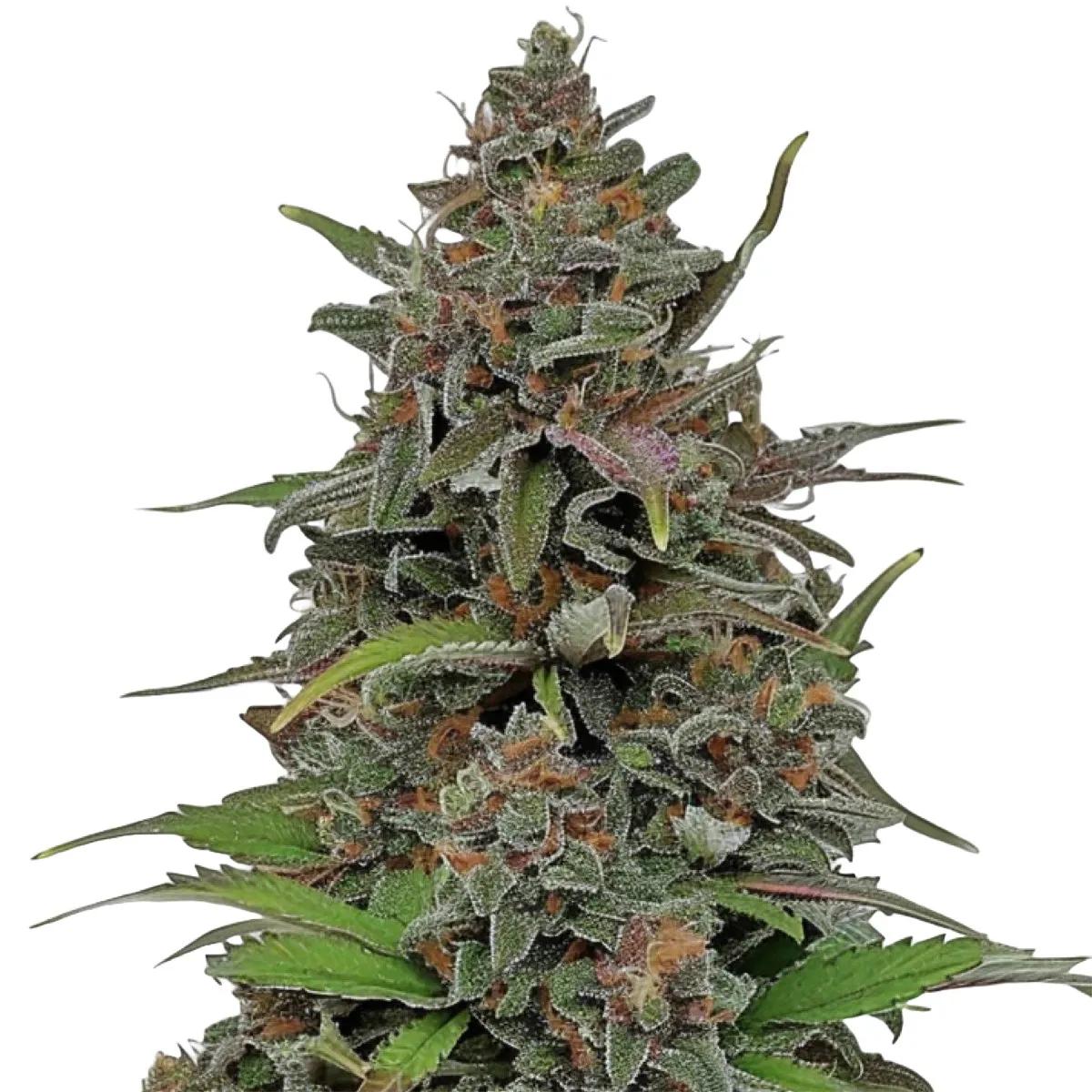
Rainbow Driver Auto is an autoflowering hybrid cannabis seed that crosses Sundae Driver, Zkittlez, and ruderalis genetics to deliver 17–23% THC and harvest-ready plants in just 8–11 weeks. The flavour profile lands somewhere between fresh pine resin and ripe tangerines, with a sweet, earthy base that rounds everything out. If you want big indoor yields without babysitting a light schedule, this is the one.
Rainbow Driver Auto seeds come in packs of 1, 3, 5, and 10. Growing indoors in a standard 1.2m x 1.2m tent? 4 plants fill that space comfortably — grab a 5-pack so you've got a spare. Running a single plant in a small setup or just want to test the genetics first? The 1-seed option keeps things low-commitment. For a full rotation or if you like to pop a few extras for selection, the 10-pack gives you the best per-seed value.
Rainbow Driver Auto takes two flavour-heavy parents — Sundae Driver and Zkittlez — and wraps them in ruderalis genetics so the whole thing runs on autopilot. No photoperiod fussing, no timer adjustments, no stress about light leaks. You plant the seed, keep it fed and watered, and 8–11 weeks later you're trimming dense, resinous buds that smell like a pine forest next to a citrus grove.
The 17–23% THC range puts this firmly in "proper strong" territory. The terpene profile is where it really stands out, though. That pine note hits first — sharp, clean, almost resinous — followed by a tangerine sweetness that lingers on the exhale. Underneath, there's a subtle earthy sweetness from the Sundae Driver side. We've had customers describe it as "Christmas tree dipped in orange juice," which is oddly accurate.
The one thing to watch: because this strain can push towards 23% THC, the buds get properly sticky in the final weeks. Good for potency, annoying for trimming. Invest in a decent pair of trimming scissors and keep some isopropyl alcohol handy to clean the blades — you'll need it.
Every number you need before you buy, pulled straight from the breeder data.
| Specification | Detail |
|---|---|
| Genetics | Sundae Driver x Zkittlez x Ruderalis |
| Strain Type | Hybrid |
| Flowering Type | Autoflowering |
| THC Content | 17–23% |
| Seed to Harvest | 8–11 weeks |
| Indoor Yield | 450–500 g/m² |
| Flavour Profile | Pine, tangerine, sweet earthy undertones |
| Dominant Terpenes | Rich terpene profile (pine/citrus dominant) |
| Available Pack Sizes | 1, 3, 5, or 10 seeds |
Autoflowers don't need a light schedule change to trigger flowering — Rainbow Driver Auto starts blooming on its own around week 3–4, regardless of your light cycle. Here's the practical rundown.
How does Rainbow Driver Auto stack up against other popular autos in the Azarius catalogue? Here's an honest comparison.
| Feature | Rainbow Driver Auto | Typical Zkittlez Auto | Typical Sundae Driver Auto |
|---|---|---|---|
| THC Range | 17–23% | 15–20% | 16–22% |
| Seed to Harvest | 8–11 weeks | 9–10 weeks | 9–11 weeks |
| Indoor Yield | 450–500 g/m² | 350–450 g/m² | 400–450 g/m² |
| Dominant Flavour | Pine + tangerine | Candy + tropical fruit | Creamy + grape |
| Grow Difficulty | Easy–moderate | Easy | Moderate |
Rainbow Driver Auto pulls ahead on yield — 450–500 g/m² is genuinely impressive for an autoflower. The THC ceiling of 23% also edges out most Zkittlez autos. Where Zkittlez wins is in pure candy sweetness; if you want something that tastes like a bag of sweets, that's your strain. Rainbow Driver Auto is more complex — that pine-tangerine-earth combination gives it a layered flavour that keeps you coming back to figure out what you're tasting.
We've been selling cannabis seeds from our Amsterdam shop since 1999, and the autoflower market has changed beyond recognition in that time. Early autos were weak, wispy, and barely worth the soil they grew in. Rainbow Driver Auto is proof of how far the genetics have come — 450–500 g/m² and 23% THC from a plant that finishes in under 11 weeks would have been unthinkable a decade ago.
One thing we keep hearing from customers: the smell during flowering is intense. That pine and tangerine terpene profile doesn't stay politely inside your tent. If you're growing in a flat or anywhere discretion matters, a proper carbon filter isn't optional — it's the difference between a quiet hobby and an awkward conversation with your neighbours. We'd pair this with a decent 4-inch inline fan and carbon filter setup at minimum.
The honest limitation? Like most terpene-heavy strains, Rainbow Driver Auto benefits from a slow, proper dry and cure. Rush it and you'll lose half of that complex flavour profile. Give the buds 10–14 days hanging in a dark room at 18–20°C and 55–60% humidity, then jar-cure for at least 2 weeks. The patience pays off — that tangerine note really blooms during the cure.
Complete your grow setup with a propagation kit to give your Rainbow Driver Auto seeds the best possible start. If you're running an indoor tent, a carbon filter and extraction fan keep that intense pine-citrus smell contained. For growers looking to maximise terpene production, organic bloom nutrients make a noticeable difference in the final flavour profile.
8–11 weeks total, seed to chop. Most plants lean towards the 9–10 week mark indoors under 18–20 hours of light. Cooler temperatures can push it closer to 11 weeks.
450–500 g/m² is the breeder estimate for indoor grows. Hit that range by using 10–15 litre pots, 18/6 or 20/4 light schedules, and keeping your environment dialled in. Underfeeding or small pots will drop yields noticeably.
No. That's the whole point of autoflowering genetics — the ruderalis parentage triggers flowering based on age, not light cycle. Run 18/6 or 20/4 from start to finish.
Sharp pine hits first, followed by a bright tangerine sweetness. Underneath there's a creamy, earthy base from the Sundae Driver genetics. The flavour develops best with a proper 2-week cure after drying.
Yes — autoflowers are forgiving, and this strain has robust genetics that handle minor mistakes. The main thing to watch is overfeeding; start with half-strength nutrients and increase gradually. No light schedule management needed.
17–23% THC. The upper end of that range requires good growing conditions and a proper feed schedule. Even at the lower end, 17% is solidly potent for an autoflower.
You can, though it was bred with indoor cultivation in mind. Outdoors, expect slightly lower yields and make sure the plant gets at least 14+ hours of direct sunlight daily during the growing season. Protect from heavy rain during flowering to avoid bud rot.
Packs of 1, 3, 5, and 10 seeds. The 5-pack suits most indoor growers running a standard tent. The 10-pack gives the best per-seed value if you're planning multiple runs.
Last updated: April 2026
Medical disclaimer. This content is for informational purposes only and does not constitute medical advice. Consult a qualified healthcare provider before use of any substance.