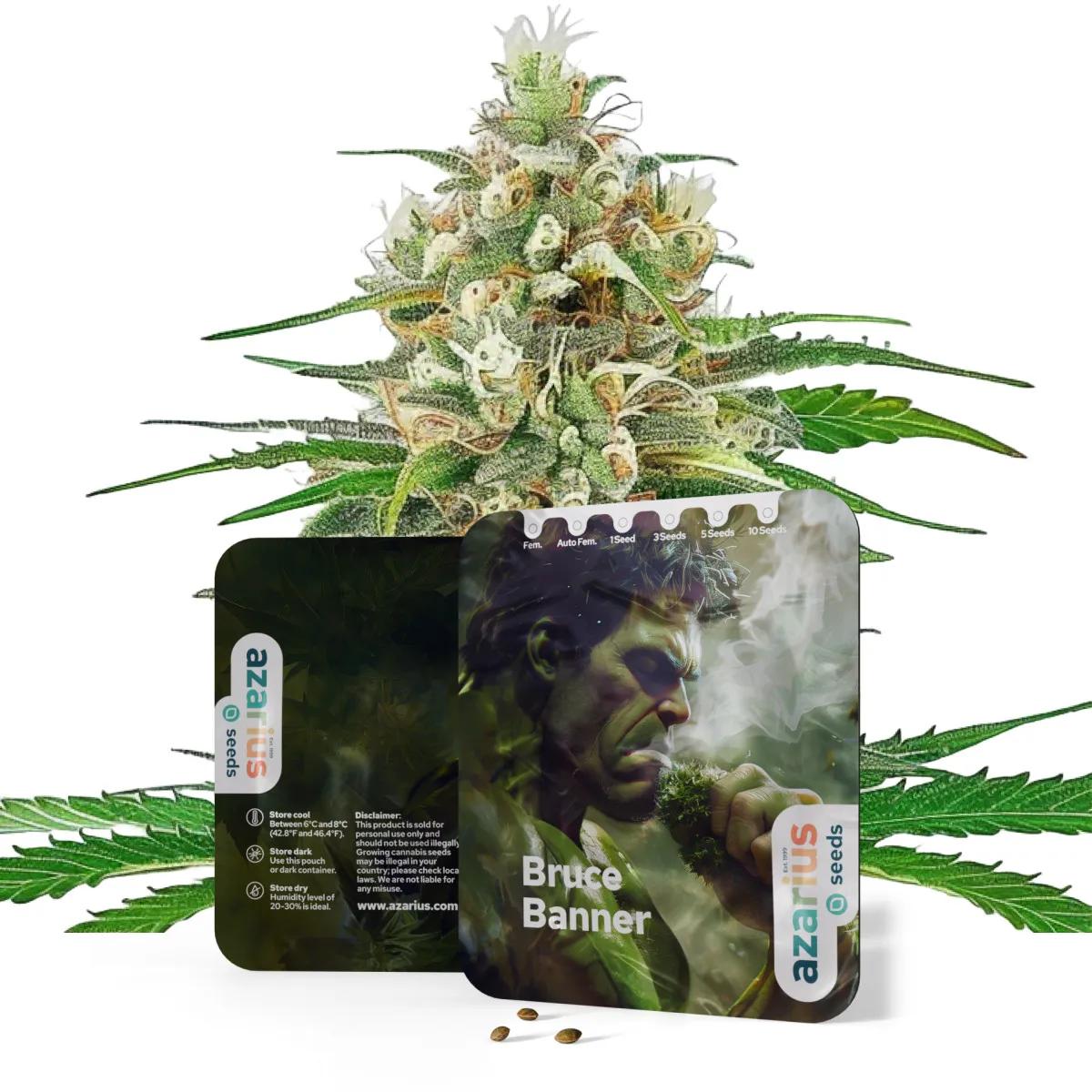
Feminized seeds
by Azarius
Free Feminized Seeds are bonus cannabis seeds added to your order as a thank-you from Azarius. Every feminized seed is bred to produce female plants — the ones that actually flower — so you're not wasting time culling males from your garden. Pick your quantity (1, 3, 5, or 10 seeds), add them to your basket, and they'll ship alongside whatever else you're buying.
| Variant | Seeds | Best for |
|---|---|---|
| 1 | 1 seed | Trying a single bonus plant alongside your main grow |
| 3 | 3 seeds | A small selection — enough to fill a 60x60 tent |
| 5 | 5 seeds | Solid batch for an 80x80 or 100x100 setup |
| 10 | 10 seeds | Stocking up — run multiple cycles or share with a mate |
Start with 3 if you've never grown feminized seeds before. It gives you enough plants to compare phenotypes without overcrowding your space.
Feminized cannabis seeds are specifically bred to produce only female plants — nearly 99% of the time, according to seed producers. That matters because only female plants develop the resinous flowers growers are after. With regular seeds, roughly half your crop turns out male, and you won't know until weeks into the grow cycle. That's wasted soil, wasted nutrients, wasted light hours, and wasted tent space.
According to research published in Frontiers in Plant Science, Silver Thiosulfate (STS) is the most effective compound for inducing sex reversal and producing feminized seeds (PMC11557428). The process works by reversing a female plant's sex expression so it produces pollen — pollen that carries only female genetics. When that pollen fertilises another female, the resulting seeds are almost exclusively female. No Y chromosome in the equation.
The practical upshot: you plant five seeds, you get five flowering plants. No sexing, no pulling males at week three, no accidental pollination ruining your sinsemilla crop. We've seen growers lose entire harvests to a single undetected male tucked in the back corner of a tent. Feminized seeds eliminate that risk almost entirely.
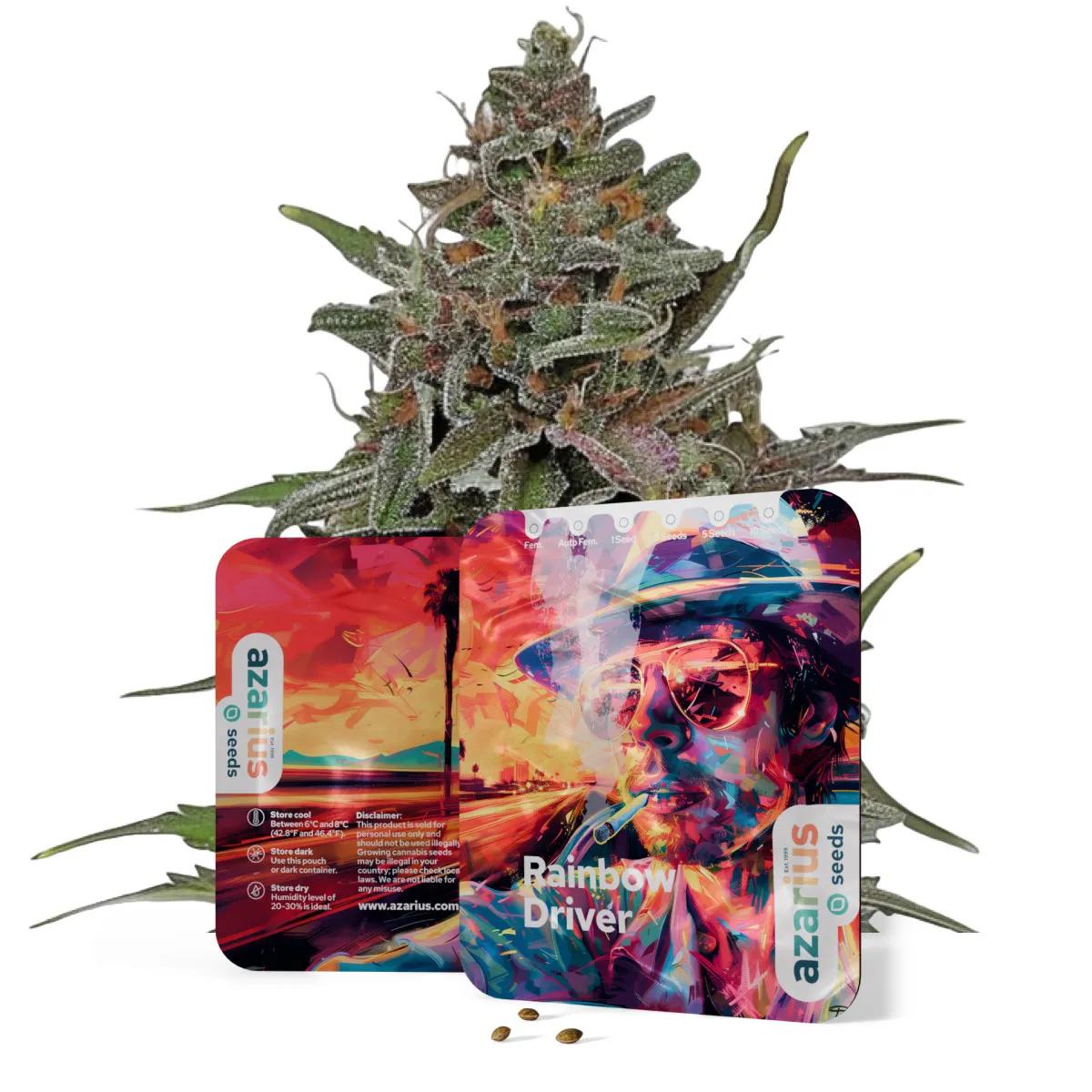
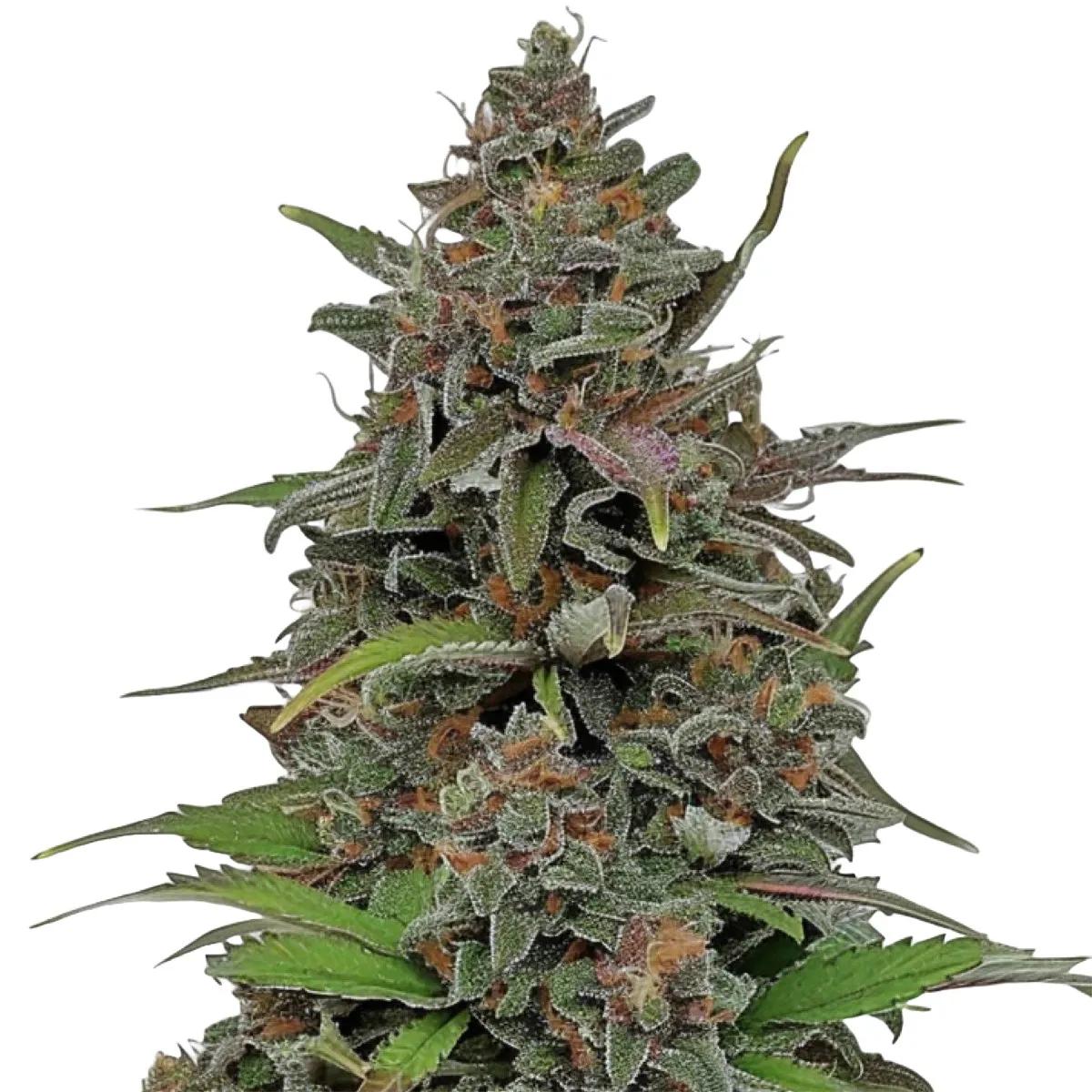
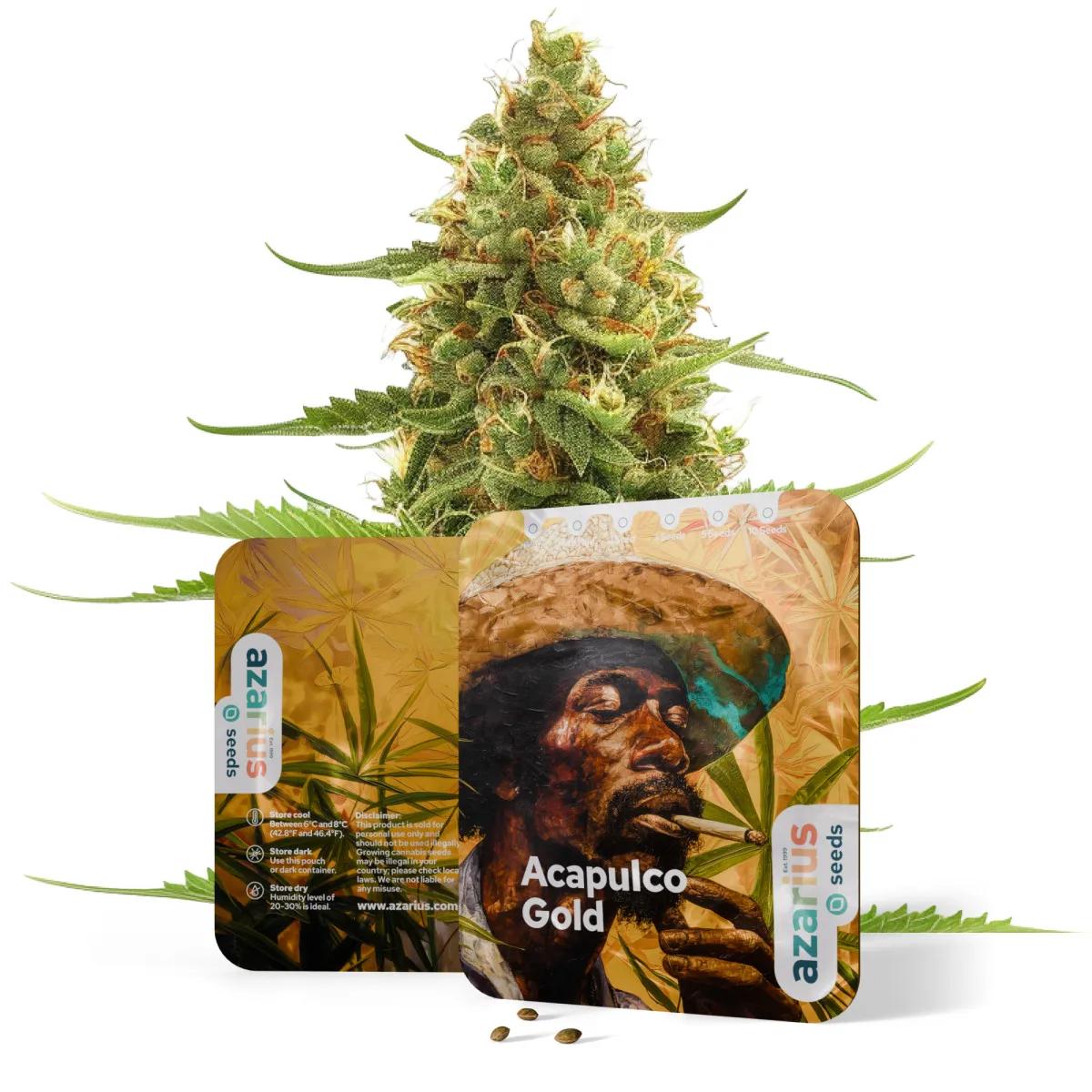
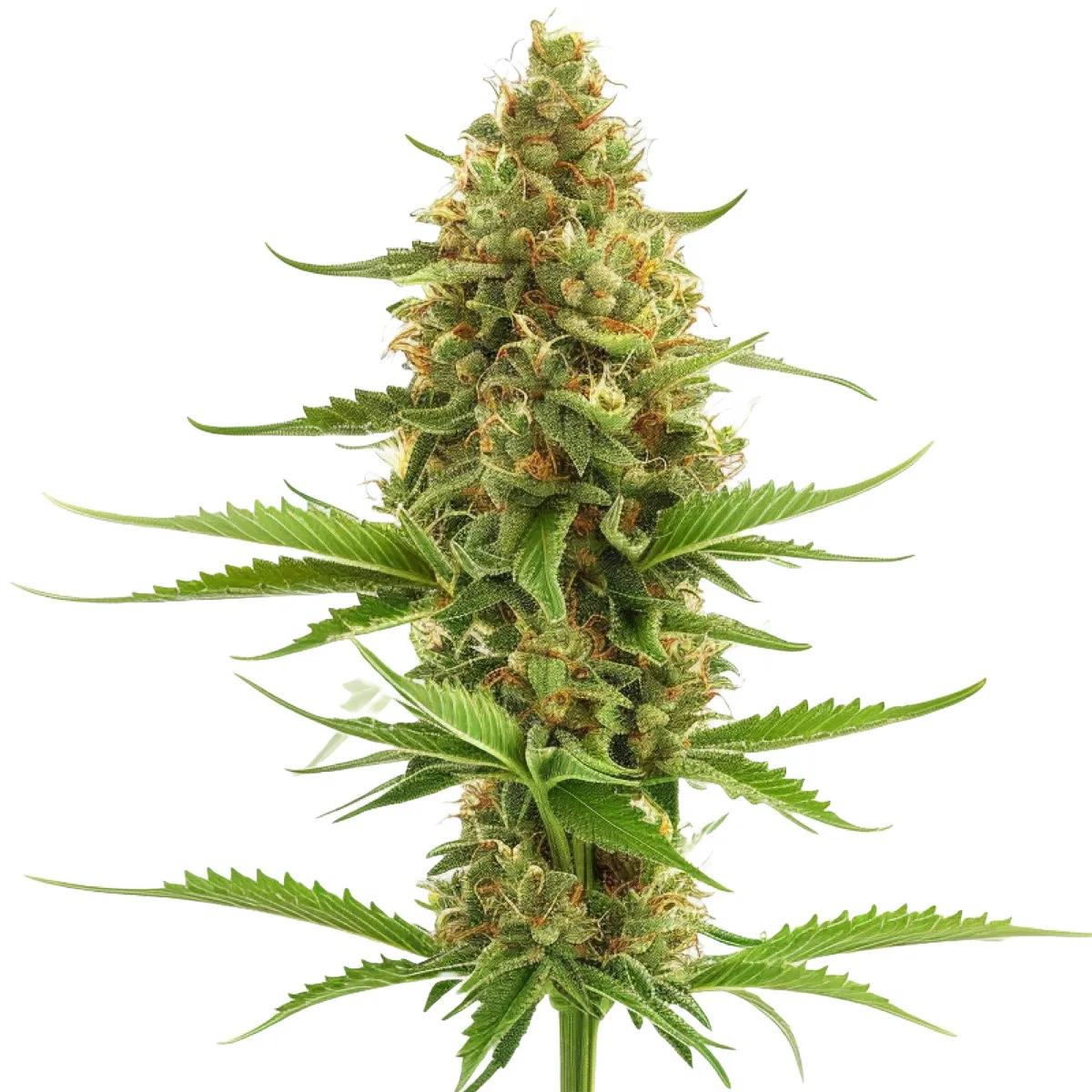
These are free seeds. That means the specific strain varies depending on what's available — you won't get to choose the exact genetics. Think of it as a lucky dip. Sometimes you'll get a classic indica-dominant variety, sometimes a sativa-leaning hybrid. The seeds are feminized, properly stored, and viable, but they're not labelled with a specific strain name.
The honest limitation: if you're after a particular terpene profile or a guaranteed THC percentage, these aren't the seeds for that. Buy a named strain instead — we carry feminized seeds from dozens of breeders. But if you want extra plants at zero extra cost, or you enjoy the surprise of growing an unknown variety, these are a proper bonus.
One thing we've noticed behind the counter over 25 years: growers who pop a mystery seed alongside their main crop often end up preferring the freebie. There's something satisfying about not knowing exactly what you'll get until the flowers develop their smell and structure.
| Specification | Detail |
|---|---|
| Seed type | Feminized |
| Female plant rate | 99%+ |
| Strain | Varies per batch (surprise selection) |
| Pack sizes | 1, 3, 5, or 10 seeds |
| Photoperiod | Yes (requires light cycle change to flower) |
| Storage | Cool, dark, dry — fridge is fine |
| Shelf life | 2-3 years if stored properly |
Complete your setup: pair these seeds with a Dark Box Grow Tent and an LED grow light to give them the best start. Already got the hardware? Grab some BioBizz nutrients to feed your plants through veg and flower.
Regular seeds give you a roughly 50/50 split of male and female plants. That's fine if you're breeding — you need males for pollen. But if you're growing for flower, every male plant is dead weight. It takes up space under your light, drinks your nutrient solution, and if you miss it during sexing, it pollinates your females and fills your buds with seeds instead of resin.
Feminized seeds cost a bit more per seed than regulars, but the maths works out quickly. Say you buy 10 regular seeds: statistically, 5 produce males. You've paid for 10, grown 10 for 3-4 weeks, then binned half of them. With 10 feminized seeds, you keep all 10. Your effective cost per flowering plant drops, your canopy stays full, and your harvest weight per square metre goes up because every plant under the light is producing flower.
According to research on feminized seed production, progeny plants should be assessed for germination rate and compared for growth performance with the original parent stock (PMC11557428). Reputable breeders do exactly this — testing germination rates and vigour before any seeds reach the market. The free seeds we include have passed the same quality checks as paid stock.
Room temperature matters more than most beginners realise. Below 18°C, germination slows dramatically. Above 28°C, you risk cooking the embryo. A heat mat set to 22°C under your plate setup is the best investment you'll make for consistent germination rates — we've seen growers jump from 60% to 95%+ success just by controlling temperature.
The single most common question we get about feminized seeds: "Can they turn hermaphrodite?" Short answer — yes, but it's rare with properly bred genetics, and it's almost always caused by stress, not genetics. Light leaks during the dark period, extreme heat, drought stress, or aggressive pruning during flower can push a female plant to produce a few male flowers as a survival response. Keep your environment stable and you'll likely never see it happen.
The second most common question: "Are feminized seeds weaker than regular seeds?" No. According to research from the University of Ljubljana, feminized progeny plants should show comparable growth performance to the original parent stock when produced correctly (PMC11557428). The idea that feminized seeds produce inferior plants is a myth that refuses to die — it dates back to early feminization techniques in the 1990s that were less refined. Modern STS-based methods produce robust, stable genetics.
Feminized seeds produce female plants 99% of the time, so every seed you germinate becomes a flowering plant. With regular seeds, roughly half turn male and need removing. Feminized seeds save time, space, and nutrients — you're not growing plants you'll bin at week three.
No. The strain varies depending on current stock. These are surprise feminized seeds — you won't know the exact genetics until the plant develops. That's part of the fun, but if you need a specific strain, buy named seeds separately.
Per seed, yes — typically 20-40% more. Per flowering plant, they're cheaper because you don't lose half your crop to males. These particular seeds are free, so the maths is even simpler.
Rarely, and almost always due to environmental stress — light leaks, heat spikes, or drought — rather than genetics. Properly bred feminized seeds from reputable sources are stable. Keep your grow conditions consistent and hermaphrodites are extremely unlikely.
Keep them in a cool, dark, dry place. A sealed container in the fridge at 4-8°C is ideal. Stored properly, feminized seeds remain viable for 2-3 years. Avoid humidity above 10% — moisture triggers premature germination.
Germination rates for properly stored feminized seeds typically sit between 90-99%. Use the paper towel method at 20-22°C for the best results. Seeds that don't crack within 5 days are likely duds — it happens occasionally with any seed batch.
Photoperiod. You'll need to switch your light schedule to 12/12 (12 hours light, 12 hours dark) to trigger flowering. They won't flower automatically like autoflower varieties. This gives you full control over how long you veg before flipping.
Anyone growing for flower rather than breeding. New growers benefit most — no sexing required, no risk of accidental pollination. Experienced growers use them to maximise canopy efficiency. The only reason to choose regular seeds is if you specifically want to breed or make your own crosses.
Last updated: April 2026
Medical disclaimer. This content is for informational purposes only and does not constitute medical advice. Consult a qualified healthcare provider before use of any substance.