Harvest & curing
by Pollinator Company
We'll only email you about this product — no marketing.
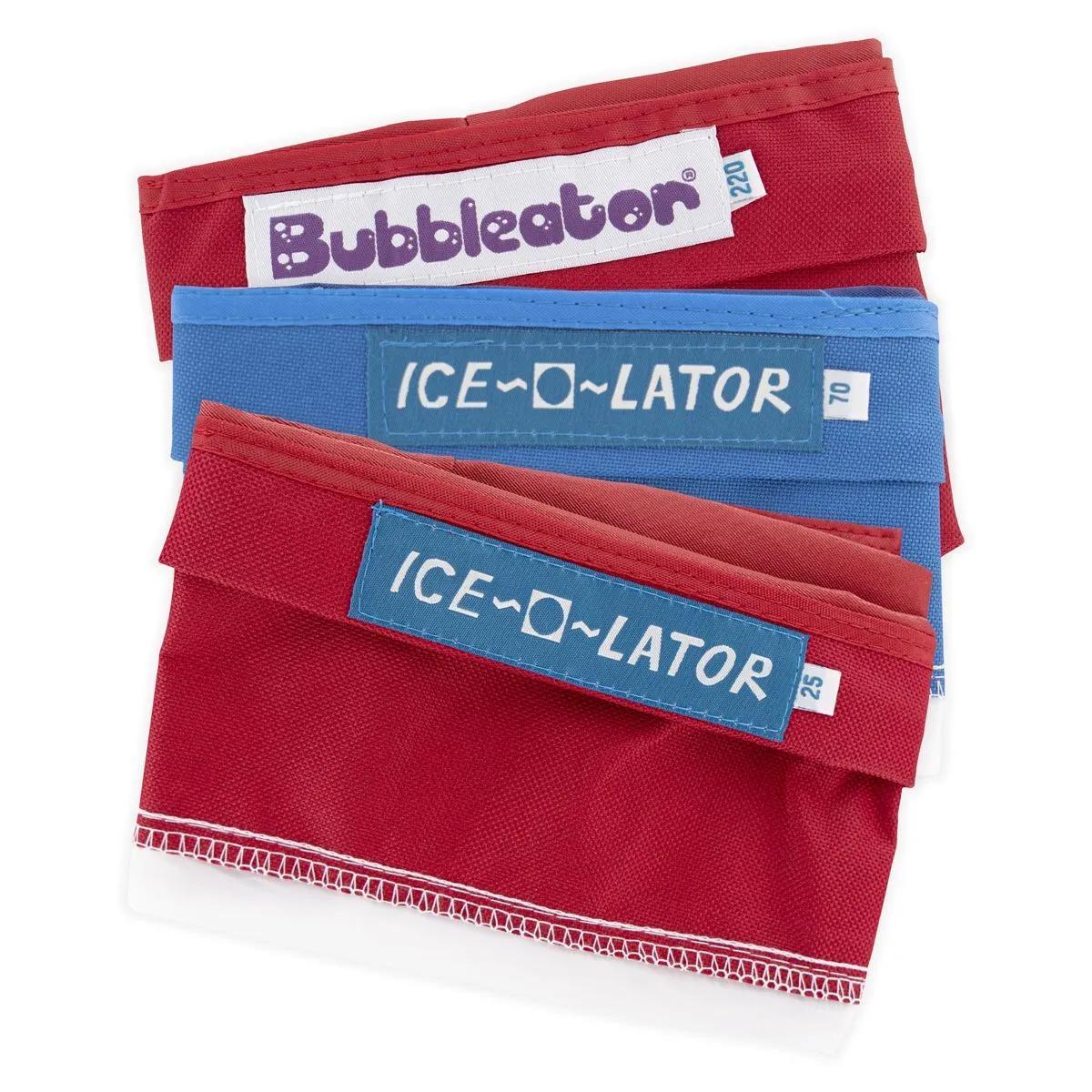
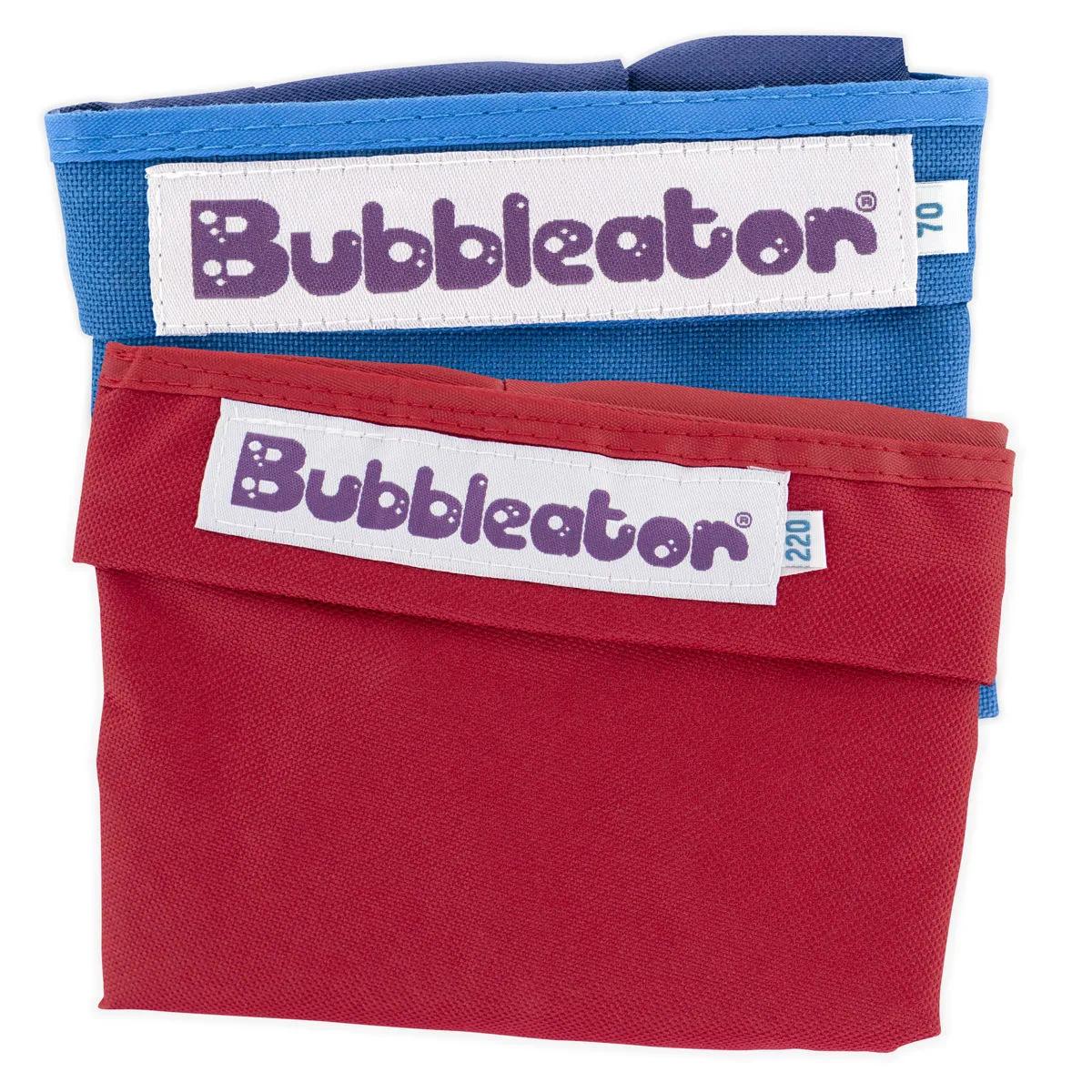
The Ice-O-Lator Travel is a compact two-bag ice water extraction system designed for processing up to 25 grams of dried plant material on the go. Made by the Pollinator Company in Amsterdam — the original creators of the Ice-O-Lator system — this travel kit strips it back to the essentials: a 220 micron work bag and a 70 micron collection bag, ice, water, and nothing else. If you've used a full-sized Ice-O-Lator before, this is the same principle shrunk down to fit in a rucksack.
| Spec | Value |
|---|---|
| Brand | Pollinator Company (Amsterdam) |
| System type | Ice water extraction (2-bag) |
| Screen 1 (work bag) | 220 micron — filters plant waste |
| Screen 2 (collection bag) | 70 micron — catches trichome heads |
| Capacity | Up to 25 grams dried plant matter |
| Optimal water temperature | 4°C |
| Included | 2 filter bags |
| Not included | Kitchen sieve, thermometer, bucket |
| SKU | HS0656 |
Complete your extraction setup: a kitchen thermometer helps you nail that 4°C water temperature, and a fine kitchen sieve is critical for breaking up your collected material so it dries evenly without developing mould. If you're looking to process larger batches at home, the full-sized Ice-O-Lator kits handle 75 litres or more and come with additional micron grades for separating different quality grades.
Here's the situation: you've got a small harvest — maybe 15 to 25 grams of trim or dried material — and you want to extract the good stuff without dragging a full bucket setup around. The standard Ice-O-Lator systems are brilliant, but they're sized for home use with 20-litre or 75-litre buckets. Not exactly something you toss in a bag.
The Ice-O-Lator Travel solves that specific problem. Two bags, two micron grades, one small container of ice water, and you're extracting. The 220 micron screen does the heavy lifting by catching stems, leaf matter, and debris. Everything that passes through it hits the 70 micron screen, where your trichome heads collect as a wet, sandy paste. That paste, once dried properly, is your finished product — clean, concentrated, and free of plant waste.
We'll be straight with you: two bags means two grades of filtration, not seven. Larger Ice-O-Lator sets use multiple bags ranging from 220 microns all the way down to 25 microns, letting you separate trichome heads by size for different quality tiers. With the Travel kit, you get one collection grade at 70 microns. It's a broader catch — you won't get the ultra-refined 45 or 25 micron separation. But for a quick extraction from a small amount of material, the results are genuinely impressive for the size of the kit. Think of it as the difference between an espresso machine and an Aeropress — the Aeropress won't do everything, but it travels and it delivers.
The number one mistake we see with ice water extraction — travel-sized or otherwise — is water temperature. People fill a bowl with ice, assume it's cold enough, and start stirring. But ice floating in room-temperature water doesn't mean the water is at 4°C. It might be sitting at 8 or 10 degrees, and that makes a real difference. Warmer water means more chlorophyll and plant oils pass through the screens, giving you a darker, harsher end product. A basic kitchen thermometer costs almost nothing and turns guesswork into precision.
The second thing worth knowing: 25 grams is the maximum capacity, not the ideal starting point. If it's your first time with this kit, try 10 to 15 grams. You'll get a feel for the agitation speed, the drainage time, and how much material collects on that 70 micron screen without overloading it. Overloading a small extraction system means uneven filtration and lower purity.
This is a two-bag system. That's its strength (portability, simplicity) and its limitation. With only a 220 and 70 micron screen, you're collecting everything between those two grades in a single catch. A full seven-bag Ice-O-Lator set separates trichome heads into multiple quality tiers — the 70-45 micron range typically being the cleanest and most potent. The Travel kit blends those tiers together. The result is still noticeably cleaner than dry-sifting by hand, but it won't match the precision of a multi-bag setup.
Also, no bucket is included. You'll need a small, clean container — a 2 to 5 litre food-grade bucket or even a large glass jar works. Just make sure it's clean. Soap residue or food particles contaminate your extraction. Rinse everything with cold water before you start.
The kit includes a 220 micron work bag that filters out plant material and a 70 micron collection bag that catches trichome heads. The 70 micron grade captures a broad range of trichome sizes in a single collection.
Up to 25 grams of dried plant matter per session. For best results with this compact system, start with 10-15 grams to avoid overloading the screens.
At 4°C, trichome stalks are brittle enough to snap cleanly from the plant material during agitation. Warmer water makes trichomes sticky and lets chlorophyll and plant oils pass through the screens, reducing purity. Use a kitchen thermometer — don't guess.
Yes. You'll need ice, cold water, a small clean container (2-5 litres), a kitchen thermometer to monitor water temperature, and a fine kitchen sieve to break up collected material for drying. None of these are included.
The Travel version handles 25 grams with 2 bags. Full-sized kits process much larger quantities (75 litres or more) and use up to 7 bags with finer micron grades for multi-tier separation. The Travel kit is best for small, quick extractions — not bulk processing.
Allow 24 to 48 hours in a cool, dark, well-ventilated space. Break up clumps with a fine sieve before drying. Pressing or storing the material while still damp risks mould growth.
Yes. Rinse both bags thoroughly with cold water after each use and hang them to dry completely before storing. Avoid hot water — it can damage the mesh over time. With proper care, the screens last through many extraction sessions.
Last updated: April 2026