Harvest & curing
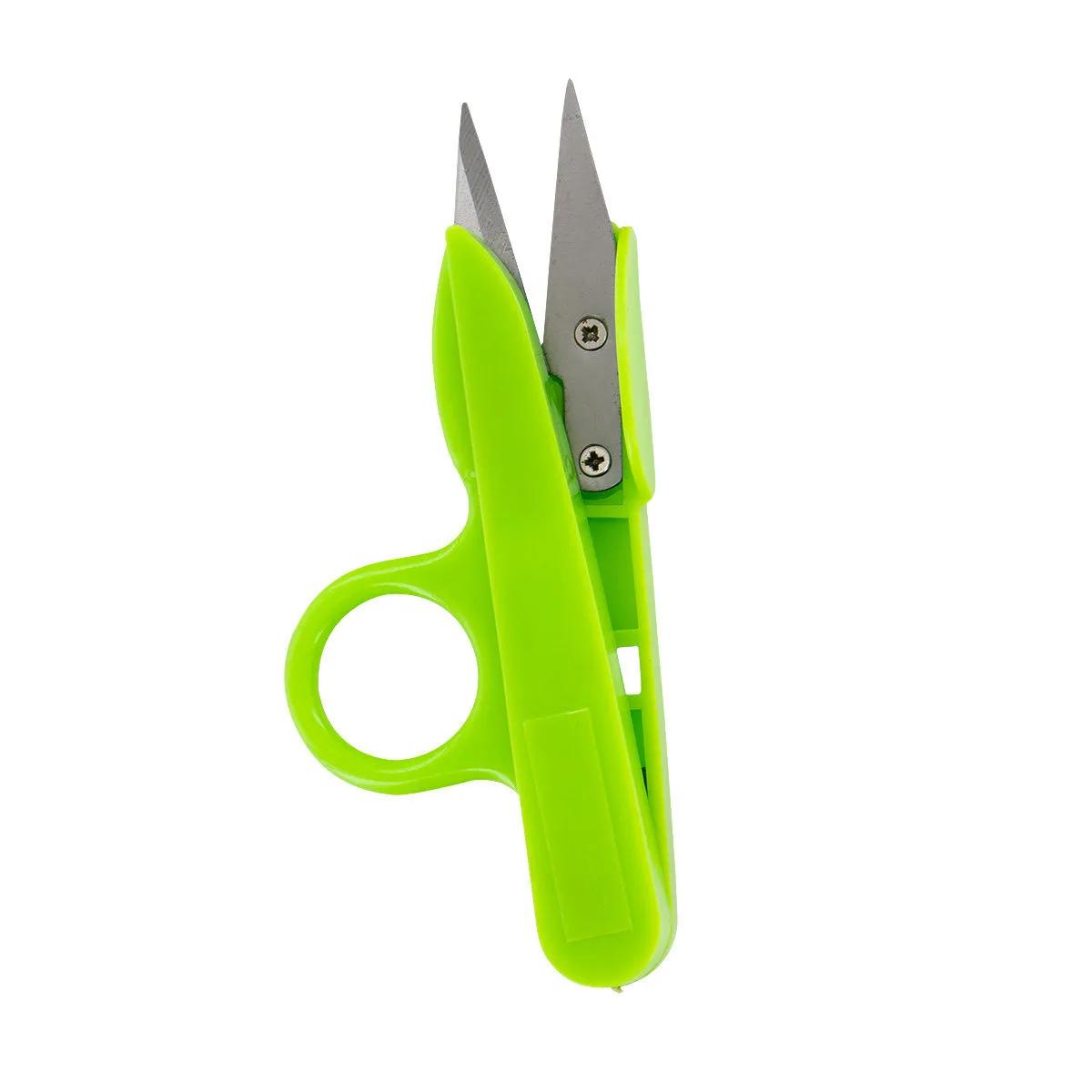
The Leaf Cutter Pruning Shears are compact spring-loaded scissors designed specifically for trimming small leaves from freshly harvested buds. At just 12 cm long, they sit in your hand like a pair of nail scissors — small enough for precision work, light enough to use for hours without cramping up. If you've ever tried trimming with kitchen scissors or full-size garden shears, you already know why these exist.
| Spec | Value |
|---|---|
| Overall length | 12 cm |
| Type | Spring-loaded pruning shears |
| Colour | Random (assigned at dispatch) |
| SKU | HS0548 |
| Best for | Trimming sugar leaves and small foliage from buds |
| Blade style | Curved tip, bypass cut |
Complete your post-harvest setup with a magnifying tray to catch trichomes while you trim, and a set of storage jars for curing. A small brush is also handy for cleaning resin build-up off the blades between sessions.
Here's the thing about trimming: it's the most tedious part of the entire growing process, and using the wrong tool makes it three times worse. We've watched people come into the shop having mangled their harvest with oversized scissors, blunt craft blades, even fingernails. The result is always the same — crushed trichomes, ragged cuts, and buds that look like they've been through a washing machine.
The Leaf Cutter solves this with a 12 cm form factor that gives you actual control. The spring-loaded mechanism means the blades snap back open after every snip, so your hand isn't doing double the work. That sounds like a small detail until you're 45 minutes into a trim session and your thumb is screaming. According to research on data-driven leaf pruning strategies, precise and targeted removal of foliage — rather than aggressive hacking — leads to better outcomes for the plant material you're keeping (PMC, 2025). The same principle applies here: clean, deliberate cuts preserve what matters.
The honest limitation? These are entry-level shears. The blades will dull faster than a pair of Chikamasa or Felco snips, and the spring tension isn't adjustable. For a once-or-twice-a-year trimmer, that's absolutely fine — you'll get several harvests out of them before they need replacing. If you're trimming daily or processing large volumes, you'll want to step up to something with replaceable blades. But for the price, these punch well above their weight. We'd pick the Leaf Cutter over any generic craft scissors every single time.
We've sold trimming tools since the early 2000s, and the single most common mistake we see is people trimming wet. Wet trimming is faster, sure, but the moisture makes everything stick to the blades, your fingers, the tray — and you end up with a sticky mess and shears that seize up within 20 minutes. If you can, hang-dry your harvest for 5-7 days first, then trim dry. The Leaf Cutter handles dry material much more cleanly, and your buds will thank you for it.
The other thing worth mentioning: the colour is random. You get what you get — could be green, red, pink, blue. We can't pick. If colour coordination with your grow tent is a priority, we respect that, but this isn't the product to stress about it on. The blades are identical across all colours.
A dull blade tears plant material instead of cutting it. Torn tissue exposes more surface area to air and moisture, which is exactly what you don't want during curing. According to research on pruning best practices, disinfecting blades with 70% isopropyl alcohol between plants helps prevent the spread of pathogens — a habit worth building even if you're only trimming a few plants at a time.
| Maintenance task | Frequency | What to use |
|---|---|---|
| Wipe blades clean | Every 10-15 minutes during use | Damp cloth or paper towel |
| Deep clean | After every trimming session | Warm soapy water and a small brush |
| Disinfect | Between different plants | 70% isopropyl alcohol on cotton pad |
| Lubricate | After cleaning, before storage | Mineral oil — one drop per blade |
| Storage | Always | Dry location, ideally in a small case or pouch |
Pruning shears trim small leaves and stems from plant material. The Leaf Cutter is sized specifically for detail work — removing sugar leaves from buds, snipping small branches, and general post-harvest manicuring. They're not built for thick stems or woody branches.
Every 10-15 minutes, or whenever you notice the blades sticking. Resin accumulates quickly and reduces cutting precision. A quick wipe with isopropyl alcohol keeps things moving smoothly.
No. The colour is assigned randomly at dispatch. All colour variants have identical blades and spring mechanisms — the only difference is cosmetic.
Yes, noticeably. The spring-loaded mechanism reduces hand fatigue, and the 12 cm size gives you far more control than standard scissors. Regular scissors also tend to crush rather than cut at small scales, which damages trichomes.
For occasional use — a few trim sessions per year — they'll last several harvests. Heavy daily use will dull them faster. You can extend blade life significantly by cleaning after every session and applying a drop of mineral oil before storing.
Dry trimming generally produces cleaner results and is much kinder to your shears. Wet material gums up the blades and spring mechanism within minutes. Hang-dry your harvest for 5-7 days first if you can.
The hydra effect refers to a plant producing multiple new shoots where one branch was cut — named after the mythological creature that grew two heads for every one severed. With post-harvest trimming this isn't a concern, since you're working on cut material, not a living plant.
Last updated: April 2026