Harvest & curing
by Pollinator
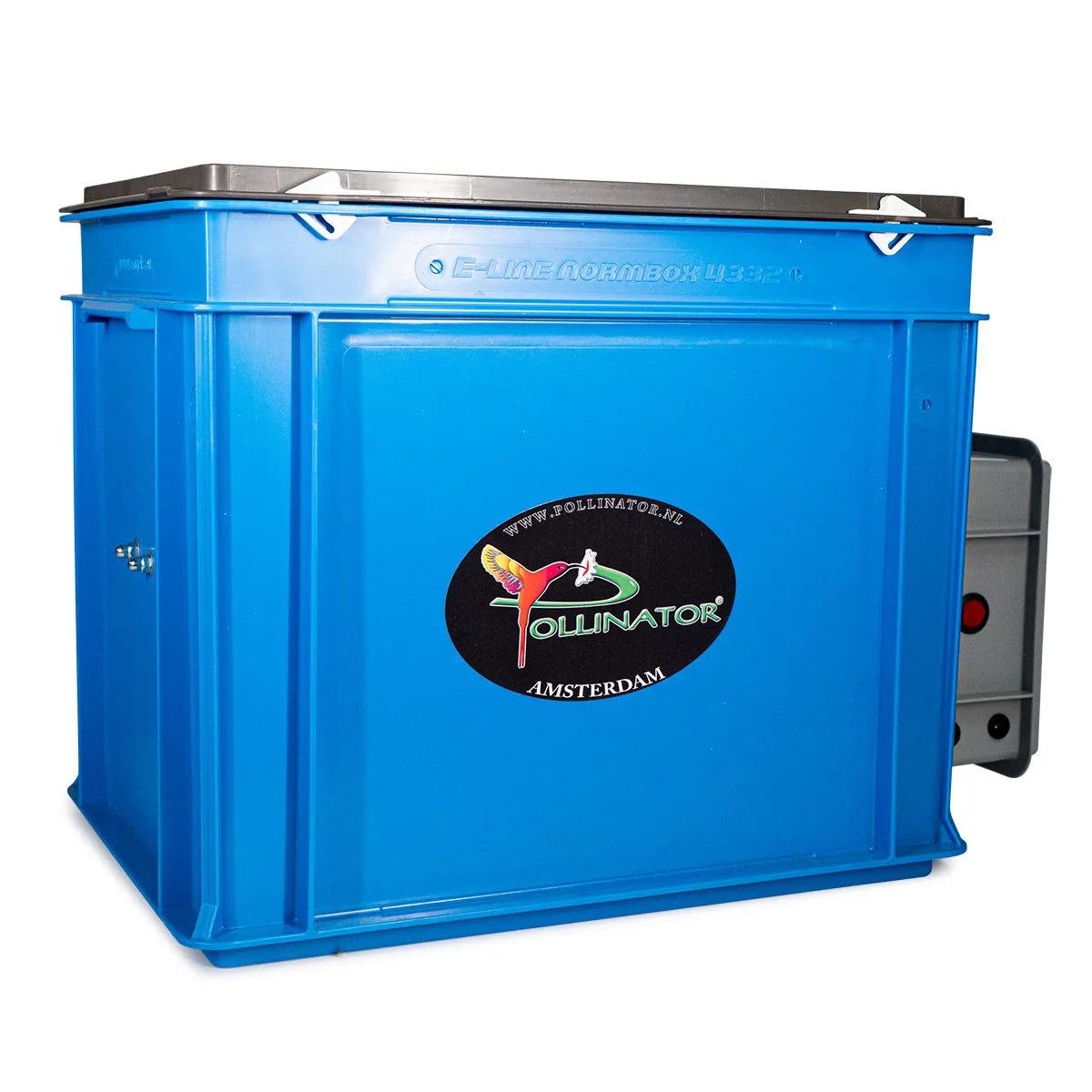
The Pollinator P150 is a motorised dry sift machine that separates resin crystals from plant matter using a revolving 150-micron screen drum. Originally designed in Amsterdam, this is one of the first electric sifting machines ever brought to market — and it's still going strong. Load up to 150 grams of dried material per cycle, press the button, and collect your crystals from the glass catch tray below. No solvents, no bags, no mess. Just mechanical separation done properly.
The P150 arrives ready to use out of the box. Here's what you get:
The build feels solid — the drum clicks into place on both the motor side and the opposite cradle, and the magnetic lid snaps shut with a satisfying clunk. The 150-micron screen is taut and evenly tensioned, which matters more than you'd think. A loose or uneven screen gives you inconsistent results and lets through plant matter that shouldn't be there. This one doesn't.
| Spec | Value |
|---|---|
| Screen size | 150 microns |
| Capacity per cycle | 150 grams of dried plant material |
| Recommended first run time | 2–5 minutes |
| Pre-freeze recommendation | 2 hours in airtight bag |
| Drive | Electric motor |
| Drum lid | Magnetic closure |
| SKU | HS0664 |
| Category | Harvest and Curing |
Complete your sifting setup with a set of pressing screens or a pollen press to turn your collected crystals into compact, storable form. A vacuum-seal bag set also helps with the pre-freeze step — proper airtight sealing makes a noticeable difference in crystal separation quality.
Hand-sifting over a silk screen works, but it's slow, inconsistent, and your arms get tired after 10 minutes. We've watched people spend an entire afternoon manually sifting what the P150 handles in a single 5-minute cycle. If you're processing anything more than a small personal harvest, the maths stops making sense pretty quickly.
The real advantage here is consistency. A motorised drum turns at a steady speed, applies even pressure across the entire screen surface, and doesn't get impatient halfway through. That means your first collection is genuinely the purest material — the lightest, finest resin heads that fall through the 150-micron mesh before any plant matter has a chance to break down and contaminate the catch. Hand-sifting can't replicate that level of control, no matter how careful you are.
The 150-gram capacity is generous enough for commercial-scale processing too. Run multiple cycles back to back, and you can work through a full harvest in an afternoon rather than a full week. One of the first electric machines on the market for dry resin extraction, the Pollinator has been refined over years of actual use — this isn't a design that was dreamed up in a lab and shipped without testing.
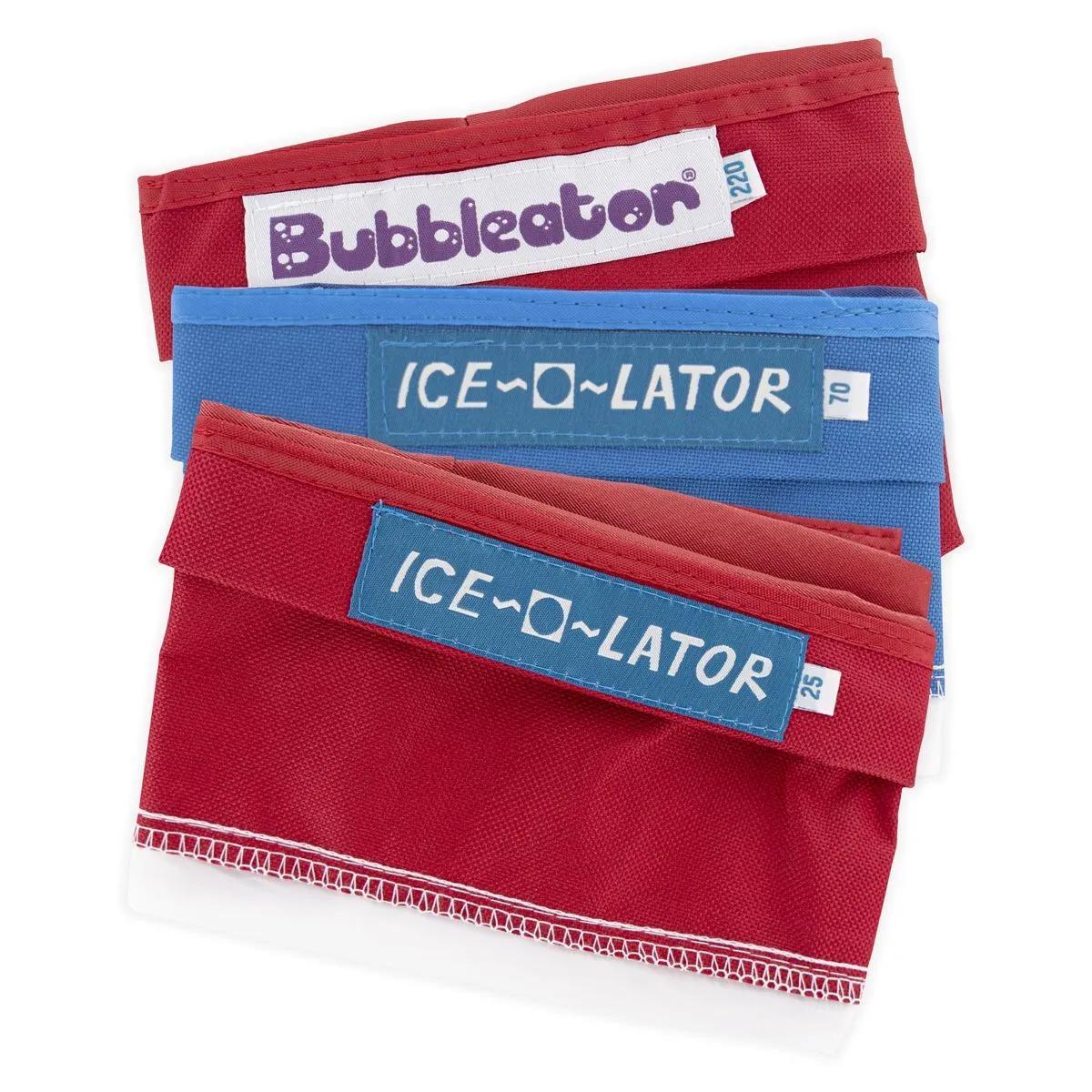
The one honest limitation: the 150-micron screen is a single size. If you want to grade your material into multiple quality tiers (say, 73-micron for the absolute top shelf versus 120-micron for cooking grade), you'd need a multi-bag system like the Ice-O-Lator. The P150 gives you one clean separation at 150 microns. For most growers, that's exactly what you want — a fast, reliable first pass that collects the good stuff without overthinking it. But if you're chasing competition-grade purity across multiple grades, know that this machine does one thing and does it well, rather than trying to do everything.
The setup takes about 2 minutes. No tools, no fiddly assembly. Here's the process from start to finish:
After running a few hundred cycles through various sifting machines over the years, here's what we've learned actually makes a difference with the P150:
Temperature is everything. That 2-hour freeze isn't a suggestion — it's the single biggest factor in your final quality. Some growers go further and run the machine in a cold room or even place the whole unit near an open window in winter. Cold resin heads are brittle resin heads, and brittle means they detach cleanly. Warm material smears, sticks to the screen, and gives you a greener, less pure collection.
Resist the temptation to overload. Yes, the drum holds 150 grams, but if you're working with particularly dense or sticky material, dropping to 100–120 grams gives the drum more room to tumble effectively. You'll actually get better separation with slightly less material than with a packed drum where nothing moves freely.
Keep your first run short — 2 minutes is often enough. That initial collection, sometimes called "first pull" or "grade A," is visibly different from later runs. It's lighter in colour, finer in texture, and when you press it between your fingers, it has a sandy, almost talc-like feel rather than a sticky, plant-heavy consistency. Later runs produce usable material too, but the quality drops with each pass. Keeping them separate lets you decide how to use each grade.
Both machines come from the same Amsterdam-based manufacturer, and we carry both. Here's how they compare:
| Feature | Pollinator P150 | Ice-O-Lator (bag system) |
|---|---|---|
| Method | Dry sift (motorised drum) | Ice water extraction (manual agitation) |
| Capacity | 150g per cycle | Varies by bag size |
| Run time per cycle | 2–5 minutes | 15–20 minutes plus drying |
| Grade separation | Single grade (150 microns) | Multiple grades (multi-bag system) |
| Drying required | No — collect and press immediately | Yes — 24–48 hours air drying |
| Mess factor | Minimal — dry process | Water, ice, wet material |
| Best for | Speed, volume, simplicity | Maximum purity grading |
If speed and simplicity are your priority — and they are for most growers — the P150 wins. You're collecting dry, press-ready material in under 5 minutes with zero cleanup beyond brushing the catch surface. The Ice-O-Lator produces arguably purer top-grade material through its multi-bag filtration, but it involves water, ice, wet extraction, and a full day of drying before you can do anything with the result. We'd pick the P150 for regular processing and keep the Ice-O-Lator for special batches where you want to separate into 3–4 distinct quality grades.
The drum screen is the part that takes the most wear. At 150 microns, the mesh is fine enough to catch plant matter but robust enough to handle regular use — as long as you keep stems out. We can't stress this enough: a single woody stem rolling around inside the drum during a cycle can stretch or tear the screen. Always de-stem thoroughly before loading.
Clean the screen after every session with a soft brush. Resin buildup gradually blocks the mesh openings and reduces your yield over time. If the screen gets clogged, a brief soak in isopropyl alcohol followed by gentle brushing restores it. The motor is simple and reliable — no belts to replace, no complicated gearing. It just turns the drum at a consistent speed.
The housing itself is sturdy enough to sit on a workbench without sliding around during operation. It's not the lightest piece of kit, which is actually a good thing — you don't want a sifting machine that walks across the table while it's running.
Keep your first run to 2–5 minutes. This collects the finest, purest resin heads before plant matter starts breaking down. You can run additional cycles for lower-grade material, but always collect each run separately.
Yes — 2 hours minimum in an airtight bag. Freezing makes resin heads brittle so they snap off cleanly instead of smearing into the screen. Skipping this step noticeably reduces both yield and purity.
The P150 ships with a 150-micron drum screen as standard. Replacement drums and screens are available from the manufacturer. If you need multiple micron grades from a single batch, the Ice-O-Lator bag system is better suited to that task.
Yield depends on your starting material. As a rough guide, expect 10–15% return by weight from well-frozen, properly cured material on the first run. Lower-quality or poorly frozen material yields less and produces a greener, less pure collection.
It produces a low mechanical hum — comparable to a small desk fan. The drum rotates at a steady, moderate speed. It's not silent, but it won't disturb anyone in the next room.
Brush the screen gently with a soft-bristled brush after every use. For deeper cleaning, soak the screen briefly in isopropyl alcohol, then brush again once dry. Never use metal tools or abrasive materials on the mesh.
No. The P150 is designed for dry sifting only. Fresh material contains too much moisture, which causes it to clump and stick to the screen rather than tumbling freely. Always use properly dried and cured material, frozen for at least 2 hours before loading.
Last updated: April 2026