Harvest & curing
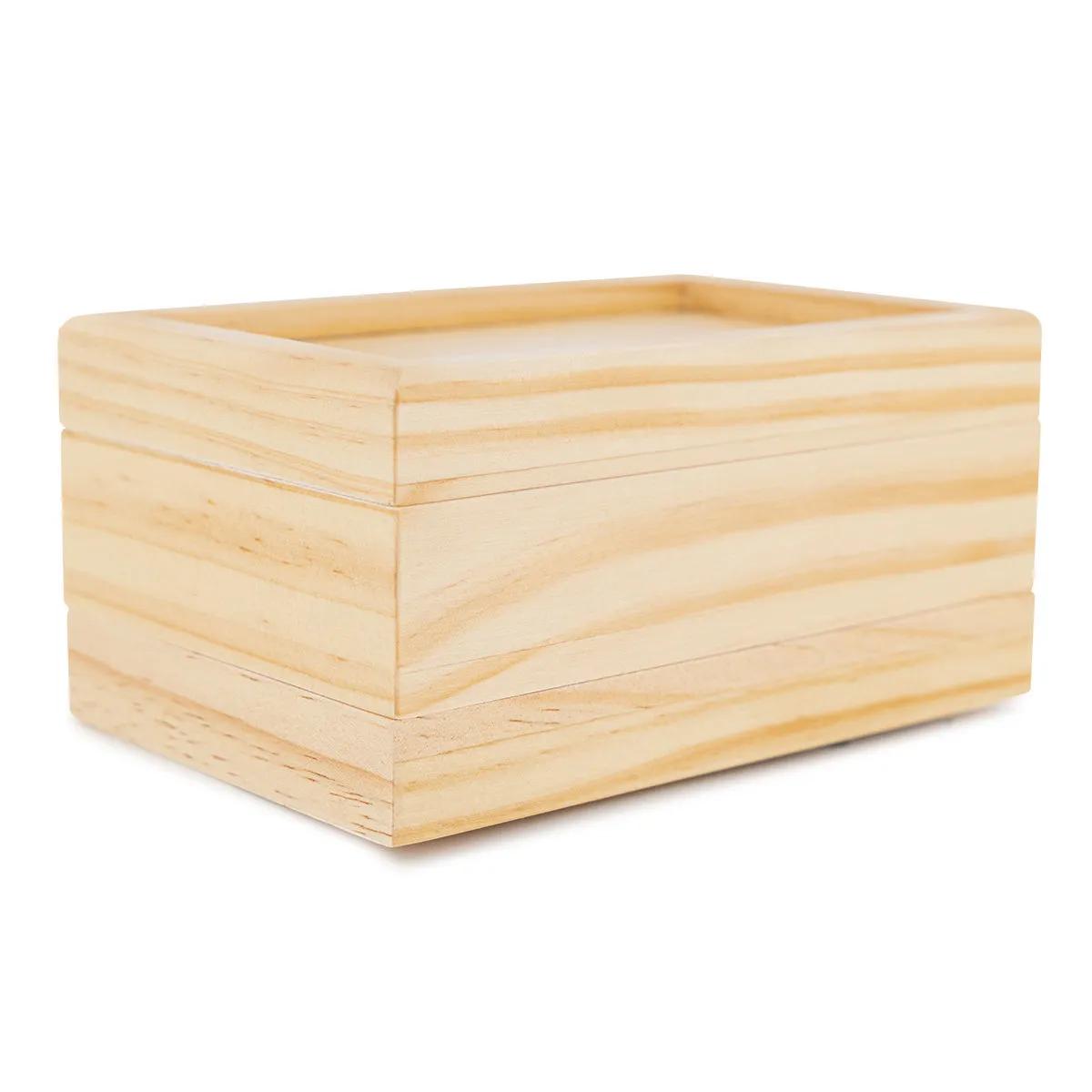
A wooden sifter box is a three-piece storage and separation tool that lets you passively collect kief from your dried herbs through a fine metal screen. This particular box uses an 80-micron mesh — tight enough to catch only the good stuff — and stores it on a removable brown glass plate in the bottom compartment. Magnetic closures on both the top and bottom sections keep everything sealed and secure, so nothing escapes during transport or storage. Measuring 14cm x 9cm x 6.5cm, it fits comfortably in a drawer, on a shelf, or inside a bag without taking up much room.
| Spec | Value |
|---|---|
| Dimensions | 14 cm x 9 cm x 6.5 cm |
| Screen Mesh Size | 80 micron |
| Material | Wood with metal screen |
| Compartments | 3 (storage, screen, collection) |
| Closure Type | Magnetic (top and bottom) |
| Collection Surface | Removable brown glass plate |
| SKU | HS0732 |
Complete your setup with a proper grinder to break down your material before sifting — the finer the grind, the more kief drops through the screen. A small pressing tool also pairs well if you want to compress your collected kief into compact discs for storage.
Here's the thing most people don't realise until they've been grinding herbs for months: you're losing trichomes every single time. They stick to your fingers, the inside of your grinder, the rolling tray, the table. A sifter box solves that by giving those trichomes somewhere to go. You place your dried material in the top compartment, give the box a gentle shake, and the 80-micron screen lets only the finest particles fall through to the glass collection plate below. Over days and weeks, you build up a visible layer of concentrated kief without any extra effort.
The removable brown glass plate at the bottom is a small detail that makes a real difference. Scraping kief off wood is frustrating — it gets stuck in the grain and you lose half of it. Glass gives you a smooth, non-stick surface, and you can lift it straight out for easy collection. We've handled sifter boxes without this feature, and honestly, the difference is night and day. The glass plate alone makes this box worth choosing over cheaper alternatives that use bare wood in the collection chamber.
One honest limitation: at 14 x 9 cm, this is a personal-use box. If you're processing large quantities of dried herb, you'd want something bigger — a full-sized sifting screen or a larger box like the Rolling Supreme model (which measures about 14.2 x 10 x 7 cm for comparison). But for daily use, storing a few grams of material and passively collecting kief over time, this size is the sweet spot. It doesn't dominate your desk and the magnets actually hold — no accidental openings in your bag.
We get asked about sifter boxes fairly regularly, and the number one question is always about mesh size. At 80 microns, this box sits in the sweet spot for most dried herbs. Finer screens (around 50-60 microns) give you purer kief but collect it much more slowly. Coarser screens (100+ microns) collect faster but let more plant material through, so the result is greener and less potent. 80 microns is the standard that most people end up happy with.
The weight of this box is noticeable in the hand — it's solid wood, not balsa or thin plywood. That matters because lightweight sifter boxes tend to slide around on your table when you're shaking them. This one stays put. The wood grain has a natural, unfinished feel to it, and the magnets are recessed into the body so the lid sits flush. It's not going to win any design awards, but it does what it's supposed to do without any fuss.
One tip from years of seeing customers use these: keep the screen clean. Over time, trichomes clog the mesh and reduce how much passes through. A soft brush (an old toothbrush works) and a quick freeze in the freezer for 20 minutes makes the stuck material brittle and easy to brush off. Do this every couple of weeks and your box will keep performing like new.
Kief is the collection of trichome heads that separate from dried plant material. These tiny crystals contain the highest concentration of active compounds in the herb. Collecting kief with a sifter box lets you build up a potent reserve over time without any special equipment or effort beyond a gentle shake.
80 microns is the standard mesh size that balances purity with collection speed. It's fine enough to filter out most plant material while still allowing trichome heads to pass through at a reasonable rate. Finer screens (50-60 microns) produce purer results but take significantly longer to accumulate a usable amount.
Depends on how much material you run through it and how often you shake the box. Most people see a light dusting on the glass plate within a week of regular use. A proper, scrapable layer usually takes 2-4 weeks. Drier material sheds trichomes more readily than slightly moist herb.
Yes — the brown glass plate in the bottom compartment is fully removable. Slide it out, scrape off your collected kief, and wipe the plate clean. This is one of the main advantages over boxes that use a bare wood collection surface, where kief gets trapped in the wood grain.
Place the entire box in the freezer for 15-20 minutes. The cold makes stuck trichomes brittle. Then use a soft brush — an old toothbrush is ideal — to gently sweep the mesh clean. Avoid using water directly on the wood, as it can cause warping over time.
At 14 x 9 x 6.5 cm, it comfortably holds a few grams of material in the top compartment. For personal daily use, that's plenty. If you're processing larger batches, you'd want a bigger sifting setup, but for passive collection alongside your normal routine, this size works well.
They do. Both the top lid and the bottom compartment use recessed magnets that click shut firmly. You can carry the box in a bag without worrying about it popping open. That said, don't throw it around — the magnets hold against normal movement, not impacts.
Last updated: April 2026