Climate control
by CO2 Boost
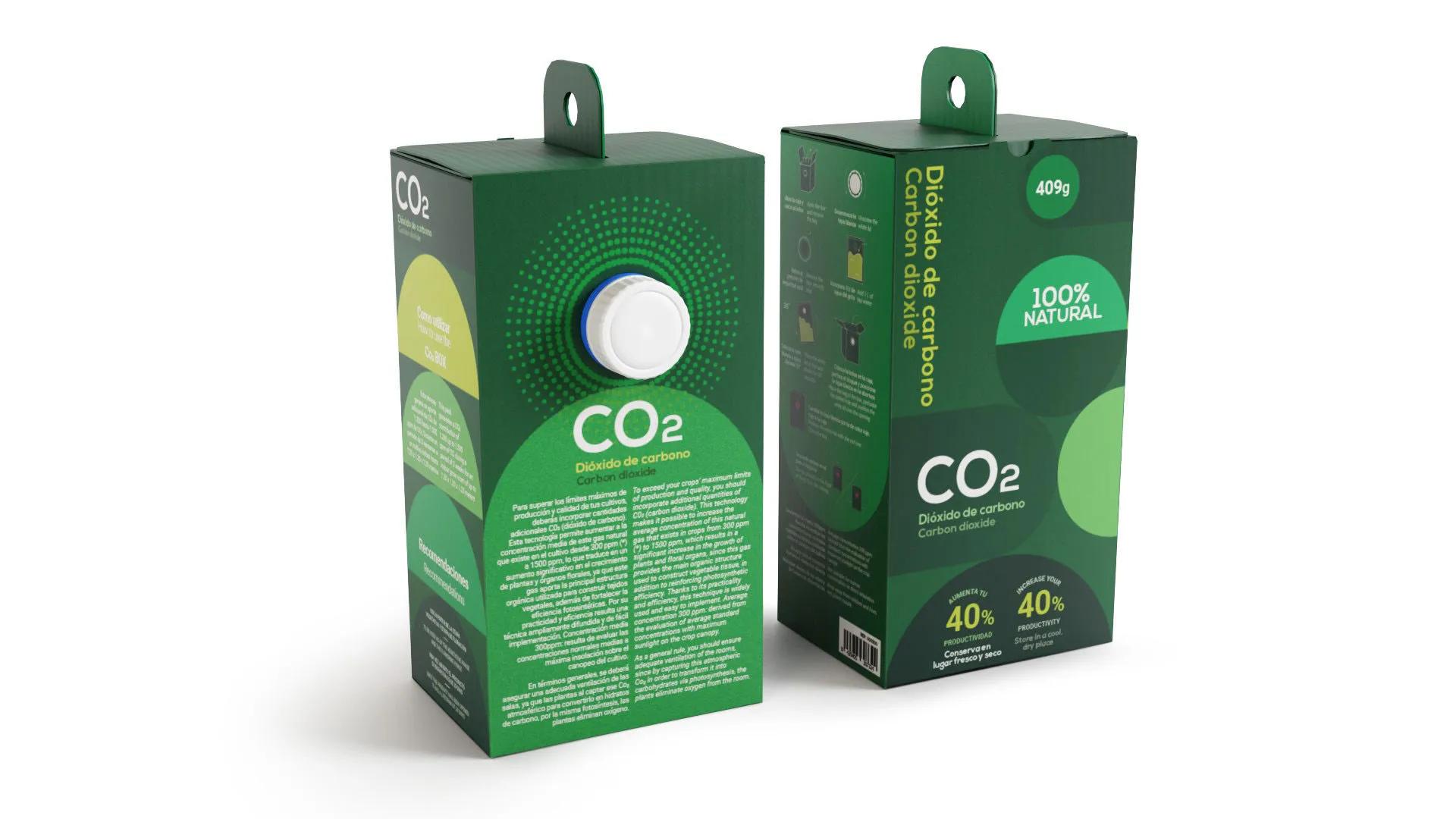
The CO2 Box is a self-contained carbon dioxide generator that raises CO2 levels in your grow space up to 1500 ppm — the sweet spot where photosynthesis kicks into overdrive. No bottles, no regulators, no electricity. Just a biological process inside a box that steadily releases CO2 for roughly three weeks, covering spaces up to 120 x 120 x 220 cm. If your plants have good light, good nutrients, and good airflow but still seem to plateau, CO2 is almost certainly the missing piece.
Ambient air sits at roughly 400 ppm CO2. That sounds like enough — and outdoors, it is, because plants evolved in open air with unlimited gas exchange. Inside a sealed grow tent, your plants can burn through available CO2 within minutes of the lights coming on, dropping levels below 300 ppm. At that point, photosynthesis slows to a crawl no matter how much light you throw at the canopy.
Raising CO2 concentration to 1200–1500 ppm effectively removes the bottleneck. With sufficient light intensity (typically 600W HPS or equivalent LED and above), plants can photosynthesise up to 30% faster at elevated CO2 levels compared to ambient air. That translates directly into denser growth, thicker stems, and heavier yields. The CO2 Box reaches that 1500 ppm target naturally, without compressed gas cylinders or electronic controllers.
We've seen growers spend hundreds on lighting upgrades when a simple CO2 boost would have done more for their canopy. Light is only half the equation — carbon is the raw material your plants actually build themselves from.
Compressed CO2 setups work brilliantly, but they come with regulators, solenoid valves, timers, and the ongoing cost of cylinder refills. The CO2 Box takes a completely different approach: it uses a natural biological reaction (a proprietary mycelial culture, essentially) that produces CO2 as a metabolic byproduct. You open it, place it in your grow space, and it works. No moving parts, no power draw, no risk of a regulator malfunction flooding your room with gas at 3 AM.
The trade-off? You can't dial in an exact ppm with a twist of a knob. The CO2 Box produces a steady output rather than a precisely controlled concentration. For most growers running a single tent, that steady release is more than adequate. If you're running a multi-room commercial setup with environmental controllers, bottled CO2 with a sensor gives you finer control — but for a 120 x 120 cm tent, the CO2 Box is the path of least resistance and we'd pick it over a bottle setup nine times out of ten at this scale.
| Feature | CO2 Box (CO2 Boost) | Bottled CO2 System |
|---|---|---|
| Power required | None | Solenoid valve + controller |
| Max CO2 output | Up to 1500 ppm | Adjustable, sensor-dependent |
| Coverage | Up to 120x120x220 cm | Varies by flow rate |
| Lifespan per unit | Approximately 3 weeks | Depends on cylinder size |
| Setup complexity | Open and place | Regulator, tubing, timer, sensor |
| Ongoing cost | Replace box every 3 weeks | Cylinder refills + maintenance |
| Brand | CO2 Boost |
| SKU | GS0025 |
| CO2 output | Up to 1500 ppm |
| Coverage area | 120 x 120 x 220 cm (max) |
| Active lifespan | Approximately 3 weeks |
| Power requirement | None |
| CO2 generation method | Natural biological (mycelial) |
| Category | Climate Control / CO2 Enrichment |
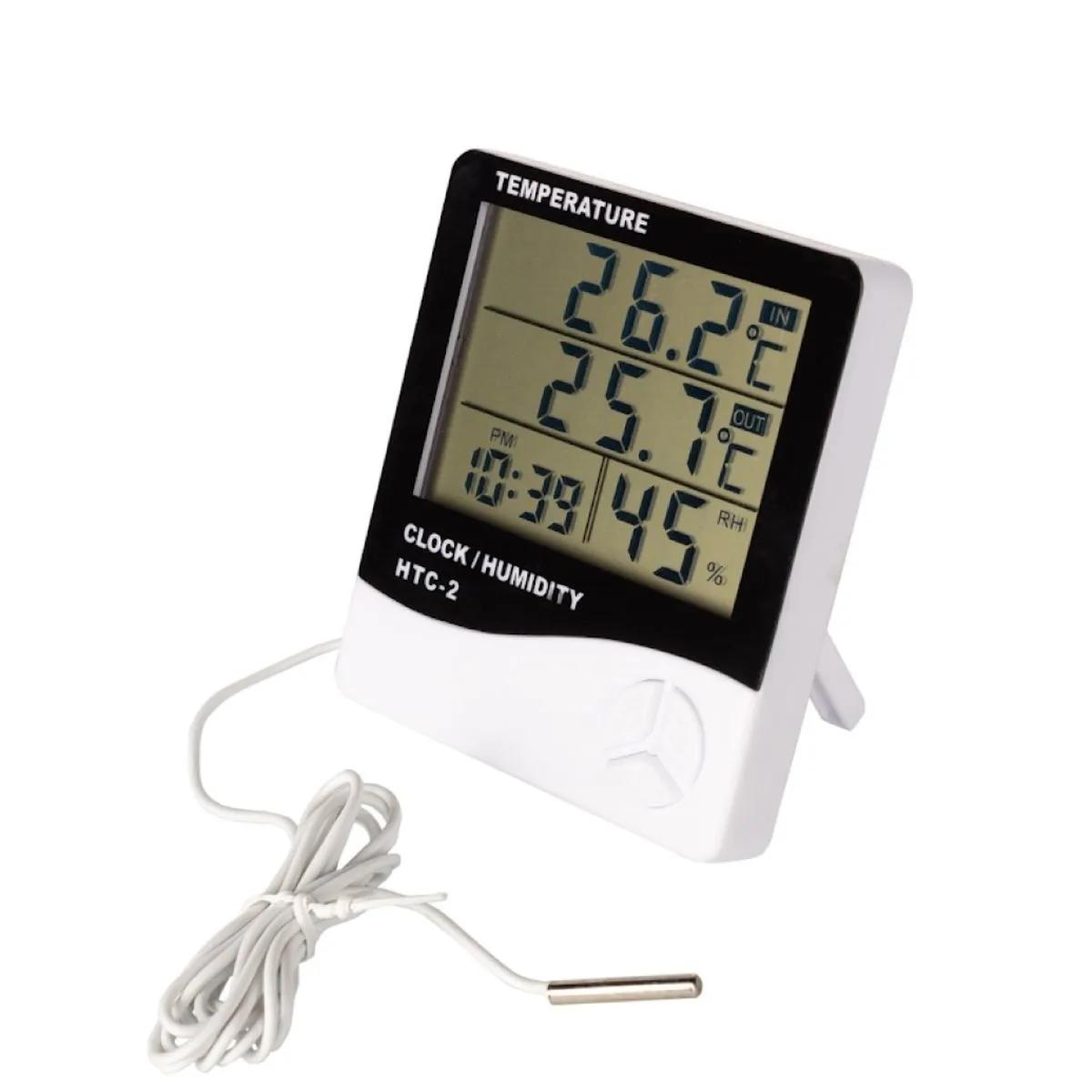
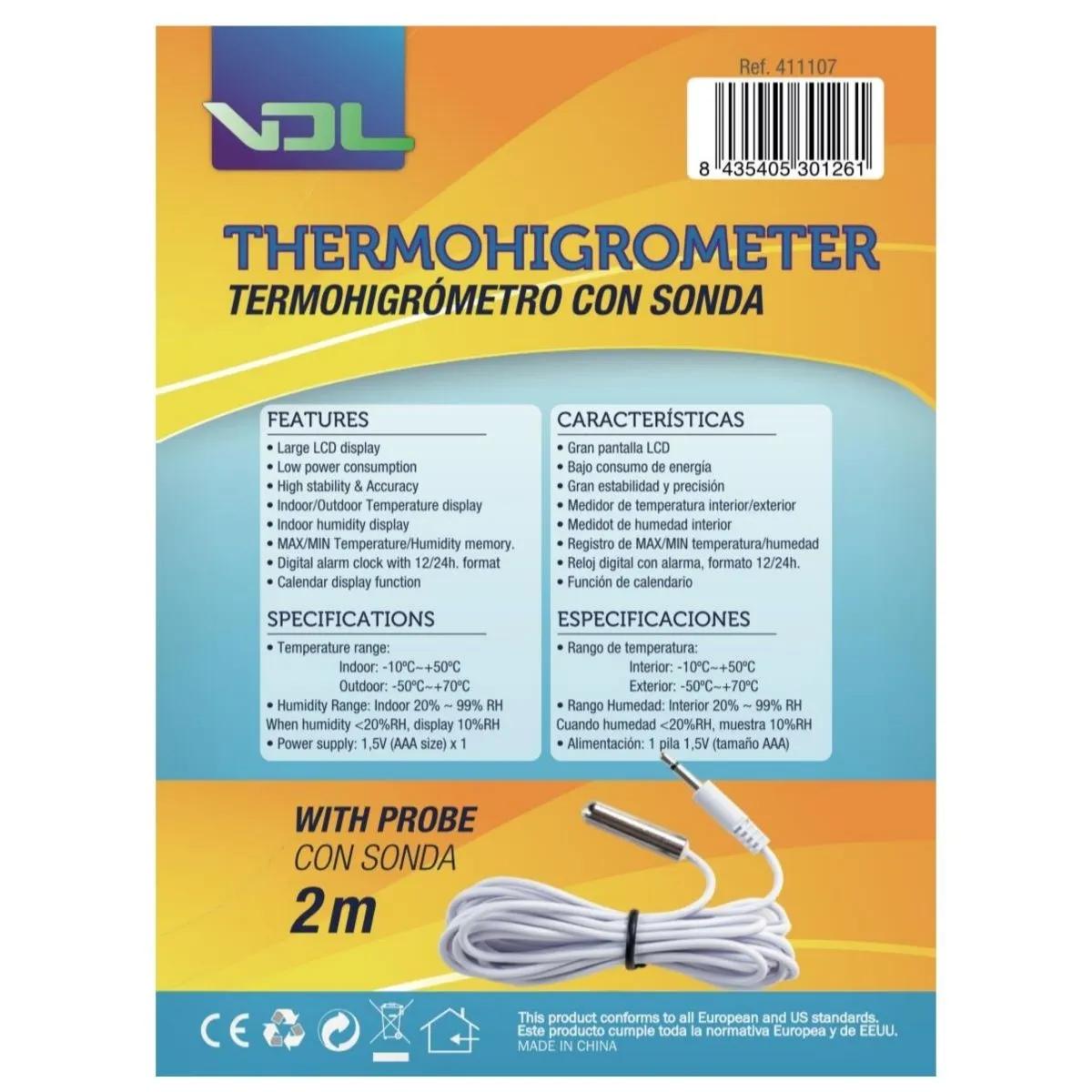
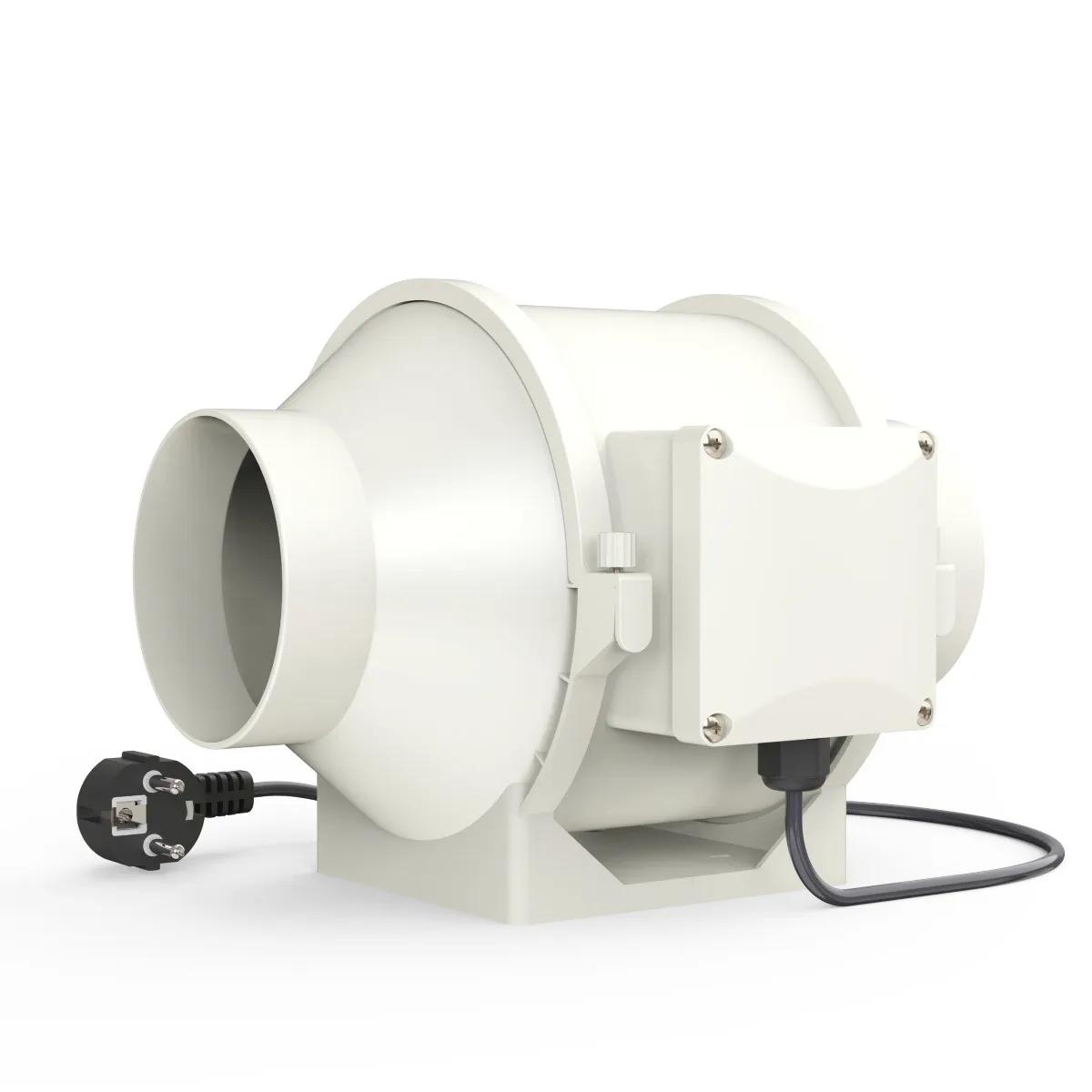
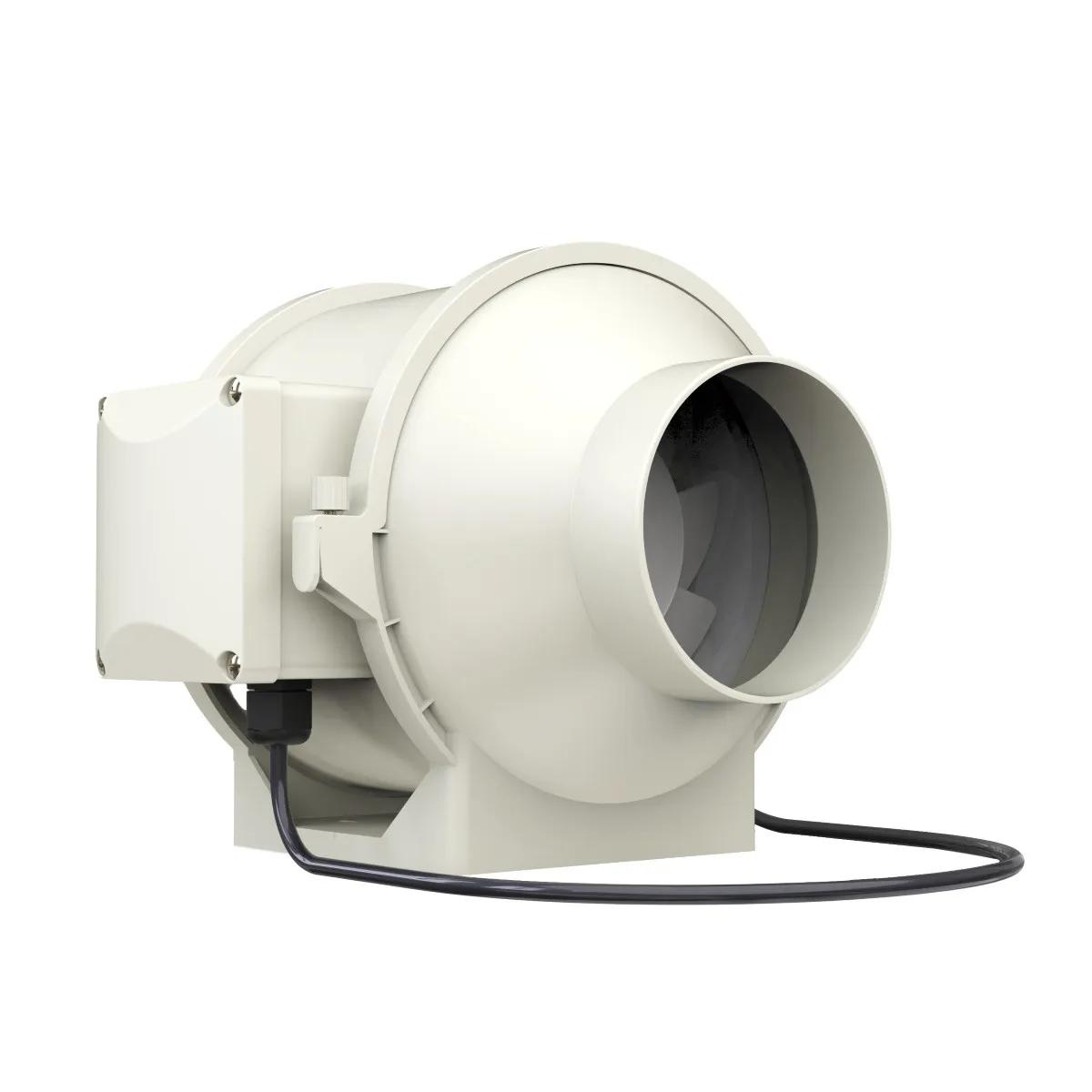
Complete your climate control setup with an inline duct fan and carbon filter to manage airflow without venting all that fresh CO2 straight out of the tent. A thermometer/hygrometer combo lets you monitor conditions — CO2 enrichment works best when temperature sits between 25–30°C and humidity stays in check. If you're running a tent smaller than 80 x 80 cm, look at CO2 bags as a lighter-duty alternative.
Here's what actually happens in a sealed tent without supplemental CO2: your plants photosynthesize at full speed for the first 20–30 minutes after lights-on, then hit a wall. CO2 levels drop below 350 ppm, stomata start closing, and growth rate plummets. You're paying for 12–18 hours of light but getting peak photosynthesis for a fraction of that time. It's like running a car engine with a clogged air filter — everything else can be perfect, but without enough air, the system underperforms.
The CO2 Box addresses this directly. A steady release of CO2 throughout the light cycle keeps concentrations elevated, so your plants can actually use all that light energy you're feeding them. We've had customers come back genuinely surprised at the difference — not a subtle tweak, but visibly thicker stems and noticeably bushier canopies within a single growth cycle. The box itself is dead simple: no tubes to connect, no valves to calibrate, no electricity bill to worry about. It sits in the tent and does its job quietly.
One honest limitation: the 3-week lifespan means you'll go through multiple boxes during a full grow cycle. Budget accordingly. For a standard 8–10 week flowering period, you're looking at roughly 3 boxes. It's a recurring cost, but still cheaper than a full bottled CO2 rig when you factor in the regulator, solenoid, and sensor.
The number one mistake we see? Growers adding CO2 to an underpowered setup. If you're running a single CFL or a budget 100W LED, extra CO2 won't do much — your plants can't use carbon they don't have the light energy to fix. CO2 supplementation pays off when your lighting is already strong (400W+ HPS, or a quality LED pulling 200W+ from the wall in a 120x120 space). Get the light right first, then add CO2.
The second most common question: "Can I use this with my extraction fan running full blast?" Technically yes, but you're fighting yourself. A fan pulling 300 m³/h out of a 120x120x220 tent replaces the entire air volume roughly every minute. That's faster than the CO2 Box can replenish. Turn your extraction down, or run it intermittently with a fan speed controller or thermostat. You want fresh CO2 to linger around the canopy, not get sucked straight out.
Approximately 3 weeks of continuous CO2 production during light hours. After that, the biological culture inside is exhausted and you'll need a replacement. For a full flowering cycle, plan on 3 boxes.
No. The CO2 Box generates carbon dioxide through a natural biological process — no power cables, no batteries, no moving parts. Just place it in your tent and it works.
A single CO2 Box covers spaces up to 120 x 120 x 220 cm. For larger rooms, use two boxes spaced apart for even CO2 distribution across the canopy.
No. Plants only use CO2 during photosynthesis, which requires light. Running it in the dark wastes output. Place it so it operates during your light cycle and save the remaining lifespan for when it counts.
Yes, but turn your extraction down or run it on a thermostat. A fan running at full speed replaces tent air faster than the box can enrich it. Intermittent extraction keeps CO2 levels elevated while still managing heat.
At 1500 ppm, CO2 is well below levels that cause discomfort in humans (typically above 5000 ppm for prolonged exposure). You might notice slightly stuffy air if you're working inside the tent for extended periods, but brief visits for watering and maintenance are no concern at all.
It's not strictly necessary for a single-tent setup, but a CO2 meter lets you confirm levels are actually elevated and helps you fine-tune your ventilation schedule. If you're investing in CO2 enrichment, a meter costing a few tens of euros removes the guesswork.
Last updated: April 2026