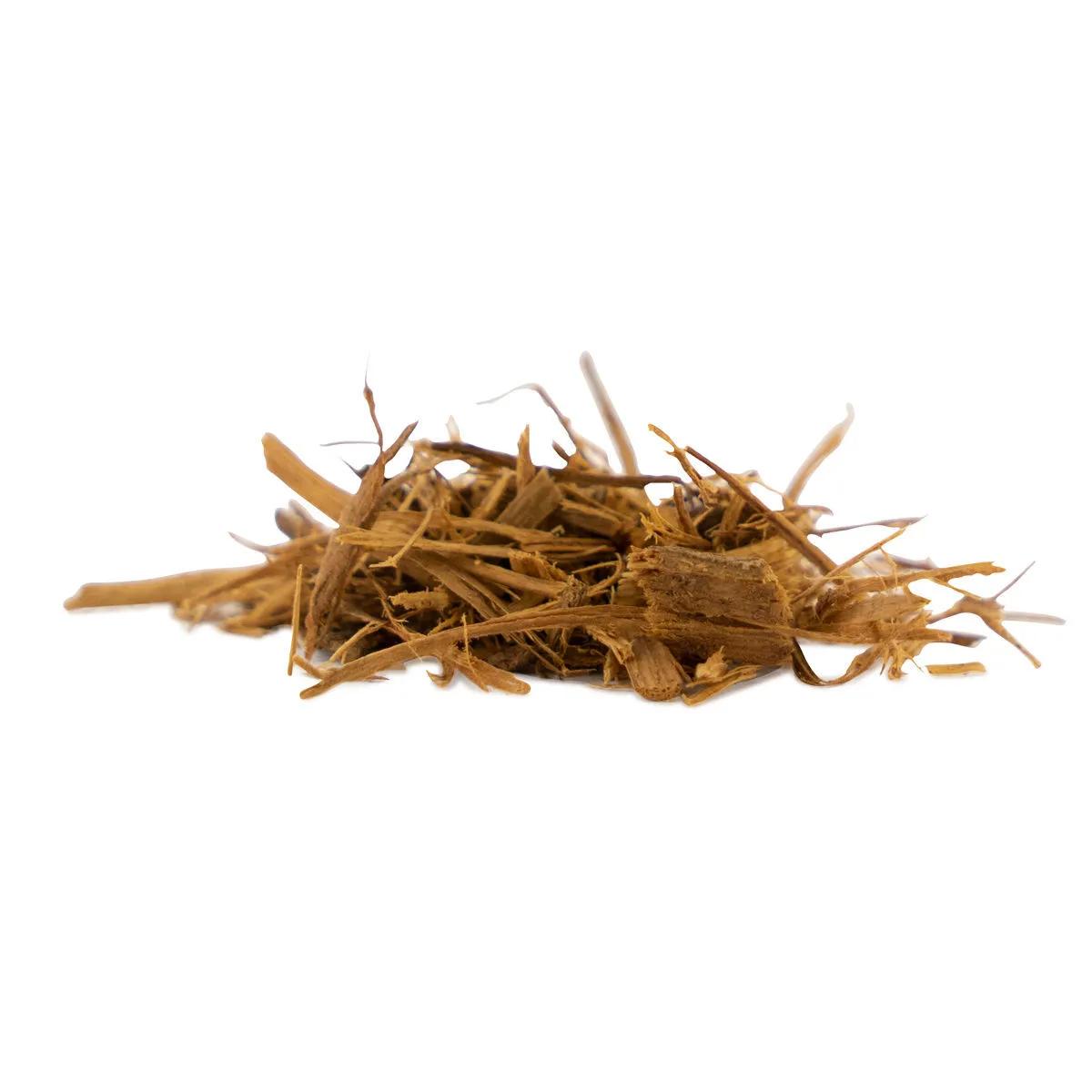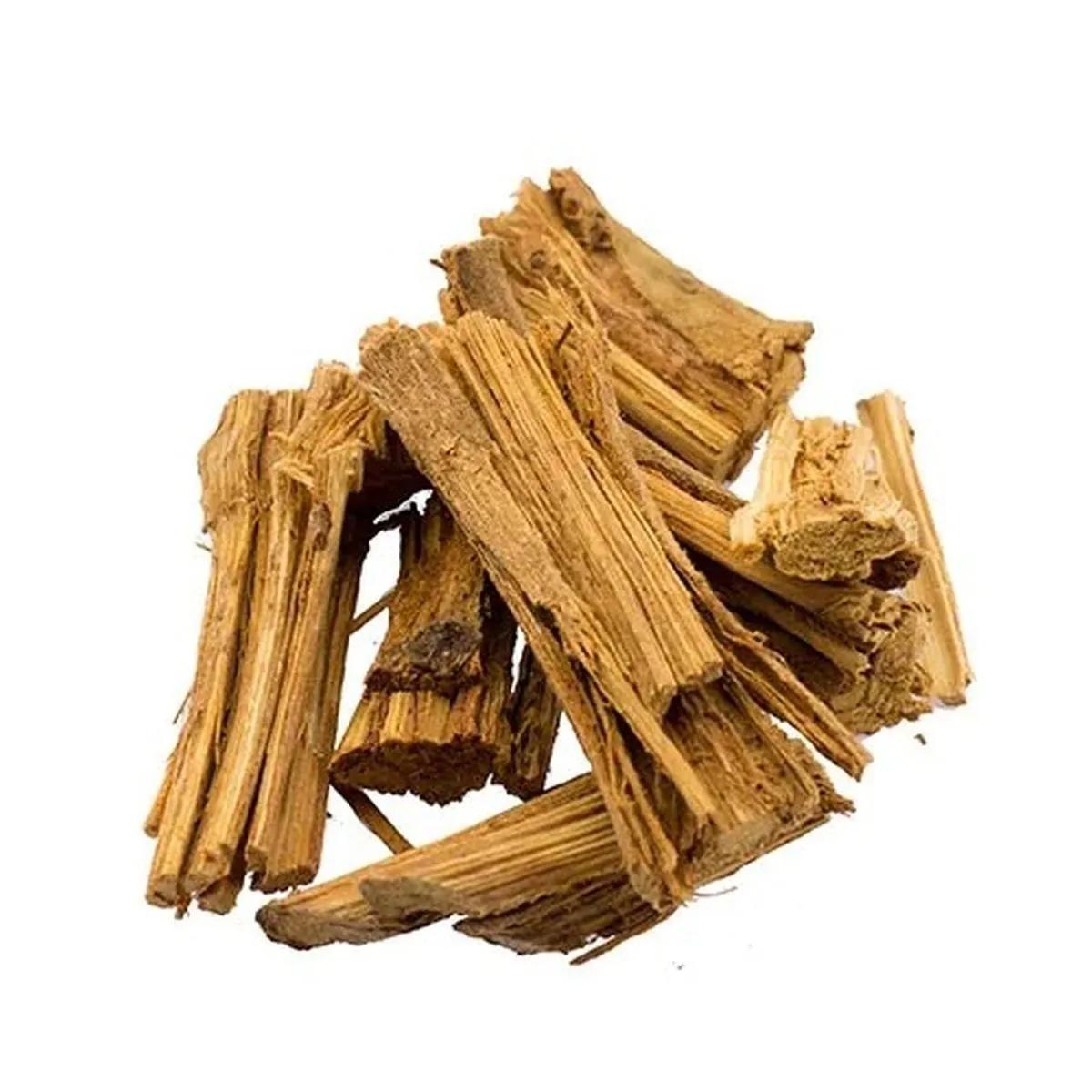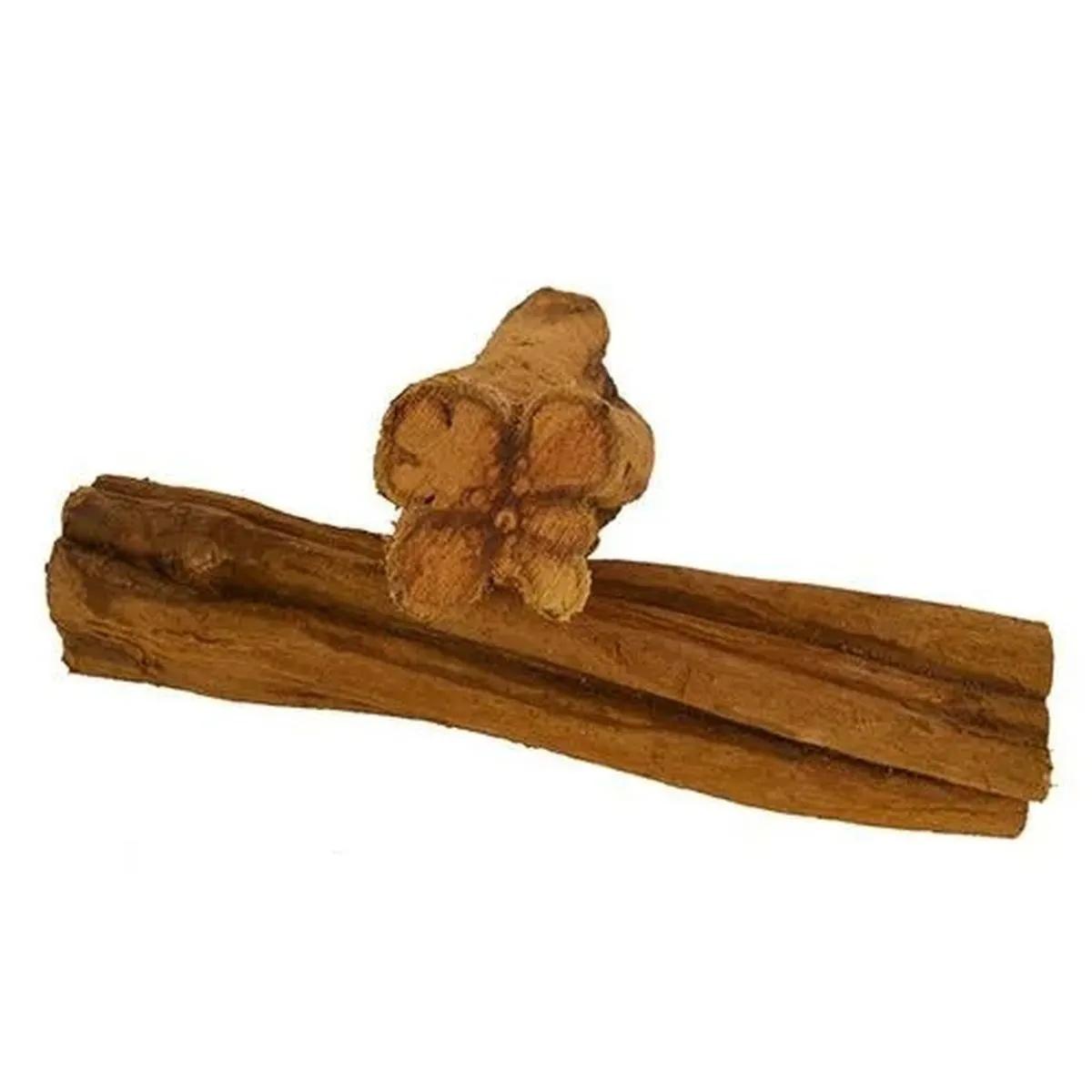
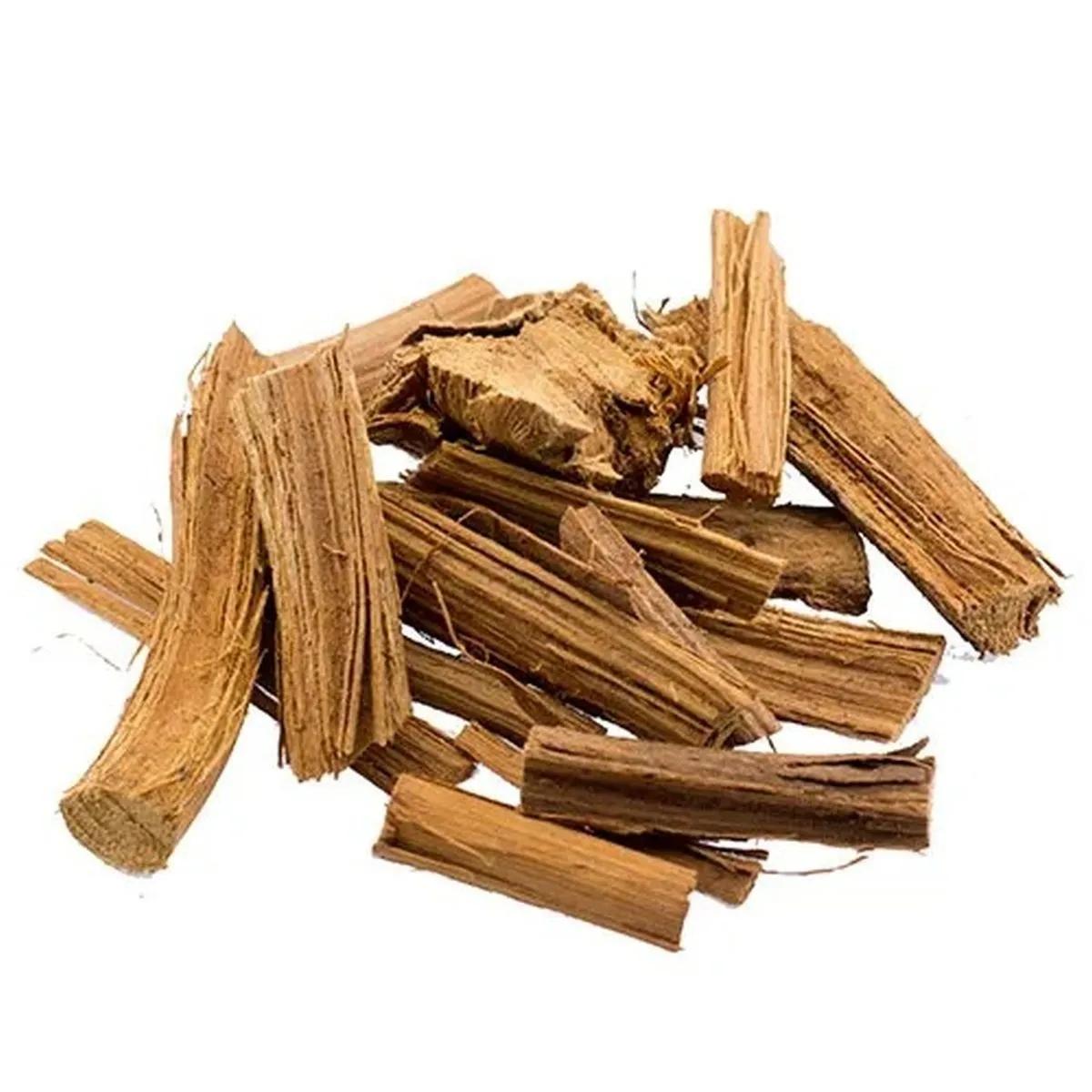
Banisteriopsis caapi Red (Caapi Rojo) is a sacred Amazonian vine traditionally used by indigenous communities of the upper Amazon as a central ingredient in ethnobotanical preparations. This 50g pack of the red variety arrives as shredded or whole leaves — the same material ethnobotanists and collectors have been studying for decades. Red caapi is one of several recognised varieties (alongside yellow, black, and white), each prized by different lineages for its own character.
Why Caapi Rojo sits apart from the other varieties
The red variety is one of four colour-named caapi cultivars recognised by Amazonian curanderos, each with its own reputation in traditional practice. Caapi Rojo is associated with strength, vitality, and what indigenous practitioners describe as "inner power" — the red hue of the bark giving the variety its name and its symbolic weight. Botanically, all four colours are the same species (Banisteriopsis caapi), but growers in Peru, Ecuador and Brazil have selected and named these strains over generations the way wine regions name their grapes.
This pack is leaf material, not vine or resin — useful to know if you're comparing it to the other items in our caapi range. Leaves are lighter, lower in alkaloid content than the bark and woody stem, and have historically been used in admixture, ornament, and study rather than as the primary brewing material. If you want concentrated material, the Banisteriopsis caapi Resin 15x is a different product entirely. If you want raw vine, that's the standard Banisteriopsis caapi listing. This one is leaves, red strain, 50 grams.
Which Banisteriopsis caapi variety fits which collection
Choosing between the colour varieties comes down to what tradition or lineage you're studying, not "potency" in any reliable sense. Here's how the four sit alongside each other in our catalogue:
| Variety | Traditional association | Typical use in ethnobotanical study |
|---|---|---|
| Red (Caapi Rojo) | Strength, vitality, transformation | Comparative leaf studies, collection pieces |
| Yellow (Caapi Amarillo) | Clarity, healing lineages | One of the most commonly cited cultivars in literature |
| Black | Depth, ceremonial gravity | Less common, often more expensive |
| White / Cielo | Lightness, visionary character | Highly regarded in some Peruvian traditions |
If you're building a reference collection of caapi cultivars, the red leaves are a good complement to the standard vine — different plant part, different colour strain, easy to store flat.
What's in the 50g pack
You get 50 grams of Banisteriopsis caapi Red leaf material, supplied as either shredded or whole leaves depending on the batch. Two SKUs (SM0915, SM0916) cover the same product across batches — both are 50g, both are red strain, both are wild-harvested from the Amazon basin. The leaves are dried and packed flat for storage.
| Spec | Value |
|---|---|
| Botanical name | Banisteriopsis caapi |
| Variety | Red (Caapi Rojo) |
| Plant part | Leaves (shredded or whole) |
| Weight | 50 grams |
| Origin | Amazon basin |
| Family | Malpighiaceae |
| Form | Dried botanical |
| Intended use | Ethnobotanical study, collection |
From our counter: storage and handling
Dried caapi leaves keep well if you treat them like any other dried botanical — airtight container, away from direct sunlight, away from kitchen humidity. We get asked about shelf life a lot; properly stored, the leaves hold their character for years. The one honest limitation: leaf material is lighter than the woody vine, so 50g looks like more volume than the same weight of bark. Don't be alarmed when the bag arrives — that's normal for leaf product.
The smell is faintly earthy, slightly grassy, nothing dramatic. If your pack smells musty or damp on arrival, that's a flag — get in touch. A healthy batch smells like dried tea leaves with an undertone of jungle.
How to handle this material
- Open the pack and check the leaves are dry and intact — a faint earthy scent is normal, mustiness is not.
- Transfer to an airtight jar or resealable pouch for long-term storage.
- Keep away from direct sunlight, heat sources, and humidity.
- Label the jar with the strain (Red) and the date you opened it — useful if you keep multiple caapi varieties side by side.
- For ethnobotanical reference work, photograph the leaves before storage; the red colouration fades slightly over time.
Building a complete caapi reference set? Pair this with the standard Banisteriopsis caapi vine to compare leaf and bark from the same species, or add the Banisteriopsis caapi Yellow 50 grams to compare the two most-cited colour cultivars side by side. For concentrated material, the Banisteriopsis caapi Resin 15x sits at the other end of the spectrum.
Frequently Asked Questions
What's the difference between red, yellow, black and white caapi?
All four are the same species (Banisteriopsis caapi) but are recognised by Amazonian curanderos as distinct cultivars, each with its own traditional association — red for strength, yellow for clarity, black for depth, white for lightness. The differences are real to practitioners but not consistently documented in peer-reviewed botany.
Is this the leaves or the vine?
This pack is leaves — shredded or whole, depending on the batch. If you want the woody vine, that's the standard Banisteriopsis caapi listing. If you want concentrated extract, look at the Resin 15x. Leaves, vine and resin are three different product formats from the same plant.
Where does this caapi come from?
Wild-harvested from the Amazon basin, the natural range of Banisteriopsis caapi. Specific harvest location varies by batch — the species grows across Peru, Ecuador, Colombia and Brazil, and red strain material typically comes from established ethnobotanical suppliers in those regions.
How should I store the leaves?
Airtight container, cool, dark, dry. Treat it like any quality dried botanical. Stored properly, the leaves hold their colour and aroma for years. Sunlight will fade the red colouration faster than anything else, so a tin or an opaque jar beats clear glass.
Are MAOIs present in the leaves?
Banisteriopsis caapi is the plant most-studied for its beta-carboline alkaloids (harmine, harmaline, tetrahydroharmine), which act as monoamine oxidase inhibitors. Alkaloid concentration is highest in the vine and bark, lower in the leaves. Anyone studying caapi material should be aware that MAOIs interact with many medications — particularly SSRIs and other serotonergic drugs (Riba et al., 2003).
Why two different SKUs for the same product?
SM0915 and SM0916 are both 50g of red caapi leaves — the two SKUs reflect different supplier batches over time. The product spec is identical; you'll receive whichever batch is currently in stock.
Last updated: April 2026