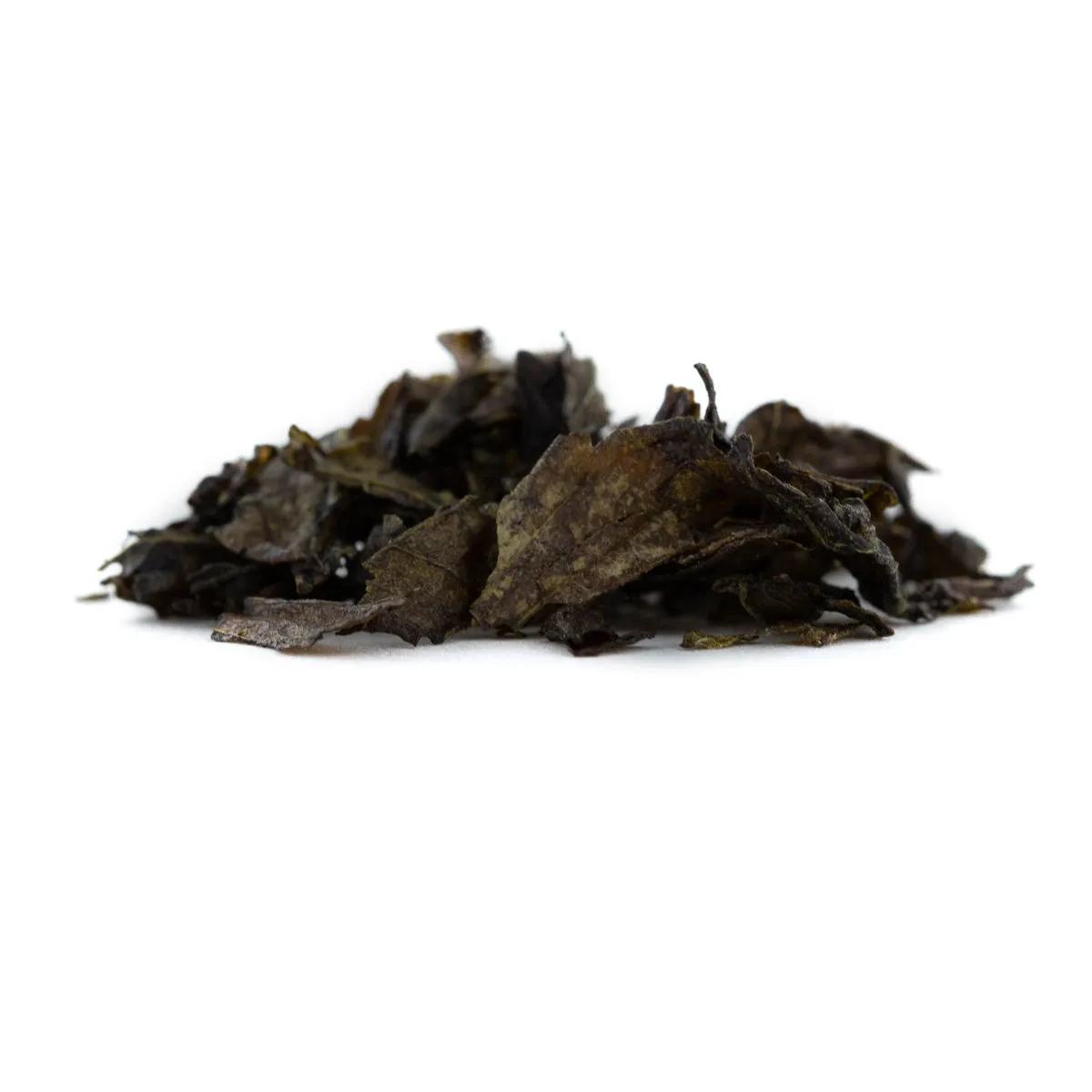
Calea Zacatechichi
by Unbranded
Calea zacatechichi 10x extract is a concentrated botanical preparation made from the leaves of Calea zacatechichi (also classified as Calea ternifolia), a shrub native to southern Mexico. One gram of this 10x extract represents the concentrated equivalent of ten grams of dried leaf material, giving you a potent, compact dose of the plant the Chontal people of Oaxaca have used in dream divination practices for centuries. If you're serious about exploring your dreamscape, this is where you start.
This 10x extract packs ten times the plant material into a single gram, which means you need far less product per session compared to raw dried leaf. The bitterness — and we mean genuinely, eye-wateringly bitter — is also reduced in volume, though not in intensity. You're getting a concentrated dose of the active compounds without having to choke down a full mug of what might be the most unpleasant tea you'll ever taste.
The Chontal (Zoque-speaking indigenous people of Oaxaca, Mexico) have a long tradition of using calea zacatechichi before sleep to receive divinatory messages through dreams. According to WebMD, calea zacatechichi is a shrub used by native peoples of Mexico to increase dreams and for its effects on sleep imagery (WebMD). That traditional use is what put this plant on the map for modern oneironauts — people who actively work with their dream states.
Compared to raw dried calea zacatechichi leaf, which you'd typically need 3–10 grams of for a tea, this 10x extract lets you work with just a fraction of a gram. That's a meaningful difference when you're dealing with something this bitter. If you've tried the dried herb before and couldn't stomach it, the extract is the better route — same plant, less volume in your cup.
The chemistry behind this dream herb involves several compound groups that researchers have identified in the plant material. Each pack contains 1 gram of 10x calea zacatechichi extract, concentrating these compounds into a usable dose.
| Compound | Type |
|---|---|
| Calaxin and Cilarin | Sesquiterpenes |
| Germacranolides | Sesquiterpene lactones |
| Caleochromene A and B | Chromenes |
| Calein A and B | Germacranolide lactones |
| Caleicine I and II | Acylated flavonoids |
According to a neuropharmacological study published in PMC, researchers characterised the neuropharmacological and antinociceptive effects of the aqueous extract of C. zacatechichi in vivo, identifying measurable activity in the central nervous system (PMC4863909). A separate study examined the dichloromethane extract of calea zacatechichi and characterised its effects on biological systems (PMC4561081). The research is still in early stages — nobody's cracked exactly which compound is responsible for the dream effects — but the sesquiterpene lactones and chromenes are the leading candidates.
| Specification | Detail |
|---|---|
| Product | Calea Zacatechichi 10x Extract |
| Botanical Name | Calea zacatechichi (syn. Calea ternifolia) |
| Extract Ratio | 10:1 (10 grams leaf per 1 gram extract) |
| Pack Contents | 1 gram |
| Form | Powdered extract |
| Origin | Mexico (Oaxaca region) |
| SKU | SM0133 |
| Key Compounds | Sesquiterpenes, germacranolides, chromenes |
| Taste | Intensely bitter |
| Preparation | Tea infusion or capsule |
Pair this with Mugwort (Artemisia vulgaris) for a layered approach to dream work — mugwort has its own long tradition of use before sleep and complements calea zacatechichi well. If you want to explore other oneirogens, Blue Lotus (Nymphaea caerulea) is another popular choice among our customers working with dream states. Both are available in our smartshop.
We've carried calea zacatechichi in various forms since the early days of the shop, and the 10x extract consistently outsells the dried leaf. The reason is simple: practicality. Raw calea leaf requires you to brew 3–10 grams into a tea that tastes like someone boiled a car tyre in grapefruit peel. With the 10x extract, you're working with a fraction of a gram — still bitter, but at least you're not gagging on a full mug.
The honest limitation here: calea zacatechichi doesn't work for everyone, and when it does work, it's subtle. This isn't a switch you flip. Most people who get results report them after consistent use over several nights, not from a single session. According to Healthline, more human research examining the herb's direct effects is needed before any firm conclusions can be drawn (Healthline). We've heard hundreds of customer reports over the years — some people swear by it, others notice nothing. If you're the type who already remembers dreams most mornings, you're more likely to notice a difference.
The other thing worth knowing: nausea is a reported side effect, particularly at higher amounts. If your stomach is sensitive, start at the lower end of observed research doses and take it with a small amount of food — not a full meal, just enough to buffer your gut. According to a safety evaluation published in PMC, the safety profile of Calea ternifolia used in traditional contexts warrants further study, as there is a trend to use medicinal plants without fully established safety data (PMC6944969).
We get asked about calea zacatechichi at least a few times a week, and the conversation usually goes the same way. Someone's read about lucid dreaming online, they want to try it, and they want to know if this stuff actually works. Here's what we tell them: it's not magic, it's a tool. The Chontal people who've used this plant for generations didn't just drink the tea and wait — they had an entire ritual practice around it, including intention-setting and specific sleeping positions. The plant was one part of a larger system.
The customers who report the strongest results are almost always people who already have some kind of dream practice — journalling, reality checks during the day, meditation before sleep. Calea zacatechichi seems to amplify what's already there rather than creating something from nothing. If you've never remembered a dream in your life and expect this extract to suddenly give you full cinematic narratives, you might be disappointed. But if you're already working on dream recall and want to push it further, this is one of the most interesting tools available.
One more thing we've noticed over the years: the bitterness isn't just an inconvenience. Some ethnobotanical researchers believe the bitter taste itself may play a role in the plant's traditional use, as bitter compounds can affect the nervous system. Whether that's true or not, we can confirm that the taste is genuinely memorable. Consider yourself warned.
According to an evaluation published in PMC, toxicology studies on C. zacatechichi using in vivo model systems have demonstrated some biological activity, though specific endpoints like nephrotoxicity require further investigation (PMC5040790). A further study on related Calea species noted that toxicological studies are needed to ensure the safe and rational use of species from this genus (PMC12716012).
Reported side effects from various sources include nausea, grogginess the following morning, and occasional digestive discomfort. According to WebMD, there is currently limited information available on drug interactions with calea zacatechichi (WebMD). If you're taking any medication — particularly CNS depressants, sedatives, or MAOIs — speak with a healthcare professional before combining them with this extract. Not because we're being overly cautious, but because the interaction data simply doesn't exist yet, and that gap in knowledge is itself a reason for care.
Traditionally, the Chontal people of Oaxaca used calea zacatechichi to induce vivid and memorable dreams for divinatory purposes. Modern users report increased dream vividness and recall, particularly after several nights of consistent use. Research is still limited — according to Healthline, more human studies are needed before definitive conclusions can be drawn.
Observed ranges in ethnobotanical and vendor literature suggest 100–400 mg of a 10x extract, taken 30–60 minutes before sleep. A milligram scale is critical for accurate dosing with a concentrated extract. Start at the lower end and adjust over subsequent sessions based on your response.
The bitterness comes from the sesquiterpene lactones and germacranolides — the same compounds believed to be responsible for the plant's effects. There's no way around the taste with tea preparation. If you can't handle it, pack the extract into empty capsules instead. You'll skip the bitterness entirely without losing the active compounds.
Nausea and next-morning grogginess are the most commonly reported side effects. These tend to be more pronounced at higher doses. According to a safety study in PMC, the safety profile of Calea ternifolia still requires further investigation. Start low, and avoid combining with other sedating substances.
The 10x extract concentrates ten grams of dried leaf into one gram. You need far less material per session — roughly 100–400 mg of extract versus 3–10 grams of dried leaf. The trade-off is that dosing requires a milligram scale, and the concentrated form is less forgiving if you overshoot. For most people, the extract is more practical.
Smoking concentrated extracts is generally not recommended due to potential irritation of the airways. The traditional Chontal method involved smoking the dried leaf, not a concentrated extract. If you want to try inhalation, stick with the raw dried herb rather than the 10x extract. Tea or capsules are the most common and practical routes for this product.
Most users take it 30–60 minutes before bed. Some people notice effects on the first night; others need 3–5 consecutive nights of use before dream recall noticeably increases. Keeping a dream journal is the single biggest factor in getting results — the herb amplifies what you're already paying attention to.
Last updated: April 2026
Medical disclaimer. This content is for informational purposes only and does not constitute medical advice. Consult a qualified healthcare provider before use of any substance.