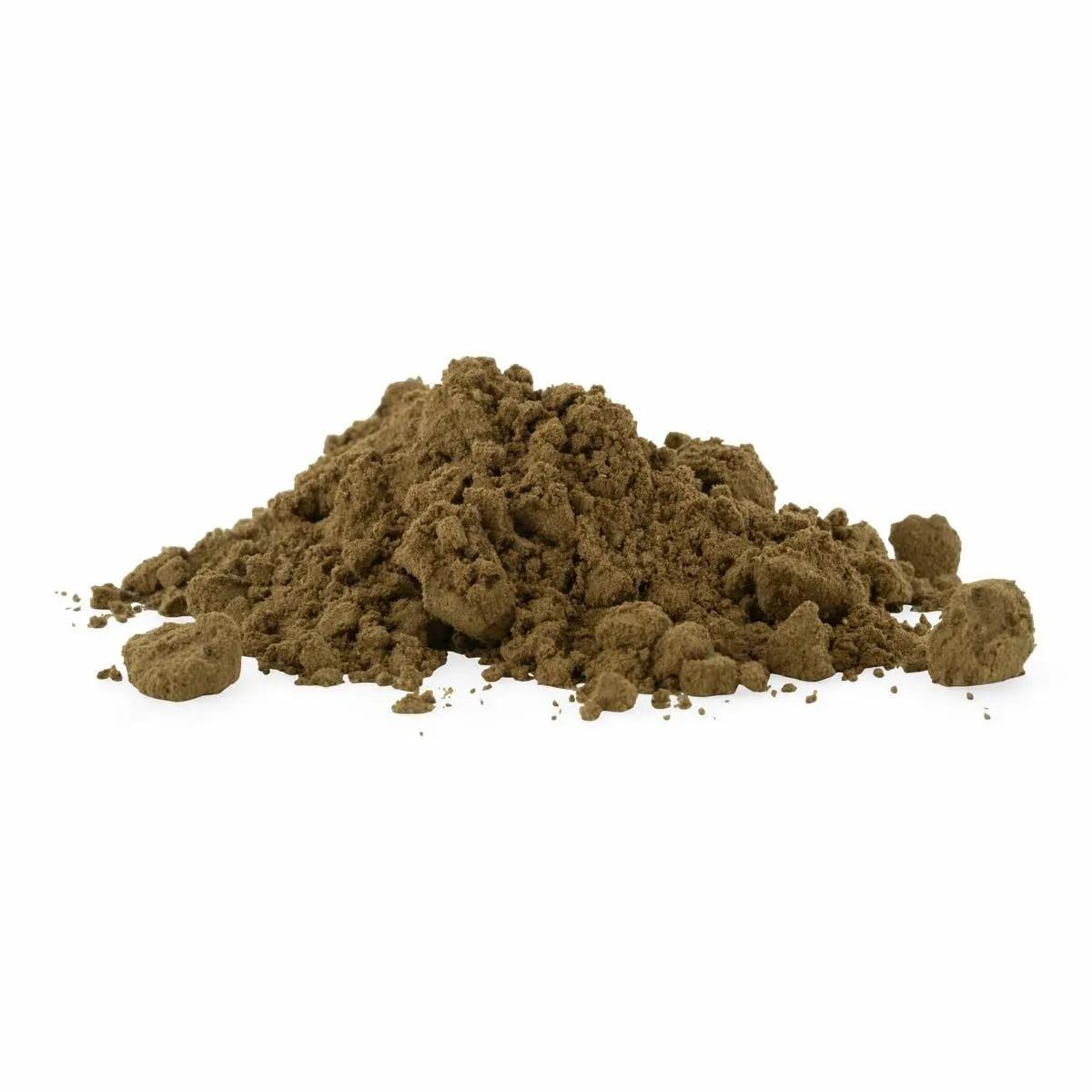
Functional mushrooms
by Holy Flavour
7 Mushrooms Organic Mix is a certified organic powdered blend of seven functional mushroom species — chaga, cordyceps, maitake, lion's mane, reishi, shiitake, and snow fungus (Tremella fuciformis) — designed to deliver a broad spectrum of mushroom-derived nutrients in a single daily teaspoon. Rather than buying seven separate bags and cluttering your kitchen shelf, this mix gives you the lot in one pouch. No fillers, no sugars, no fats — just dried, powdered fruiting bodies.
Each species in this blend brings its own profile of bioactive compounds — beta-glucans, polysaccharides, triterpenes, and vitamins — and they've been selected to cover a wide range of traditional uses. Here's what you're working with:
| Mushroom | Latin Name | Traditional Use |
|---|---|---|
| Chaga | Inonotus obliquus | Antioxidant-rich; used in Siberian and Northern European folk medicine for centuries |
| Cordyceps | Cordyceps militaris | Traditionally used in Chinese medicine; associated with energy and stamina |
| Maitake | Grifola frondosa | Japanese "dancing mushroom"; traditionally linked to immune function |
| Lion's Mane | Hericium erinaceus | Traditionally used for cognitive support in East Asian practices |
| Reishi | Ganoderma lucidum | The "mushroom of immortality" in Chinese tradition; used for general wellness |
| Shiitake | Lentinula edodes | Culinary staple with a long history in Japanese and Chinese medicine |
| Snow Fungus | Tremella fuciformis | Traditionally valued for skin and hydration; reportedly rich in vitamin D |
Snow fungus is a standout here — it's said to contain more vitamin D than many other food sources, which is worth knowing if you live somewhere with limited sunlight for half the year (so, most of Northern Europe). According to a study published in PMC, consuming ultraviolet light-exposed mushrooms may contribute meaningfully to vitamin D intake, and participants in one Japanese trial demonstrated higher scores on cognitive function scales compared to control groups (PMC, 2024).
Functional mushrooms have been studied across a growing body of clinical and preclinical research, though most studies focus on individual species rather than blends. Still, the findings are worth knowing.
According to a review in PMC, medicinal mushrooms contain biologically active constituents that have a beneficial effect on the organism through the improvement of its overall health and nutritional level (PMC, 2023). The same review notes that mushrooms are rich in pharmaceutical and nutritional compounds with a variety of clinical applications (PMC, 2023).
On the immune side, research published in PMC found that while much prior work focused on the solid, beta-glucan-rich fraction of mushrooms, the broader range of compounds — including polysaccharides and smaller molecules — also showed differential immune-activating and anti-inflammatory properties (PMC, 2020). Beta-glucans are the compound most often highlighted in mushroom supplement research, and this blend includes species known to be tested high in beta-glucans when grown on proper substrates.
A clinical trial conducted on 73 obese adults found anti-obesity effects associated with mushroom consumption, according to a review on edible mushrooms as myco-therapeutics (PMC, 2022). And separately, metabolomics profiling of mushroom species identified phytosterols — plant sterols that have cholesterol-lowering properties — as present across multiple edible mushroom types (PMC, 2023).
None of this means a teaspoon of powder will transform your health overnight. But the accumulated research does suggest that regular mushroom intake contributes a meaningful nutritional profile that's hard to replicate with other food groups.
| Spec | Value |
|---|---|
| Ingredients | Chaga, cordyceps, maitake, lion's mane, reishi, shiitake, snow fungus |
| Form | Fine powder |
| Serving size | 1 teaspoon (approx. 1g) per day |
| Organic certified | Yes |
| Halal certified | Yes |
| Additives | None — no sugars, fats, or fillers |
| Pesticide compliance | Meets all European production requirements |
| Storage | Cool, dry, dark place after opening |
We've carried single-species mushroom powders for years — lion's mane on its own, reishi on its own, the lot. The question we get most often at the counter is: "Which one should I start with?" And honestly, if you're not chasing one specific thing, a 7-species blend like this is the most practical entry point. You get exposure to the full range of beta-glucans, triterpenes, and polysaccharides without needing to buy and rotate seven separate products.
The powder itself has an earthy, slightly bitter taste — reishi and chaga are the dominant flavours. It's not unpleasant, but it's not something you'd sip neat with enthusiasm. Stirring it into a curry, soup, or strong coffee masks it completely. In a plain glass of water, you'll taste it. That's the honest truth.
One limitation worth flagging: the product doesn't list the exact ratio of each species in the blend. That's common with multi-mushroom mixes, but it means you can't know precisely how many milligrams of, say, lion's mane you're getting per teaspoon. If you want a specific clinical dose of a single species — research on lion's mane typically uses 500–3,000mg daily — you're better off with a standalone extract. This blend is about breadth, not targeted dosing.
Clinical studies on individual mushroom species have used doses ranging from 500mg to 3,500mg daily, depending on the species and the condition being studied. This blend's recommended 1g daily serving falls within the lower end of that range — a reasonable maintenance dose if you're after general nutritional support rather than targeting a specific outcome.
If you find you want to go deeper with a specific species after trying the blend, our standalone Lion's Mane extract and Reishi capsules let you dial up individual doses. Pair the 7 Mushrooms Organic Mix with a good adaptogen tea for a morning ritual that actually does something.
Here's the thing about functional mushrooms: each species has a different profile of bioactive compounds. Reishi is heavy on triterpenes. Lion's mane contains hericenones and erinacines. Chaga is packed with antioxidants. Shiitake delivers lentinan. You could research each one, buy them separately, and rotate through the week — or you could take one teaspoon of a blend that covers all seven in a single scoop.
We've been selling functional mushrooms since well before they became a wellness trend, and the pattern we see is this: people start with a blend, figure out which species they respond to most, and then add a standalone extract of that one on top. The 7 Mushrooms Organic Mix is the best starting point for that process because it gives you the broadest exposure for the least faff.
The organic and halal certifications also matter more than you might think. Mushrooms are bioaccumulators — they absorb whatever is in their growing substrate. Organic certification means the substrate is clean, and European pesticide standards during production add another layer of quality control. You don't want to be concentrating heavy metals alongside your beta-glucans.
Functional mushrooms are biologically active, and some species in this blend have known interactions. Reishi, for instance, may interact with blood thinners (anticoagulant and antiplatelet medications) and antihypertensive drugs. If you're on any prescription medication — particularly blood thinners, diabetes medication, immunosuppressants, or blood pressure medication — speak with your doctor before adding this to your routine. That's not a generic disclaimer; reishi and cordyceps genuinely affect clotting and blood sugar pathways.
Pregnant or breastfeeding? Give this one a miss until you've had a conversation with your healthcare provider. Same goes if you're scheduled for surgery — reishi's potential blood-thinning properties mean most practitioners recommend stopping mushroom supplements at least two weeks before any procedure.
Yes. The recommended serving is one teaspoon daily. This falls within the lower end of dosing ranges used in clinical research on individual mushroom species (500–3,500mg). Consistent daily use is how most traditional practices and modern studies approach functional mushrooms.
Earthy and slightly bitter, with reishi and chaga dominating the flavour. It blends well into coffee, soups, and curries. In plain water, you'll definitely notice it — mixing it into something flavourful is the way to go.
No. None of the seven species in this blend — chaga, cordyceps, maitake, lion's mane, reishi, shiitake, or snow fungus — contain psilocybin. These are strictly functional and culinary mushrooms.
Functional mushrooms are traditionally used across Asian medicine for immune support, energy, and general wellness. According to research published in PMC, their biologically active constituents — including beta-glucans, polysaccharides, and triterpenes — have shown varied clinical applications (PMC, 2023).
Cooking is fine. Mushroom cell walls are made of chitin, and heat actually helps break them down, making nutrients more bioavailable. Stirring the powder into soups, stews, and stir-fries is one of the recommended uses.
Yes. The 7 Mushrooms Organic Mix contains only powdered mushroom fruiting bodies with no animal-derived ingredients. It's also certified organic and halal.
A blend gives you broader nutritional coverage across multiple bioactive compound profiles. Single-species extracts let you target a specific dose of one mushroom — useful if research points you toward, say, 1,000mg of lion's mane daily. The blend is better for general daily use; standalone extracts are better for targeted supplementation.
Last updated: April 2026
Medical disclaimer. This content is for informational purposes only and does not constitute medical advice. Consult a qualified healthcare provider before use of any substance.