Mescaline cacti
by Unbranded
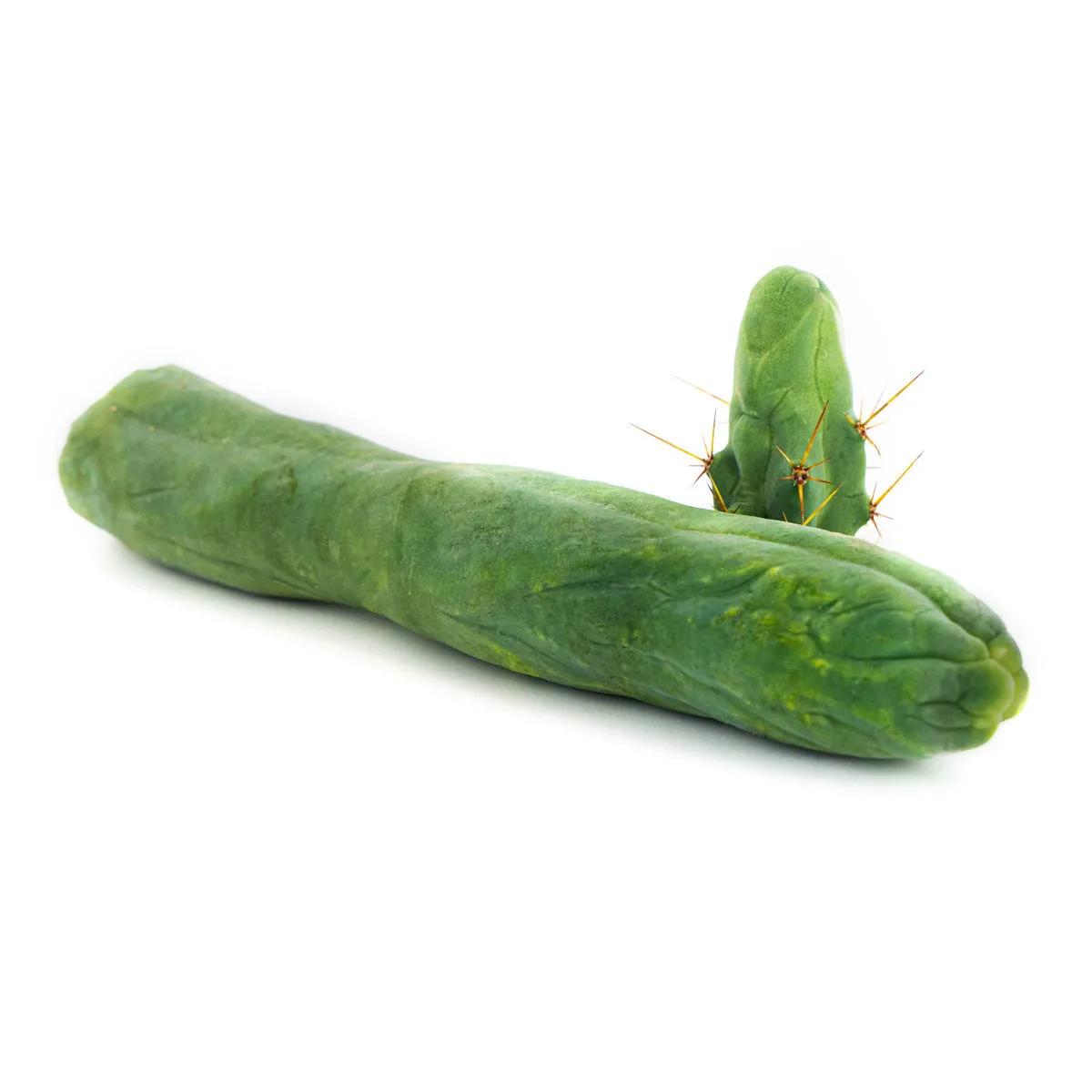
The Bolivian Torch Monstrose is a mutated cultivar of Echinopsis lageniformis (formerly Trichocereus bridgesii) that grows into wildly abnormal, sculptural shapes unlike any standard columnar cactus. Known colloquially as the "penis plant" — and less subtly, "the pornographic cactus" — this monstrose form has become one of the most sought-after collector's cacti in the mescaline cactus world. We stock cuttings from both Clone A and Clone B, the two most widely cultivated TBM varieties.
Both clones are monstrose mutations of Trichocereus bridgesii, but they look and grow differently. Clone A tends to produce shorter, stubbier segments with a smoother skin and that unmistakable anatomical resemblance — some specimens even develop what looks like a urinary meatus at the tip. Clone B grows slightly taller segments with more pronounced ribs and a rougher texture. If you want maximum "is that what I think it is?" reactions from visitors, Clone A is the one. If you want something that still looks gloriously weird but with a bit more vertical growth, go Clone B. Both root well from cuttings and both contain the same active alkaloid profile.
| Trait | Clone A | Clone B |
|---|---|---|
| Growth habit | Short, stubby, smooth | Taller segments, more ribbed |
| Resemblance factor | Extremely anatomical | Weird, but less suggestive |
| Rooting speed | Moderate — callous well before planting | Moderate — similar rooting time |
| Collector demand | Very high | High |
| SKU | SM0067 | SM0068 |
Bolivian Torch Monstrose — abbreviated TBM in collector circles — is a mutated form of the Bolivian torch cactus (Echinopsis lageniformis), a fast-growing columnar species native to the high-altitude deserts of Bolivia. The term "monstrose" in botany refers to an abnormal growth pattern caused by a genetic mutation, which disrupts the plant's normal apical meristem development. Instead of growing in a neat column like its parent species, TBM produces irregular, lumpy, often phallic-looking segments that branch unpredictably.
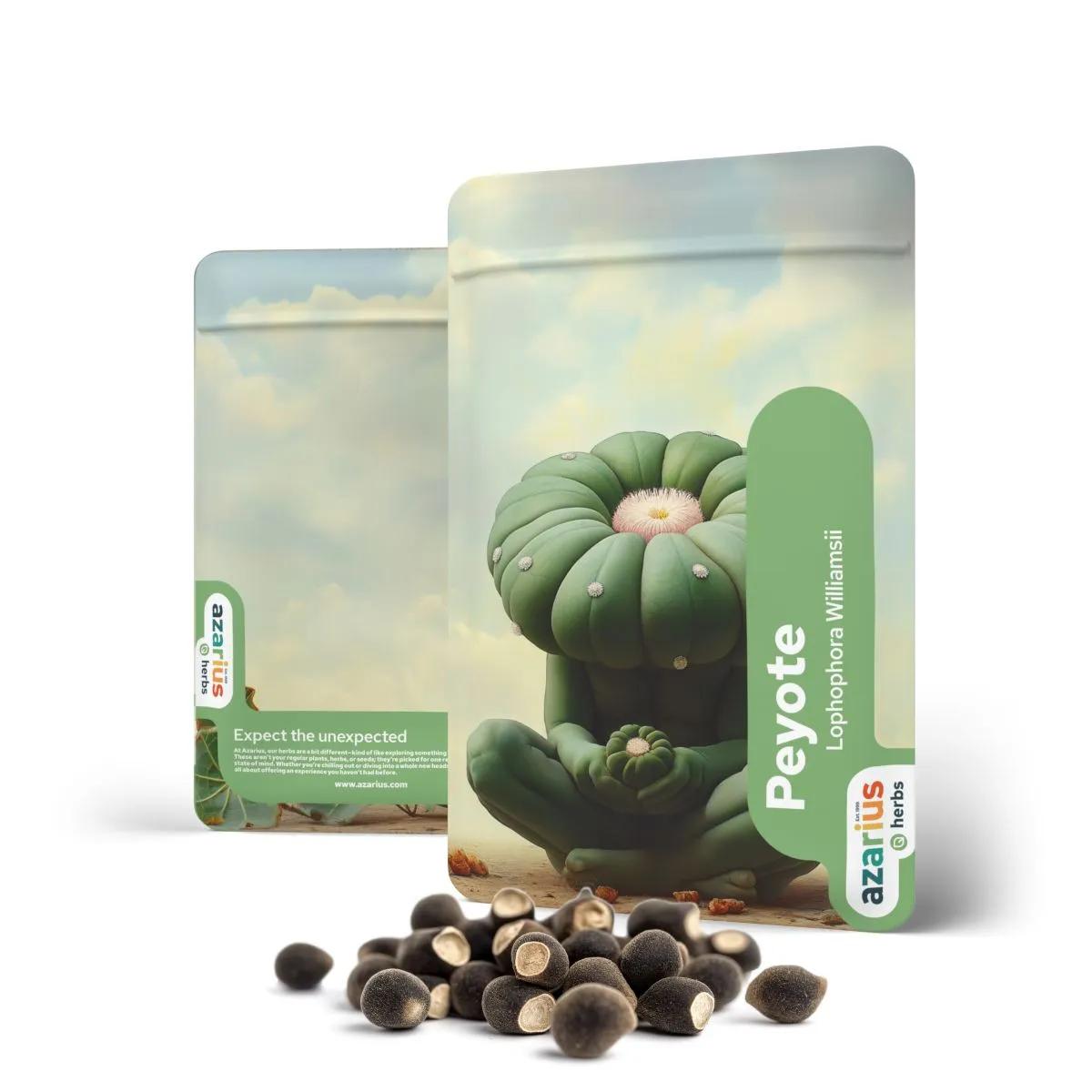
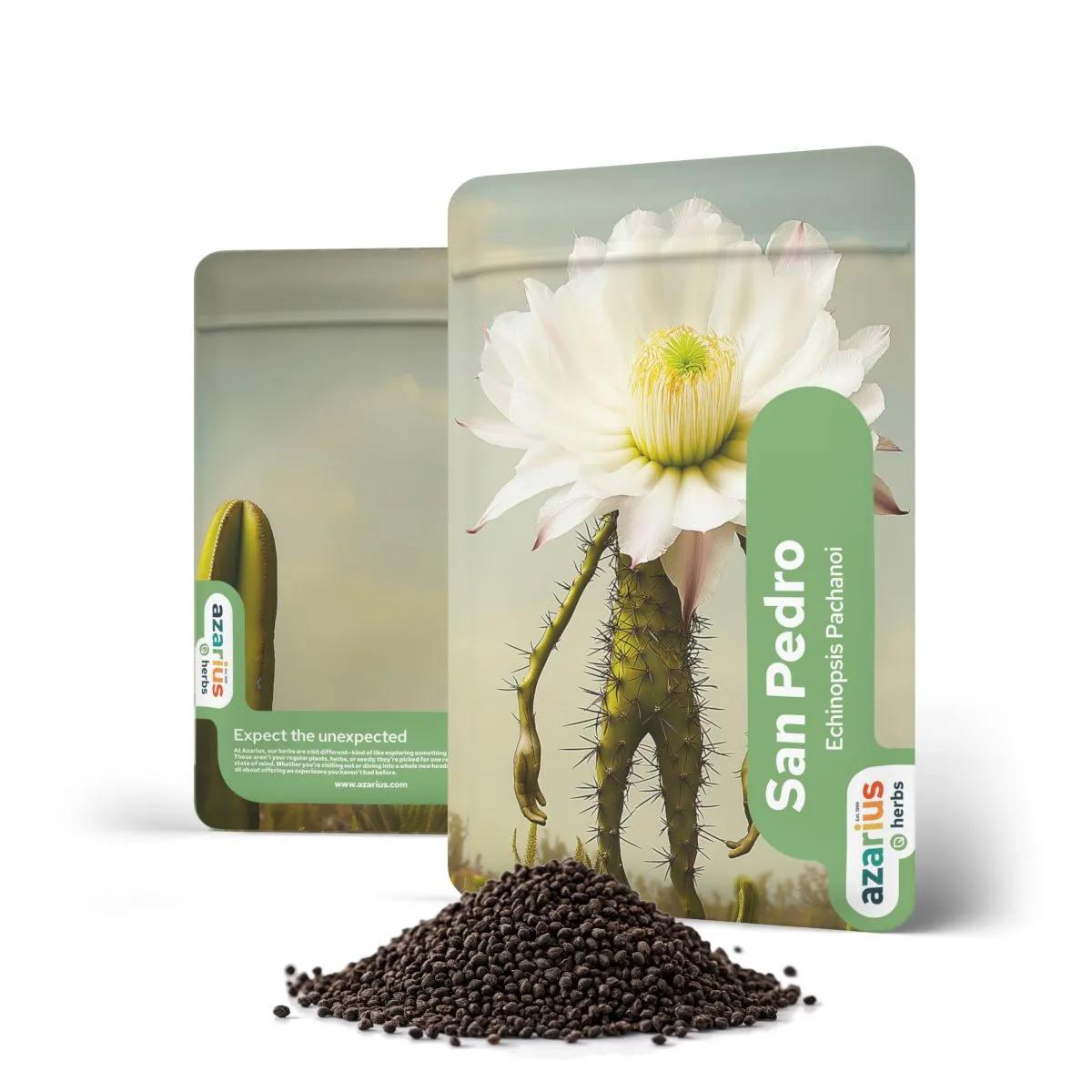
The parent species sits alongside San Pedro (Echinopsis pachanoi) and Peruvian torch (Echinopsis peruviana) as one of the three major mescaline-containing cacti. Dried samples of Echinopsis lageniformis have revealed mescaline concentrations of 0.56%, with some strains exhibiting significantly higher quantities. Mescaline — that's 3,4,5-trimethoxyphenethylamine for the chemistry nerds — is a serotonergic alkaloid that acts on serotonin receptors. The plant also contains several other psychoactive alkaloids beyond mescaline alone.
San Pedro and Peruvian torch get most of the attention, but among serious cactus collectors, TBM has carved out its own niche. It's not just the alkaloid content — it's the sheer visual absurdity of the thing. We've had customers open the package, stare at it for a solid ten seconds, and then burst out laughing. That reaction alone is worth the price of admission.
| Specification | Detail |
|---|---|
| Species | Echinopsis lageniformis (syn. Trichocereus bridgesii) |
| Cultivar | Trichocereus bridgesii monstrose (TBM) |
| Type | Unrooted cutting |
| Available clones | Clone A (SM0067), Clone B (SM0068) |
| Origin | Bolivia — high desert regions |
| Growth type | Monstrose (irregular mutation) |
| Mescaline content (dried, parent species) | 0.56% average; some strains higher |
| Key alkaloid | Mescaline (3,4,5-trimethoxyphenethylamine) |
| Hardiness | Frost-tender — protect below 10°C |
| Light requirement | Full sun to bright indirect light |
| Soil | Well-draining cactus mix with 40-50% perlite or pumice |
Building a mescaline cactus collection? Pair your TBM cutting with a San Pedro cutting or a Peruvian Torch for the full trifecta of mescaline-containing Echinopsis species. A quality cactus soil mix with extra perlite will give your cuttings the drainage they need to root without rotting.
Most mescaline cacti look broadly similar — tall green columns with ribs and spines. They're handsome plants, but after your third or fourth Echinopsis, the shelf starts looking a bit uniform. TBM breaks that pattern entirely. The monstrose mutation means no two specimens grow quite the same way. Some branch into clusters of stubby fingers. Others produce single thick segments that curve and taper in ways that make guests do a double-take. Clone A in particular has earned its "penis plant" nickname honestly — we're not going to pretend otherwise.
Beyond the novelty, there's genuine horticultural interest here. Monstrose mutations are relatively rare in nature, and TBM is one of the most stable and widely propagated examples in the cactus world. It's a conversation piece, a collector's item, and a genuinely interesting plant to grow. The fact that it shares the same alkaloid profile as standard Bolivian torch is the cherry on top.
The one honest limitation: monstrose cacti can be slightly more finicky than their normal-form parents. The irregular growth creates more surface area and crevices where moisture can collect, which increases rot risk if you overwater. They're also slower-growing than a standard columnar Bolivian torch — you're trading speed for character. That said, they're far from difficult. Just give them a bit more attention to drainage and airflow than you would a standard column.
Full sun produces the best growth and the most compact, characterful specimens. In northern Europe, south-facing windowsills or a greenhouse spot during summer months give TBM what it needs. If you're growing under artificial light, aim for at least 2,000 lumens of full-spectrum light for 12-14 hours daily during the growing season.
Soil composition matters more than most growers realise. Standard potting compost retains too much moisture — you want a gritty, fast-draining mix. A 50/50 blend of cactus compost and perlite is the simplest approach. Some growers add coarse sand or pumice for extra drainage. The goal: water should flow through the pot within seconds, not sit on the surface.
Fertilise sparingly during the growing season (April through September in the northern hemisphere). A low-nitrogen cactus fertiliser once a month is plenty. High nitrogen pushes soft, leggy growth that's more vulnerable to rot and pests. Stop feeding entirely during winter dormancy.
The number one killer of monstrose cacti is overwatering. The irregular surface of TBM traps moisture in its folds, and if the soil stays wet for too long, root rot sets in fast. When in doubt, don't water. A slightly thirsty cactus recovers in a day. A rotting one doesn't.
Mealybugs are the most common pest, hiding in the crevices that monstrose growth creates. They look like tiny white cotton tufts. Catch them early and they're easy to manage — a cotton bud soaked in isopropyl alcohol, applied directly to each bug, sorts them out. For larger infestations, a systemic insecticide is more practical.
Sunburn can happen if you move a cutting from shade to full sun too quickly. It shows up as white or brown patches on the skin. The damage is permanent on that section of growth, though the plant will grow past it. Acclimatise gradually over 2-3 weeks to avoid this.
Clone A grows shorter, smoother, stubbier segments with a strong anatomical resemblance — it's the one most people mean when they say "penis plant." Clone B produces taller, more ribbed segments with a rougher texture. Both are monstrose mutations of Echinopsis lageniformis and share the same alkaloid profile.
Slower than a standard columnar Bolivian torch. Expect a few centimetres of new growth per season under good conditions. The monstrose mutation redirects energy into irregular branching rather than vertical height, so patience is part of the deal.
The parent species Echinopsis lageniformis has shown mescaline levels of 0.56% in dried samples, with some strains exhibiting higher concentrations. TBM shares the same genetic background and alkaloid profile as the standard form.
Yes. A south-facing windowsill works well during the growing season. TBM is frost-tender, so indoor growing is actually the safer option in climates where winter temperatures drop below 10°C. Supplement with a grow light if natural light is limited.
Three things: let the cutting callous fully before planting (2-4 weeks minimum), use a very well-draining soil mix with at least 40% perlite, and water only when the soil is completely dry. Terracotta pots help wick away excess moisture. Most rot happens from planting too soon or watering too often.
Because it genuinely looks like one. Clone A in particular produces smooth, rounded segments that bear an uncanny resemblance to certain parts of the human anatomy. Some specimens even develop what appears to be a urinary meatus at the tip. The nickname "pornographic cactus" exists for a reason.
A 50/50 blend of cactus compost and perlite is the simplest effective mix. Some growers add coarse pumice or grit for extra drainage. Standard potting soil holds too much moisture and will cause rot. The key test: water should drain through within seconds.
Mealybugs love the folds and crevices in monstrose growth. For small numbers, dab each bug directly with a cotton bud soaked in isopropyl alcohol. For heavier infestations, a systemic insecticide is more effective. Check your plant regularly — catching them early saves a lot of hassle.
Last updated: April 2026
Medical disclaimer. This content is for informational purposes only and does not constitute medical advice. Consult a qualified healthcare provider before use of any substance.