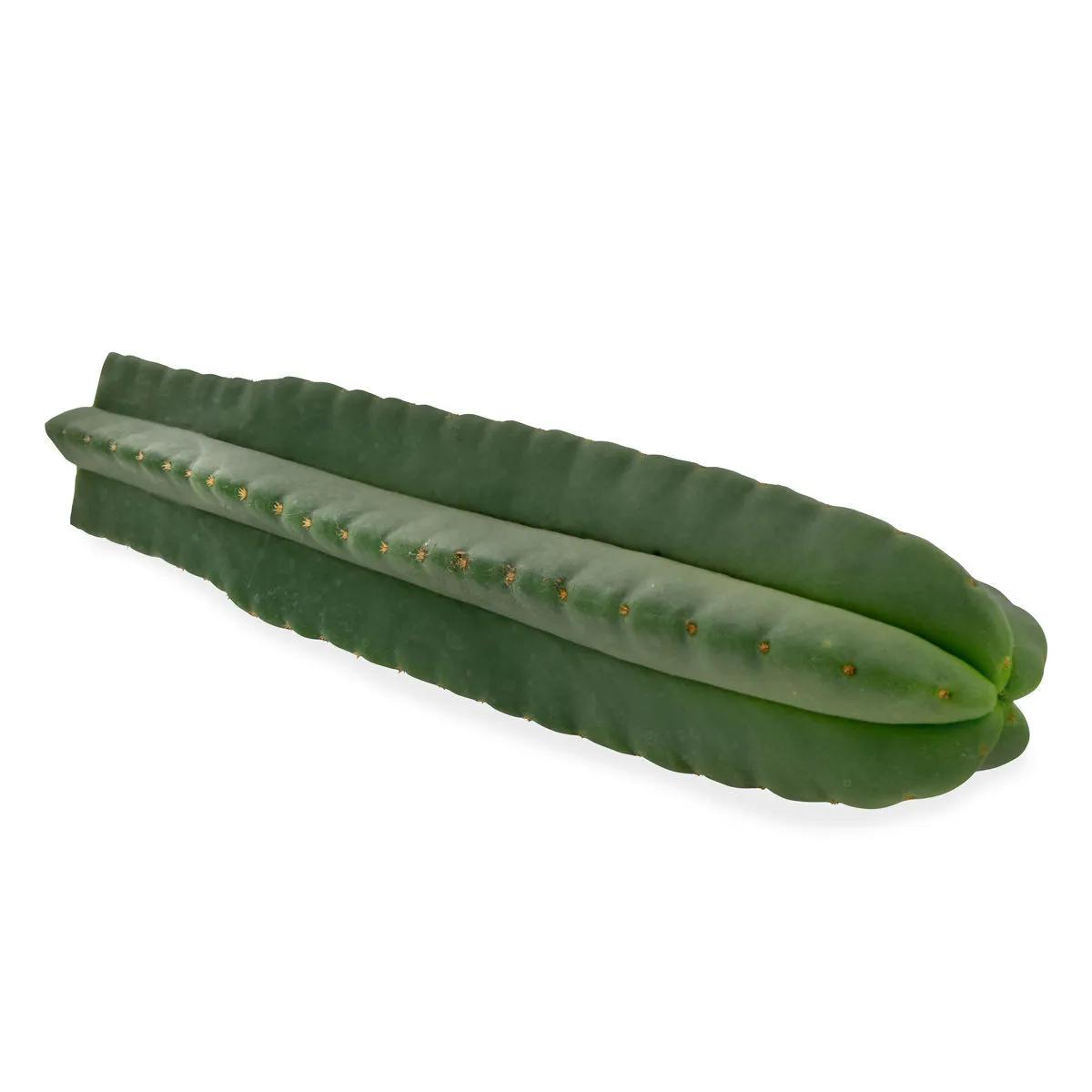
Mescaline cacti
by Unbranded
Super Pedro is a mescaline-containing cactus native to Bolivia that grows up to 4 metres tall and produces stunning white flowers that open only after dark. Formerly classified as Trichocereus scopulicolus, Echinopsis scopulicola sits alongside peyote and San Pedro as one of the most respected mescaline cacti in cultivation. If you want a living specimen that's easy to grow, visually striking, and botanically significant, this is a solid pick.
Most mescaline cacti demand patience — and Echinopsis scopulicola is no exception — but this species rewards you in ways others don't. The flowers alone are worth the effort: large, white, and fragrant, they crack open at dusk and close again by morning. In the wild, this nocturnal flowering cycle helps the plant conserve water during Bolivia's scorching days. On your windowsill or in your garden, it's simply spectacular to watch.
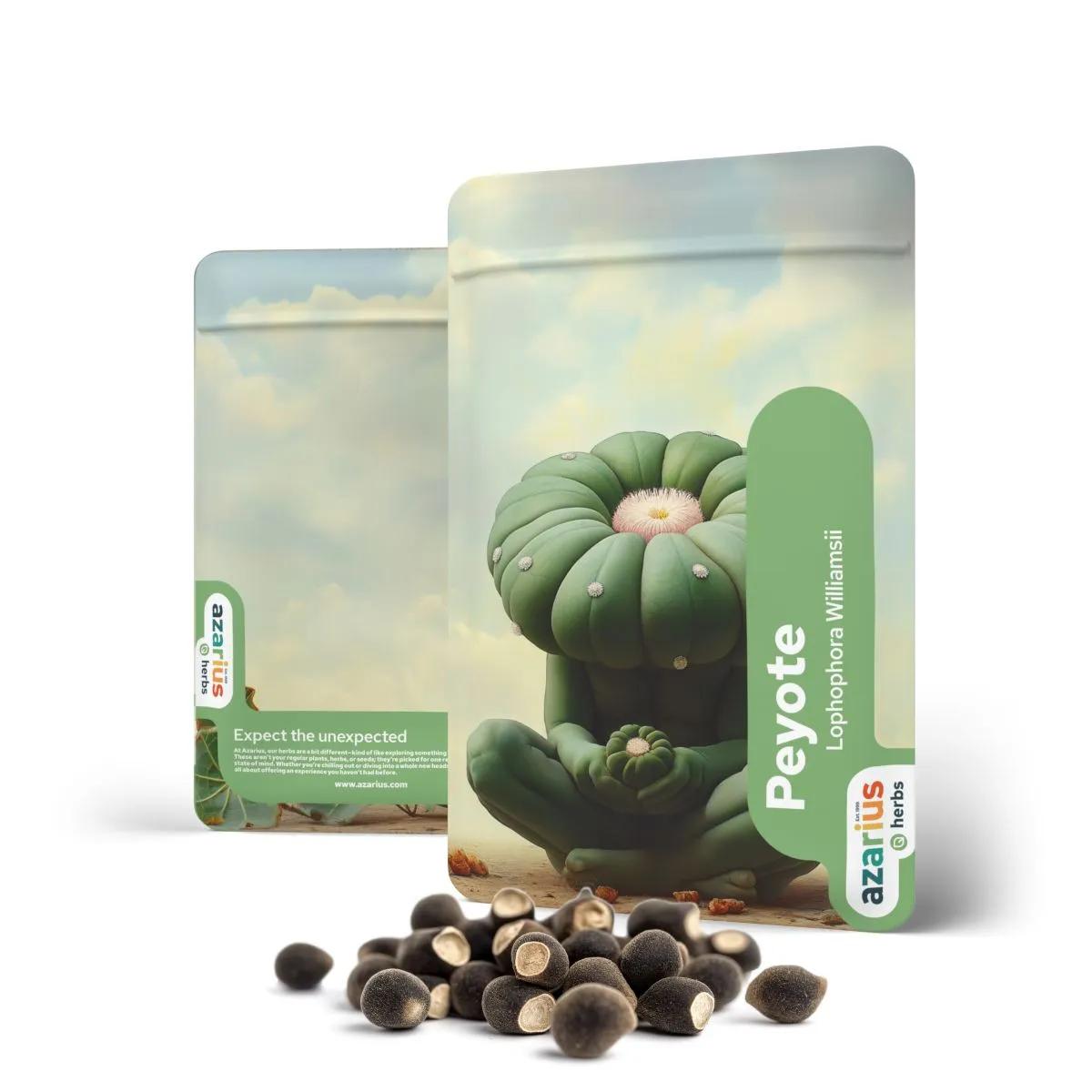
Then there's the growth habit. At up to 4 metres in height, a mature Super Pedro is a genuinely impressive specimen. Compared to the famously slow-growing peyote (Lophophora williamsii), which might take a decade to reach the size of a golf ball, Echinopsis scopulicola puts on visible growth each season. And for anyone who's ever been jabbed reaching past a San Pedro — this species has unusually short spines. Your hands will thank you during repotting.
We've been stocking mescaline cacti since the early 2000s, and Echinopsis scopulicola consistently gets overlooked in favour of its more famous relatives. That's a shame, because it's arguably the most forgiving of the lot for home growers. It tolerates a bit of neglect, bounces back from underwatering, and doesn't throw a fit if conditions aren't absolutely spot-on. The one honest downside: it's not the fastest grower in its first year. Give it a full growing season to establish roots, and it picks up pace from there.
| Spec | Detail |
|---|---|
| Botanical name | Echinopsis scopulicola (syn. Trichocereus scopulicolus) |
| Common name | Super Pedro |
| Origin | Bolivia |
| Maximum height | Up to 4 metres |
| Active compound | Mescaline (3,4,5-trimethoxyphenethylamine) |
| Spine length | Unusually short for the genus |
| Flowering | Large white flowers, nocturnal (open at dusk, close by morning) |
| Difficulty | Beginner-friendly |
| SKU | SM0345 |
Choosing between mescaline cacti comes down to what you value: speed, aesthetics, or historical significance. Here's a quick side-by-side with the two species most people already know.
| Feature | Super Pedro (E. scopulicola) | San Pedro (E. pachanoi) | Peyote (L. williamsii) |
|---|---|---|---|
| Max height | Up to 4 m | Up to 6 m | 2–7 cm above soil |
| Growth rate | Moderate | Moderate-fast | Very slow (years to mature) |
| Spines | Short | Medium-long | Spineless (wool tufts) |
| Flowers | Large, white, nocturnal | Large, white, nocturnal | Small, pink, diurnal |
| Ease of cultivation | Beginner-friendly | Beginner-friendly | Intermediate-advanced |
| Origin | Bolivia | Peru, Ecuador | Mexico, southern USA |
If you already grow San Pedro and want something with a different silhouette and those short, almost friendly spines, Super Pedro is the natural next step. If you're starting from scratch and want the best balance of easy care and visual payoff, we'd pick this one over peyote every time — unless you've got a decade of patience and a heated greenhouse.
Echinopsis scopulicola is a forgiving cactus that thrives with basic care. Here's the approach that works best based on what we've seen from growers over the years.
When your Super Pedro arrives, it'll be a young cutting or rooted specimen — compact, pale green to blue-green, with a waxy skin that feels almost rubbery to the touch. The ribs are well-defined, and those famously short spines are more like stiff bristles than the vicious needles you'd find on a Peruvian Torch. You can handle it without gloves, though we'd still recommend care during repotting.
The flowers, when they come, are something else entirely. They're 12–15 cm across, pure white with a faint sweet scent, and they last a single night. If you're not watching at dusk, you'll miss the opening — and by mid-morning, they've already closed. It's one of those blink-and-you-miss-it moments in horticulture. Set an alarm. Seriously.
One thing to manage expectations on: flowering takes maturity. Don't expect blooms in the first year or two. The cactus needs to reach a certain size and age, and a proper winter dormancy period helps trigger the flowering cycle. Patience is part of the deal with any cactus — but Echinopsis scopulicola pays you back handsomely when it's ready.
Mescaline (3,4,5-trimethoxyphenethylamine) is the primary psychoactive alkaloid found in Echinopsis scopulicola, shared with peyote, San Pedro, and the Peruvian Torch. It's a phenethylamine — structurally distinct from tryptamine-based compounds like psilocybin. According to a review published in PMC examining the phytochemistry and biological activities of Echinopsis species, phytochemical investigations have revealed 85 or more compounds across the genus.
Mescaline has a long history of traditional use among indigenous peoples of the Americas, stretching back thousands of years. The compound produces vivid visual phenomena, altered perception of time, and what many describe as a deeply introspective state. Physical side effects commonly include nausea and stomach discomfort, particularly during the onset — this is widely reported and worth being prepared for.
We get asked about mescaline content fairly often behind the counter. The honest answer: alkaloid concentration varies between individual plants, growing conditions, age, and even the time of year. There's no standardised percentage we can give you for a living cactus — anyone who quotes an exact number is guessing. What we can say is that Echinopsis scopulicola is consistently reported as mescaline-rich within the broader Echinopsis/Trichocereus group.
Building a mescaline cactus collection? Pair your Super Pedro with a San Pedro (Echinopsis pachanoi) or Peruvian Torch (Echinopsis peruviana) for a trio of the most respected mescaline-containing species. A cactus soil mix and perlite will get all three off to a strong start.
After 25-plus years of selling cacti and fielding questions from growers across Europe, a few patterns come up again and again with Echinopsis scopulicola:
Expect 10–30 cm of growth per year under good conditions, with more in warm climates or greenhouses. It's not the fastest cactus around, but it's considerably quicker than peyote, which may add only a few millimetres annually.
It thrives in bright light and tolerates full sun once established. Young plants or freshly repotted specimens should be introduced to direct sun gradually over 1–2 weeks to prevent sunburn.
Flowering typically occurs in late spring or summer on mature plants. The flowers open at dusk and close by morning — a single-night event. A cool winter dormancy period (5–10°C, minimal watering) greatly increases the chance of blooms.
During the growing season, water thoroughly once the soil is completely dry — roughly every 7–14 days depending on temperature and pot size. In winter, once a month or less. Slight wilting between waterings is normal and actually reduces fungal risk.
Yes, during summer in most of Europe. It can't survive frost, so bring it indoors or into a greenhouse before temperatures drop below 5°C. A south-facing balcony or patio works well from May through September in most northern European climates.
A 50/50 blend of mineral material (perlite, pumice, or coarse sand) and cactus potting soil. Good drainage is critical — standard potting soil retains too much moisture and promotes root rot. Terracotta pots help the soil dry more evenly than plastic.
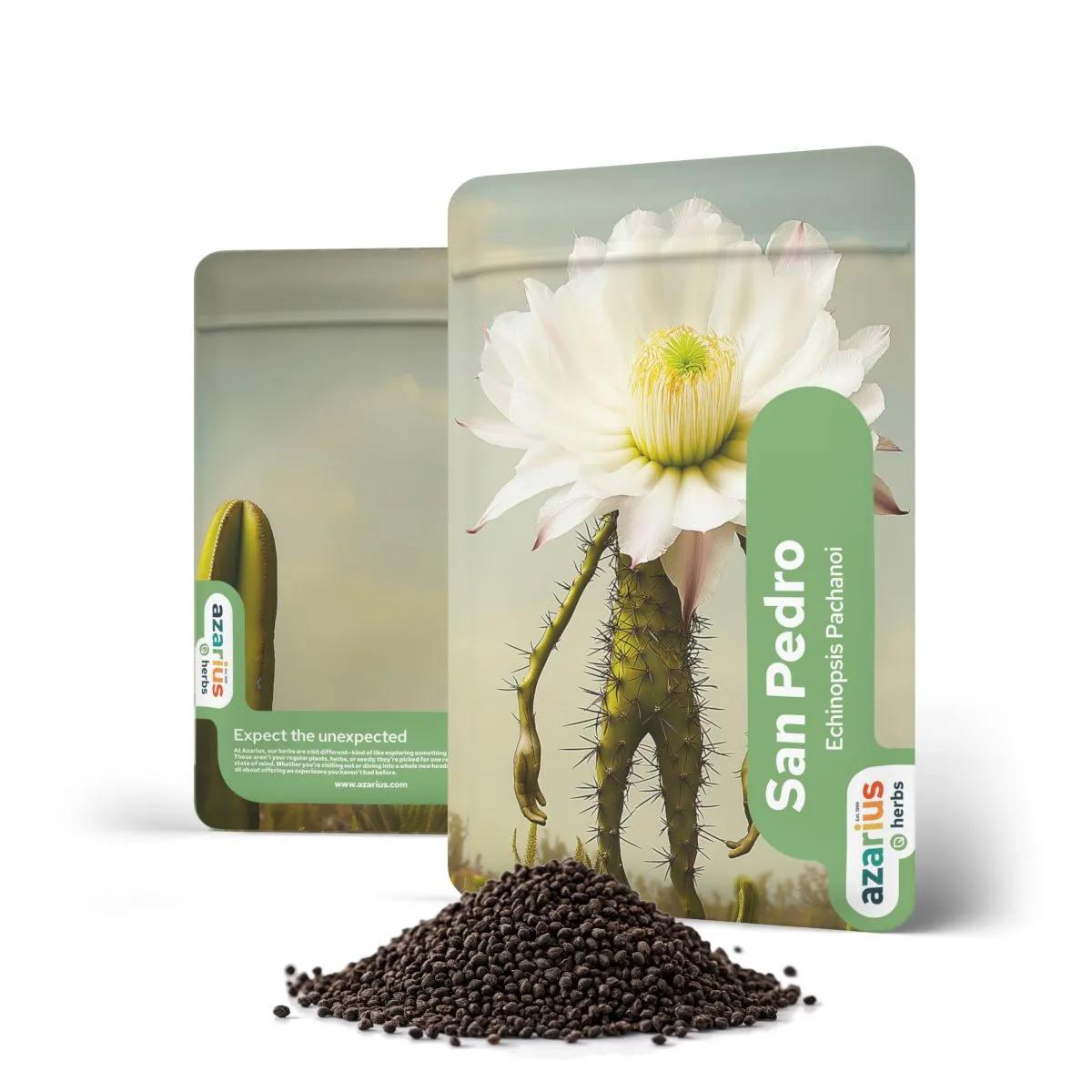
No. San Pedro refers specifically to Echinopsis pachanoi (formerly Trichocereus pachanoi). Echinopsis scopulicola is a distinct species, sometimes called Super Pedro. Both contain mescaline and belong to the same genus, but they differ in spine length, growth habit, and geographic origin.
Last updated: April 2026
Medical disclaimer. This content is for informational purposes only and does not constitute medical advice. Consult a qualified healthcare provider before use of any substance.