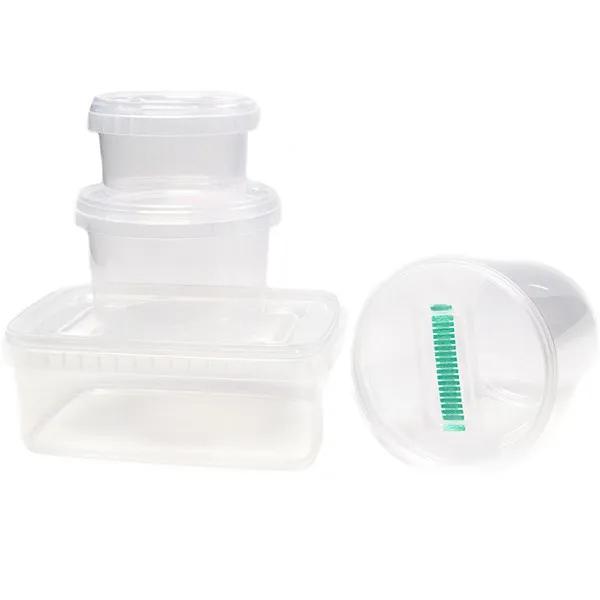
The sterile cultivation box is an empty polypropylene container with a microporous filter built into the lid, designed for home mycologists who need a rigid, autoclave-safe vessel for substrate work, agar pours, and contained colonisation. Nine sizes from 210 ml to 1200 ml, stackable, reusable, and tough enough to go straight into a pressure cooker.
What a mushroom filter box actually does
A mushroom filter box is a rigid plastic container with a snap-on lid and an integrated hydrophobic filter patch that allows gas exchange while keeping airborne contaminants out. You fill it with substrate or agar, seal it, steam or pressure-sterilise it, then inoculate through the lid after a flame-sterilised needle pierce — or open it briefly inside a still air box. The filter handles CO₂/O₂ exchange during colonisation so your mycelium breathes without the lid popping off or condensation building into a swamp.
Unlike filter bags, a rigid box holds its shape. That matters when you're pouring molten agar, stacking units on a shelf during a 14-day incubation, or running 20+ grain jars through a pressure cooker without worrying about punctures. Unlike a monotub, these are small-batch — built for the prep stage, not fruiting.
Which size should you grab?
| Volume | Best for | SKU |
|---|---|---|
| 210 ml | Agar plates, small-batch liquid culture, spore work | SMGS0020 |
| 280 ml | Agar pours, mini-jar replacement | SH0013 |
| 300 ml | Liquid culture, grain starter batches | SMGS0018 |
| 520 ml | Small grain spawn runs (rye, oats) | SMGS0022 |
| 540 ml | Grain spawn, standard colonisation | SMGS0023 |
| 565 ml | Grain spawn, slightly wider footprint | SH0014 |
| 870 ml | Bulk grain spawn, agar-to-grain transfers | SMGS0019 |
| 1000 ml | Bulk grain spawn, larger colonisation | SH0015 |
| 1200 ml | Biggest volume — bulk spawn before transfer to tub | SH0016 |
Start here: if you're running a standard home mycology workflow, the 540 ml or 870 ml sizes are the sweet spot for grain spawn. Agar workers should grab a stack of 210 ml or 280 ml.
Why use a rigid filter box over a filter bag
Filter boxes shine when you need a stable, pourable vessel that survives repeated sterilisation cycles. Polypropylene handles pressure cooker temperatures (around 121°C at 15 psi) without deforming, and the rigid walls mean you can stack them three or four high during colonisation without crushing the substrate underneath. The microporous filter in the lid is sized to block bacterial and fungal spores while permitting gas exchange — the same principle as a filter patch spawn bag, just in a reusable form factor.
Bags are better for larger bulk volumes and one-shot grows. Boxes are better when you're running multiple small batches in parallel, doing agar work, or want to reuse your vessels across dozens of cycles. The maths on reusability matters: one 540 ml box used 20 times across a year costs you a fraction of running disposable bags for the same throughput.
Specifications
| Material | Food-grade polypropylene (PP) |
| Filter | Microporous patch integrated into lid |
| Sterilisation | Autoclave / pressure cooker safe (up to ~121°C) |
| Reusable | Yes — multiple sterilisation cycles |
| Sizes available | 210, 280, 300, 520, 540, 565, 870, 1000, 1200 ml |
| Lid | Snap-seal with filter membrane |
| Use cases | Agar pours, liquid culture, grain spawn, substrate sterilisation |
| Stackable | Yes |
Complete your setup: pair the filter box with a sterilised substrate kit if you want ready-to-inoculate grain, or grab filter bags and filter bag XL for bulk volumes above 1200 ml. For fruiting, the Mark 1 Mushroom Monotub takes over once your spawn is fully colonised in the box.
Why you need a sterile cultivation box in your workflow
Contamination is the single biggest reason home grows fail, and it almost always happens at one of two moments: during substrate prep, or during inoculation. A proper filter box addresses both. The sealed lid with microporous filter means once you've pressure-sterilised the contents, nothing bacterial gets in while the box cools. The rigid walls mean you can move the box from cooker to still air box to shelf without the lid flexing open.
We've seen growers lose entire runs to one of three things: an ungloved hand, a flexing bag that sucked room air in during cooling, or a cheap container that warped in the pressure cooker and broke its seal. Filter boxes solve the last two by design — polypropylene doesn't warp at autoclave temperatures, and the rigid lid stays put. What you still have to handle: the gloves, the flame, the still air box, and the patience. No container does that work for you.
The other thing that matters at scale: if you're running agar transfers or liquid culture, you need small vessels you can dedicate one per strain or one per experiment. Nine boxes at 210 ml costs far less than nine jars with self-healing injection ports, and the filter in the lid removes the need for a separate gas-exchange hack.
How to use a mushroom filter box
- Fill the box with your substrate — hydrated grain, agar mix, or supplemented bulk — leaving around 20% headspace for gas exchange and shaking.
- Snap the lid on firmly. Check the filter patch is clean and undamaged.
- Place the box in a pressure cooker. Sterilise at 15 psi (121°C) for 60–90 minutes depending on volume and substrate density.
- Let the cooker cool fully before removing — opening hot creates a vacuum that can suck contaminated air past the filter.
- Move the sealed, cooled box to a still air box or flow hood for inoculation.
- Inoculate through the lid with a flame-sterilised needle and syringe, or open briefly in sterile conditions to add spawn/agar wedges.
- Incubate at 24–27°C. Check colonisation progress without opening — the clear PP lets you see mycelium spread.
- Once fully colonised, break and shake to redistribute, then transfer to your fruiting vessel (monotub, shotgun chamber, etc.).
- After harvest, wash the box with hot soapy water, rinse, and store dry. Ready for the next cycle.
Honest limitations — what a filter box won't do
It's a vessel, not a grow kit. The filter box doesn't come with substrate, spores, or instructions tailored to a specific species — you bring the mycology knowledge and the inputs. If you want something turnkey, look at a complete grow kit instead.
Second: the filter patch is durable but not indestructible. Rough handling, punctures, or scrubbing the lid with abrasives will compromise it. Inspect before every sterilisation cycle. Third: these aren't fruiting chambers. They're too small and the filter exchange rate isn't designed for fruitbody development. Colonise in the box, fruit elsewhere.
Frequently Asked Questions
Can I reuse the filter box multiple times?
Yes. Polypropylene handles repeated autoclave cycles, and the filter membrane typically survives dozens of rounds if you don't puncture or scrub it. Inspect the filter patch before every run and replace the box if you see damage or discolouration.
What's the difference between a filter box and a filter bag?
Rigid vs. flexible. A filter box holds its shape, stacks, and handles agar pours. A filter bag is better for larger volumes and one-shot bulk grows. Most home growers use both — boxes for agar and spawn, bags for bulk substrate.
Can I sterilise the box in a pressure cooker?
Yes — that's what it's built for. Polypropylene handles 121°C at 15 psi. Run standard grain sterilisation times (60–90 minutes depending on volume) and let the cooker cool fully before removing to avoid sucking unfiltered air back through the lid.
Do I need a still air box to work with these?
For inoculation, yes — or a flow hood. The filter keeps airborne contaminants out during colonisation, but the moment you crack the lid to add spores or spawn, you're exposed to room air. A still air box massively reduces that risk.
Which size should I start with?
For grain spawn, the 540 ml or 870 ml are the workhorses. For agar plates and liquid culture, grab the 210 ml or 280 ml. If you're running a first batch and not sure, the 540 ml gives you enough grain to inoculate a standard bulk substrate tub later.
Can I use the filter box for fruiting?
No — it's too small and the filter exchange rate isn't tuned for fruitbody development. Colonise in the box, then transfer the colonised spawn to a monotub or shotgun fruiting chamber. The Mark 1 Monotub pairs naturally once your spawn is ready.
Last updated: April 2026