Cultivation supplies
by CMT
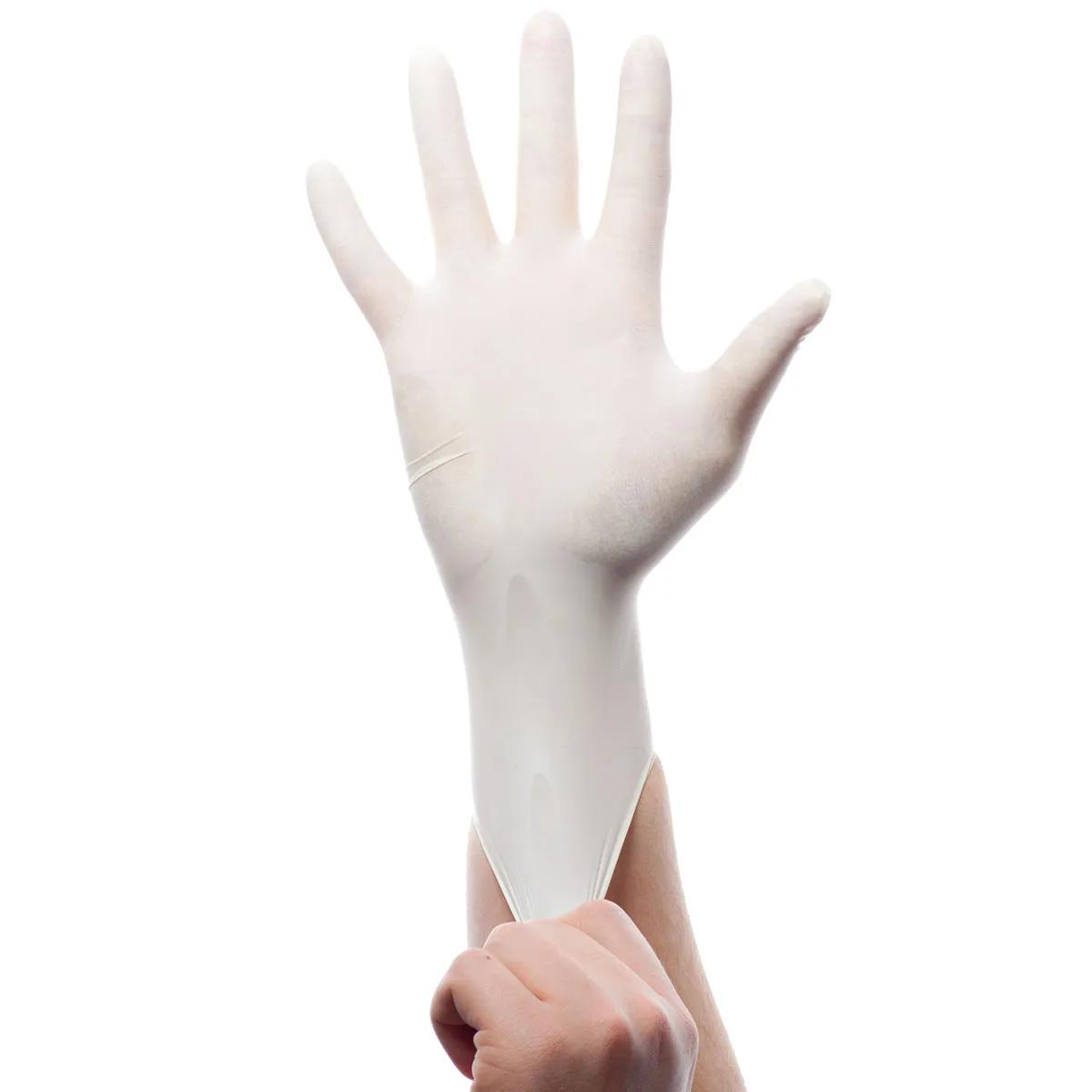
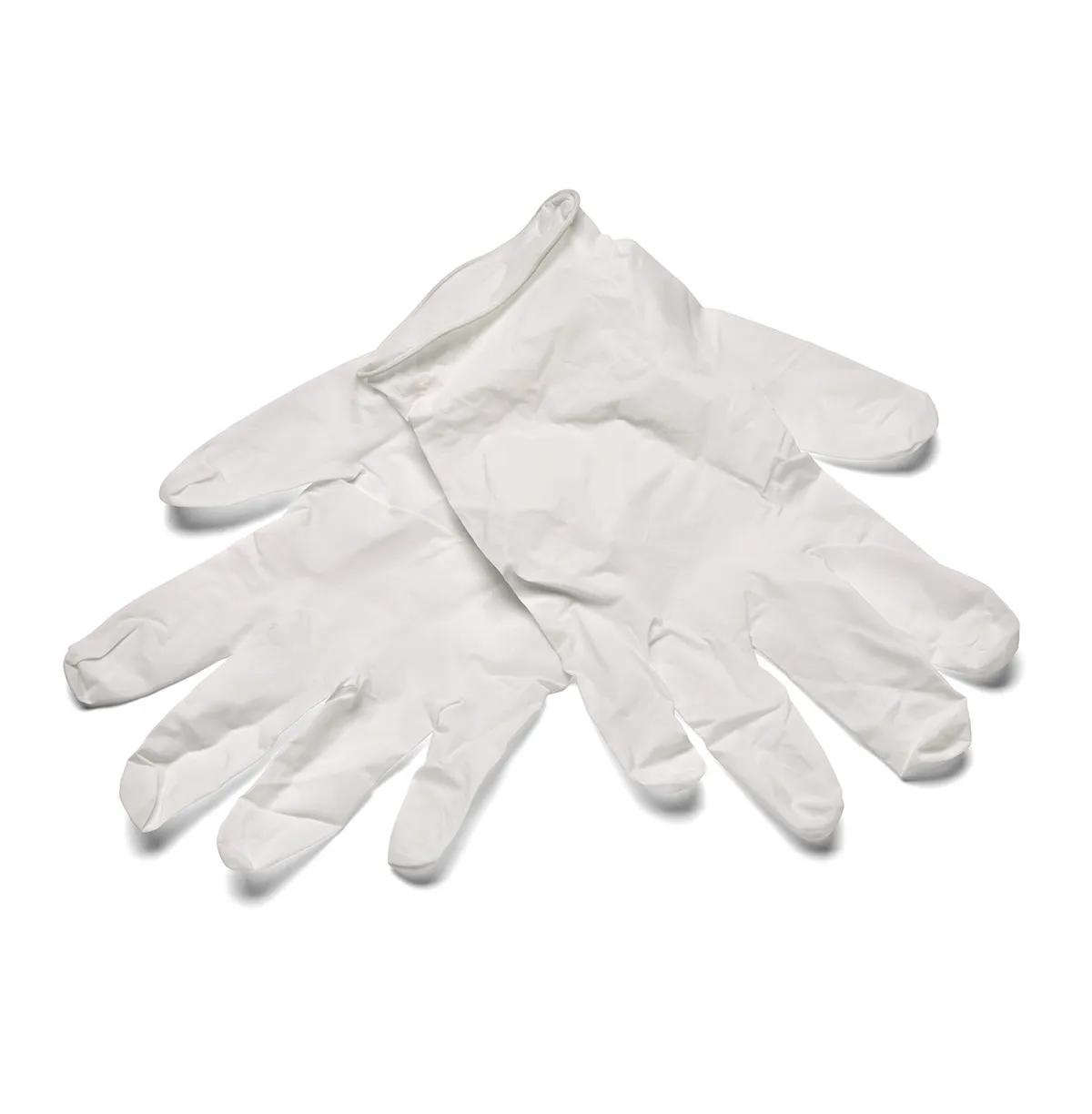
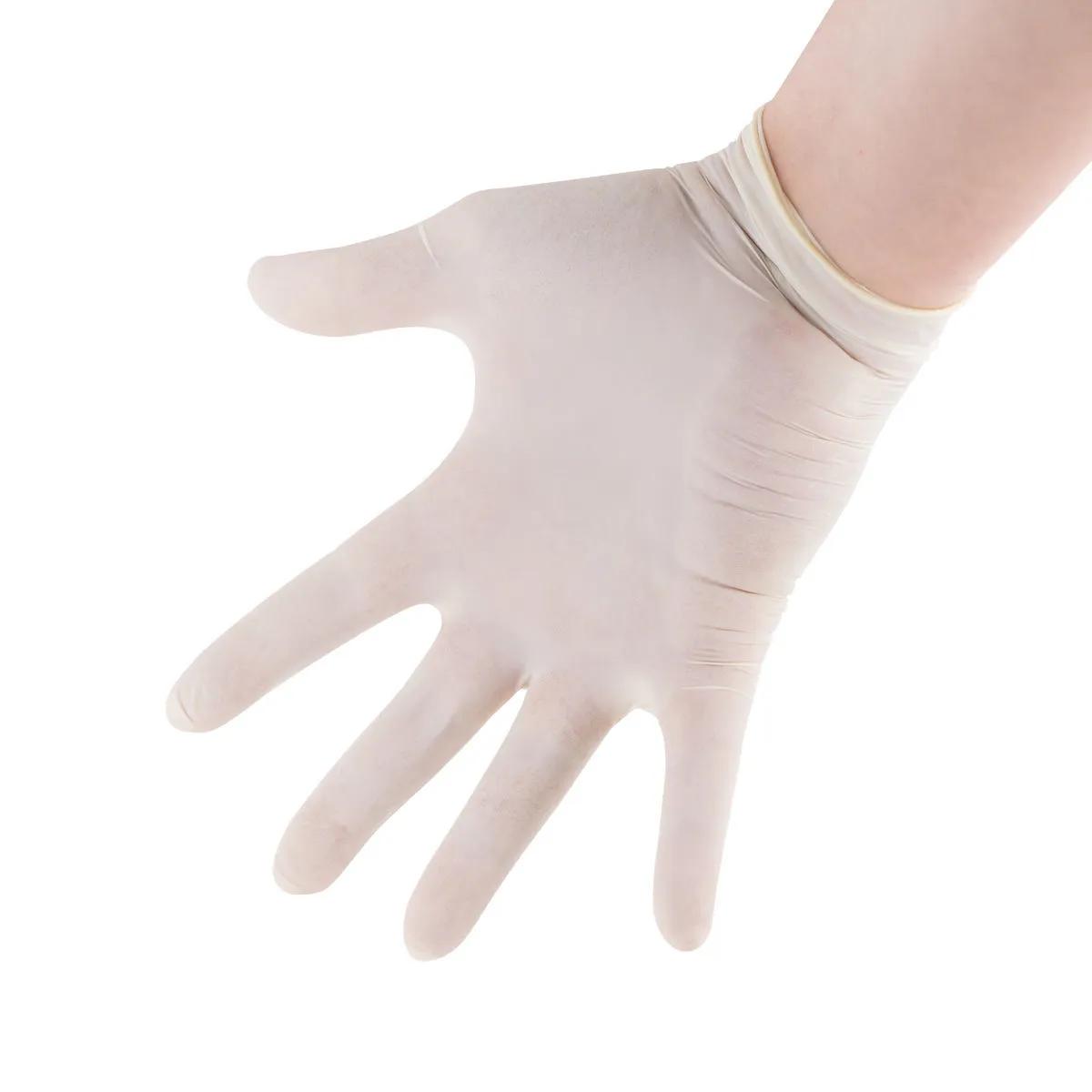
Latex gloves are disposable hand protection that keeps contaminants off your substrate, casing layer, and colonised grain. A box of 100 non-sterile latex gloves sits next to every serious grower's still air box — because one bare-handed fumble is all it takes to lose an entire flush to mould. Available in Small, Medium, and Large.
Gloves that are too loose bunch up inside a still air box and knock into jars. Too tight and they tear mid-inoculation — the worst possible moment. Measure around your knuckles (excluding thumb) with a tape measure:
| Size | Hand circumference | SKU |
|---|---|---|
| Small | 17–18 cm | SH0166 |
| Medium | 19–20 cm | SH0167 |
| Large | 21–23 cm | SH0094 |
If you're between sizes, go one up. A slightly loose glove is better than one that splits at the thumb seam when you're transferring grain.
| Specification | Detail |
|---|---|
| Material | Natural rubber latex |
| Sterility | Non-sterile |
| Quantity | 100 per box |
| Sizes | Small, Medium, Large |
| Intended use | Mushroom cultivation hygiene |
| Recommended pairing | 70% isopropyl alcohol spray |
Complete your grow setup: pair these latex gloves with a mushroom grow kit and a bottle of 70% isopropyl alcohol. A face mask also cuts down on airborne contamination when you're working with open substrates or transferring colonised grain.
Your hands carry bacteria, oils, and fungal spores that you can't see, smell, or feel. We've seen growers lose entire batches to one ungloved hand — a single fingerprint on a freshly inoculated grain jar is enough to introduce Trichoderma or black mould. The mycelium doesn't stand a chance against those competitors once they get a foothold.
Latex gives you something nitrile and vinyl don't quite match: stretch. Natural rubber latex moulds to your fingers, which matters when you're handling small syringes, scalpels, or agar dishes inside a still air box. You can feel the resistance of a needle pushing through an injection port. You can grip a petri dish without it slipping. That tactile feedback is genuinely useful — it's not just about keeping things clean, it's about keeping things precise.
The honest limitation: latex can cause skin irritation with extended wear. According to research published in the Indian Journal of Dermatology (PMC8653730), the most common reaction to latex products is irritant contact dermatitis, often caused by prolonged glove use or glove powder. If your hands get red or itchy after wearing latex, switch to nitrile gloves — they offer similar dexterity without the latex proteins. We carry both, so you're covered either way.
Since 1999, we've sold thousands of mushroom grow kits. The number one reason kits fail isn't temperature, humidity, or bad genetics — it's contamination from bare hands. A box of latex gloves costs less than a replacement grow kit, and it takes about 3 seconds to put them on. The maths is simple.
One thing we'd flag: these are non-sterile gloves, which means they're not individually wrapped in autoclave pouches like surgical gloves. For home mushroom cultivation, that's absolutely fine — the alcohol spray step closes the gap. You'd only need sterile surgical gloves if you were working in a laminar flow hood doing advanced agar work, and even then, most experienced growers still just spray non-sterile gloves with alcohol and get on with it.
We sell both, and both work for mushroom growing. Here's the practical difference: latex stretches more and gives better finger sensitivity, which matters for fine work like inoculation. Nitrile is slightly more resistant to tears and doesn't contain the proteins that cause latex allergies. According to a study comparing glove materials (PubMed 11944004), nonlatex gloves performed comparably to latex in barrier protection tests, though latex maintained a slight edge in elasticity. If you've never had a reaction to latex, these gloves are the best option for mushroom cultivation work. If your skin reacts, go nitrile without hesitation.
Yes. Your skin carries bacteria and competing fungal spores that can colonise substrate faster than mycelium. We've seen contamination rates drop dramatically when growers switch from bare hands to gloved hands with an alcohol spray. A box of 100 gloves lasts through several full grow cycles.
The product listing specifies non-sterile latex gloves. According to research in BMC Dermatology (PMC3863123), powdered latex gloves were identified as an important risk factor for latex sensitisation because they contain higher allergen levels. If you have sensitive skin, spray the inside lightly with water before wearing or consider nitrile as an alternative.
They can. According to a follow-up study of 1,040 healthcare workers (PMC2078060), exposure to latex is known to cause symptoms including itching, dermatitis, and in rare cases systemic reactions. Most home growers wear gloves for short periods and never have issues, but if you notice redness or itching, switch to nitrile gloves.
Budget 4–6 pairs per flush: one for setup, one for inoculation, one for misting and fanning checks, and one or two for harvesting. A box of 100 gives you 50 pairs, which covers a full grow kit cycle with several flushes and plenty to spare.
No. Single-use means single-use. Latex develops micro-tears after removal that you can't see, and any contaminants from your previous task hitch a ride into your next one. At 100 per box, there's no reason to ration them.
They protect against mild substances like isopropyl alcohol and hydrogen peroxide — the two most common chemicals in mushroom cultivation. They do not protect against strong solvents, concentrated acids, or prolonged chemical exposure. For standard grow kit work, they're more than sufficient.
For dexterity and tactile feedback, latex has a slight edge — you can feel what you're doing more precisely. For durability and allergy avoidance, nitrile wins. Both work well. Pick based on whether your skin tolerates latex.
Last updated: April 2026
Medical disclaimer. This content is for informational purposes only and does not constitute medical advice. Consult a qualified healthcare provider before use of any substance.