Cultivation supplies
by BD
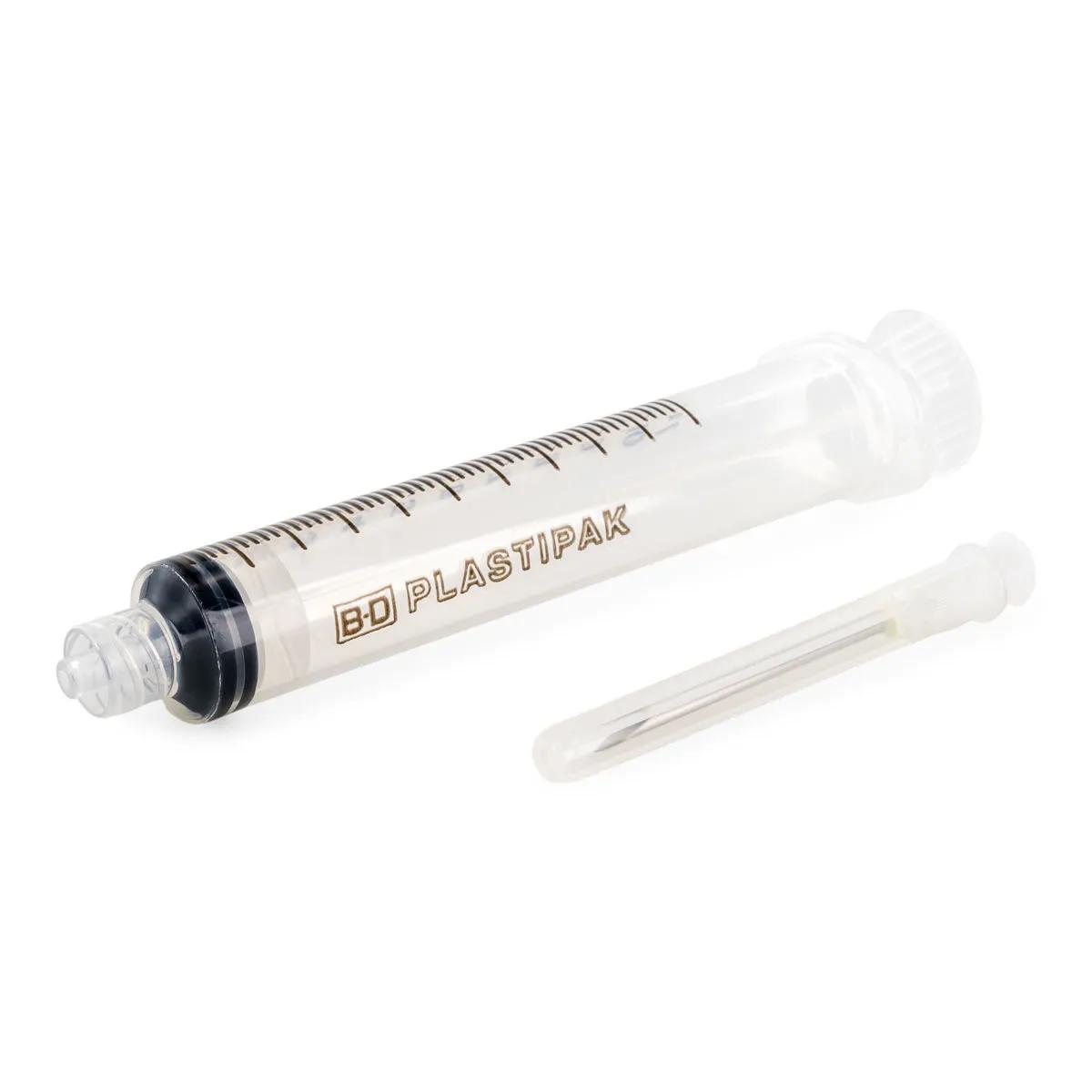
The Luer Lock Syringe 16G is a sterile 10 ml inoculation syringe fitted with a 16-gauge stainless steel needle — the go-to tool for injecting spore solutions and liquid cultures into spawn bags, substrate jars, and grain bags. The twist-on luer lock mechanism creates a leak-free seal with a quarter turn, so the needle stays put when you're working inside a still air box and fumbling is not an option. Individually sealed and ready to use straight out of the package — no prep, no fuss.
Everything you need to know about this 16 gauge syringe at a glance — all specs pulled straight from the packaging.
| Specification | Detail |
|---|---|
| Capacity | 10 ml |
| Needle gauge | 16G (1.6 mm inner bore diameter) |
| Connection type | Luer lock (twist-on, quarter turn) |
| Barrel material | Medical-grade polypropylene |
| Needle material | Stainless steel |
| Sterility | Individually sealed, sterile |
| Needle compatibility | All standard luer lock needles (18G, 20G, etc.) |
| SKU | SH0162 |
Complete your inoculation setup: pair this luer lock syringe with a spore syringe or liquid culture, a still air box for contamination-free work, and a set of spawn bags or substrate jars. If you need a finer needle for more precise injection work, grab an 18G or 20G luer lock needle separately — it swaps on in seconds.
The 16G needle has a 1.6 mm bore — wide enough to handle thick liquid cultures and clumpy spore solutions that would clog an 18G or 20G needle in seconds. We've seen growers waste entire syringes of liquid culture trying to force it through a narrow bore, and it's not a pretty sight. The 16 gauge syringe draws solution quickly and delivers it in a smooth, controlled push, which means your spawn bags and substrate jars spend less time with their injection ports open to airborne contaminants.
The luer lock connection is the bit that separates this from a cheap slip-tip syringe. A slip-tip relies on friction alone — press too hard on the plunger and the needle pops off, spraying your liquid culture across the inside of your still air box. The luer lock twists on with a quarter turn and locks into place mechanically. According to research published in BMC Ophthalmology, luer lock connections provide a secure, leak-proof seal that prevents disconnection during use. That's the difference between a clean inoculation and a mess you have to sterilise all over again.
One honest limitation: the 16G needle leaves a slightly larger puncture hole in self-healing injection ports compared to an 18G or 20G. On decent-quality ports, this seals up fine. On cheap, thin ports, you might notice the hole doesn't close as tightly. If you're working with thinner injection ports, consider keeping an 18G needle on hand as a backup — the luer lock accepts any standard gauge, so swapping takes about three seconds.
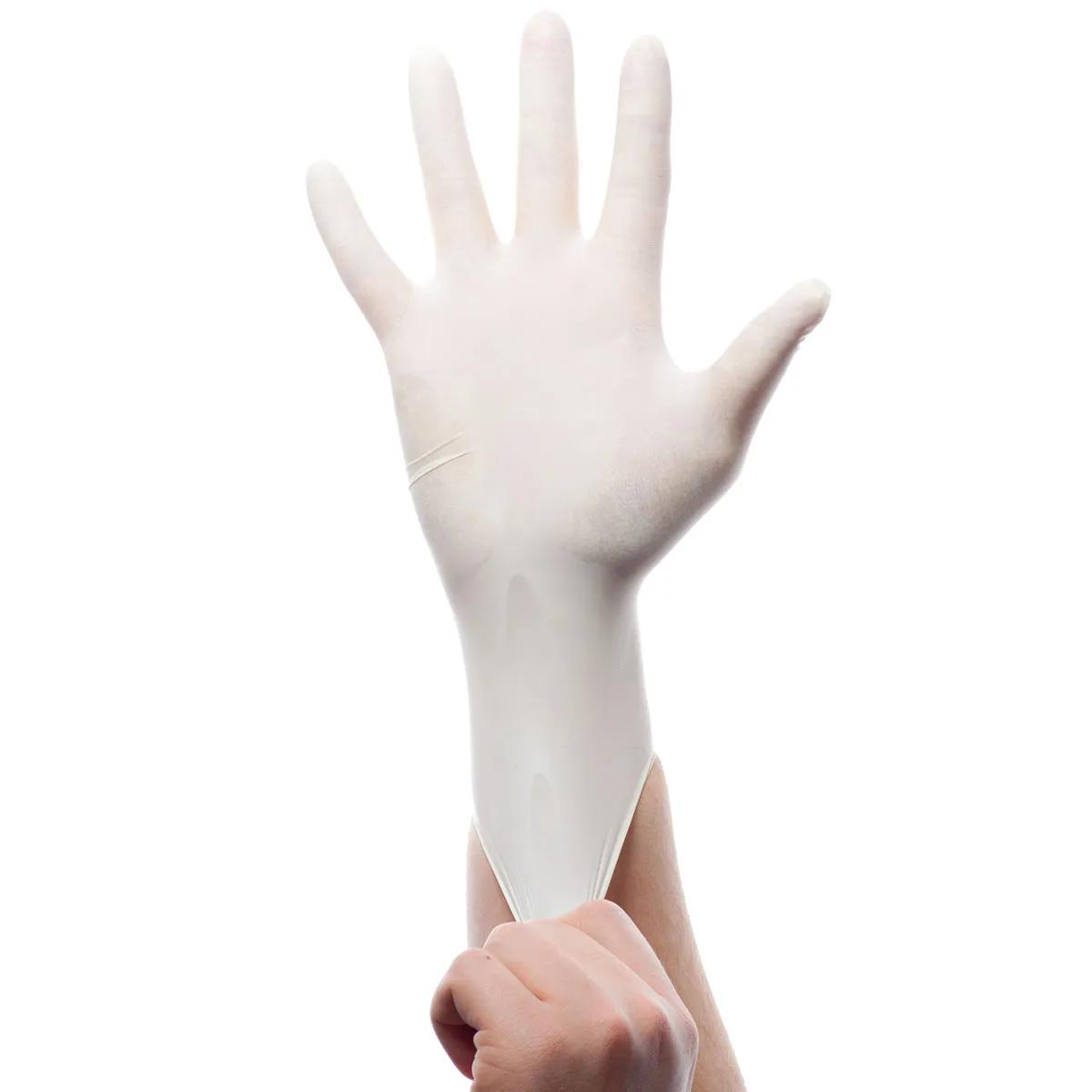
After 25+ years of selling grow supplies out of Amsterdam, we can tell you the single most common inoculation mistake isn't technique — it's contamination from a non-sterile syringe. Growers reuse syringes, skip the flame sterilisation step, or tear open the sterile packaging ten minutes before they're ready to work. This syringe arrives individually sealed for a reason. Don't open it until your still air box is set up, your substrate is prepped, and your hands are gloved. Every second that sterile needle spends exposed to open air is a second where Trichoderma spores can land on it.
The weight of this syringe is noticeable compared to the ultra-cheap disposables you find in bulk packs — the polypropylene barrel has a solid feel and the plunger moves smoothly without sticking. That smooth action matters more than you'd think: a sticky plunger means jerky delivery, which means uneven distribution of spore solution inside your grain bag. Smooth plunger, even colonisation. Simple as that.
A step-by-step walkthrough for clean, contamination-free inoculation using your 16G luer lock syringe. Work methodically — rushing is how batches get lost.
The gauge number is inversely proportional to bore size — lower number means wider needle. Here's how the three most common inoculation gauges compare.
| Gauge | Bore diameter | Best for | Trade-off |
|---|---|---|---|
| 16G | 1.6 mm | Thick liquid cultures, chunky spore solutions, fast delivery | Slightly larger puncture in injection ports |
| 18G | 1.2 mm | Standard spore syringes, medium-viscosity liquids | May clog with thicker cultures |
| 20G | 0.9 mm | Thin solutions, precise small-volume work | Slow flow rate, clogs easily with particulate |
Our pick? Start with the 16G — it handles everything you're likely to encounter. If you find yourself working with very thin spore solutions and want more precision, grab an 18G luer lock needle and swap it on. The beauty of the luer lock system is that one syringe body works with any standard needle gauge.
A luer lock syringe has a threaded collar on the barrel tip. The needle twists on and locks mechanically with a quarter turn, creating a seal that won't come loose under pressure. A slip-tip syringe holds the needle by friction alone — push the plunger hard and the needle can pop off. For inoculation work where sterility matters, luer lock is the standard.
No. This is a single-use sterile syringe. Reusing it risks introducing contaminants into your next batch, even if you flame-sterilise the needle. A fresh syringe is cheap insurance against losing an entire grow to contamination.
Very unlikely. The 1.6 mm bore is wide enough to pass thick liquid cultures and clumpy spore suspensions without issue. Clogging is mainly a problem with 20G and smaller needles. If you do notice resistance, shake your spore syringe more thoroughly before drawing — clumps settle quickly.
Yes. The luer lock fitting accepts any standard luer lock needle. Twist off the 16G, twist on an 18G or 20G — takes about three seconds. Handy if you're working with different viscosities in the same session.
At 1–3 ml per injection point, a single 10 ml syringe covers roughly 3–5 spawn bags or substrate jars. For larger batches, grab a few extra syringes — you'll want a fresh one for each spore strain anyway to avoid cross-contamination.
Technically no, but practically yes. Open-air inoculation is the fastest way to introduce mould spores into your grain. A still air box costs almost nothing to build and dramatically reduces contamination rates. We'd call it non-optional for anyone who wants consistent results.
On standard-thickness injection ports, the 16G puncture seals cleanly. On very thin or low-quality ports, the slightly larger hole may not close as tightly as it would with an 18G. If you notice this, a small piece of micropore tape over the injection site solves it immediately.
Last updated: April 2026
Medical disclaimer. This content is for informational purposes only and does not constitute medical advice. Consult a qualified healthcare provider before use of any substance.