Culture Syringes
by Acid Shroomz
The Cambodia liquid culture syringe is a 20ml syringe of live Psilocybe cubensis mycelium from Acid Shroomz, designed to speed up colonisation and produce dense, reliable flushes. Originally hand-picked by mycologist John Allen near the Angkor Wat temple complex, this strain has earned a reputation for vigorous growth and forgiving cultivation requirements. If you want a strain that colonises grain spawn quickly and fruits generously without demanding expert-level technique, Cambodia is one of the best cubensis liquid cultures for beginners.
Cambodia cubensis is one of those strains that doesn't look like much at first — golden-brown, umbrella-shaped caps on thick, tan-coloured stems. Nothing flashy. But once it starts fruiting, the density of each flush makes up for the unassuming appearance. We've seen growers pull multiple dense harvests from a single inoculation, which is exactly what you want when you're still learning the ropes.
The strain's real strength is speed. Cambodia colonises substrate noticeably faster than many other cubensis varieties, which means a shorter window for contamination to take hold. That speed, combined with its tolerance for less-than-sterile conditions, is why it keeps showing up on "best first strain" lists. Compared to something like Penis Envy — which demands precise humidity, patience, and a fair bit of luck — Cambodia practically grows itself.
Potency sits in the moderate range. Expect auditory and visual distortion at standard doses, with more intense effects at higher amounts. It won't knock your socks off the way APE or McKennaii might, but that's actually a plus if you're still calibrating your comfort zone. According to a review published in the Journal of Psychopharmacology, psilocybin's dependence potential is low, and experiences are generally well-tolerated at moderate doses (PMC6007659). Still, higher doses of any cubensis strain can produce powerful effects, so respect the mushroom and temper your intake accordingly.
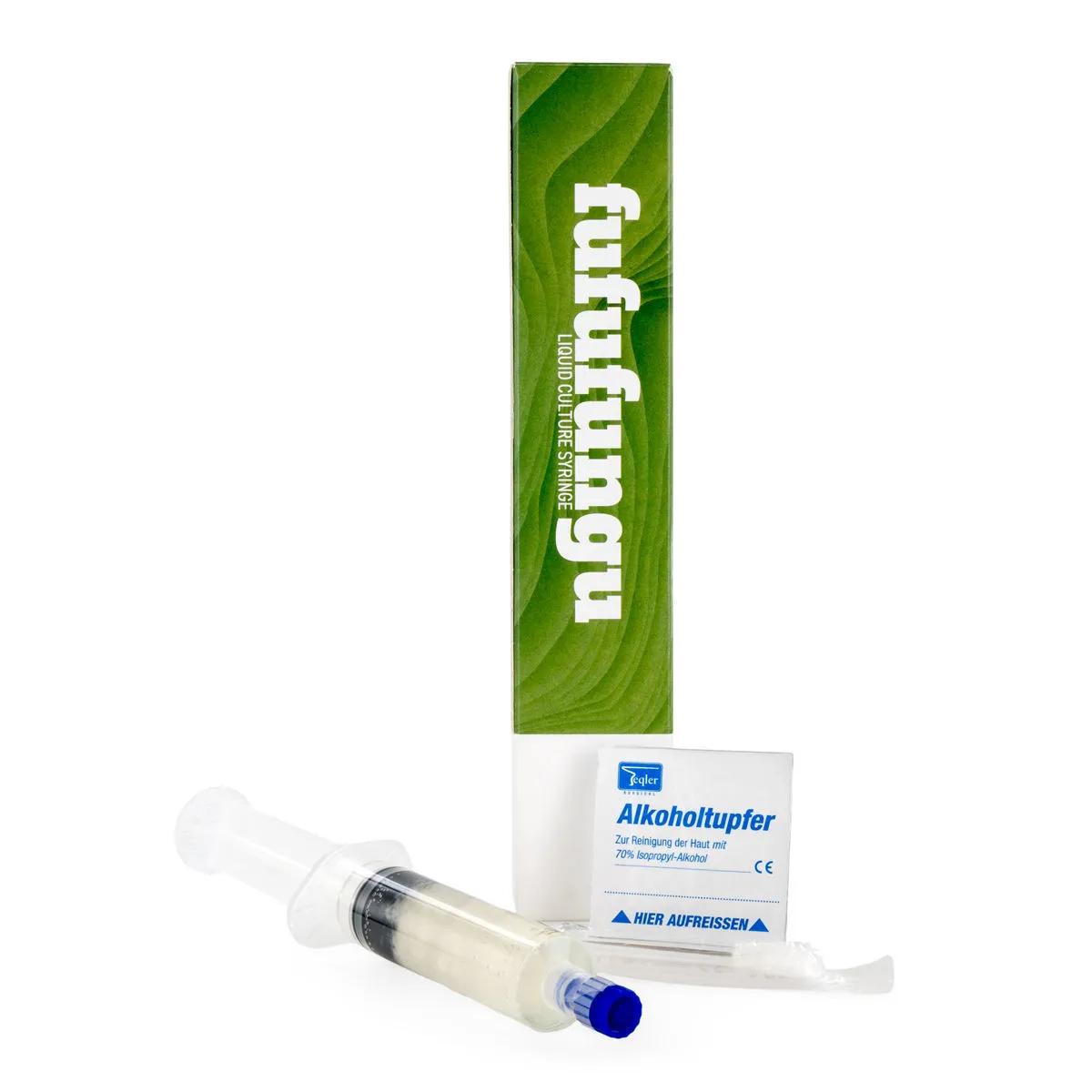
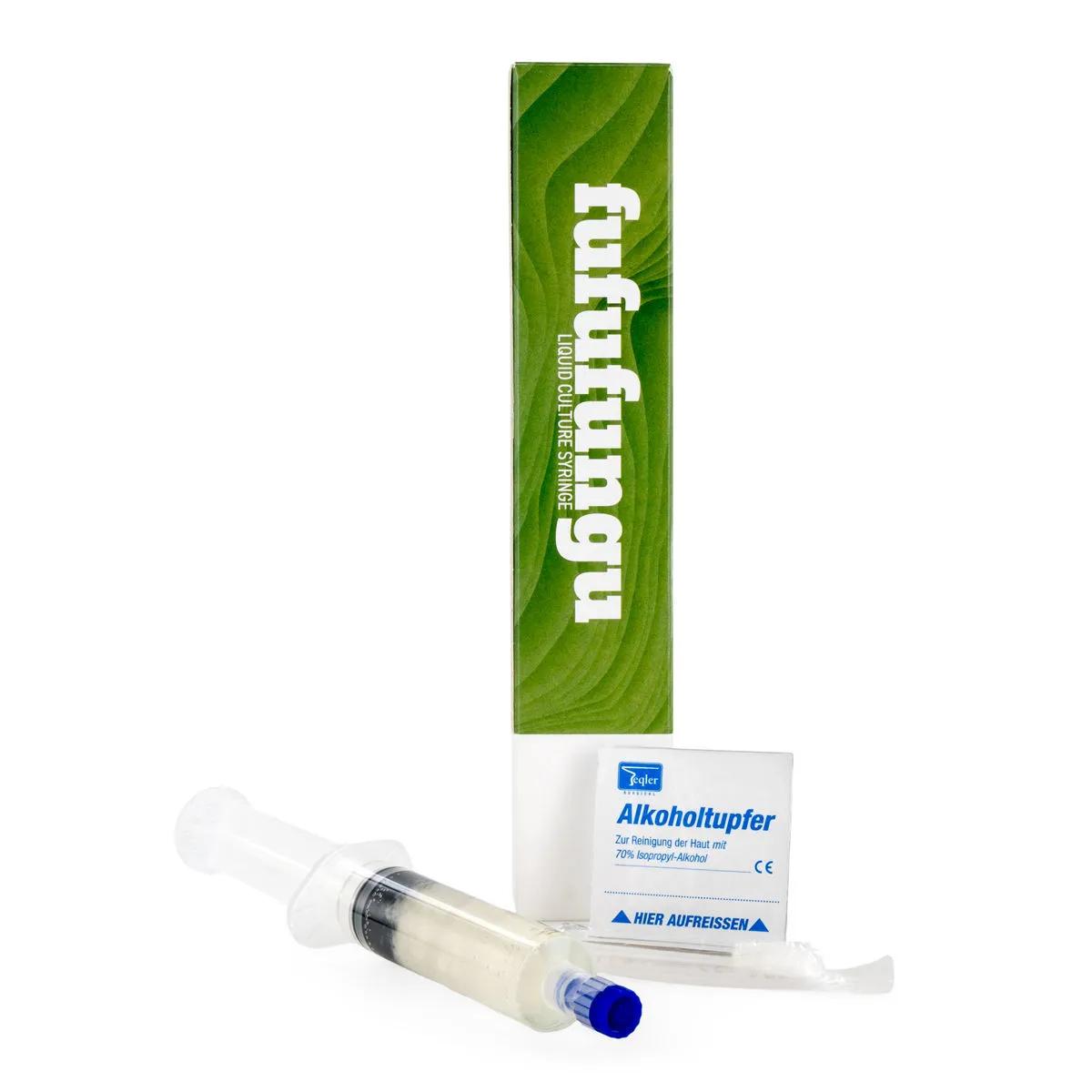
Acid Shroomz packs everything you need for a clean inoculation into one kit. No hunting around for extras.
| Item | Details |
|---|---|
| Liquid culture syringe | 1x 20ml syringe containing live Cambodia cubensis mycelium |
| Sterilised needle | 1x individually wrapped, ready to attach |
| Alcohol wipes | 2x for injection port and surface sterilisation |
| Spec | Value |
|---|---|
| Brand | Acid Shroomz |
| SKU | SH0174 |
| Species | Psilocybe cubensis (Cambodia) |
| Culture type | Liquid culture (live mycelium) |
| Syringe volume | 20ml |
| Colonisation speed | Fast |
| Flush density | High — multiple dense flushes |
| Potency | Moderate |
| Suitable substrates | Grain spawn, coco coir, BRF |
| Shelf life | Use within 2 months; refrigerate for longer storage |
| Storage | Cool, dark place — avoid freezing and direct sunlight |
| Cultivation difficulty | Beginner-friendly |
| Origin | Near Angkor Wat, Cambodia — collected by John Allen |
Complete your setup: pair this Cambodia liquid culture syringe with a grain spawn bag and a monotub grow kit for the fastest path from inoculation to first flush. If you're comparing strains, the Golden Teacher Liquid Culture Syringe from Acid Shroomz is another solid beginner option with a slightly different character — a touch more introspective, a touch less aggressive on colonisation speed.
Here's the honest difference: a spore syringe contains dormant spores that still need to germinate and find each other before mycelium can form. A liquid culture syringe contains live, actively growing mycelium suspended in a nutrient solution. That head start translates to noticeably faster colonisation — we're talking days shaved off the timeline, not hours.
For Cambodia specifically, this matters. The strain already colonises fast from spores. Give it a running start with liquid culture and you're looking at grain jars showing visible mycelial growth within a few days of inoculation. Faster colonisation means less time for contaminants like trichoderma or cobweb mould to establish themselves, which is the number one reason beginners lose batches.
The one honest limitation: liquid culture syringes have a shorter shelf life than spore syringes. Acid Shroomz recommends using this within 2 months. You can extend that by storing it in the fridge (not the freezer — freezing kills live mycelium), but don't buy three syringes and let them sit for six months. Buy what you'll use soon.
We get asked a lot which strain is the best first grow. There's no single answer, but Cambodia is always in the conversation alongside Golden Teacher and B+. The difference? Cambodia tends to produce denser flushes with slightly smaller individual fruits, while Golden Teacher gives you fewer but larger mushrooms. Both colonise well. Both forgive minor mistakes. Pick Cambodia if you want volume; pick Golden Teacher if you want size.
One thing worth mentioning: the caps on Cambodia fruits can look a bit pale and underwhelming compared to the deep golden caps you see in grow-diary photos of other strains. Don't let that put you off. The fruiting body appearance doesn't correlate with potency. What matters is the density of each flush and the total yield across multiple harvests — and Cambodia delivers on both counts.
Psilocybin — the active compound in cubensis mushrooms — converts to psilocin in the body, where it interacts with serotonin receptors. According to research published in the Journal of Psychopharmacology, psilocybin's dependence potential is low and adverse reactions are typically short-lived (PMC6007659). However, a study on self-treatment with psychedelics noted that for roughly a quarter of those reporting negative outcomes, effects lasted over 4 weeks (PMC10350727). Set, setting, and dose matter enormously.
Psilocybin can interact badly with stimulants, other serotonergic substances, and SSRIs. According to a review in Modern Clinical Medicine, psychotic disorders including schizophrenia are generally considered absolute contraindications for psilocybin use (PMC12001667). If you're on any medication — particularly antidepressants, lithium, or MAOIs — do your research thoroughly before combining.
A liquid culture syringe contains live, actively growing mycelium in a nutrient solution. A spore syringe contains dormant spores that still need to germinate. Liquid culture colonises substrate significantly faster — often days sooner — because the mycelium already has a head start. For Cambodia cubensis, this speed advantage reduces contamination risk considerably.
For a standard 1kg grain spawn bag, inject 3–5ml through the self-healing injection port. This gives you enough syringe for 4–6 separate bags from a single 20ml syringe. Using less than 2ml per bag slows colonisation; using more than 5ml adds excess moisture without much benefit.
Keep it in a cool, dark place — a fridge (4–8°C) is best. Never freeze it, as ice crystals destroy live mycelium. Acid Shroomz recommends using the syringe within 2 months of purchase. Refrigeration can extend viability somewhat, but don't push it past 3 months.
Yes — it's one of the most forgiving cubensis strains available. Fast colonisation means a shorter window for contamination, and it performs well on common substrates like grain spawn and coco coir. The dense flushes are rewarding even if your technique isn't flawless yet. If you want something equally beginner-friendly but with larger individual fruits, consider Golden Teacher.
Cambodia sits in the moderate potency range for Psilocybe cubensis. Expect noticeable visual and auditory distortion at standard doses. It's less intense than strains like Penis Envy or APE, which makes it more manageable for people still finding their comfort level. Higher doses still produce strong effects — start low and be patient.
Liquid culture syringes are designed for inoculating grain spawn bags or sterilised grain jars, not pre-colonised grow kits. If you want a simpler all-in-one approach, look at a ready-to-fruit mushroom grow kit instead. The liquid culture route gives you more control but requires a few extra steps and supplies.
Cambodia is known for producing multiple dense flushes — typically 3–5 from a well-maintained monotub. Each successive flush tends to produce fewer but larger fruits. Keep surface conditions humid, maintain fresh air exchange, and soak the substrate between flushes to rehydrate it.
Last updated: April 2026
Medical disclaimer. This content is for informational purposes only and does not constitute medical advice. Consult a qualified healthcare provider before use of any substance.