Culture Syringes
by Acid Shroomz
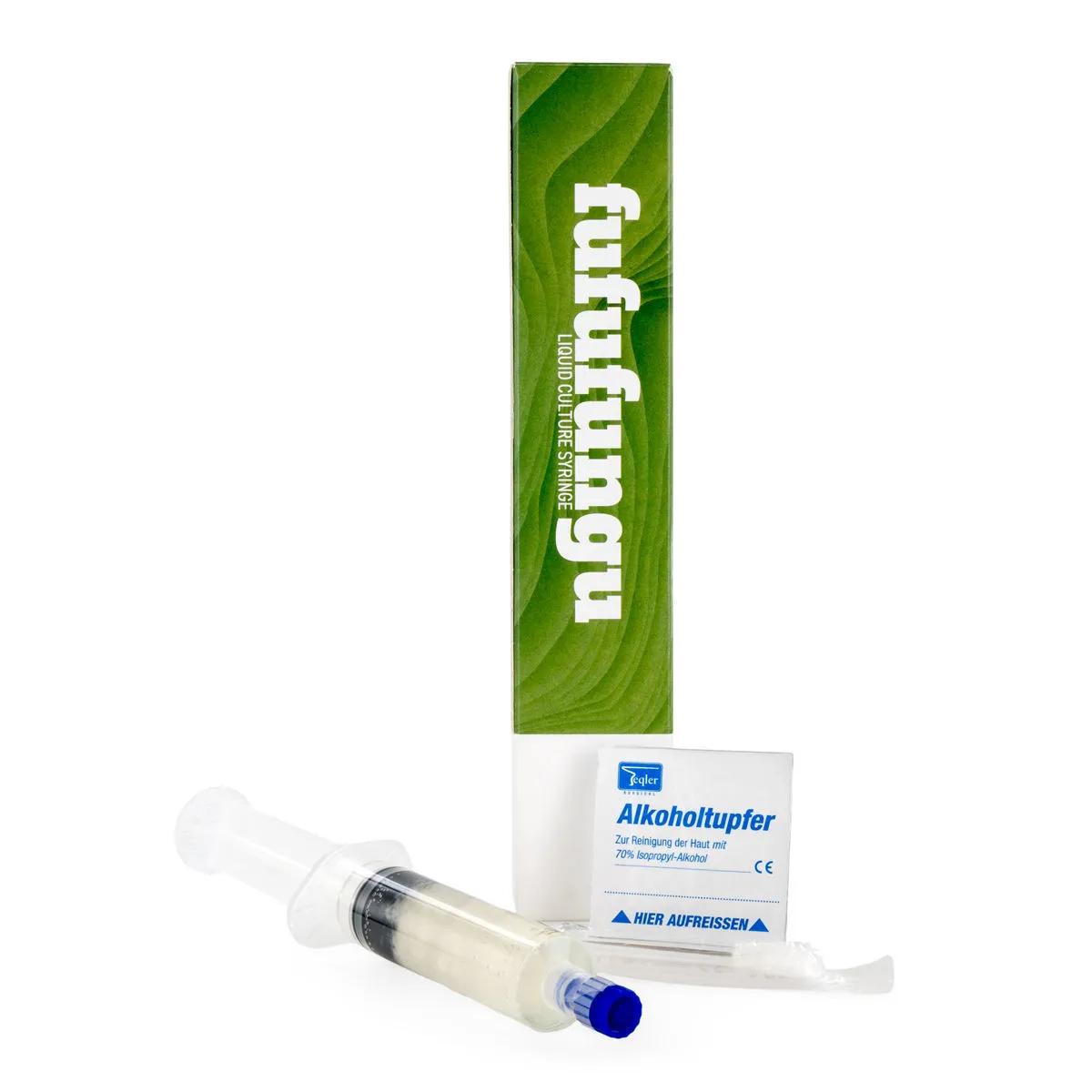
The Hawaii Liquid Culture Syringe is a 20ml syringe containing live Psilocybe cubensis Hawaii mycelium suspended in nutrient solution, designed to cut your colonisation time significantly compared to traditional spore syringes. Where spores need to germinate and then form mycelium before colonising your substrate, liquid culture skips that first step entirely — the mycelium is already alive and growing. The result? Faster colonisation, fewer stall-outs, and a more predictable timeline from inoculation to first flush.
Liquid culture is live mycelium in a nutrient-rich solution — not dormant spores waiting to wake up. That distinction matters more than most beginners realise. A spore syringe contains millions of spores that first need to germinate, then find a compatible mating partner, and only then begin forming the mycelial network that colonises your grain. Liquid culture has already done all of that. You're injecting an active, growing organism directly into your substrate.
We've seen the difference behind the counter for over two decades. Customers who switch from spores to liquid culture consistently report colonisation times dropping by days — sometimes a full week. With Psilocybe cubensis Hawaii specifically, you're working with a strain that's already known for being cooperative and straightforward. Pair that genetic willingness with the head start liquid culture provides, and you've got one of the most beginner-friendly combinations available.
The one honest limitation: shelf life. Spore syringes can sit in a fridge for months and still perform. Liquid culture is alive, which means it's also mortal. Acid Shroomz recommends using this syringe within 2 months of delivery. That's not a suggestion — it's the window where you'll get reliable results. After that, the mycelium can weaken, contamination risk climbs, and you're rolling dice you don't need to roll.
Psilocybe cubensis Hawaii is a strain with a name that's more geographical marketing than actual origin story. Nobody's entirely sure where the genetics originated — the first company to commercialise it happened to be based in Honolulu, and the name stuck. What we do know is how it grows and what it produces. Hawaii colonises quickly, fruits reliably, and doesn't throw tantrums when conditions aren't laboratory-perfect. For a first-time grower, that forgiveness is worth its weight in substrate.
In terms of the mushrooms themselves, Hawaii produces medium-sized fruits with golden-brown caps and sturdy stems. They're not the biggest specimens you'll ever see, but the flushes tend to be consistent and the yields respectable for a cubensis strain. The visual appearance is classic Psilocybe — nothing exotic, nothing intimidating, just solid mushrooms that do what they're supposed to do.
| Specification | Detail |
|---|---|
| Brand | Acid Shroomz |
| SKU | SH0151 |
| Species | Psilocybe cubensis |
| Strain | Hawaii |
| Syringe Volume | 20ml |
| Inoculation Rate | 2–5ml per litre/quart jar of sterilised grain |
| Shelf Life | Up to 2 months (refrigerated recommended) |
| Storage | Cool, dark place — refrigerator is best |
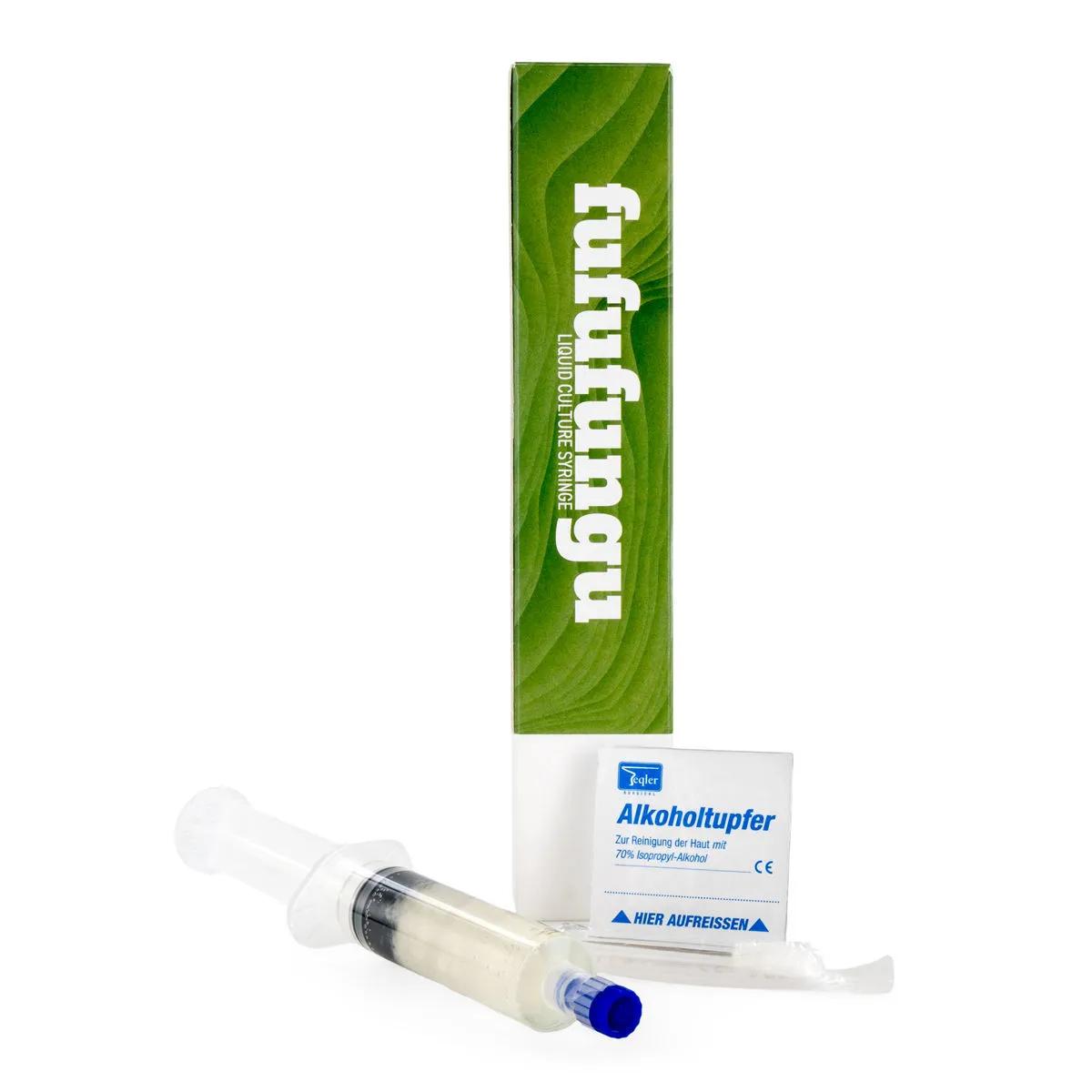
| Kit Contents | 1x 20ml liquid culture syringe, 2x alcohol wipes, 1x sterilised needle |
| Colonisation Speed | Faster than spore syringes — active mycelium, no germination phase |
Complete your grow setup with a sterilised grain spawn jar and a substrate bag. If you're new to cultivation, a complete mushroom grow kit takes the guesswork out of substrate preparation entirely — just inoculate and wait. Pair this liquid culture with a still air box or laminar flow hood for the cleanest possible inoculation.
The gap between "I want to grow mushrooms" and "I'm harvesting my first flush" is mostly filled with waiting. Waiting for spores to germinate. Waiting for mycelium to establish. Waiting and wondering if that jar is contaminated or just slow. Liquid culture compresses that timeline because you're not starting from zero — you're starting from a living, expanding mycelial network that's ready to colonise the moment it touches grain.
We've talked to growers who lost entire batches because their spore syringes were too old, too sparse, or simply unlucky with genetics. Liquid culture reduces that variance. Every millilitre contains visible strands of mycelium — you can actually see the culture floating in the syringe before you use it. That's not just reassuring, it's functional. Those mycelial fragments are colonisation starting points, and the more you have, the faster your grain jar gets fully colonised and the smaller the window for contaminants to take hold.
Acid Shroomz has built a reputation specifically around liquid cultures. They're not a company that bolted LC onto an existing spore catalogue — it's their focus. The Hawaii strain in particular is one of their more accessible offerings: forgiving genetics, reliable colonisation, and a growth pattern that doesn't punish small mistakes in temperature or humidity.
After 25 years of selling cultivation supplies from our Amsterdam shop, the single biggest upgrade we've seen growers make isn't a fancier tent or a more exotic strain — it's switching from spores to liquid culture. The success rate jumps noticeably. We get far fewer "my jar's been sitting for three weeks and nothing's happening" conversations from LC users than from spore syringe users.
The one thing to watch out for: contamination in the syringe itself. Liquid culture is a nutrient-rich environment, which means it's not just good for mycelium — bacteria love it too. Before you use the syringe, hold it up to a light. Healthy mycelium looks like wispy white clouds or cotton-like strands floating in clear or slightly yellowish liquid. If the liquid is cloudy, murky, or has an unusual colour, don't use it. A contaminated LC syringe will ruin every jar it touches. Acid Shroomz produces their cultures under sterile conditions, but storage and shipping can sometimes introduce issues — always do a visual check.
Compared to the Golden Teacher liquid culture (also available from Acid Shroomz), Hawaii colonises at a similar speed but tends to produce slightly smaller individual fruits with more of them per flush. If you want fewer, larger mushrooms, Golden Teacher might suit you better. If you want a reliable carpet of medium-sized fruits, Hawaii is the one we'd pick.
The 20ml syringe should be stored in the refrigerator at 2–8°C, protected from UV light. Acid Shroomz recommends using it within 2 months of delivery for best results. The mycelium is alive — it metabolises the nutrients in the solution over time, and eventually those nutrients run out. An old liquid culture doesn't just slow down; it can die entirely, leaving you with an expensive syringe of sugar water.
| Storage Condition | Expected Viability |
|---|---|
| Room temperature (20–25°C) | Up to 2 months — use quickly |
| Refrigerated (2–8°C) | Up to 2 months, potentially longer with healthy culture |
| Frozen | Not recommended — ice crystals damage mycelium |
| Direct sunlight | Rapidly degrades — avoid entirely |
A spore syringe contains dormant spores that need to germinate before forming mycelium. Liquid culture contains live, actively growing mycelium in a nutrient solution. The practical difference is speed — liquid culture skips the germination phase entirely, so colonisation of your grain substrate starts immediately upon inoculation.
At the recommended rate of 2–5ml per litre jar, a single 20ml syringe can inoculate 4–10 jars. Using 3ml per jar is a reliable middle ground, giving you roughly 6 jars per syringe.
Hold the syringe up to a light source. Healthy mycelium appears as white, wispy, cotton-like strands in clear or slightly yellowish liquid. If the liquid is cloudy, opaque, or has green, black, or orange discolouration, the culture is likely contaminated and should not be used.
Yes. Flame-sterilise the needle with a lighter, let it cool, dry the tip thoroughly, replace the protective cap, seal in a ziplock bag, and refrigerate. Residual moisture on the needle causes rust, so drying is not optional — take the extra 30 seconds.
Yes — it's one of the more forgiving cubensis strains available. Hawaii colonises reliably, tolerates minor fluctuations in temperature and humidity, and produces consistent flushes. If you're growing for the first time, it's a solid choice alongside classics like Golden Teacher and B+.
The mycelium settles and clumps together during storage. Shaking for 10–15 seconds breaks apart these clumps and distributes the mycelial fragments evenly throughout the liquid. Without shaking, you'll deposit all the culture in one spot, leading to uneven colonisation and slower overall growth.
Rye grain, whole oats, and wheat berries all work well with Psilocybe cubensis Hawaii. Rye is the most popular choice among growers we talk to — it holds moisture well and provides plenty of surface area for mycelium to colonise. Whichever grain you choose, it must be properly sterilised before inoculation.
Last updated: April 2026
Medical disclaimer. This content is for informational purposes only and does not constitute medical advice. Consult a qualified healthcare provider before use of any substance.