

Thai Liquid Culture Syringe (Acid Shroomz)
Culture Syringes
by Acid Shroomz
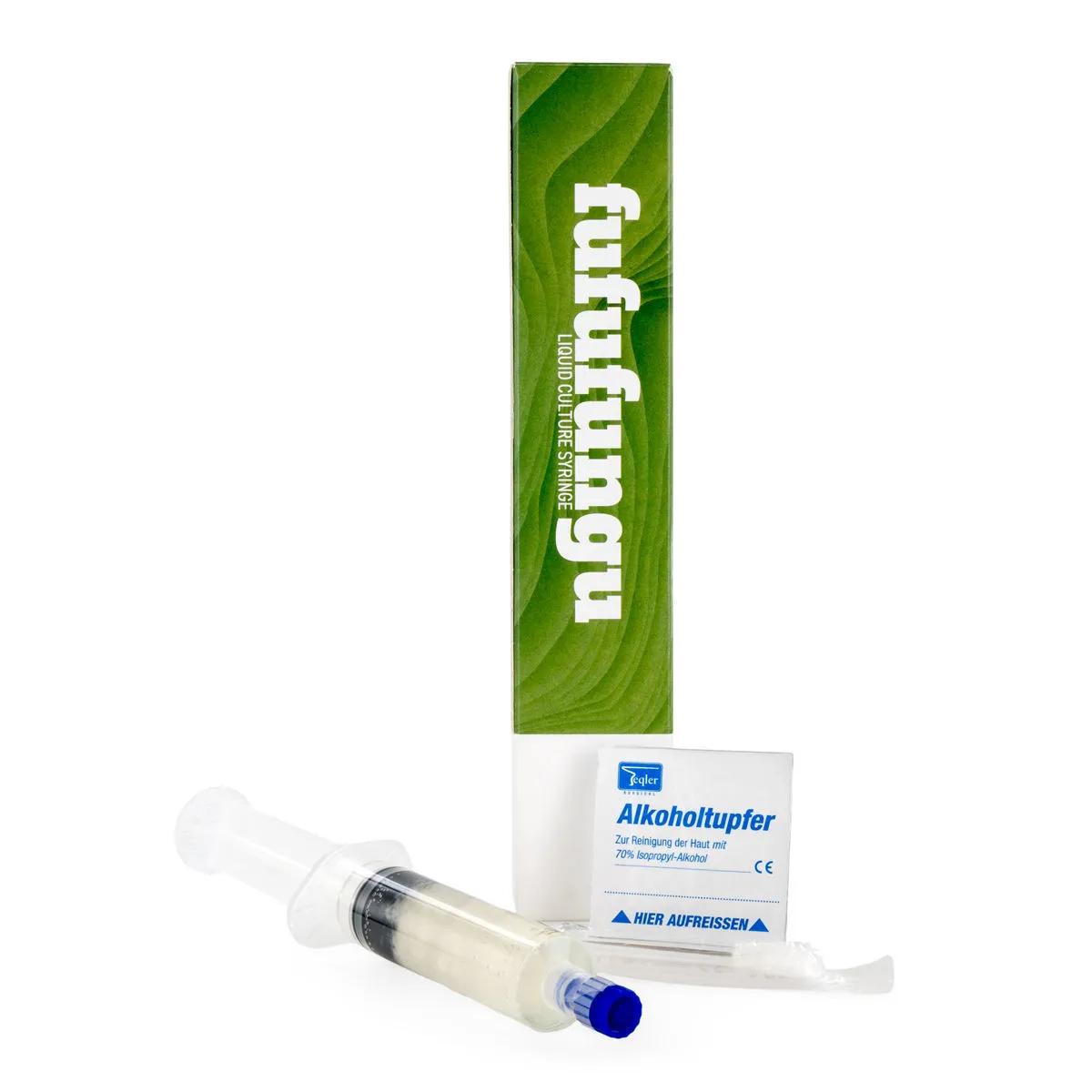
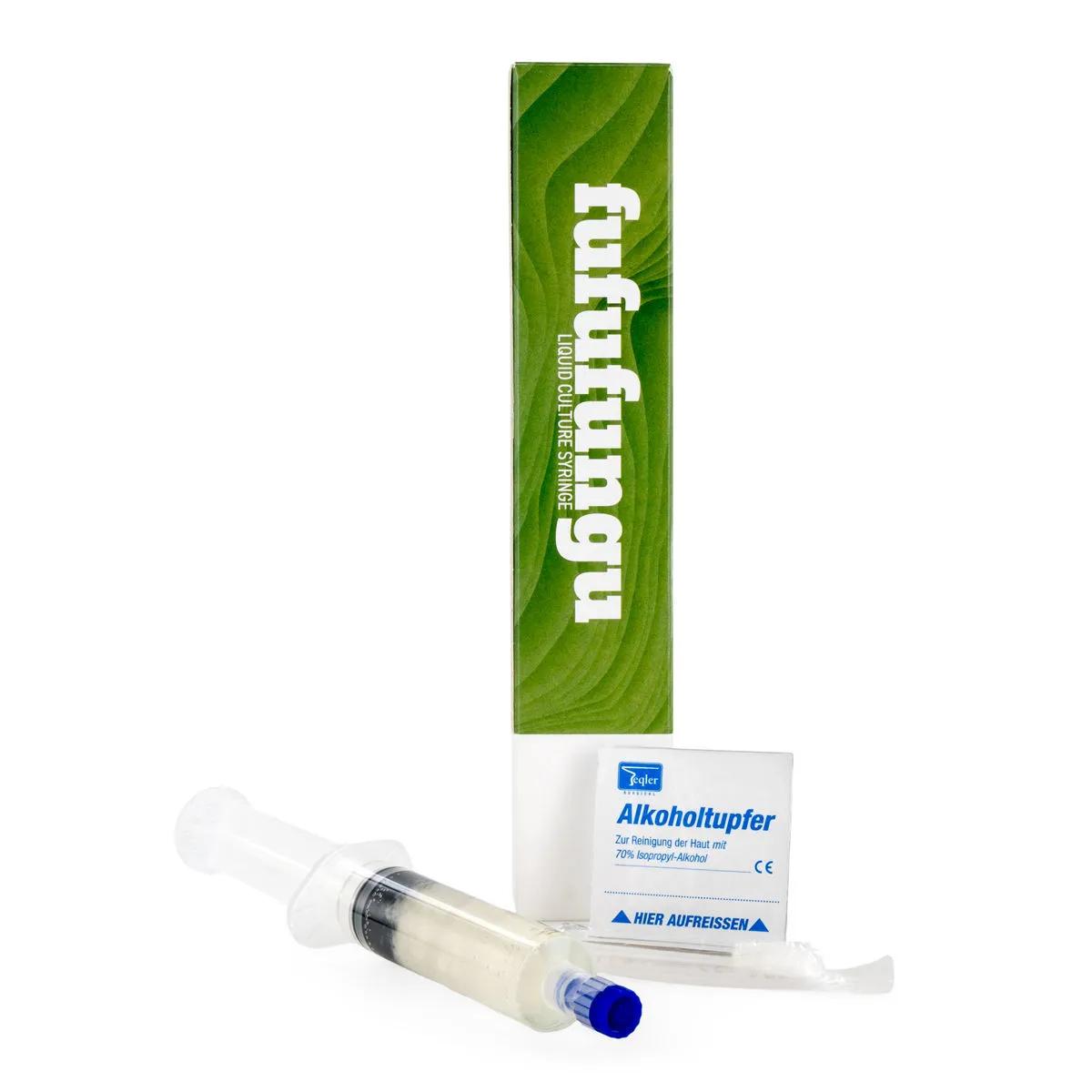
Thai Liquid Culture Syringe by Acid Shroomz
The Thai Liquid Culture Syringe is a ready-to-inoculate cultivation tool containing live Psilocybe cubensis mycelium from the Thai strain — one of the most forgiving varieties for growers who are still finding their feet. First collected by ethnomycologist John Allen on Koh Samui, Thailand's second-largest island, this strain has earned a solid reputation for contamination resistance, heat tolerance, and reliable multi-flush harvests. If you've never inoculated a substrate before, this is the syringe to start with.
Why the Thai Strain Suits First-Time Cultivators
The Thai liquid culture syringe solves the biggest problem new growers face: losing an entire batch to contamination before seeing a single pin. We've watched customers bin three grow attempts in a row because they picked a fussy strain that punished every small mistake. The Thai mushroom doesn't do that. Its natural resistance to contaminants and above-average heat tolerance mean your margin for error is genuinely wider than with most Psilocybe cubensis varieties.
That heat tolerance is worth highlighting. Most cubensis strains want a tight 23–26°C colonisation window. The Thai strain pushes through at slightly higher ambient temperatures without stalling — a real advantage if you're growing in a warm flat without climate control. We've seen growers in southern European summers pull off clean flushes with this strain where a B+ or Ecuador would have stalled out.
Then there's the yield. Because the Thai strain is vigorous and forgiving, you can realistically expect multiple flushes from a single inoculated substrate. First-time growers regularly report 2–3 productive flushes. With a bit of experience and proper hydration between flushes, 4 isn't unusual. That's a lot of mushrooms from one syringe.
Thai Mushroom Appearance and Growth Characteristics
The Thai mushroom produces short, thick stems topped with distinctive golden-brown caps that flatten out as they mature. Fresh out of the substrate, the caps have a warm caramel tone that deepens with age. The stems are creamy white, dense, and stocky — noticeably chunkier than the spindly pins you get from some other cubensis strains. People often confuse them with Lipa Yai at first glance, but side by side the differences are clear: Thai fruits are more compact, with thicker flesh and a squatter profile.
One honest limitation: the Thai strain doesn't produce the tallest or most photogenic mushrooms. If you're after those towering, elegant-looking fruits for the gram, something like a Golden Teacher will give you more visual drama. But what the Thai lacks in height it makes up for in density and reliability. The mushrooms feel solid when you pick them — there's a satisfying weight to them that tells you the mycelium did its job properly.
Thai Liquid Culture Syringe Specifications
| Specification | Detail |
|---|---|
| Brand | Acid Shroomz |
| Product type | Liquid culture syringe |
| Strain | Thai (Koh Samui origin) |
| Species | Psilocybe cubensis |
| SKU | SH0173 |
| Contents | Live mycelium in nutrient solution |
| Colonisation temperature | 24–28°C (tolerates higher) |
| Fruiting temperature | 21–25°C |
| Contamination resistance | High |
| Potency | Moderate (mid-range psilocybin) |
| Expected flushes | 2–4 with proper care |
| Substrate compatibility | Broad — rye grain, brown rice flour, straw, coco coir |
| Cap colour | Golden-brown |
| Stem profile | Short, thick, creamy white |
| Discoverer | John Allen |
Liquid Culture vs. Spore Syringe: Which Should You Use?
A liquid culture syringe contains living mycelium suspended in a nutrient broth, while a spore syringe contains ungerminated spores in sterile water. The practical difference is speed. With liquid culture, the mycelium is already alive and growing — once it hits your substrate, colonisation begins almost immediately. Spore syringes need to germinate first, which adds days to your timeline and introduces another stage where contamination can creep in.
| Feature | Liquid Culture Syringe | Spore Syringe |
|---|---|---|
| Contents | Live mycelium in nutrient solution | Ungerminated spores in sterile water |
| Colonisation speed | Faster — mycelium is already active | Slower — spores must germinate first |
| Contamination risk during colonisation | Lower — rapid colonisation outpaces contaminants | Higher — slow start gives contaminants a window |
| Genetic consistency | More uniform — cloned from a single culture | More varied — multispore genetics |
| Shelf life | Shorter — living culture needs use within weeks | Longer — spores remain viable for months |
| Best for | Growers who want fast, reliable results | Microscopy or long-term storage |
For the Thai strain specifically, liquid culture is the best option for beginners. The strain's natural vigour combined with the head start from living mycelium means you'll see colonisation progress within days, not weeks. That visible progress keeps you motivated — and more critically, it means contaminants have less time to establish before the mycelium takes over.
Complete your setup with a substrate and fruiting container. Pair this Thai liquid culture syringe with a ready-made grow kit or bulk substrate bag for the fastest route from inoculation to harvest. If you're comparing strains, the Golden Teacher Liquid Culture Syringe by Acid Shroomz is another strong pick for first-timers, with slightly more visual potency and taller fruits.
How to Use the Thai Liquid Culture Syringe
- Sterilise your workspace thoroughly. Wipe down all surfaces with isopropyl alcohol (70%), wear gloves, and work near a still-air box or laminar flow hood if you have one. Contamination happens in the first 30 seconds of exposure — not after an hour.
- Shake the syringe gently for 10–15 seconds to break up and distribute the mycelium clumps evenly throughout the liquid. You should see small white wisps swirling — that's the living culture.
- Remove the cap from the syringe needle. Flame-sterilise the needle tip with a lighter until it glows orange, then let it cool for 5–10 seconds. Don't blow on it.
- Inject 2–5 ml of liquid culture into your prepared substrate. For grain jars, inject through the self-healing injection port. For bags, inject through the filter patch area after wiping it with alcohol. Multiple injection points (2–3 per jar or bag) speed up colonisation.
- Seal the injection site with micropore tape if there's no self-healing port. Store the inoculated substrate at 24–28°C in a dark location. The Thai strain tolerates slightly higher temps than most cubensis varieties.
- Check for visible mycelium growth after 5–7 days. White, fluffy growth radiating from injection points is healthy. Green, black, or orange patches mean contamination — isolate and discard that container immediately.
- Once the substrate is 80–100% colonised (typically 14–21 days), introduce fruiting conditions: fresh air exchange, indirect light for 12 hours daily, humidity above 90%, and a temperature drop to 21–25°C.
- Harvest mushrooms just before or as the veil beneath the cap begins to tear. Twist and pull gently at the base. After harvesting, soak the substrate in cold water for 6–12 hours to rehydrate, then return to fruiting conditions for the next flush.
From Our Counter: What We've Seen with the Thai Strain
We've been stocking Thai genetics for years, and the feedback pattern is remarkably consistent. New growers pick it because it's labelled beginner-friendly, and then they're genuinely surprised when it actually delivers without drama. The most common message we get is some version of "I didn't expect it to be this easy." The Thai strain doesn't need hand-holding. It colonises grain jars fast, it pushes through less-than-perfect substrate mixes, and it fruits in conditions that would stall a more temperamental variety.
The one thing we'd flag: don't skip the sterile technique just because the Thai is forgiving. "High contamination resistance" doesn't mean "immune to contamination." We've seen growers get overconfident after a clean first flush and then lose their second batch because they stopped wiping things down. The strain gives you more room for error — it doesn't eliminate error entirely. Treat every inoculation like it matters, because it does.
Potency and Psilocybin Content of the Thai Mushroom
The Thai strain sits in the moderate range for psilocybin content within the Psilocybe cubensis family. It's not a powerhouse like Penis Envy or Tidal Wave, and it's not as gentle as a Mazatapec. Think of it as a comfortable middle ground — enough active compound to produce vivid visual shifts and introspective depth, without the intensity that catches new users off guard.
According to research published in the Journal of Psychopharmacology, psilocybin — the primary active compound in Psilocybe cubensis — converts to psilocin in the body, which then binds to serotonin 5-HT2A receptors (Dos Santos et al., 2018). According to a 2020 study by Johns Hopkins Medicine, psilocybin produced substantial and sustained decreases in depression and anxiety measures in participants, with over 70% of participants rating it among the most personally meaningful experiences of their lives (Griffiths et al., 2016). These findings relate to clinical settings with controlled doses and professional guidance — they're not a promise attached to any particular mushroom strain.
According to a modern overview published in PMC, psychotic disorders including schizophrenia are generally considered absolute contraindications for psilocybin use (PMC, 2025). And according to a self-treatment investigation, experienced negative effects were usually short-lasting, but for a quarter of those reporting negative outcomes, these lasted for over 4 weeks (PMC, 2023). Set, setting, and dose matter enormously. Respect the compound.
Safety and Interactions
Psilocybin-containing mushrooms interact with serotonergic systems, which means caution is warranted if you're taking SSRIs, SNRIs, MAOIs, lithium, or other serotonin-active medications. Combining psilocybin with stimulants or other serotonergic substances can increase the risk of adverse reactions. If you're on any medication that affects serotonin levels, speak with a healthcare professional before making decisions.
Storage matters too. Keep the liquid culture syringe refrigerated (2–8°C) until you're ready to use it. Living mycelium has a limited shelf life — use it within 2–4 weeks of receipt for the best colonisation speed and vigour. Don't freeze it; ice crystals destroy the cell structure.
Frequently Asked Questions
How fast does the Thai liquid culture colonise grain substrate?
Expect visible mycelium growth within 5–7 days of inoculation and full colonisation in 14–21 days at 24–28°C. The Thai strain colonises faster than average cubensis varieties thanks to its vigorous genetics and the head start that liquid culture provides over spore syringes.
How many flushes can I get from one Thai liquid culture syringe?
One syringe can inoculate multiple jars or bags (2–5 ml per container). Each successfully colonised container typically produces 2–4 flushes. Rehydrate the substrate between flushes by soaking in cold water for 6–12 hours.
What substrate works best for the Thai mushroom strain?
The Thai strain is remarkably unfussy about substrate. It performs well on rye grain, brown rice flour, straw, coco coir, and vermiculite-based mixes. This broad compatibility is one of the reasons it's recommended for beginners who may not have access to specialised materials.
How does the Thai strain compare to Golden Teacher?
Both are solid beginner strains. Golden Teacher produces taller, more elegant-looking fruits with slightly higher reported potency. The Thai strain is stockier, more contamination-resistant, and more tolerant of temperature fluctuations. If reliability is your priority, go Thai. If you want a bit more visual drama in your grow, go Golden Teacher.
Can the Thai strain handle higher growing temperatures?
Yes — the Thai strain's Koh Samui origins give it above-average heat tolerance. It colonises comfortably at 24–28°C and can push through brief spikes above that range without stalling. Most cubensis strains slow down or contaminate above 27°C.
What's the difference between Thai and Lipa Yai mushrooms?
They look similar — creamy white stems, golden-brown caps — but the Thai mushroom has noticeably shorter, thicker stems and caps that flatten more as they mature. The Thai strain also shows better contamination resistance and heat tolerance in cultivation.
How should I store the liquid culture syringe before use?
Refrigerate at 2–8°C and use within 2–4 weeks. Don't freeze it — ice crystals destroy the living mycelium. Shake gently before use to redistribute the culture evenly.
Last updated: April 2026
Medical disclaimer. This content is for informational purposes only and does not constitute medical advice. Consult a qualified healthcare provider before use of any substance.