Spore Prints
by MRCA Mushroom Research Center Austria GmbH
A Psilocybe Cubensis B+ spore print is a laboratory-grade deposit of spores from one of the most popular and forgiving Cubensis strains, collected on foil under sterile conditions for microscopy research and home cultivation. The B+ — short for "be positive" — earned its reputation through reliably large fruit bodies, vigorous colonisation, and a tolerance for less-than-perfect growing conditions that makes it a favourite among first-time cultivators and seasoned growers alike.
The B+ strain produces some of the largest fruit bodies you'll see from any Cubensis variety — thick stems, wide caps, and a growth habit that fills a tub impressively. We've been stocking B+ for years, and the reason is simple: it works. Where fussier strains punish small mistakes in humidity or temperature, B+ shrugs them off and keeps colonising. That forgiveness is why it's consistently among our top sellers.
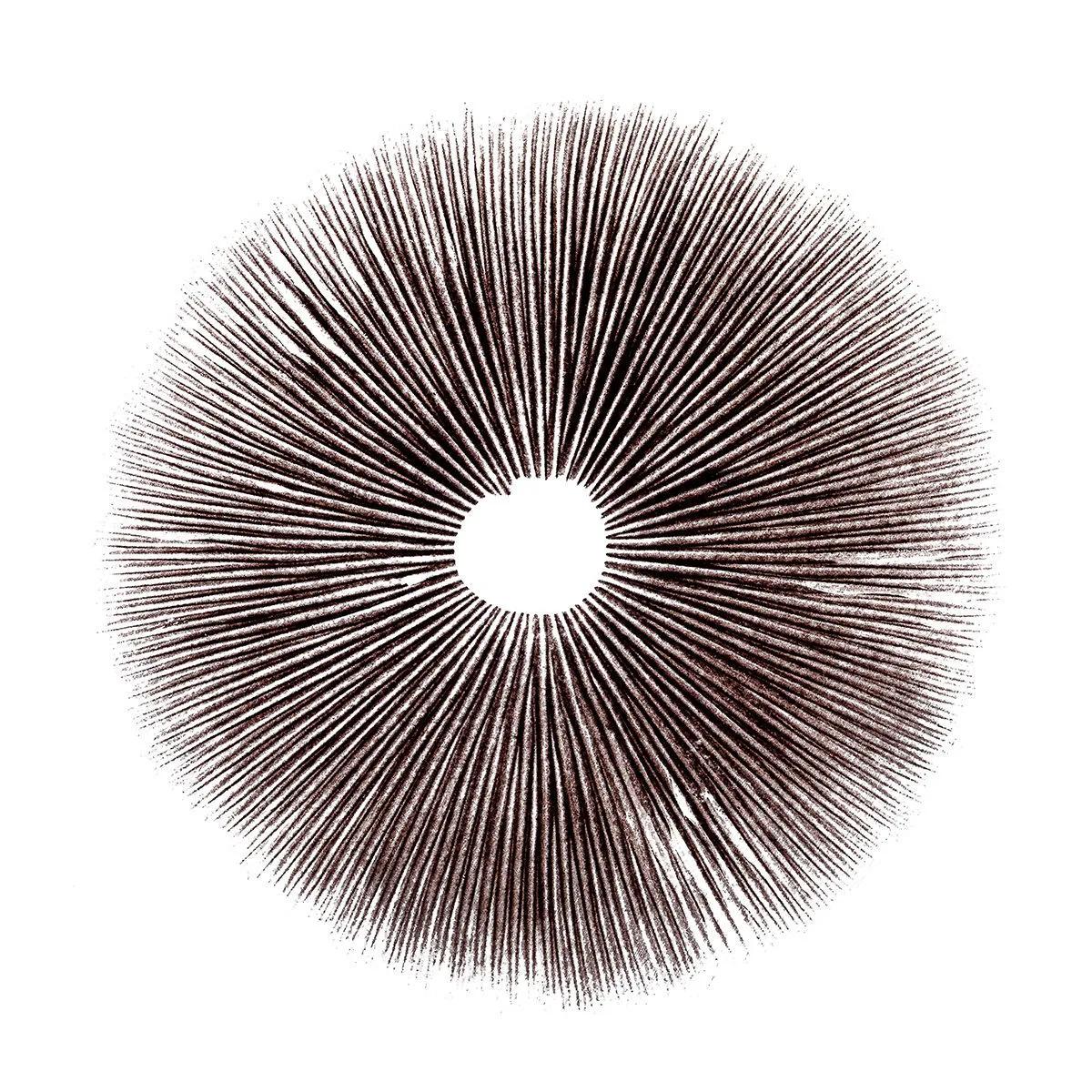
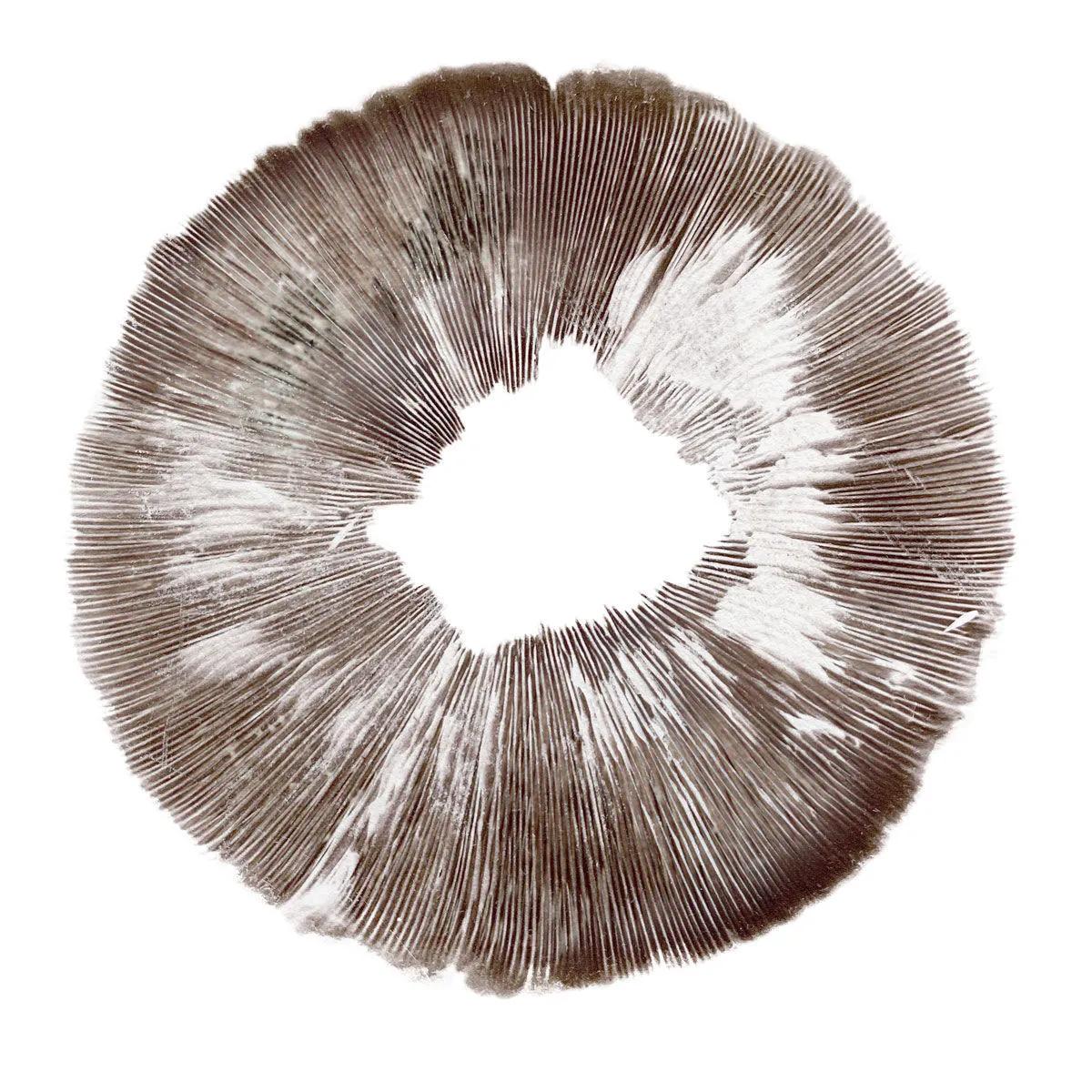
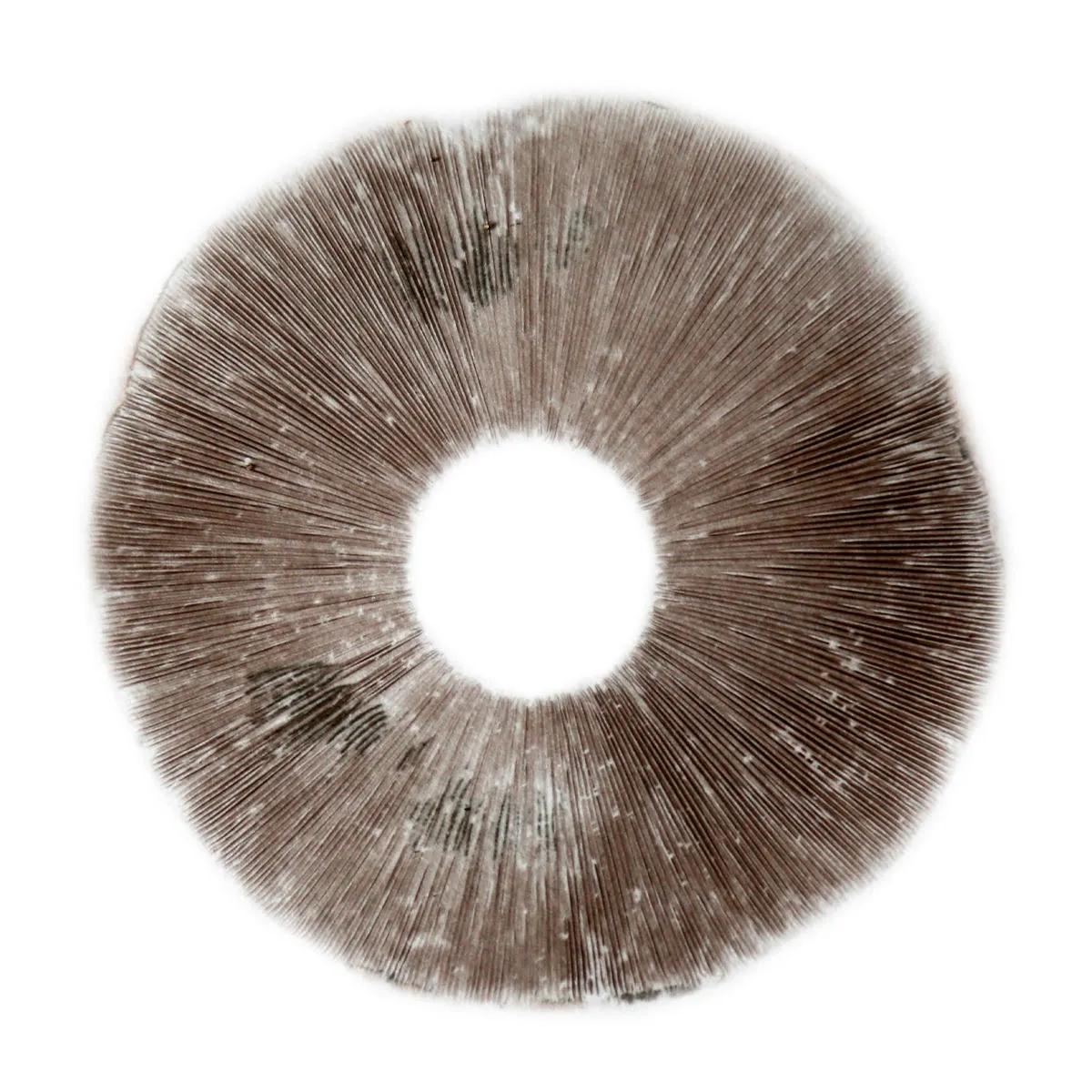
This particular spore print is produced by one of the most reliable experts in mushroom-related products. You can feel the difference when you open the foil — a dense, dark purple-brown deposit with clearly visible spore clusters. A thin, patchy print is a sign of careless harvesting or weak genetics. This one is neither. It's the kind of print that makes you confident before you've even started work.
The one honest limitation: a spore print requires a bit more hands-on preparation than a ready-made spore syringe. You'll need to scrape spores into sterile water yourself or inoculate agar plates directly. If that sounds like too much fuss for your first attempt, a pre-filled syringe might be the easier starting point. But if you want to learn proper technique — and potentially produce dozens of syringes from a single print — this is the more economical and educational route.
A spore print gives you raw material and flexibility. A spore syringe gives you convenience. Here's how they compare in practice:
| Feature | Spore Print | Spore Syringe |
|---|---|---|
| Shelf life | Years (stored cool and dry) | 6-12 months refrigerated |
| Spore quantity | Millions — enough for 10+ syringes | Fixed volume (typically 10-20ml) |
| Preparation needed | Scrape into sterile water or onto agar | Ready to inject |
| Contamination risk | Higher if technique is sloppy | Lower — sealed and hydrated |
| Cost per inoculation | Very low (many uses per print) | Higher (single-use volume) |
| Best for | Growers who want to learn sterile technique | Growers who want to start immediately |
Our take: if you're planning more than one grow, the spore print pays for itself almost immediately. One print can produce 10 or more syringes, which means your cost per inoculation drops dramatically. We'd pick the print over the syringe every time — you learn more, waste less, and always have spores on hand.
| Spec | Detail |
|---|---|
| Species | Psilocybe cubensis |
| Strain | B+ (Be Positive) |
| Product type | Spore print on aluminium foil |
| Grade | Laboratory grade |
| Spore colour | Dark purple-brown |
| Storage | Cool, dry, dark, clean — room temperature or refrigerated |
| Shelf life | Several years when stored correctly |
| SKU | SH0031 |
Complete your setup: pair this B+ spore print with a Psilocybe Cubensis grow kit for the fastest route from spore to flush. Already have a kit? Grab sterile syringes, a still air box, and some agar plates to get the most out of your print — proper sterile technique is the difference between a clean culture and a mouldy mess.
Here's what we've seen behind the counter for over 25 years: growers who start with spore prints develop better technique, faster. There's no shortcut around understanding sterile procedure, and a print forces you to learn it properly from day one. That knowledge carries over to everything — agar work, grain-to-grain transfers, liquid cultures. Skip it now and you'll hit a wall later.
The B+ strain specifically is a smart choice for building those skills. According to a 2025 study published in PMC, Psilocybe cubensis strains show varied mycelium growth rates depending on substrate and environmental conditions, with some strains demonstrating notably more robust colonisation than others (PMC12194638). B+ falls firmly in the robust camp. It colonises grain and bulk substrate with visible speed — you'll often see full colonisation of a grain jar within 14-21 days at 24-27°C. That fast feedback loop is exactly what you want when you're learning.
And there's a practical shelf-life advantage too. A spore syringe starts degrading the moment spores hit water — you've got roughly 6-12 months before viability drops. A properly stored spore print on foil can remain viable for years. We've heard from customers who successfully germinated prints stored for 3+ years in a sealed bag with a desiccant packet. That means you can buy one print now and use it across multiple projects over the coming seasons.
Psilocybe cubensis is the most widely studied psilocybin-producing mushroom species, and the B+ strain is among the most commonly cultivated varieties within that species. According to a 2022 study on DNA authentication and chemical analysis of Psilocybe species, there has been a renewed interest in psilocybin and Psilocybe spp. due to increasing evidence of therapeutic potential (PMC9764976). Research in this area is accelerating, with a 2025 study in PMC noting that preclinical studies have shown more pronounced effects of psilocybin extracts compared to isolated psilocin or psilocybin alone, supporting the idea that the full fungal chemistry matters (PMC11856550).
According to a 2024 review published in PMC, clinical trials using psilocybin for cancer-related psychological distress demonstrated rapid and sustained improvements in mood and anxiety scores (PMC12565330). And a 2018 review in PMC explored clinical potential of psilocybin as a treatment for tobacco addiction, with patients undergoing cognitive behavioural therapy alongside psilocybin administration showing promising abstinence rates (PMC6007659). This is research-grade material — studying spore morphology, germination behaviour, and mycelial growth patterns under the microscope is a legitimate and fascinating field of amateur mycology.
Keep your B+ spore print sealed in its foil, inside a zip-lock bag, in a cool, dry, dark and clean location. A fridge works brilliantly — just make sure there's no moisture getting in. Silica gel desiccant packets are cheap insurance. Avoid freezing, as ice crystal formation can damage spore cell walls. Stored properly, spore prints remain viable for years — far longer than syringes or liquid cultures.
One thing to watch out for: never open the print in a humid or dusty environment. Every time you expose the foil, you risk introducing contaminant spores from the air. Work quickly, take what you need, and reseal immediately. We've seen growers lose perfectly good prints by leaving them open on a kitchen counter for 10 minutes. Don't be that person.
A spore print is a deposit of mushroom spores dropped from a mature cap onto a sterile surface — usually aluminium foil. The spores land in the pattern of the gills, creating a distinctive print. It's the most compact and long-lasting way to store mushroom genetics.
Typically 10 or more. A single dense spore print contains millions of spores, and you only need a small scraping per syringe. One print can supply multiple grows across several seasons.
Stored in a sealed bag with desiccant in a cool, dark place, spore prints can remain viable for 2-5 years or longer. Refrigeration at 2-8°C extends viability further. Avoid moisture and direct light.
Slightly. You need to scrape spores into sterile water yourself, which requires basic sterile technique and a still air box. It takes about 20 minutes extra compared to a ready-made syringe, but you gain far more inoculations per purchase.
B+ produces large, impressive fruit bodies and colonises substrate quickly — often within 14-21 days. It's notably forgiving of temperature and humidity fluctuations, making it a reliable choice for growers still dialling in their setup.
At minimum: a still air box (a plastic tub with arm holes), isopropyl alcohol, sterile syringes, distilled water, and a scalpel or inoculation loop. No laminar flow hood required, though it helps. Total equipment cost is modest.
Yes. Scrape a tiny amount of spores directly onto a pre-poured agar plate using a sterilised loop. This is actually the preferred method for isolating clean cultures, as you can spot and transfer away from any contamination early.
Last updated: April 2026
Medical disclaimer. This content is for informational purposes only and does not constitute medical advice. Consult a qualified healthcare provider before use of any substance.