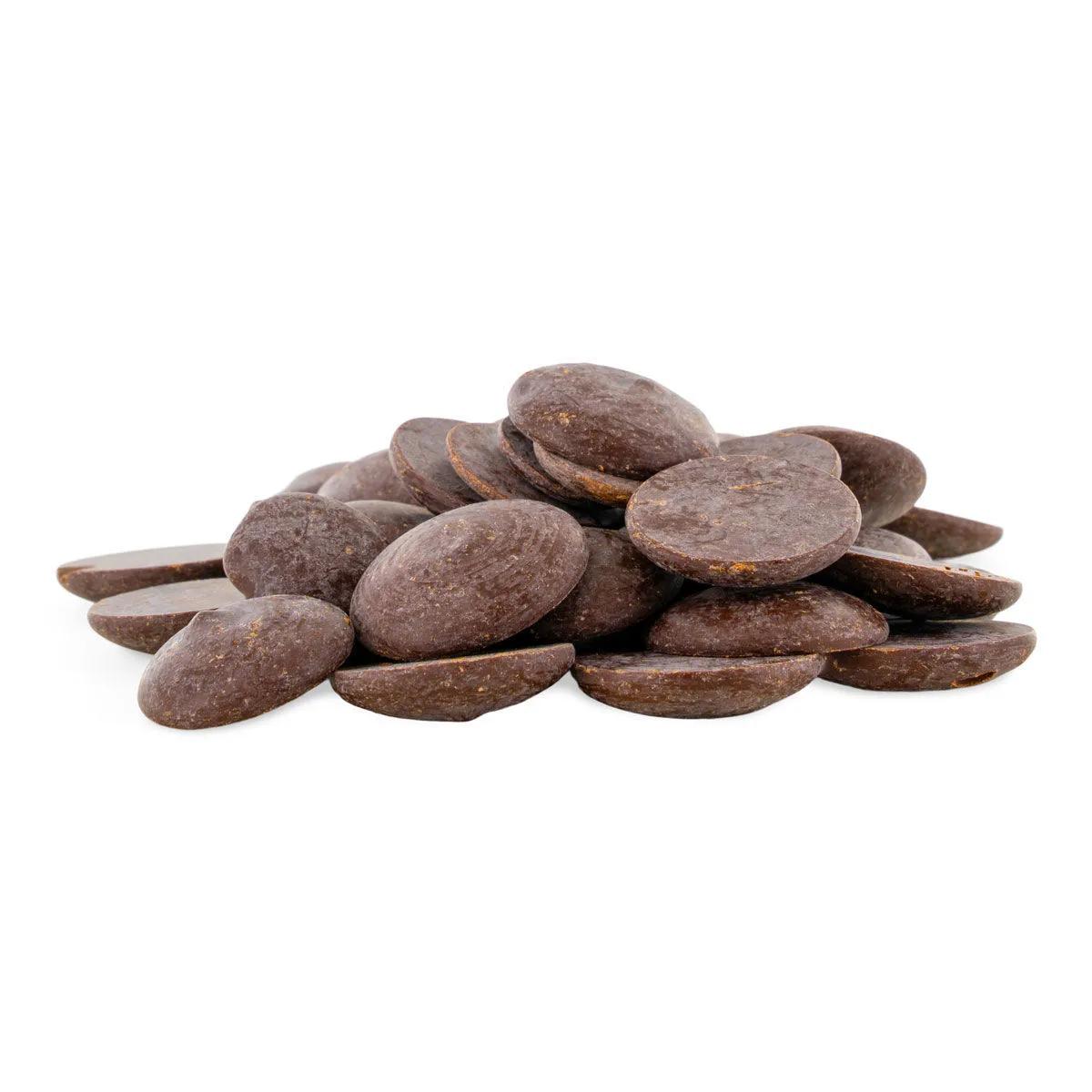
Raw cacao drops Ecuador is a ceremonial-grade cacao product that lets you make a proper cup of hot cacao or run a full ceremony without faff. Made from the rare Arriba Nacional bean — prized for its floral aroma and full-bodied flavour — these minimally processed drops melt cleanly into hot milk or water. No sugar, no fillers, just the bean. Buy a 300 g bag and you've got enough for a fortnight of morning cups or a handful of proper ceremonies.
Why Arriba Nacional cacao from Ecuador matters
Arriba Nacional is one of the few cacao varieties classified as "fine flavour" by the International Cocoa Organization. It grows almost exclusively in Ecuador, makes up a tiny fraction of global cacao production, and tastes nothing like the dusty supermarket cocoa you grew up with. Expect a fruity, almost jasmine-like top note with a deep, earthy body — bitter, yes, but the good kind of bitter.
These drops are shaped specifically to melt cleanly into hot liquid. No grating, no chopping, no scraping a block with a kitchen knife at 7am. You scoop, you drop, you stir. That's the whole brief.
Ceremonial-grade: what that actually means
Ceremonial-grade means single-origin cacao that's been minimally processed and left intact. Here's the honest version: no roasting at high temperatures, no alkalisation, no added sugar or emulsifiers, and enough of the bean's natural compounds preserved — theobromine, polyphenols, and a small amount of caffeine. According to a 2013 review in Frontiers in Pharmacology (Latif), raw and minimally processed cacao retains significantly more flavanols than Dutch-processed cocoa.
For cacao ceremonies — which centre around meditation, breathwork, or ecstatic dance — the intact bean is the whole point. A ceremonial dose is typically 30–42 g, far more than you'd ever put in a regular hot chocolate. That's why these come in a 300 g bag: roughly 7–10 ceremonial servings, or 30+ everyday cups.
From our counter: what we hear from regulars
Direct answer: most first-time buyers underestimate how bitter pure Arriba Nacional really is. The customers who come back for a second bag almost always tell us the same thing — they started at 30 g for their first ceremony, found it intense, and have since settled at around 20 g with a pinch of cinnamon and a teaspoon of panela. The ones who already drink 90% dark chocolate, on the other hand, tend to go straight to the full 42 g and never look back. If you're not sure where you sit, get the bag, start small, and work up. There's no medal for chugging an espresso cup of pure cacao on day one.
Variant guide: what 300 g gets you
| Use | Amount per serving | Servings per 300 g bag |
|---|---|---|
| Everyday hot cacao | 8–12 g | 25–37 |
| Light ceremonial / morning ritual | 20 g | 15 |
| Full ceremonial dose | 30–42 g | 7–10 |
One bag, three ways. If you're brand new to cacao ceremonies, order the bag and start at the 20 g mark — it's enough to feel the lift without being overwhelming on your first go.
What the research says about cacao
Cacao is one of the most-studied foods on the planet, and the science is broadly encouraging — though almost none of these studies were done with ceremonial-grade cacao specifically.
- According to a 2021 systematic review (Montagna et al., PMC8470865), cocoa flavanols have been associated with cardiovascular and antioxidant effects across multiple trials.
- According to a review in Antioxidants & Redox Signaling (Goya et al., PMC3488419), cocoa polyphenols may influence inflammatory cytokine production in experimental models.
- According to WebMD's cacao powder overview (Kandola, 2023), flavanols in cacao have been linked to higher nitric oxide levels in blood, which researchers connect to vascular function.
- According to a 2015 review (Katz et al., PMC4696435), antioxidant effects of cocoa may influence insulin sensitivity in some study populations.
- According to a 2017 observational study summarised by Healthline, moderate chocolate consumption was associated with lower rates of heart-failure hospitalisation.
- According to a 2024 study on cacao powder and skin (PMC11592858), researchers observed improvements in skin hydration in their experimental setting.
- According to the EMCDDA's broader work on traditional plant foods, cacao sits firmly within the food category and is not tracked as a psychoactive.
None of these findings are EFSA-approved health claims for cacao, and none of them mean a cup of cacao replaces medical care. They're context — not promises.
How to make a proper cup
Direct answer: heat liquid to 70–80°C, whisk in 8–12 g of drops per cup, and stir for two to three minutes until glossy.
- Heat 200–250 ml of milk, oat milk, or water in a small pan. Don't boil it — keep it around 70–80°C.
- Add 8–12 g of cacao drops (a small handful) for a daily cup, or 20–42 g for a ceremonial dose.
- Whisk continuously for 2–3 minutes until the drops dissolve fully and the surface goes glossy.
- Sweeten to taste — honey, maple, panela, or coconut sugar all work. Pure cacao is properly bitter without it.
- Optional add-ins: a pinch of cinnamon, cardamom, chilli, vanilla, or sea salt. Traditional Mesoamerican preparations often used chilli, not sugar.
Honest limitations — read this before your first ceremony
Cacao contains theobromine and caffeine. A 30–42 g ceremonial dose is a stimulant — expect a noticeable heart-rate lift, a warm body glow, and a wakeful, focused state for 2–4 hours. That's the whole point, but it's also why you don't do a ceremony at 9pm unless you fancy staring at the ceiling until 3am.
Things to know:
- Medication interactions. Theobromine can interact with MAOIs, SSRIs, and certain blood-pressure or stimulant medications. If you're on prescription meds, check with your GP before a ceremonial dose.
- Pets. Theobromine is toxic to dogs and cats. Keep the bag out of reach.
- Sensitivity. If caffeine wrecks you, halve the dose for your first cup.
- Pregnancy. Ceremonial doses are not recommended during pregnancy.
How this compares to our Peruvian cacao drops
Direct answer: Ecuador Arriba Nacional is more floral and more bitter; Peruvian Criollo is mellower and easier for beginners. We also stock Raw Cacao Drops from Peru, made from the Criollo bean. The two are siblings, not duplicates:
| Aspect | Ecuador (Arriba Nacional) | Peru (Criollo) |
|---|---|---|
| Bean variety | Arriba Nacional (fine flavour) | Criollo (heirloom) |
| Flavour profile | Floral, fruity top notes, deep body | Mellow, nutty, less bitter |
| Origin | Coastal Ecuador | Peruvian Amazon |
| Best for | Ceremonies where flavour matters; bold drinkers | First-time ceremony goers; lower bitterness |
If you've never done a ceremony before, the Peruvian drops are easier on the palate. If you already know you like dark chocolate above 85%, the Ecuador drops are the more interesting cup.
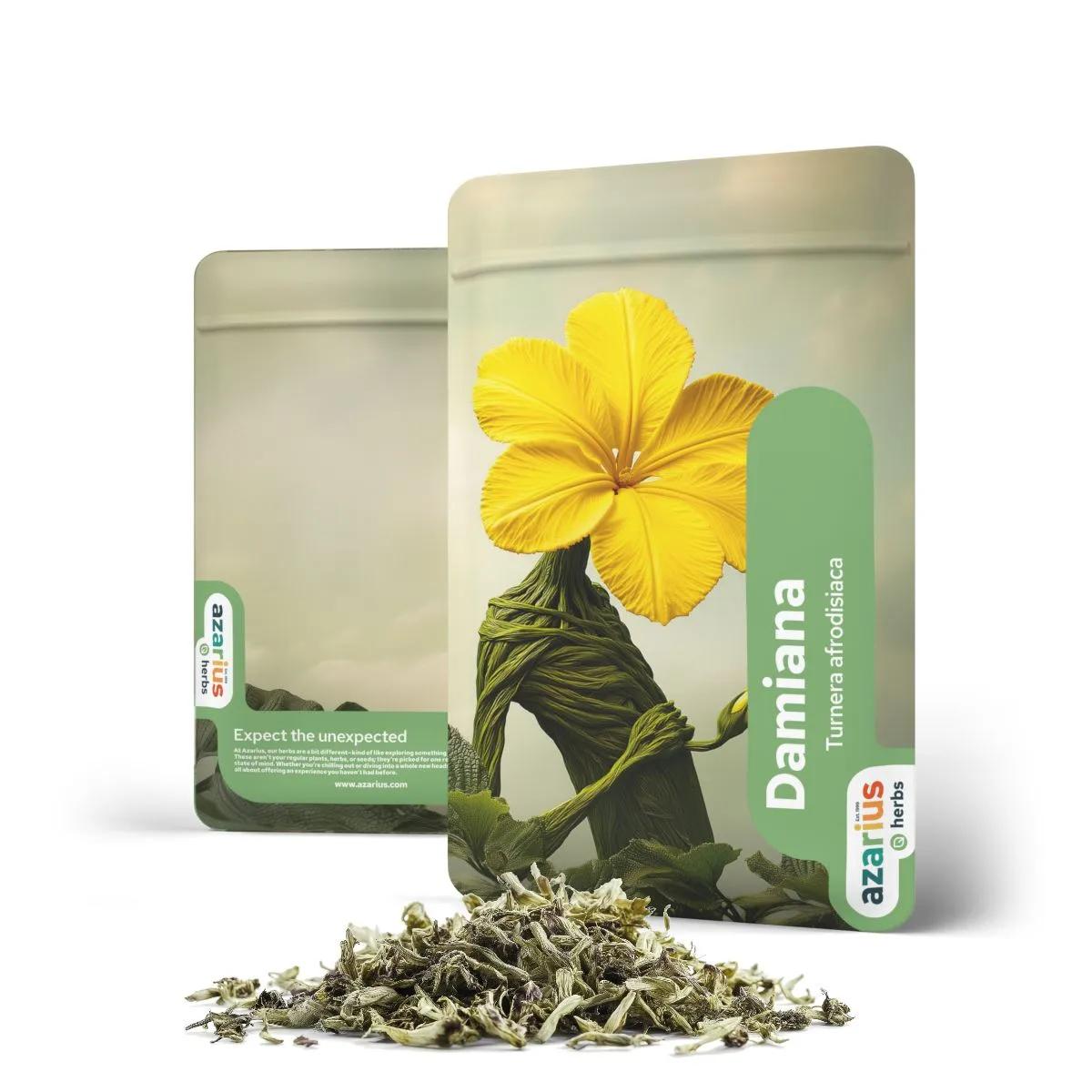
Pairs well with a wooden molinillo whisk for proper texture, and our selection of ceremonial-grade herbs — rose petals, damiana, or blue lotus — that traditionally accompany cacao ceremonies for breathwork and meditation.
Frequently Asked Questions
What does "ceremonial-grade" cacao mean?
It means single-origin, minimally processed cacao with nothing added — no sugar, no emulsifiers, no alkalisation. The bean stays close to its natural state, which is why it can be used at higher doses (30–42 g) for ceremonies focused on meditation, breathwork, or ecstatic dance.
How much cacao should I use for a ceremony?
A full ceremonial dose is typically 30–42 g of dry cacao dissolved in 200–300 ml of liquid. For your first ceremony, start around 20 g — it's enough to feel the heart-opening warmth and gentle stimulant lift without overwhelming you. Build up from there.
Will cacao make me feel "high"?
No. Cacao contains theobromine and a small amount of caffeine, which produce a warm, focused, wakeful state — not a psychoactive effect. Most people describe it as feeling alert, open, and physically warm. The ritual context of a ceremony does more of the work than the substance itself.
Can I drink it every day?
An everyday cup of 8–12 g is fine for most people. Daily ceremonial doses (30 g+) are not recommended — that's a lot of theobromine and caffeine. Save the big doses for intentional sessions and keep your daily cups smaller.
Does it need sugar?
That's down to you. Pure Arriba Nacional cacao is genuinely bitter, and many ceremony practitioners drink it unsweetened to honour the traditional preparation. If you're easing in, a teaspoon of honey, maple, or panela softens it without drowning the flavour.
How should I store the drops?
Keep them in an airtight container in a cool, dry place — away from direct sunlight and strong smells. Cacao readily absorbs odours from its surroundings. Stored properly, the 300 g bag stays good for well over a year.
Where can I buy raw cacao drops from Ecuador?
You can order raw cacao drops Ecuador directly from us in a 300 g bag. We ship across the EU and UK, and most orders go out within one to two working days. Get a bag in, and you're set for weeks of morning cups or several proper ceremonies.
Last updated: April 2026