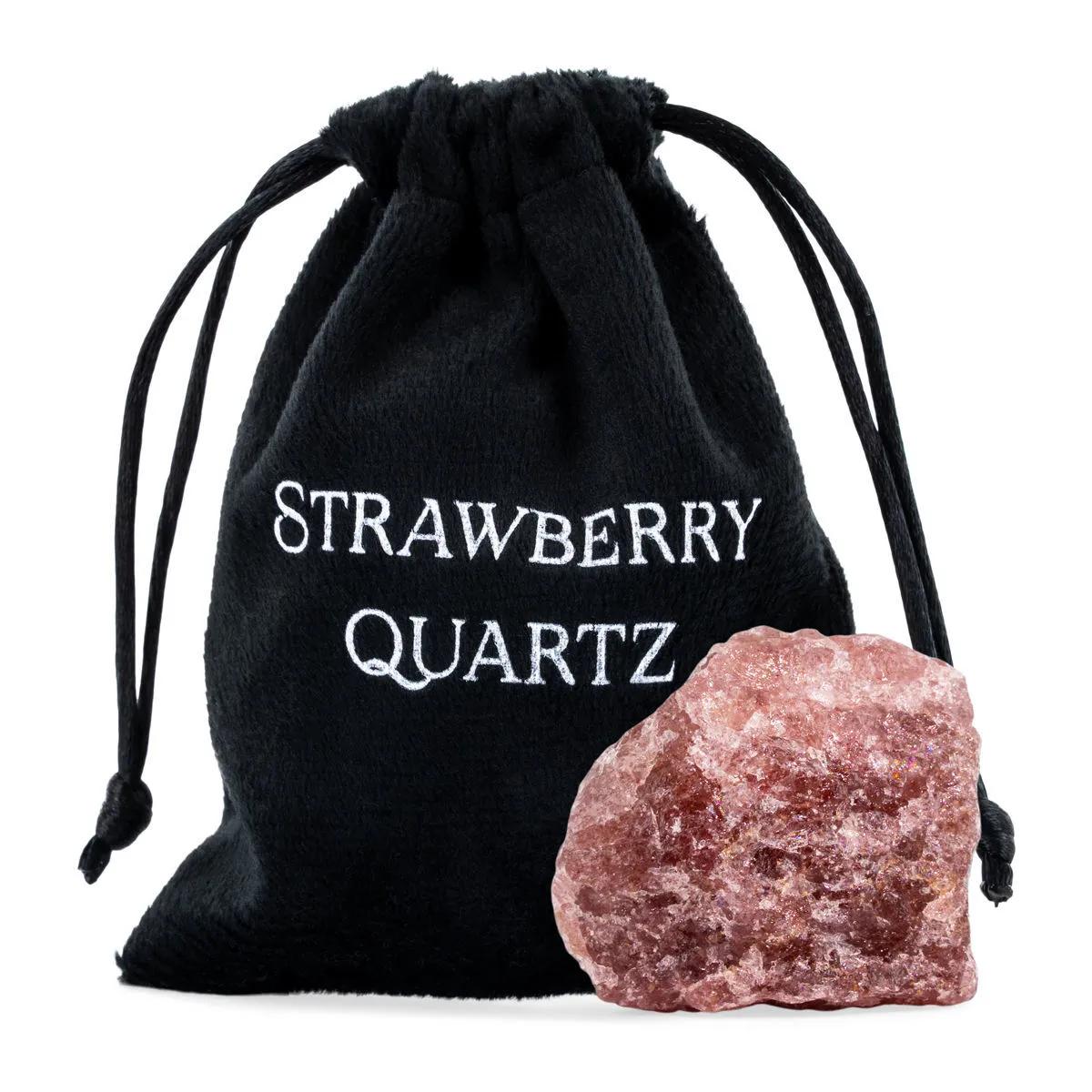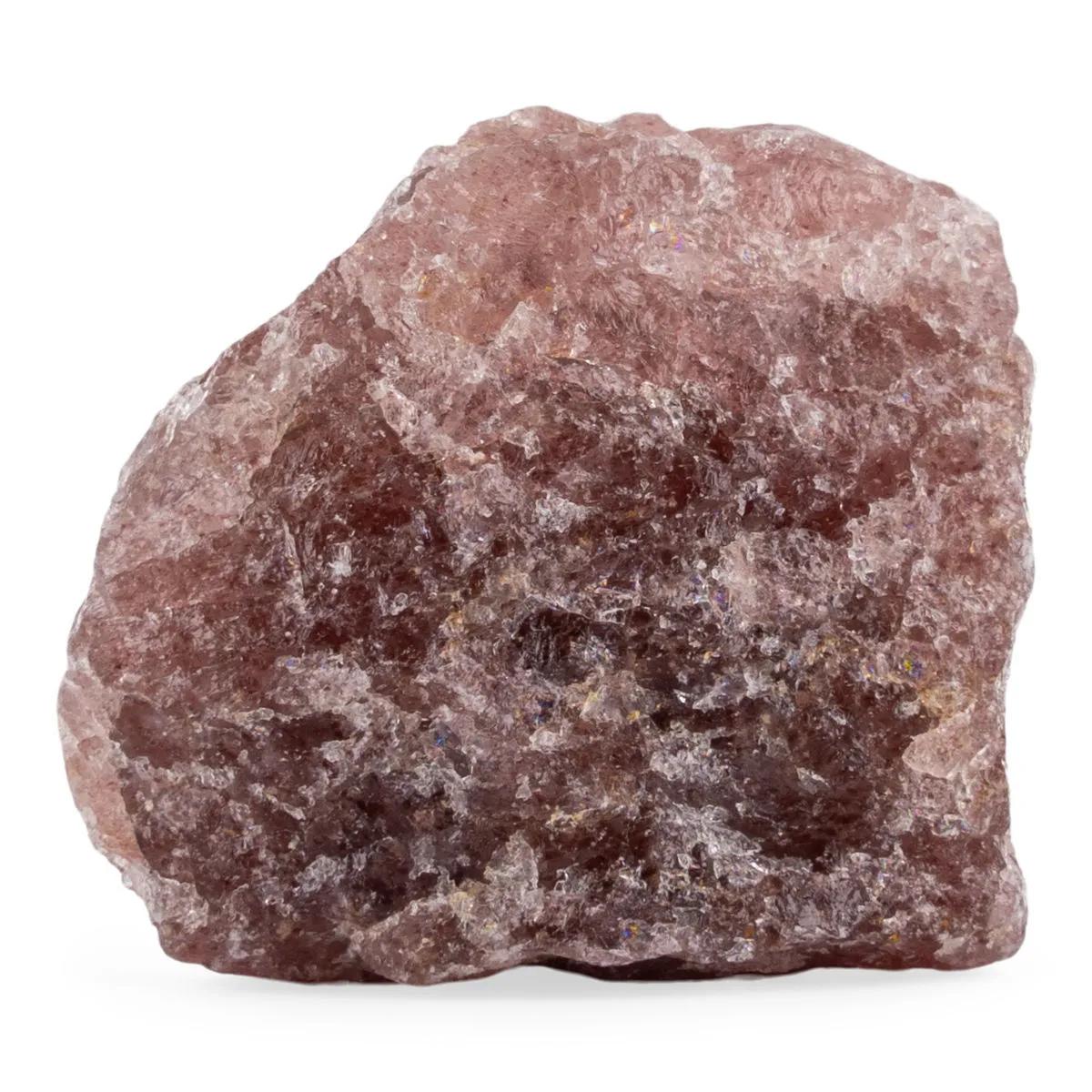
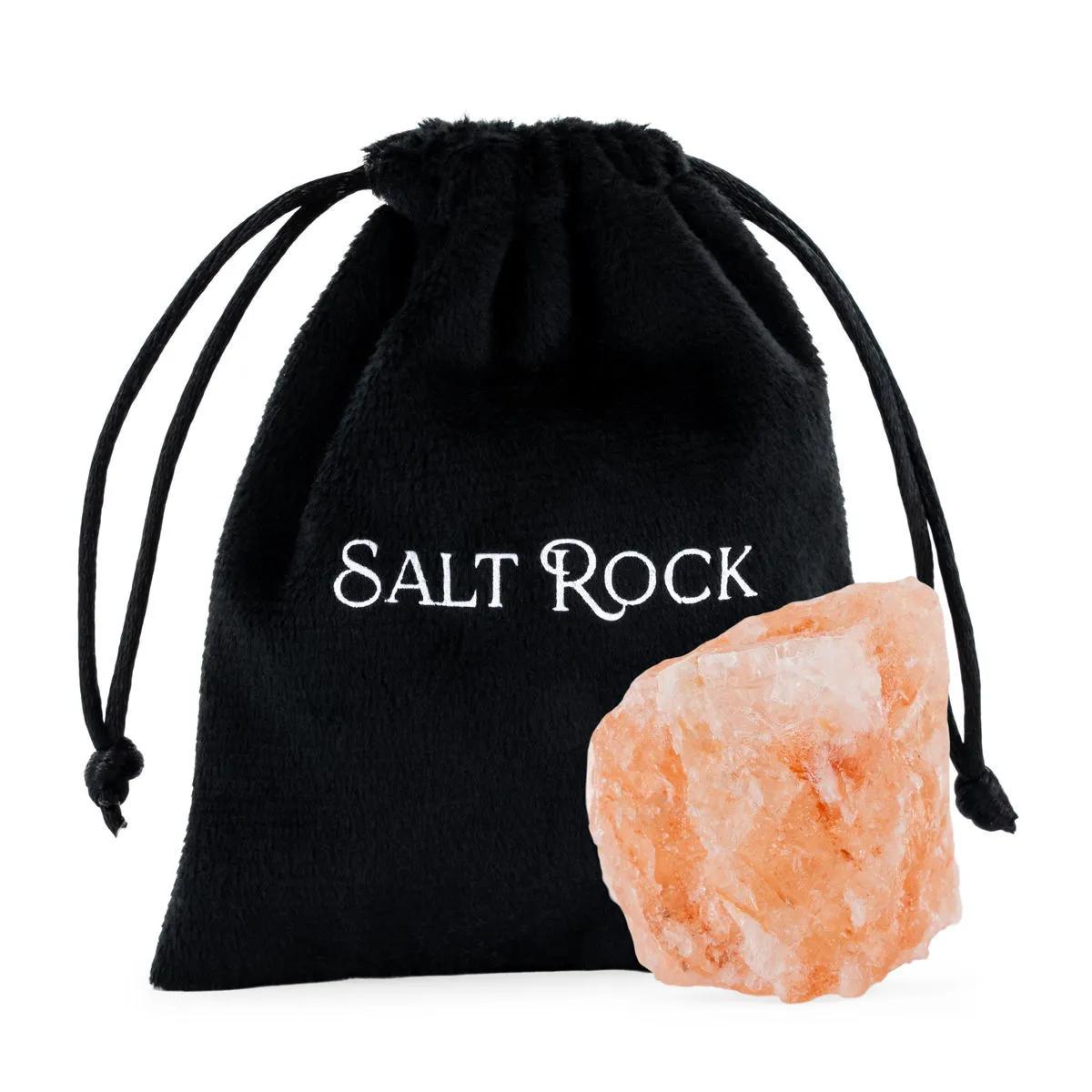
Salt Rock is a hand-mined block of Himalayan pink salt that sits on your shelf, desk, or windowsill as a natural air-freshening ornament. Each piece measures between 3 and 5 cm, so what arrives is properly one-of-a-kind — no two rocks share the same shape, weight, or colour gradient. The rose-pink hue comes from trace minerals locked into the salt over hundreds of millions of years.
Why a Salt Rock on your shelf
Salt Rocks are the smaller, lamp-free cousin of the Himalayan salt lamp. Same mineral content (calcium, iron, zinc, chromium, magnesium, sulphate), same striking pink-to-amber colouring, just without the bulb and cord. We sell these to people who want the look and feel of Himalayan salt in a space where a full lamp is overkill — bedside tables, desks, meditation corners, the bathroom windowsill.
Honestly? The science on negative ions is thin. According to Healthline's review of salt lamp research, "there are no scientific studies on the ability of Himalayan salt lamps to produce negative ions," and any ions emitted are likely minimal. We'd rather tell you that upfront than sell you a miracle. What Salt Rocks definitely do: they look beautiful, they shift the mood of a room, and they're a tactile reminder to slow down. Plenty of our customers keep one purely as a crystal-style object on the nightstand.
What you'll actually receive
Every Salt Rock is hand-picked from raw mined material, so dimensions vary between 3 and 5 cm and weights shift accordingly. Colour ranges from pale pink to deeper coral-red depending on the iron content of that particular vein. The surface is rough and crystalline — not polished — which is part of the appeal but also means it'll catch dust and lint over time.
Size and finish at a glance
| Size range | 3–5 cm per rock |
| Colour | Pale pink to deep rose, natural variation |
| Surface | Rough, crystalline, unpolished |
| Origin | Himalayan salt deposits, hand-mined |
| Best spot | Bedroom, desk, meditation corner, bathroom |
Specifications
| Material | Natural Himalayan rock salt |
| Trace minerals | Calcium, iron, zinc, chromium, magnesium, sulphate |
| Dimensions | 3–5 cm (each piece unique) |
| Colour | Natural pink to rose |
| Variant | Natural (SKU: SM0787) |
| Maintenance | Wipe with damp cloth as needed |
Pairs well with a full Himalayan salt lamp if you want the warm glow as well as the look, or with our selection of tumbled crystals and minerals for building out a corner shelf. Sage smudge sticks are a popular companion for people who set up dedicated cleansing spaces.
Why you need this
Most homes have one corner that feels flat — the spot near the router, the desk that's been buried in cables for two years, the bedside table that's all phone charger and no atmosphere. A Salt Rock is the cheapest way to break that up without committing to a full lamp setup or a houseplant you'll forget to water. It's a 3–5 cm object that does one job: sit there and look interesting.
The honest limitation: it's small. If you're expecting the glow of a 2 kg salt lamp, this isn't that — there's no bulb, no warmth, no light. What you get is a tactile, photogenic chunk of 250-million-year-old mineral that costs less than a coffee. We'd pick this over a generic decorative pebble every time because the colour genuinely changes depending on the light around it.
How to use your Salt Rock
- Unbox and rinse briefly under cool water if you want to remove surface dust from shipping — pat dry immediately.
- Place it somewhere dry. Salt is hygroscopic, meaning it pulls moisture from humid air, so avoid bathrooms with poor ventilation or kitchen counters near the kettle.
- Group it with other objects — a candle, a book, a crystal — to build a small intentional corner.
- Wipe with a damp cloth every couple of weeks to clear the lint and dust that settles on the rough surface.
- If it starts to "sweat" in a humid room, move it somewhere drier and dab it off. This is normal salt behaviour, not a defect.
Frequently Asked Questions
Do Salt Rocks actually purify the air?
The popular claim is that they release negative ions and trap airborne particles. According to Healthline's review, there's no peer-reviewed evidence that Himalayan salt produces meaningful quantities of negative ions in a home setting. Treat it as a decorative object first, any air effects as a bonus.
What's the difference between a Salt Rock and a Himalayan salt lamp?
Same material, different format. A salt lamp is a larger carved piece with a bulb inside that gives off warm light. A Salt Rock is a small 3–5 cm raw chunk with no electronics — just the mineral itself. Lamps glow; rocks sit and look pretty.
Why is my Salt Rock "sweating"?
Salt is hygroscopic — it attracts water from the air. In humid rooms it'll develop a damp surface, which is normal. Move it to a drier spot and wipe it off. If it's sitting on wood, use a small dish underneath to protect the surface.
Can I use it for cooking or as edible salt?
No. This is a decorative mineral specimen, not food-grade culinary salt. For cooking, buy proper food-grade Himalayan salt from a grocer. WebMD notes that adults should keep total sodium intake under around 2,300 mg per day regardless of salt type.
How do I clean it?
Wipe with a slightly damp cloth — never soak or scrub. The rough surface traps fibres and dust over time, so a quick wipe every couple of weeks keeps the colour bright. Don't use soap or chemical cleaners.
Will every rock look the same as the photo?
No — and that's the point. Each piece is hand-mined and naturally formed, so size lands somewhere between 3 and 5 cm and colour varies from pale pink to deeper rose. The photo is representative, not a guarantee of an identical match.
Last updated: April 2026