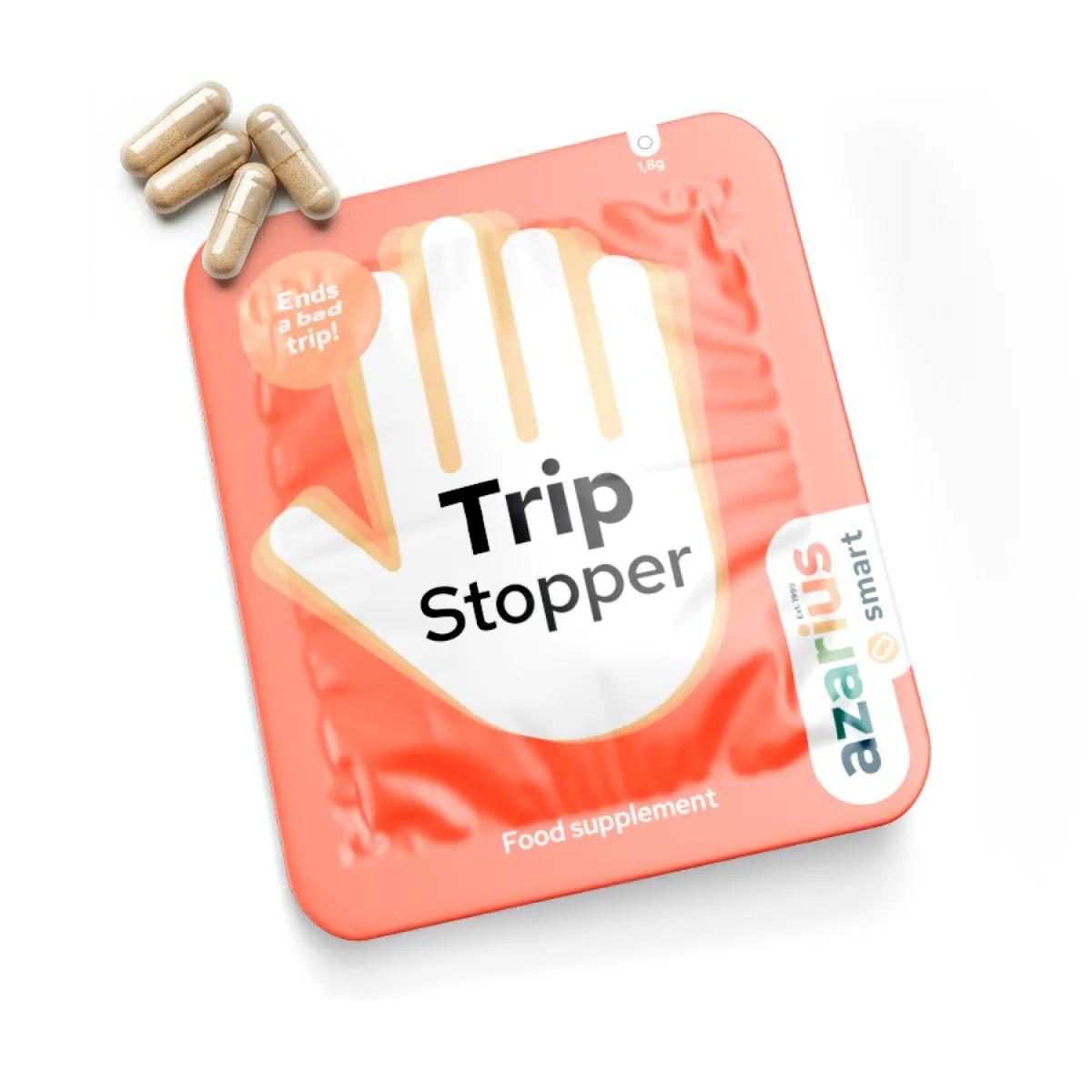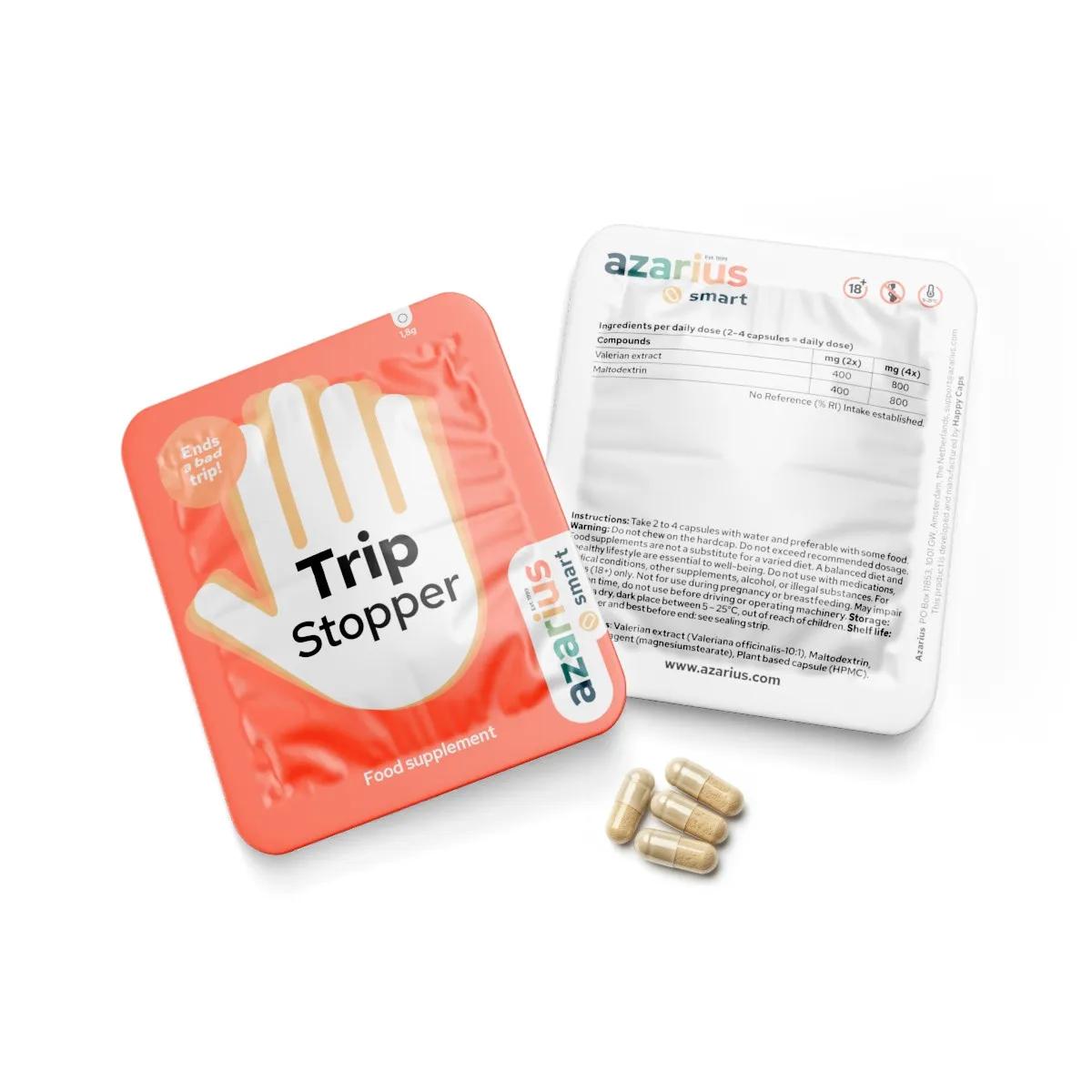
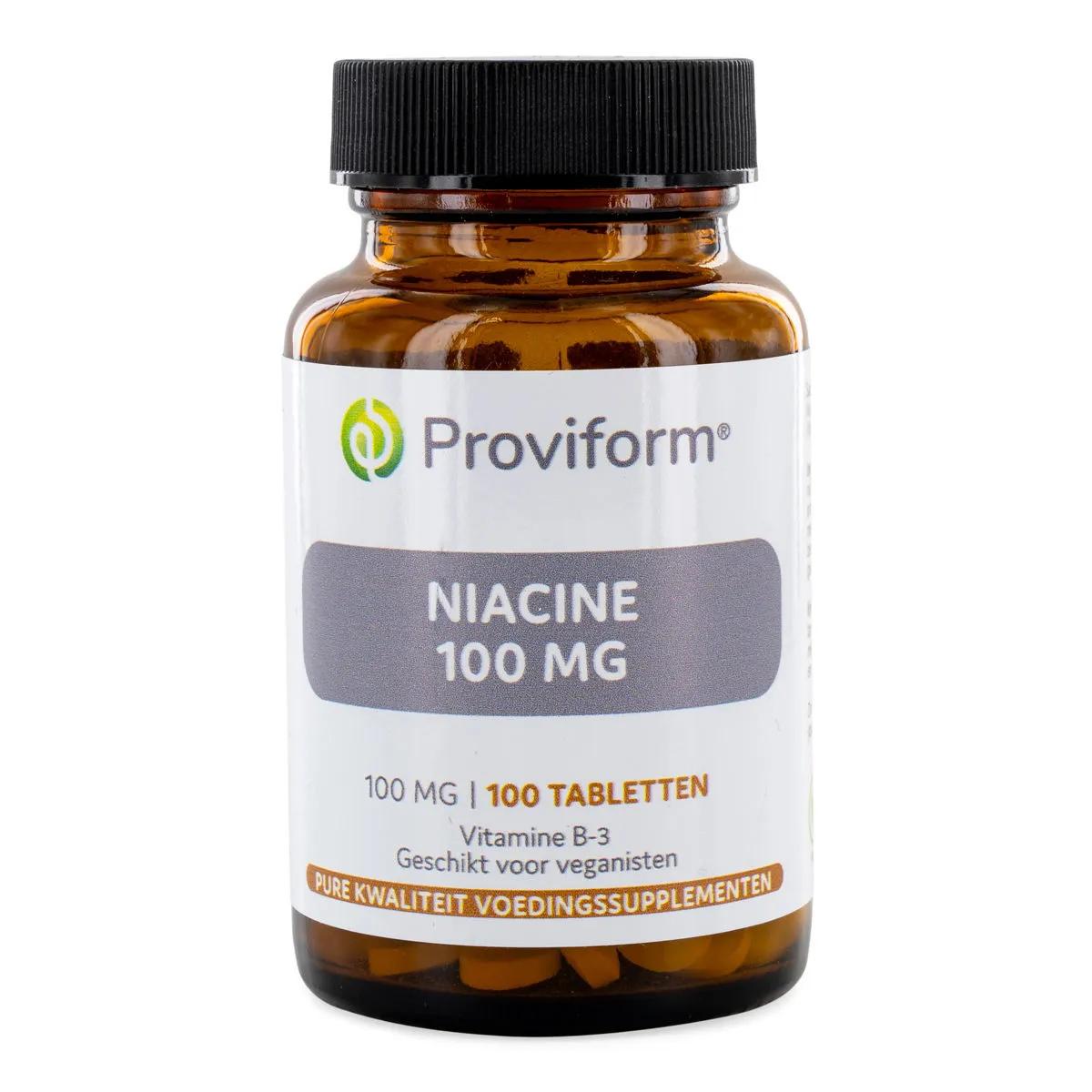
Niacin vitamin B3 is a water-soluble B-vitamin supplement that contributes to normal energy-yielding metabolism and helps reduce tiredness and fatigue. Each tablet in this 100-count bottle packs 100mg of niacin — that's 625% of the EU Reference Intake, delivered in a clean vegan formula with no wheat, gluten, dairy, egg, nuts, shellfish, soy, artificial colours or preservatives. One tablet a day, with a meal, sorted. Order a bottle and you get a full 100-day supply in one go.
Why take a niacin (vitamin B3) supplement?
Niacin vitamin B3 contributes to normal energy metabolism and helps reduce tiredness and fatigue — these are the two EFSA-approved health claims, and they're the reason most people buy a bottle. You get niacin naturally from red meat, fish, poultry, brown rice, peanuts and fortified grains, but if your diet skews plant-based, low-protein, or just a bit chaotic, a daily 100mg top-up is a straightforward way to cover your bases.
Research suggests vitamin B3 does more than just fill the RI box. According to a 2021 review on nicotinic acid deficiency (Redzic et al., 2021), severe deficiency causes pellagra — dermatitis, diarrhoea and dementia — which tells you just how central this vitamin is to basic cellular function. Most people in Europe aren't deficient, but sub-optimal intake is common, and that's where a focused supplement earns its keep.
What makes this niacin supplement worth picking up
It's a clean, single-ingredient tablet at a sensible dose. No proprietary blends, no filler stack pretending to be a "complex." Just 100mg of niacin per tablet, 100 tablets per bottle — that's a full 100-day supply from one purchase.
The formulation is fully vegan and vegetarian. Bulking agents are cellulose and rice extract; anti-caking comes from silicon dioxide, vegetable magnesium stearate and rapeseed oil; glycerol handles moisture and vegetable stearic acid stabilises the tablet. No animal-derived gelatin, no dairy, no nasties. If you've been squinting at ingredient lists on cheaper bottles and finding bovine gelatin or undisclosed "natural flavours," this one reads clean top to bottom.
From our counter: customers who order niacin solo almost always fall into two camps — plant-based eaters topping up their B3, and people stacking it with CoQ10 or rhodiola for a focused energy routine. Very few buy it as a general multivitamin replacement, and that's the right instinct.
Honest limitation worth flagging: 100mg is a solid daily dose, but it sits above the EU Tolerable Upper Intake Level for nicotinic acid in supplement form (10mg/day set by EFSA for the flushing form). At 100mg you may experience the classic "niacin flush" — warmth, redness and tingling in the face and upper body — typically 15–30 minutes after taking it, lasting an hour or so. It's harmless, it fades, and taking the tablet with food softens it. But if you've never taken niacin before, don't take your first one before a Zoom call.
How does this compare to other B-vitamin options?
A single-ingredient niacin tablet is the right pick when you specifically want more B3; a B-complex is the right pick when you want broad coverage across all eight B vitamins. Think of a B-complex as daily insurance and this niacin supplement as a focused tool — for people who've read up on energy metabolism, whose diet is low in niacin-rich foods, or who are stacking it alongside other targeted supplements. Different tool for a different job. Neither is "better" — they solve different problems.
| Spec | Value |
|---|---|
| Active ingredient | Niacin (vitamin B3) |
| Amount per tablet | 100mg |
| % Reference Intake | 625% |
| Tablets per bottle | 100 |
| Daily doses | 100 |
| Serving size | 1 tablet with food |
| Suitable for | Vegans, vegetarians |
| Free from | Wheat, gluten, dairy, egg, nuts, shellfish, fish, soy, flavourings, artificial colours, preservatives |
| Other ingredients | Cellulose, rice extract, silicon dioxide, vegetable magnesium stearate, rapeseed oil, glycerol, vegetable stearic acid |
| Storage | Room temperature, dry, out of reach of children |
Niacin vs B-complex at a glance
Here's the short comparison if you're weighing the two options side by side.
| Feature | This niacin tablet | Typical B-complex |
|---|---|---|
| B-vitamins covered | B3 only | All 8 B-vitamins |
| Niacin dose | 100mg (625% RI) | Usually 16–50mg |
| Flush response | Possible at this dose | Rare |
| Best for | Targeted B3 top-up | Broad baseline coverage |
| Stacking friendly | Yes | Less flexible |
How to use niacin tablets
Take one tablet per day with a glass of water, during a meal. That's it. Food dampens the flush response and helps absorption.
- Take one tablet once per day — no more, no stacking.
- Take it with food, ideally your largest meal of the day.
- Drink a full glass of water with the tablet.
- Keep the bottle sealed at room temperature, away from light and moisture.
- Do not exceed the recommended dose. Supplements support a varied diet; they don't replace it.
Pairs well with a complete B-complex if you want broader B-vitamin coverage, or with a daily multivitamin to round out your baseline. If you're building a targeted energy-and-focus stack, our Rhodiola rosea and CoQ10 options sit naturally alongside niacin.
Who this is for (and who should skip it)
Good pick if you're on a plant-based diet, you want a clean single-ingredient B3 tablet, or you've been recommended niacin specifically. Skip it — or talk to a doctor first — if you have liver issues, diabetes, active gout, low blood pressure, or you're pregnant or breastfeeding. Niacin has known interactions with statins, blood-pressure medication and blood thinners, so if you're on prescription meds, check with your GP before adding it to your routine. Nutritional supplements are not a substitute for a varied diet and a healthy lifestyle.
Frequently Asked Questions
What is niacin used for?
Niacin (vitamin B3) contributes to normal energy-yielding metabolism and helps reduce tiredness and fatigue — the two EFSA-approved health claims. It's a water-soluble vitamin your body needs daily for cellular function, and supplementation is common for people with lower dietary intake.
Will 100mg of niacin cause flushing?
It can, yes. Nicotinic acid at 100mg often triggers a harmless "niacin flush" — warmth, redness and tingling in the face and chest, typically 15–30 minutes after taking the tablet, fading within an hour. Taking it with food and staying hydrated reduces the intensity.
Can I take niacin every day?
Yes — one tablet per day with a meal is the recommended use. Don't exceed the dose, and don't double up if you miss one. If you're on prescription medication or have liver, kidney or metabolic conditions, check with your doctor first.
Is this niacin supplement vegan?
Yes, 100% vegan and vegetarian. The tablet uses plant-based bulking agents (cellulose, rice extract), vegetable magnesium stearate and vegetable stearic acid. No gelatin, no dairy, no animal derivatives anywhere in the formula.
Should I take niacin in the morning or evening?
With your largest meal, whenever that is. Food slows absorption and reduces flushing. Many people take it with breakfast or lunch so any flush response passes well before bedtime, but timing is personal — consistency matters more than time of day.
What's the difference between niacin and niacinamide?
Both are forms of vitamin B3. Niacin (nicotinic acid) is the form in this product and is the one associated with the flush response. Niacinamide (nicotinamide) doesn't flush but also doesn't have the same effect on blood lipids. For general B3 intake, either form works.
Where can I buy this niacin supplement?
You can order niacin vitamin B3 100mg directly from Azarius. Dutch health authorities and the Netherlands Nutrition Centre (Voedingscentrum, part of the national health information network) publish general B-vitamin intake guidance you can cross-reference before you buy.
Last updated: April 2026