Smoking pipes
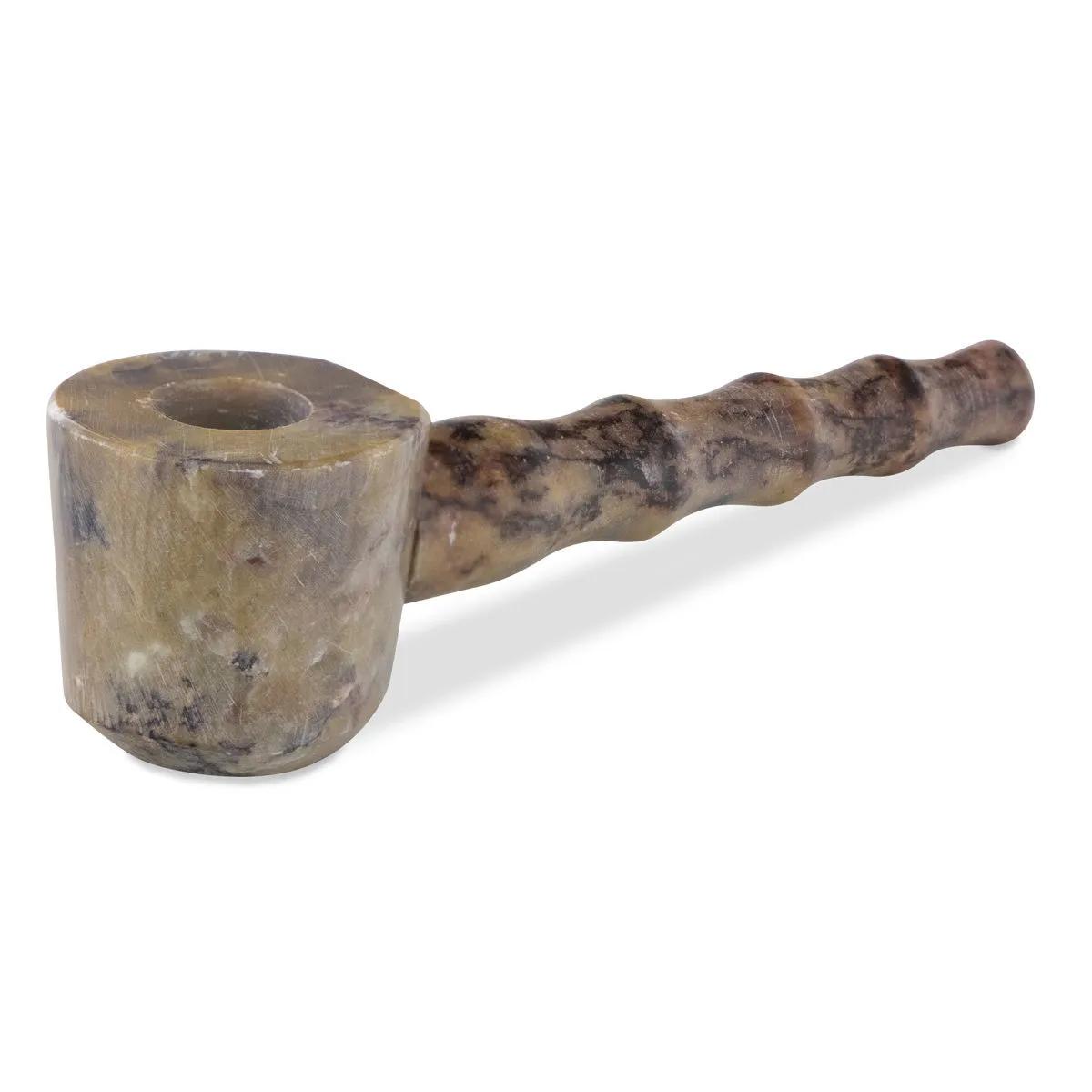
The Soapstone Pipe Wave is a two-piece hand pipe carved from natural soapstone (magnesium silicate) that naturally absorbs heat, delivering a noticeably cooler draw than glass or metal alternatives. It splits at the bowl for pocket-friendly portability and feels genuinely pleasant in the hand — the stone has a talc-like smoothness that you don't get from any other pipe material. If you've been burning your lips on thin glass spoons or wrestling with a metal one-hitter that gets scorching after two hits, this is the fix.
| Spec | Value |
|---|---|
| Material | Natural soapstone (magnesium silicate) |
| Construction | Two-piece, separates at the bowl |
| Design | Wave pattern |
| Recommended accessory | Brass pipe screen |
| SKU | HS0646 |
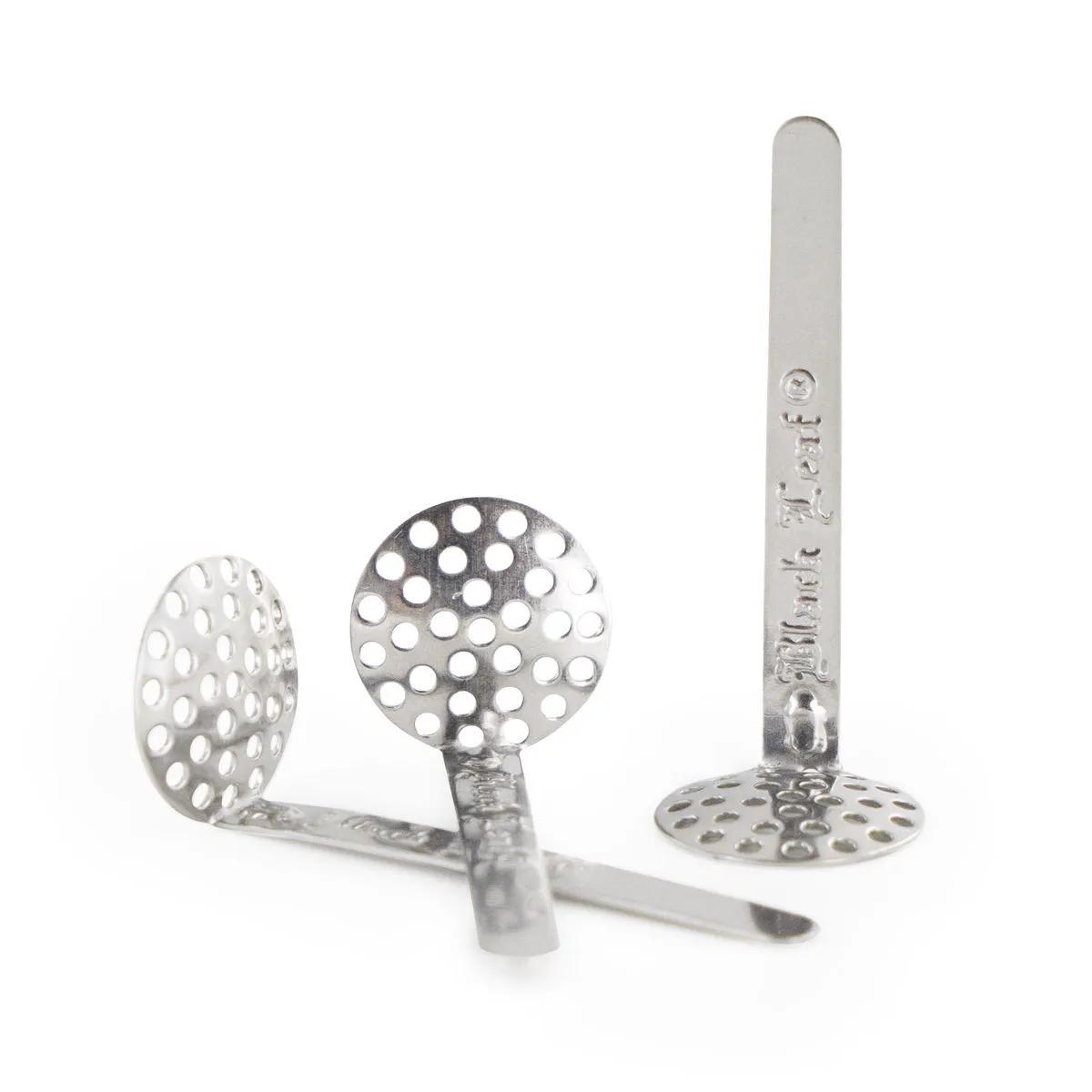
Grab a set of brass pipe screens before you pack your first bowl — soapstone bowls have a wide opening and loose herb will pull straight through without one. A standard pipe cleaning brush is also worth having on hand; soapstone is porous enough to absorb resin over time, so a quick scrub after every few sessions keeps the draw open and the flavour clean.
Soapstone is a metamorphic rock composed primarily of magnesium silicate (talc), and it has a thermal trick that most pipe materials can't match: it absorbs and disperses heat rather than conducting it straight to your fingers and lips. The result is a draw that stays cool even on the second or third consecutive bowl. Glass pipes look great but get hot fast. Metal pipes are durable but turn into little radiators. Soapstone sits right in the middle — naturally cool, surprisingly tough, and with a weight that feels solid without being heavy.
Pick one up and you'll notice the texture immediately. It's not rough like ceramic or slippery like polished glass — it's somewhere between a river pebble and a bar of soap. That smoothness isn't just cosmetic. Soapstone is rated only 1–2 on the Mohs hardness scale, which means it carves beautifully into organic shapes like this wave design, but it's still dense enough (roughly 2.75 g/cm³) to survive being dropped on a table. We've seen glass pipes shatter from a 30cm fall onto tile. A soapstone pipe picks up a scuff mark and carries on.
The honest limitation: soapstone is porous. Over months of regular use, it will absorb some resin and gradually darken. Some people love the patina — it makes each pipe unique. If you prefer a clean look, you'll need to soak it in isopropyl alcohol every few weeks. It's not a deal-breaker, but it's worth knowing upfront.
The Soapstone Pipe Wave separates into two halves at the bowl joint, which does two things for you. First, portability: each piece is roughly half the length of the assembled pipe, so it fits into a jacket pocket, a small pouch, or even a glasses case without poking out. Second, cleaning access: you can reach the entire airpath with a pipe cleaner or cotton bud when the two halves are apart, which is something you simply can't do with a one-piece stone pipe.
The joint is a snug friction fit — no threading, no O-rings, no moving parts to lose. It holds together firmly when assembled and pulls apart with a slight twist. We'd compare it to the Marble Stone Pipe in terms of portability, but the Wave's two-piece split gives it a clear edge for on-the-go use. The Marble Stone Pipe is a solid single piece, which is simpler but bulkier in a pocket.
We've carried soapstone pipes for years, and the number one question is always the same: "Will it break?" Short answer — not easily. Soapstone is softer than glass but far more impact-resistant. We've seen customers drop these on concrete festival grounds and walk away with nothing worse than a scuff. The material that actually fails first is always the brass screen — it warps after 20–30 uses and needs replacing. Keep a few spares in your stash box.
The second most common question: "Does it affect the taste?" Slightly, yes — and most people prefer it. Soapstone doesn't impart a flavour the way metal can, but the cooler smoke temperature means you taste more of the herb's terpene profile and less of the combustion. It's a subtle difference, but once you notice it, glass spoons start to feel a bit harsh by comparison.
Yes. The soapstone bowl has a relatively wide opening at the bottom. Without a brass screen, ground herb and ash pull straight into the airpath. A screen costs almost nothing and saves you from inhaling hot debris. Replace it every few weeks when it starts to warp or clog.
Separate the two halves and soak them in isopropyl alcohol (90%+) for 15–30 minutes. Scrub the airpath with a pipe cleaner, rinse under warm water, and let it dry completely before reassembling. Do this every 1–2 weeks with regular use to prevent resin buildup in the porous stone.
Soapstone (magnesium silicate) has been used for pipes, cookware, and fireplace surrounds for centuries. It's heat-stable, non-toxic, and doesn't off-gas at the temperatures produced by a lighter. It's one of the oldest pipe materials humans have used.
Glass is transparent and easy to clean, but it conducts heat quickly and shatters on impact. Soapstone stays cooler in the hand, survives drops, and delivers a smoother draw. The trade-off is that soapstone absorbs resin over time and needs occasional deep cleaning. For portability and durability, soapstone wins.
The friction fit is snug enough that normal movement won't separate the pieces. That said, if you're dancing at a festival or cycling, carry the halves in a small pouch or wrap them in a bandana. The joint isn't locked — it's held by friction alone.
Stainless steel screens work too, but brass is softer and moulds to the bowl shape more easily. Brass screens are the standard recommendation for soapstone pipes because they conform to the slightly irregular hand-carved bowl without leaving gaps at the edges.
Last updated: April 2026