Rolling papers
by BEUZ
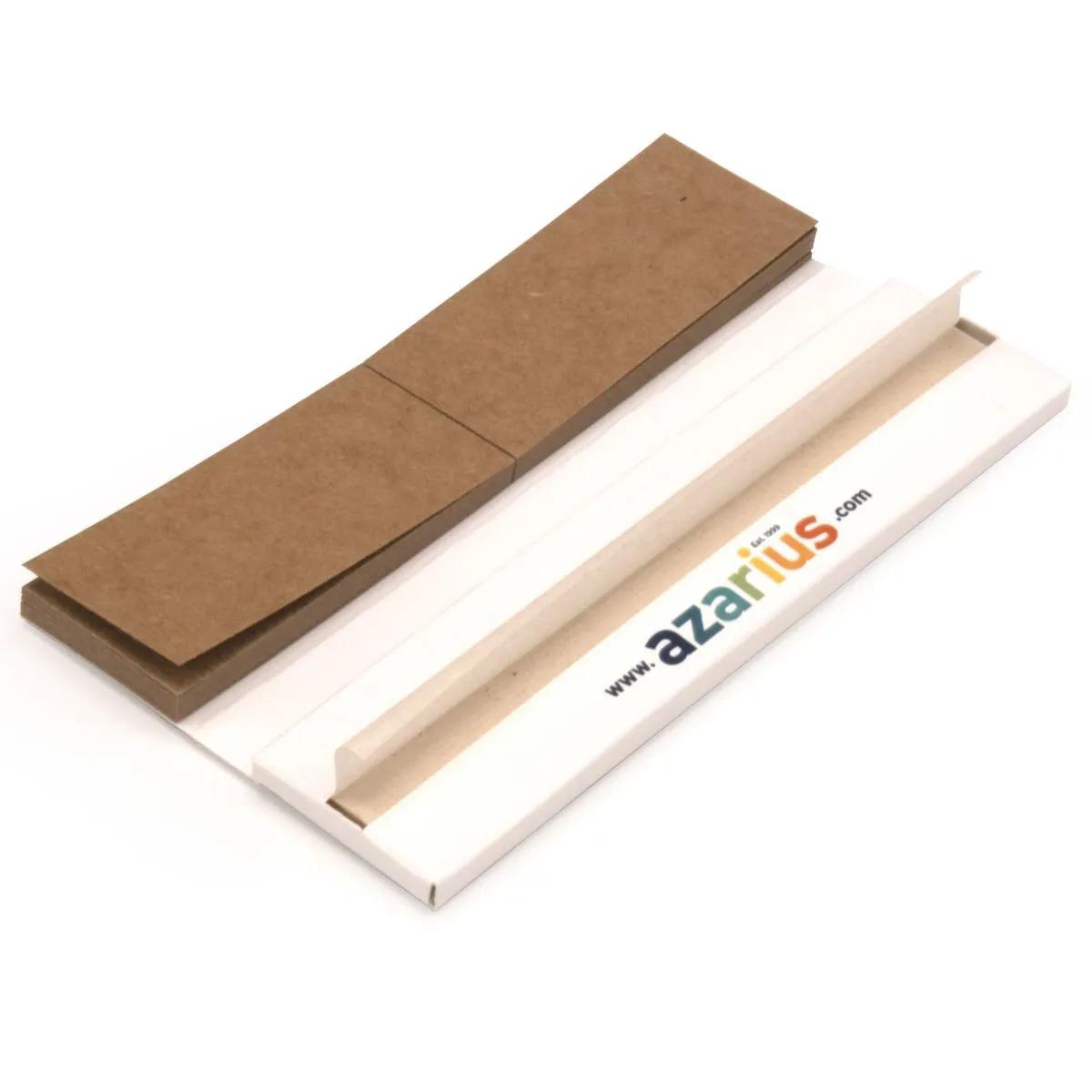
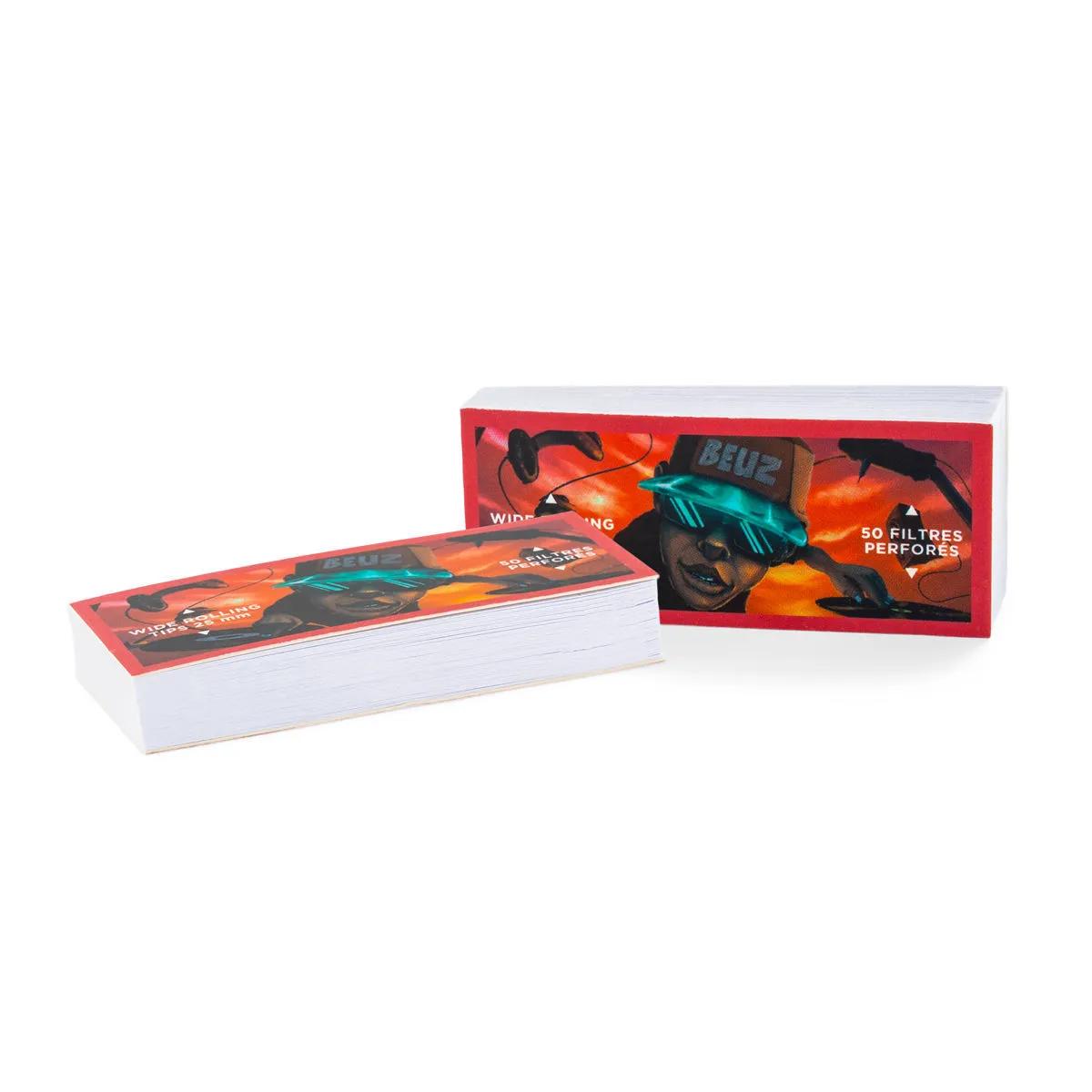
BEUZ wide rolling tips are perforated cardboard filter tips measuring 25 mm across — wider than standard tips, giving you a sturdier base and a smoother draw on every roll-up. Each booklet comes loaded with pre-scored tips that tear cleanly along the perforation, so you get a consistent shape without fiddling about with scissors or tearing cardboard off random packaging.
| Spec | Value |
|---|---|
| Brand | BEUZ |
| Tip width | 25 mm |
| Material | Cardboard (unbleached, perforated) |
| Type | Wide rolling tips / filter tips |
| SKU | HS2690 |
Pair these BEUZ wide rolling tips with king-size slim rolling papers for a proper match — the 25 mm width sits flush with wide papers and stops that annoying gap between tip and paper. A decent rolling tray keeps your workspace tidy and catches loose bits you'd otherwise lose to the sofa cushions.
Standard tips are typically around 18-20 mm wide. That extra 5-7 mm on the BEUZ wide tips changes more than you'd expect. A wider tip means a wider opening, which means better airflow and less chance of the tip collapsing mid-session. We've seen people roll with bits of train tickets, business cards, even cereal boxes — and the result is always the same: uneven thickness, a soggy end, and a roll-up that falls apart halfway through.
The cardboard BEUZ uses is noticeably stiffer than the flimsy tips you get bundled free with some rolling papers. Pick one up and bend it between your fingers — it springs back rather than creasing. That rigidity is what keeps the tip round once you've rolled it, rather than slowly flattening into an oval that restricts the draw. It's a small thing, but once you've used a tip that actually holds its shape, going back to floppy freebies feels like a downgrade.
The one honest limitation: these are flat, perforated tips — not pre-rolled cones. You still need to roll them yourself. If you've never rolled a tip before, expect the first two or three to look a bit rough. After that, muscle memory kicks in and the perforations guide your folds perfectly.
| Feature | BEUZ Wide (25 mm) | Standard tips (18-20 mm) |
|---|---|---|
| Width | 25 mm | 18-20 mm |
| Airflow | More open draw | Tighter draw |
| Structural hold | Stays round — stiff cardboard | Often collapses into oval |
| Paper compatibility | Best with king-size slim or wide papers | Suits regular and 1 1/4 papers |
| Perforated | Yes — clean tear and fold guides | Varies by brand |
We've carried dozens of tip brands since 1999, and the ones that stick around are always the ones that do one thing properly: hold their shape. BEUZ doesn't try to reinvent the wheel — no activated charcoal gimmicks, no flavoured coatings. Just solid, well-scored cardboard at a width that actually matches modern king-size papers. The perforations are spaced so your first fold lands exactly where it should for a clean accordion. That's the kind of detail you only notice when it's missing.
If you're comparing these to the RAW wide tips we also carry, the main difference is texture. RAW tips feel slightly thinner and more fibrous. BEUZ tips are a touch thicker and smoother, which some people prefer because they roll tighter without catching on the paper. Neither is objectively better — it comes down to what feels right in your fingers. We'd say grab one of each and find your preference.
Yes. The cardboard is unbleached, which is why it has that natural tan colour rather than bright white. No chlorine processing, no added dyes — just plain cardboard.
They can, but they're oversized for regular papers. At 25 mm, these tips are designed for king-size slim or wide rolling papers. With regular papers, the tip will stick out past the edge.
A standard BEUZ wide tips booklet contains 50 perforated tips. That's enough for weeks of daily use, so one booklet goes a long way.
No — these are flat tips you roll yourself. If you want a pre-shaped filter for cones, you'd need a separate pre-rolled tip product. These are for hand-rolling.
The perforations give you built-in fold guides. Your accordion folds land at even intervals, which means a symmetrical internal filter and a rounder finished tip. Plain strips require you to eyeball every fold.
Unbleached cardboard is about as flavour-neutral as you can get. There's no chemical taste or papery aftertaste — the smoke passes through the air channels created by your folds, not through the cardboard itself.
Last updated: April 2026