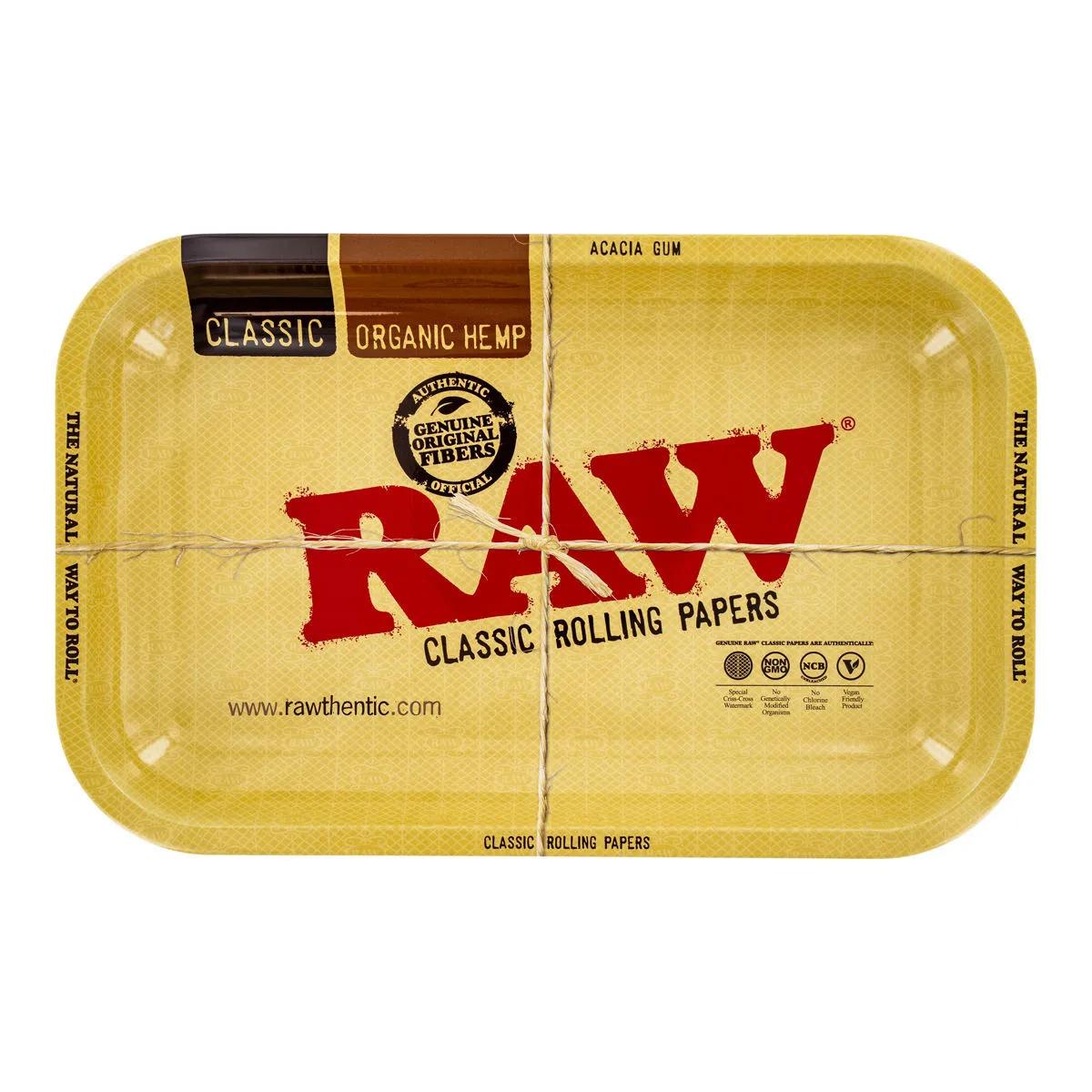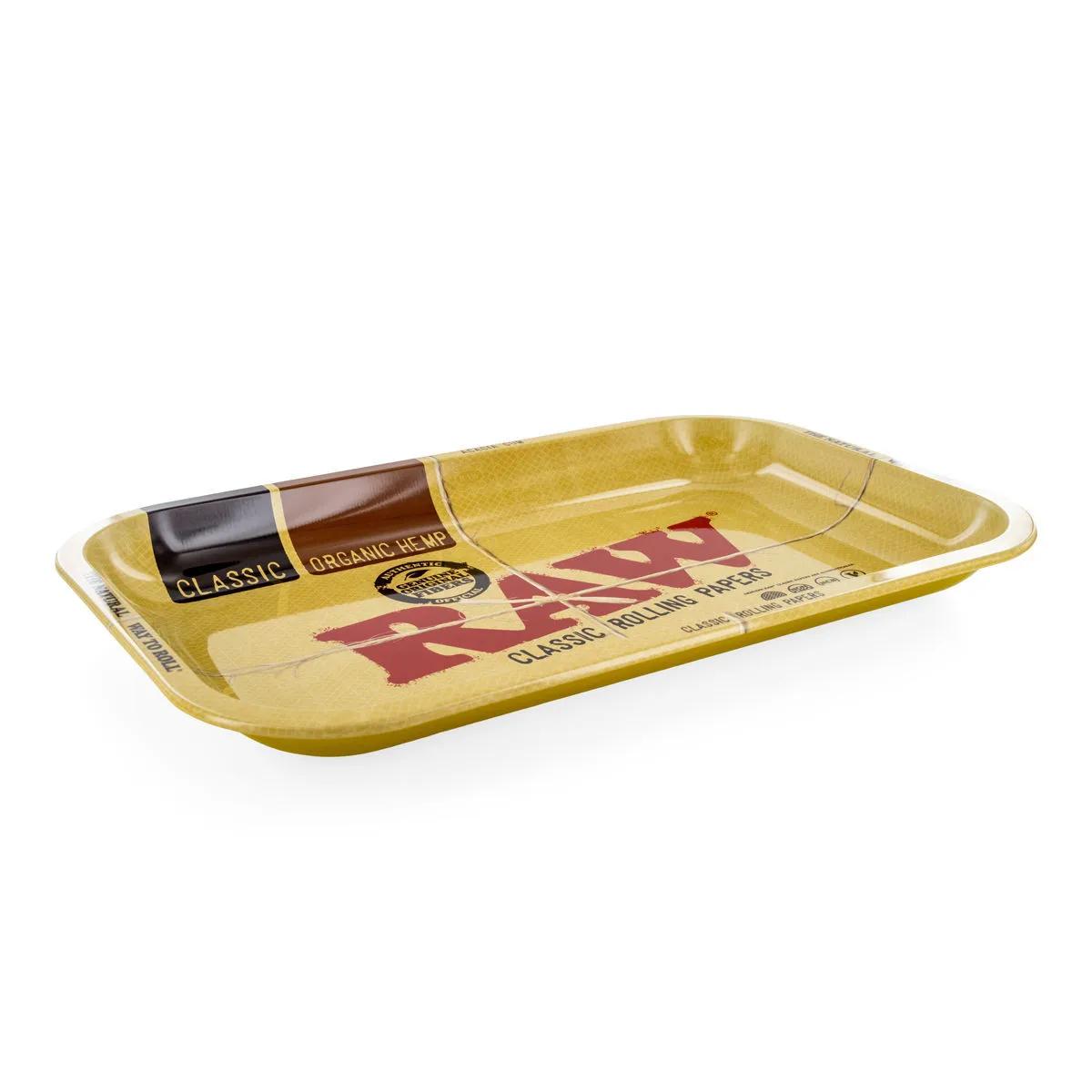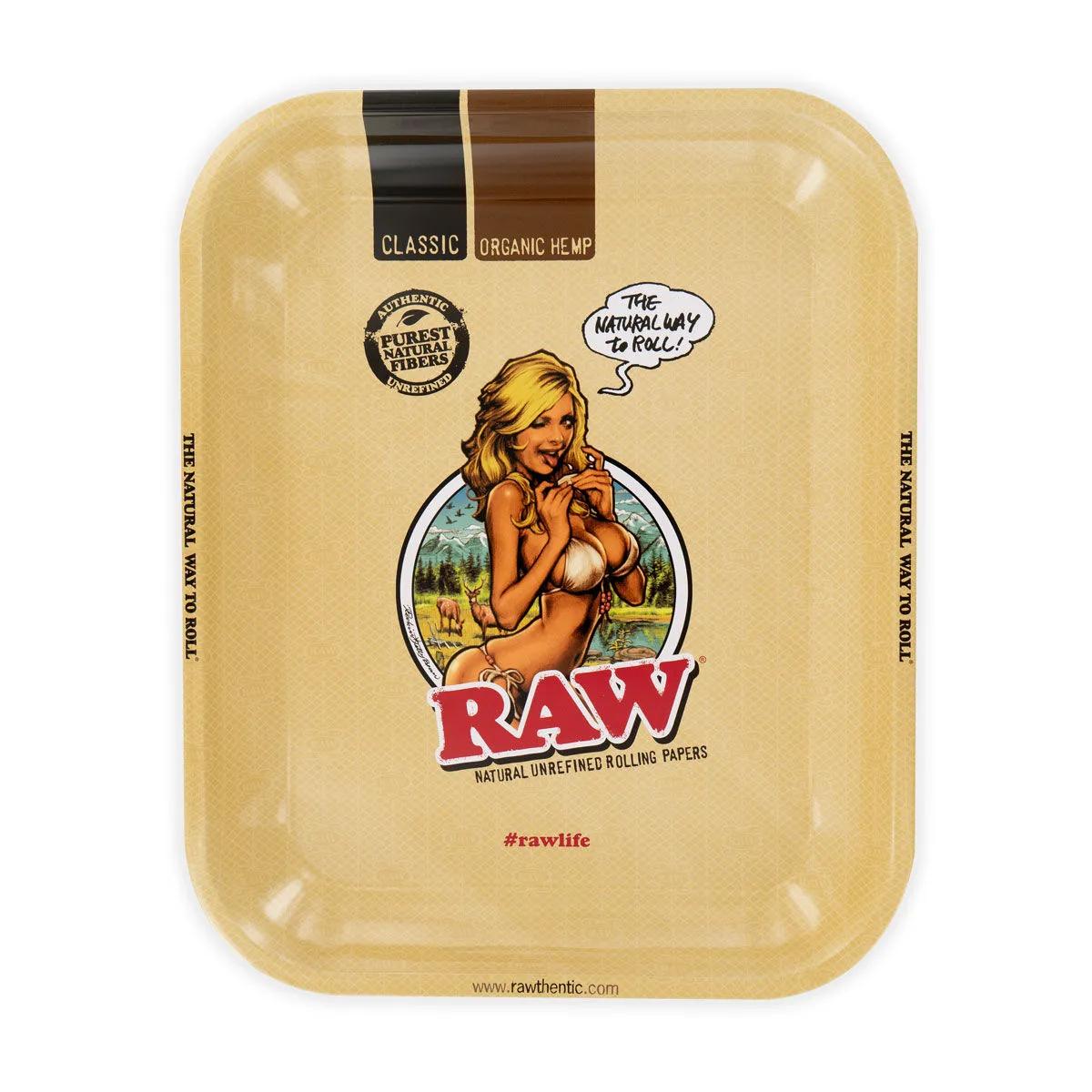
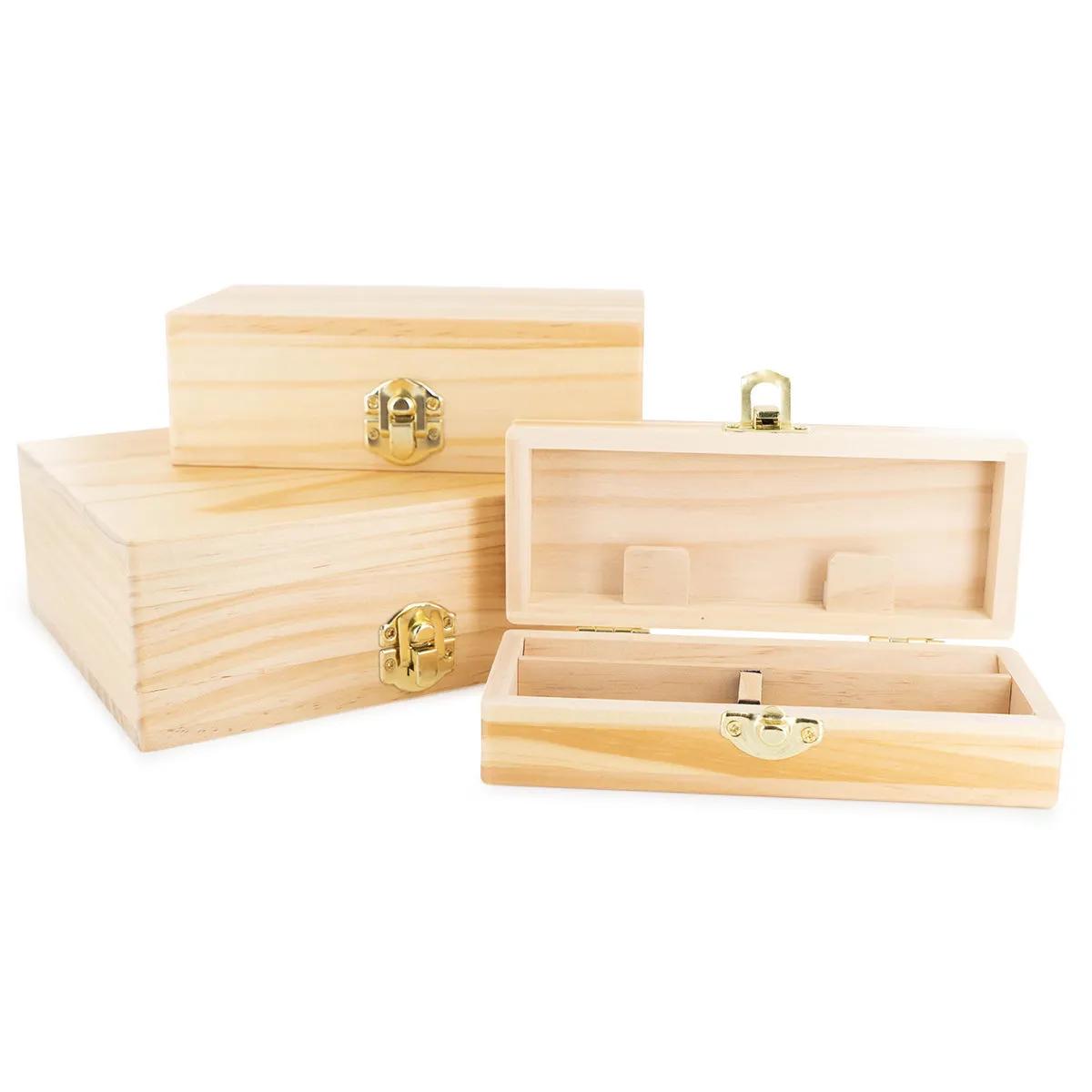
The Roll Tray Wood is a wooden rolling tray that keeps your papers, grinder, filters and herb contained on one tidy surface — with a collection groove around the edge that catches the bits you'd otherwise lose to the carpet. Available in three sizes (small, medium, large), it's the simplest upgrade you can make to your rolling setup.
Which size should you pick?
All three trays do the same job — the difference is how much kit you're rolling with and whether you want it to travel.
| Size | Dimensions | SKU | Best for |
|---|---|---|---|
| Small | 15.2 × 5.7 × 4 cm | HS0012 | Pocket-sized. Papers, filters, a pinch of herb. Fits in a jacket pocket or bag. |
| Medium | 15.5 × 8.5 × 5 cm | HS0236 | The sweet spot. Room for a grinder plus papers, still portable. |
| Large | 17 × 15 × 6 cm | HS0237 | Home setup. Full grinder, multiple paper packs, tips, lighter, herb jar — all on one surface. |
If you can't decide, we'd pick the medium. Small is great in theory but once you've added a grinder you're already out of space.
Why a wooden tray beats rolling on your coffee table
Because your coffee table wasn't designed to catch loose herb, and every crumb that hits the carpet is herb you paid for and won't smoke. The groove running around the inside edge of these trays is the whole point — it collects every stray flake so you can sweep it back into the pile instead of hoovering it up later.
Wood also has a quiet advantage over plastic or metal: it doesn't build up static. Plastic trays cling to every bit of herb through static charge, and metal ones slide everything around if you so much as breathe on them. Wood sits flat, doesn't flex, and the natural grain gives your grinder and papers something to grip.
The honest limitation: wood isn't sealed, so don't leave it in a puddle of spilled drink. Wipe it dry, keep it out of the rain, and it'll outlast every cheap plastic tray you've ever owned.
How to use your Roll Tray Wood
- Place the tray on a flat surface with the groove side up (the recessed lip catches spills).
- Grind your herb over the tray — anything that falls past the grinder lands inside.
- Lay your papers, tips and grinder out across the flat bottom. Everything stays put.
- Roll on the flat surface, or on top of a magazine or rolling book if you want a softer base.
- When finished, tip the loose bits from the groove back into your jar. Waste not.
- Wipe the surface with a dry cloth. Avoid soaking — it's wood, not a chopping board.
Specifications
| Material | Wood |
| Small dimensions | 15.2 × 5.7 × 4 cm |
| Medium dimensions | 15.5 × 8.5 × 5 cm |
| Large dimensions | 17 × 15 × 6 cm |
| Spill groove | Yes, inset around perimeter |
| Available sizes | S / M / L |
| Audience | Adult use only |
From our counter
The question we get most in the shop is "does size really matter?" For rolling trays, yes — but not in the way people think. Nobody regrets buying the bigger tray. Everyone eventually regrets buying the smallest one thinking they'd "keep it minimal." The groove is deeper on the medium and large, which means less chance of nudging herb over the edge when you're tamping down a grinder.
Complete your setup: pair the tray with a solid metal grinder (keeps the herb consistent and the resin off your fingers) and a pack of your preferred papers. A rolling mat on top of the tray gives you a softer surface for trickier rolls without losing the spill-catching benefit.
Frequently Asked Questions
What is a rolling tray used for?
A rolling tray gives you a flat, contained surface to prepare and roll on. It keeps your papers, filters, grinder and herb in one place, and the raised edge stops loose bits escaping onto your furniture or floor.
What size rolling tray do I need?
If you only roll occasionally or want something portable, the small (15.2 × 5.7 × 4 cm) is fine. For regular home use with a grinder and a few papers on the go, the medium (15.5 × 8.5 × 5 cm) is the sweet spot. The large (17 × 15 × 6 cm) is the one you want if you've got a full kit.
Why wood instead of metal or plastic?
Wood doesn't build up static, which means herb doesn't cling to the surface like it does on plastic. It's also quieter, heavier, and sits flatter than thin metal trays. The trade-off: wood needs to stay dry, so don't leave it in a damp spot.
How do I clean a wooden rolling tray?
Wipe it with a dry or barely-damp cloth. Don't submerge it in water and don't use harsh cleaners — untreated wood will warp or stain. A quick wipe after each session is all it needs.
Is the tray portable?
The small and medium sizes are designed to travel — they'll fit in a bag or larger jacket pocket. The large is better suited to staying put at home. All three are solid enough to handle being moved around without the groove losing its shape.
Does it come with any accessories?
No — the tray itself is the product. You'll want to pair it with your own grinder, papers, tips and a storage jar. That's deliberate: it keeps the price down and lets you match it with kit you already own.
Last updated: April 2026