Cleaning supplies
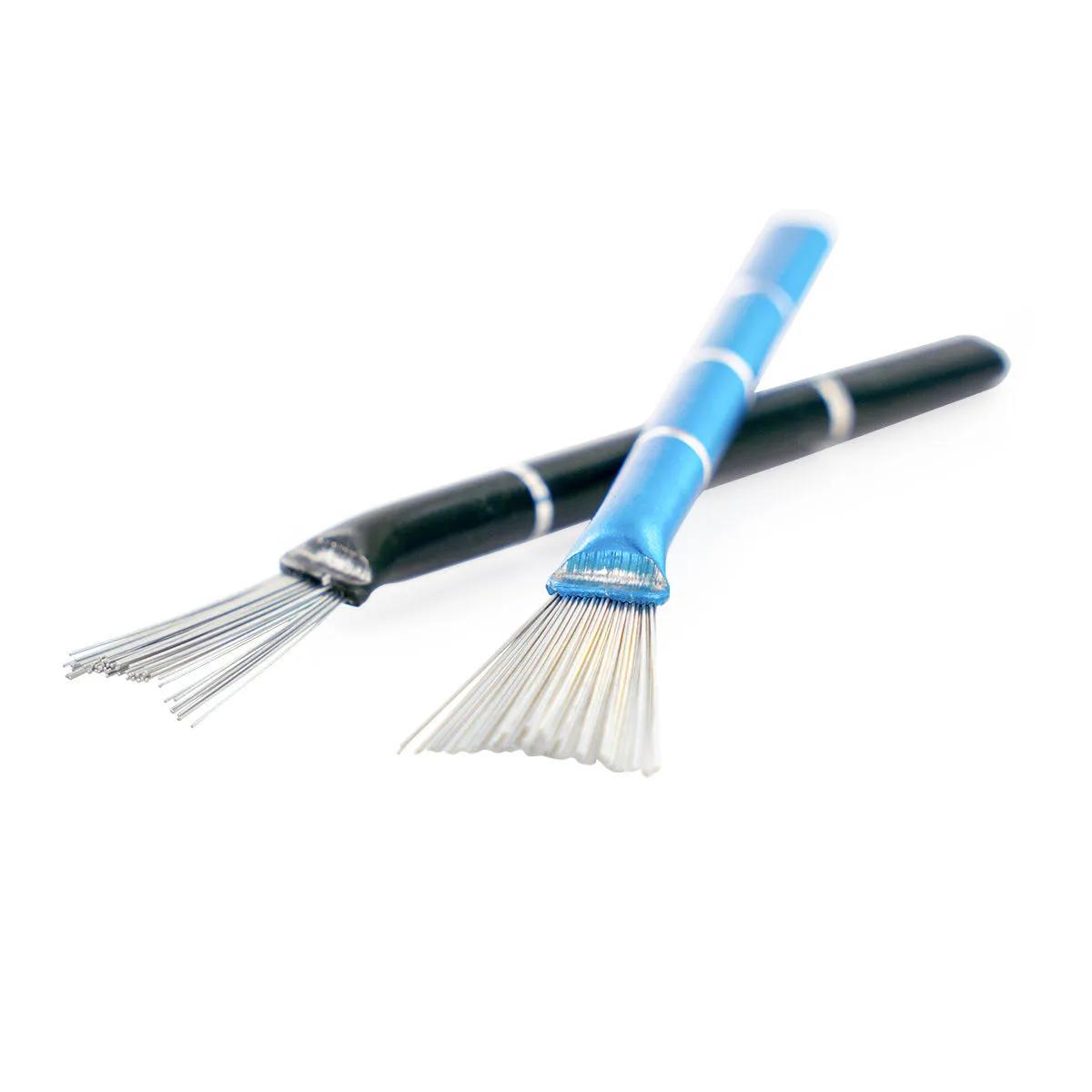
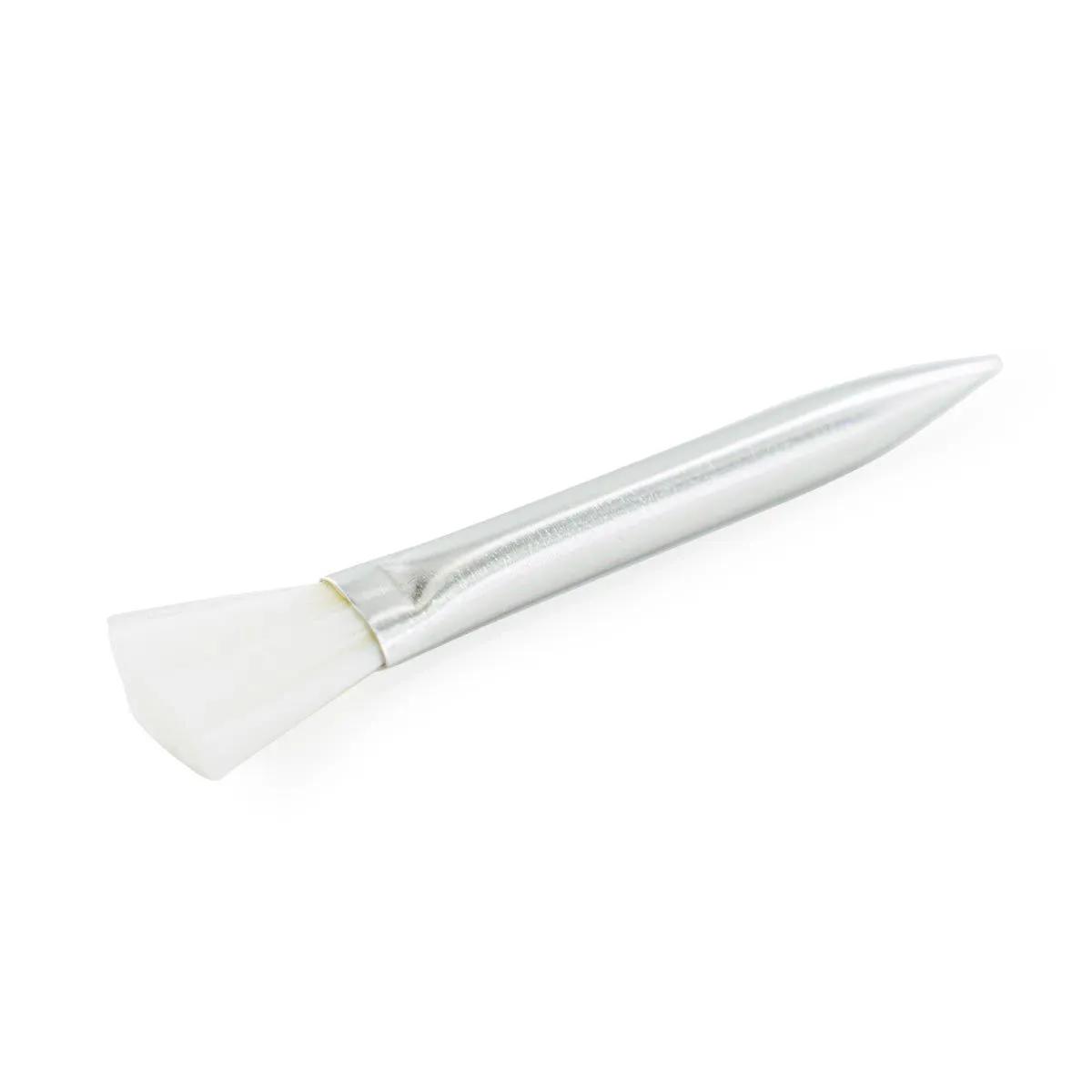
A grinder brush is a dual-ended cleaning tool that keeps your herb grinder working like new. One end features fine bristles for sweeping out pollen and dust; the other has a pointed tip for scraping away stubborn resin build-up. If you've ever tried to twist a clogged grinder and felt that grinding resistance, this is the fix — and it costs less than a coffee.
| Spec | Value |
|---|---|
| SKU | HS0219 |
| Type | Dual-ended grinder cleaning brush |
| Brush end | Fine natural-style hair bristles |
| Scraper end | Pointed rigid tip for resin removal |
| Compatible with | 2-piece, 4-piece, and pollen-catcher grinders |
| Category | Cleaning supplies |
Complete your setup: pair this grinder brush with a fresh aluminium or wooden grinder if yours has seen better days. A rolling tray underneath catches any loose material while you clean — nothing wasted.
An often-used grinder collects resin, pollen, and dust from ground herb. Over time, that sticky residue gums up the teeth, clogs the screen on pollen-catcher models, and makes the whole thing harder to twist. We've had customers bring grinders into the shop that were practically welded shut — all because they never cleaned them.
The real cost of a dirty grinder isn't just the effort. Clogged screens mean your kief chamber stops collecting. Gunked-up teeth shred unevenly, giving you a mix of powder and chunks instead of a consistent grind. And the taste? Stale resin from weeks of different strains layered on top of each other isn't doing your flavour any favours. A 30-second brush-down after every few sessions keeps everything smooth, consistent, and tasting the way it should.
The honest limitation here: this brush won't deep-clean a grinder that's been neglected for months. For that level of build-up, you'll want to soak the grinder parts in isopropyl alcohol first, then use the brush to get the last bits out. But for regular maintenance — which is what actually prevents the problem — this is all you need.
After 25-plus years of selling grinders and accessories from our Amsterdam shop, we can tell you the number one thing that kills a grinder's lifespan isn't the grinder itself — it's neglect. A decent aluminium grinder will last years if you brush it out regularly. Skip maintenance, and even a solid 4-piece starts grinding unevenly within a few months. This brush weighs almost nothing, fits in a drawer or stash box, and takes the job from annoying to effortless.
The bristles on this one are soft enough that they won't scratch anodised aluminium or strip the coating on painted grinders. That's worth mentioning because we've seen people go at their grinders with kitchen knives, paperclips, and once — memorably — a flathead screwdriver. Don't do that. The pointed end of this brush does the same job without wrecking your gear. It feels like a stiff paintbrush in your hand — light, about the length of a pen, easy to control.
| Method | Best for | Drawback |
|---|---|---|
| Grinder brush (this product) | Regular maintenance after every 3-5 sessions | Won't dissolve heavy resin build-up on its own |
| Isopropyl alcohol soak | Deep cleaning heavily clogged grinders | Requires drying time; not suitable for wooden or acrylic grinders |
| Toothpick or paperclip | Emergency scraping when nothing else is around | Scratches surfaces, breaks easily, misses fine dust |
| Freezer method | Making resin brittle before brushing | Only loosens material — you still need a brush to remove it |
The best approach for most people: brush after every few uses, and do an alcohol soak once a month if your grinder sees daily action. The freezer trick works well as a pre-step — 20 minutes in the freezer makes resin brittle, then the brush sweeps it right out. But the brush alone handles 90% of routine cleaning.
Every 3-5 sessions for a quick brush-down. If you grind daily, a deeper clean with isopropyl alcohol once a month keeps the screen clear and the teeth sharp. You'll notice the difference in grind consistency immediately.
No. The fine hair bristles are soft enough for anodised aluminium, zinc alloy, and even coated grinders. The pointed scraping end is firmer but still won't gouge metal if you use reasonable pressure.
Yes — and it's actually the best option for wood. Alcohol soaks can warp or crack wooden grinders, so dry brushing with soft bristles is the safest regular cleaning method.
Absolutely. Gently brushing both sides of the mesh screen dislodges trapped kief back into the catcher. For even better results, freeze the grinder for 20 minutes first — the cold makes pollen release more easily.
It works with any standard 2-piece or 4-piece grinder regardless of diameter. The brush head is small enough to reach between individual teeth, and the pointed end fits into corners and threading grooves on all common sizes from 40mm to 63mm.
Tap it against a hard surface to knock loose material free. If resin builds up on the bristles, a quick dip in isopropyl alcohol and a rinse under warm water sorts it out. Let it air dry fully before the next use.
Last updated: April 2026