Autoflowering seeds
by Azarius
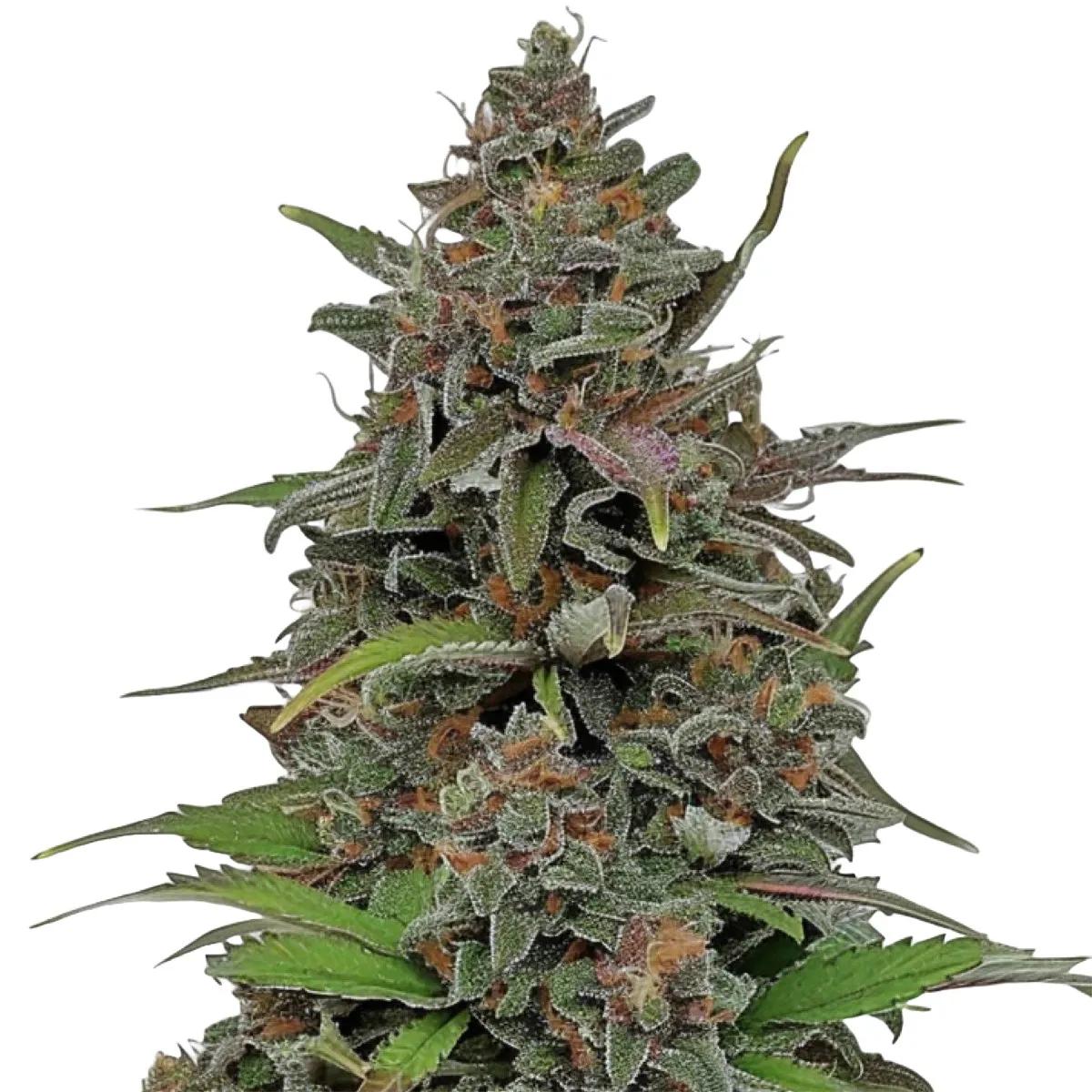
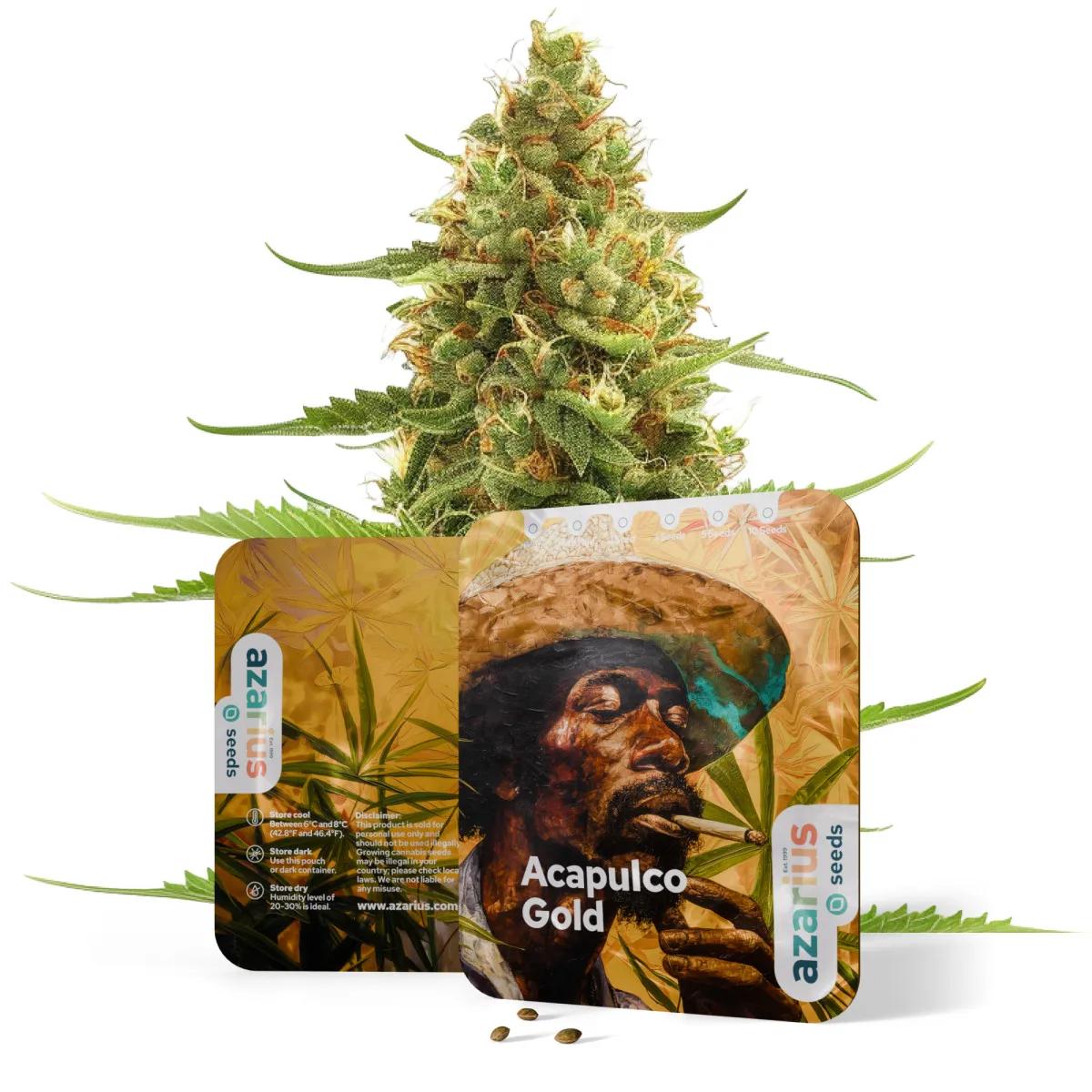
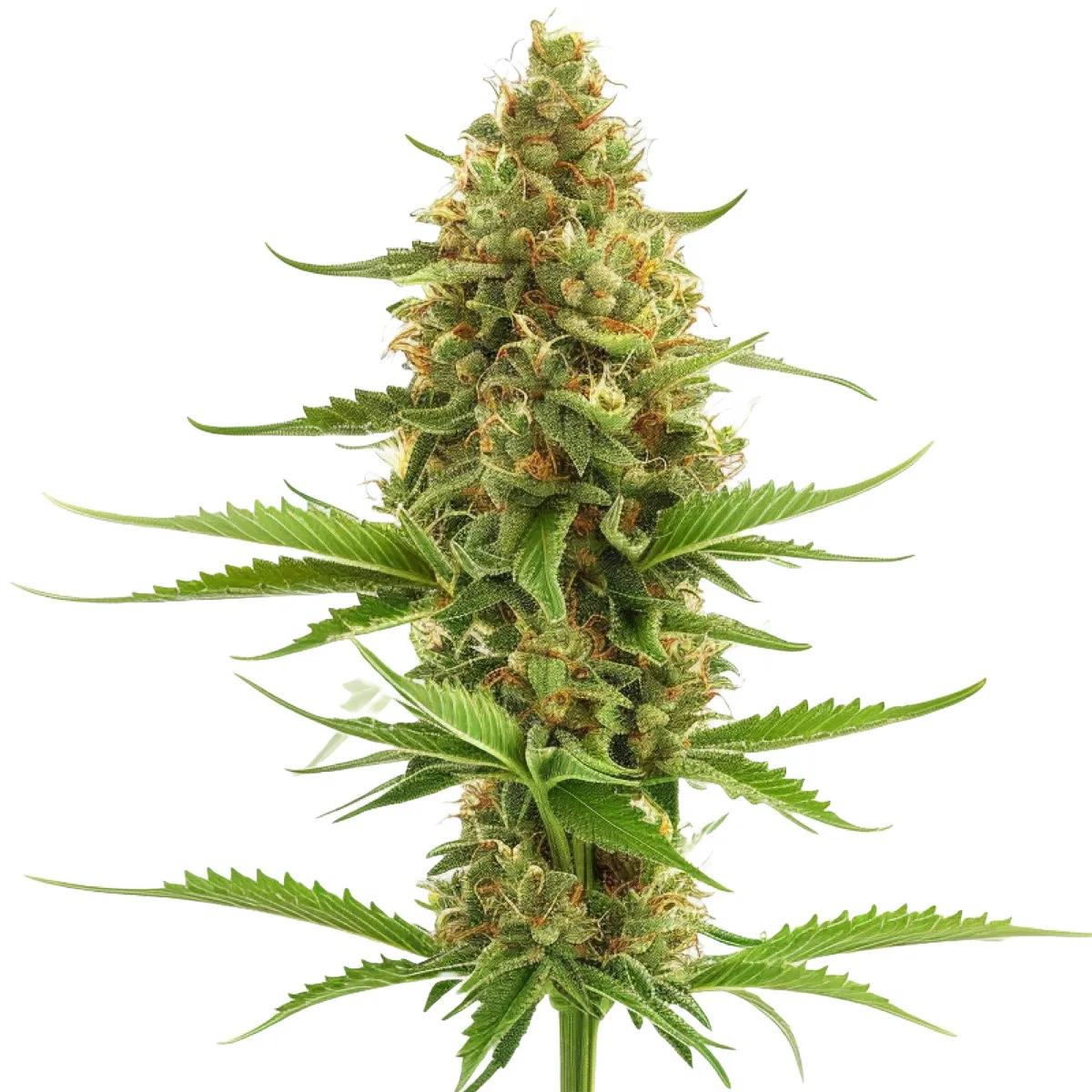
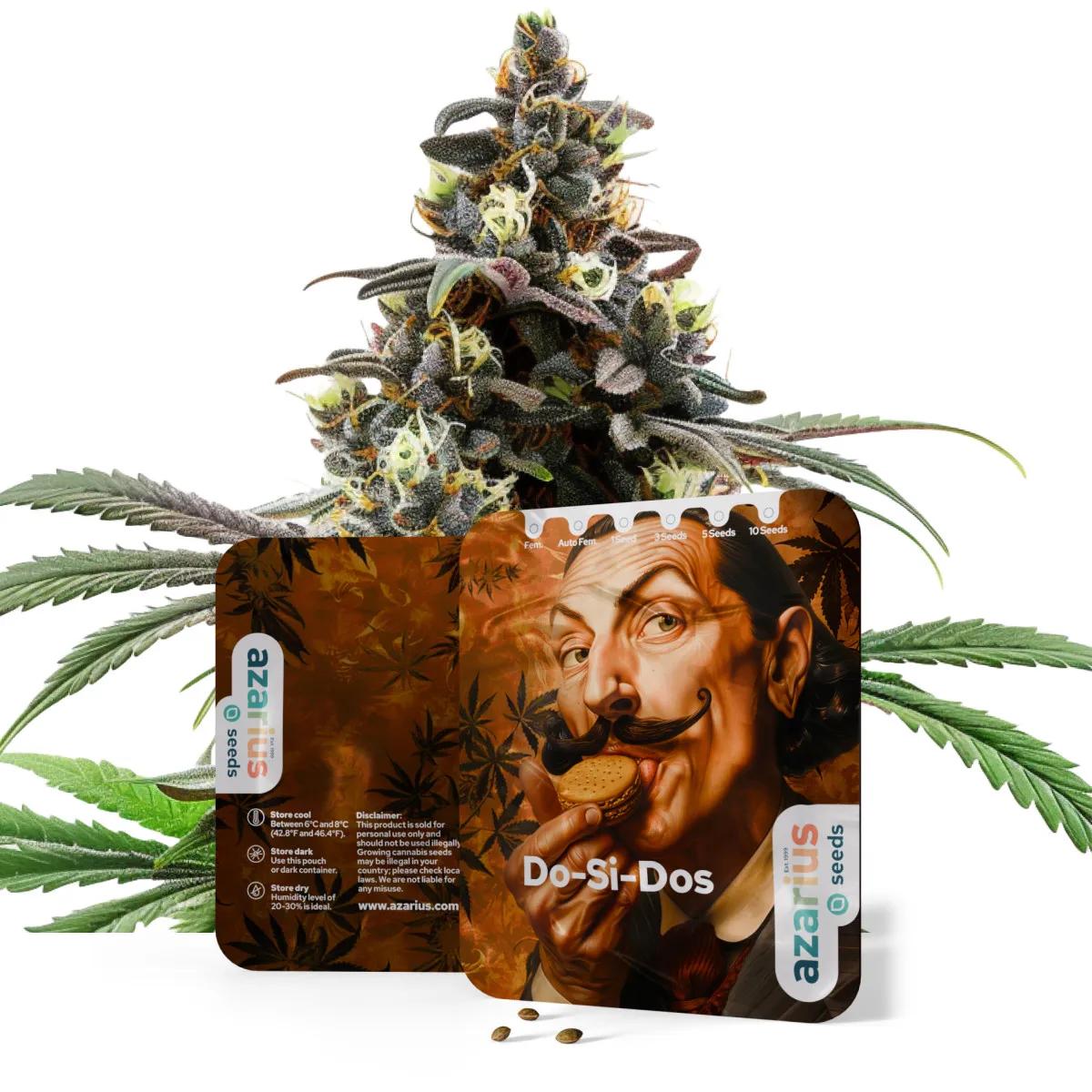
Do-Si-Dos Auto is a sativa-dominant autoflowering cannabis seed that crosses the legendary Do-Si-Dos with ruderalis genetics for a fast, fuss-free grow. From germination to harvest in 8–9 weeks, this strain delivers 18–20% THC and a flavour profile that layers citrus over earthy kush sweetness. Available in packs of 1, 3, 5, or 10 seeds — pick your scale and get growing.
Running a single plant to test the strain? Grab the 1-seed pack. Planning a proper indoor run with 4–6 plants? The 5-pack gives you room for selection without overspending. The 10-pack is your best value per seed if you're filling a tent or running multiple cycles. The 3-pack sits in the middle — enough for a small SOG setup or a first grow with a backup or two.
Do-Si-Dos Auto by Azarius pairs the original Do-Si-Dos — itself a cross of Girl Scout Cookies and Face Off OG — with ruderalis genetics. That ruderalis parent is what makes this strain autoflowering: it switches to bloom based on age rather than light cycle changes. The result is a plant that keeps the complex terpene profile and potency of its photoperiod parent while shaving weeks off the total grow time.
The Do-Si-Dos lineage brings a terpene mix heavy on limonene (citrus), myrcene (earthy), and caryophyllene (spicy kush). You'll notice the sweetness on the nose before you even break a bud open — it's that cookie heritage coming through. The ruderalis side keeps the plant compact outdoors (up to 150 cm) without sacrificing the resin production you'd expect from a Cookies-family strain.
Do-Si-Dos Auto germinates in 24–120 hours and reaches full maturity in 8–9 weeks from seed. That's the entire lifecycle — no veg-to-flower switch, no light schedule fiddling. Stick your seeds in a damp paper towel, wait for the taproot, plant, and let the genetics do the rest.
Indoor growers can pull 550–700 g/m², which is genuinely impressive for an autoflower. Outdoors, expect 70–120 g per plant — the compact stature (maxing out around 150 cm) means the yield-per-plant numbers look modest, but you can fit more plants into a smaller footprint. We've seen growers run 6–8 of these in a 1.2m x 1.2m tent with solid results.
One honest note: autoflowers don't recover well from heavy stress. If you top or high-stress train too aggressively, you'll lose yield because the plant doesn't have extra veg time to bounce back. Low-stress training (LST) — bending and tying branches — works brilliantly here. Keep the canopy flat, let light hit every bud site, and you'll max out those indoor numbers.
| Specification | Detail |
|---|---|
| Genetics | Do-Si-Dos x Ruderalis |
| Strain Type | Sativa-dominant hybrid |
| Flowering Type | Autoflowering |
| Seed to Harvest | 8–9 weeks |
| THC Content | 18–20% |
| Indoor Yield | 550–700 g/m² |
| Outdoor Yield | 70–120 g/plant |
| Outdoor Height | Up to 150 cm |
| Germination Time | 24–120 hours |
| Flavour Profile | Citrus, earthy, kush, sweet |
| Available Packs | 1, 3, 5, or 10 seeds |
Complete your setup with a propagation kit to nail germination every time — consistent moisture and warmth make all the difference with autoflower seeds. If you're growing indoors, pair these seeds with a complete grow tent kit to control light, airflow, and humidity from day one.
The first thing you notice when you open a jar of dried Do-Si-Dos Auto is that unmistakable cookie sweetness — almost like biscuit dough with a citrus zest twist. Break a nug apart and the earthy kush undertones come forward, grounding the sweetness with something richer and more complex. On the exhale, there's a lingering citrus tang that sits on the palate for a good while.
This flavour complexity comes from the Cookies-family genetics. The original Do-Si-Dos is famous for its dessert-like terpene profile, and the autoflower version holds onto that character surprisingly well. If you've grown or smoked OG Kush or Girl Scout Cookies before, you'll recognise the family resemblance — but Do-Si-Dos Auto has its own personality. The citrus notes are brighter, the sweetness less cloying.
Compared to something like Northern Lights Auto, which leans more into pine and spice, Do-Si-Dos Auto is distinctly sweeter and more aromatic. If you prefer dessert strains over fuel strains, this is your pick.
At 18–20% THC, Do-Si-Dos Auto sits in a comfortable middle ground — strong enough to be satisfying, not so potent that it floors you. The sativa-dominant genetics lean the experience toward the uplifting and creative side. Users report feeling focused and inspired, with a relaxing body component that builds gradually rather than hitting all at once.
According to a review published in the journal Therapeutic Effects of Cannabis and Cannabinoids (National Academies of Sciences, 2017), cannabinoids have been studied for their potential role in managing chronic pain, though individual responses vary significantly depending on cannabinoid profile and consumption method. Research into terpene-cannabinoid interactions — sometimes called the entourage effect — suggests that the specific terpene blend in a strain may influence the overall experience beyond THC content alone, according to findings reviewed in Anti-Cancer Potential of Cannabinoids, Terpenes, and Flavonoids (Frontiers in Pharmacology, 2020).
The balanced nature of this strain makes it versatile for different times of day. The creative, focused onset works well for afternoon sessions, while the gradual relaxation that follows suits evening wind-down. That said, if you're after something purely sedating for late-night use, a heavier indica autoflower might serve you better.
We've been selling cannabis seeds since the early days of the Azarius shop, and the autoflower category has come a long way since then. Ten years ago, autoflowers meant sacrificing potency and flavour for convenience. Do-Si-Dos Auto is proof that trade-off barely exists anymore — 18–20% THC, 550–700 g/m² indoors, and a terpene profile that rivals many photoperiod strains.
The 8–9 week seed-to-harvest timeline is the real selling point for most growers. You can run 4–5 cycles per year indoors without any light schedule management. Outdoors, you can stagger plantings and harvest multiple times across a single season. That flexibility is hard to beat.
The one thing to watch: don't overwater during the first two weeks. Autoflower seedlings have smaller root systems than photoperiod plants at the same age, and soggy soil is the fastest way to stunt growth you can't get back. Water in a ring around the seedling, not directly on the stem, and let the top centimetre of soil dry between waterings. Simple, but it makes a measurable difference in final yield.
Yes. The autoflowering genetics remove the need for light cycle management, which is the most common beginner mistake. Stick to the basics — don't overwater, don't overfeed, use LST instead of topping — and you'll get a solid harvest in 8–9 weeks.
Both, honestly. The sativa-dominant genetics give an uplifting, creative onset that works well during the day. The relaxing body effect that builds over time makes it equally suited for evening sessions. At 18–20% THC, it's not so heavy that it locks you to the sofa.
Indoor growers using proper lighting and LST training can expect 550–700 g/m². Outdoors, yields range from 70–120 g per plant. The compact outdoor size (up to 150 cm) means lower per-plant numbers, but you can compensate by growing more plants in the same space.
The autoflower version finishes weeks faster and doesn't require a 12/12 light switch. THC levels are slightly lower (18–20% vs. 19–25% for some photoperiod cuts), but the flavour profile — citrus, kush, sweet cookie dough — carries over faithfully. For most home growers, the speed and simplicity outweigh the marginal potency difference.
We'd advise against it. Autoflowers have a fixed vegetative period, so they can't recover from the stress of topping the way photoperiod plants can. LST (bending and tying) achieves a similar canopy-flattening effect without the growth delay. You'll get better results with gentle training than aggressive pruning.
Expect a sweet, biscuity aroma with sharp citrus notes and an earthy kush base. It's not the stealthiest strain — a carbon filter is strongly recommended for indoor grows, especially during the last 3–4 weeks when terpene production peaks.
Four plants in 11-litre pots is the sweet spot for a 1m x 1m space. You could squeeze in 6 using smaller pots (7 litres), but root restriction may limit individual plant yields. With 4 plants and LST, you're looking at the upper end of that 550–700 g/m² range.
Last updated: April 2026
Medical disclaimer. This content is for informational purposes only and does not constitute medical advice. Consult a qualified healthcare provider before use of any substance.