Autoflowering seeds
by Azarius
Purple Punch Auto is an indica-dominant autoflowering cannabis seed that delivers knockout relaxation wrapped in a dessert-like flavour profile. Bred from Purple Punch crossed with Ruderalis, this 80% Indica / 20% Sativa hybrid finishes flowering in up to 9 weeks and produces indoor yields of up to 400g/m². If you want heavy-hitting indica genetics without the hassle of light schedule management, this is where you start.
Purple Punch Auto seeds come in packs of 1, 3, 5, and 10. Growing in a 1m² tent? Three to four plants will fill that canopy nicely without crowding each other out. If you're running a larger space or want to pheno-hunt for the purplest specimens, grab the 10-pack — you'll get more variety to select from, and autoflowers don't take cuttings well, so every seed counts.
| Pack Size | Best For |
|---|---|
| 1 seed | Test run — see if the genetics suit your setup |
| 3 seeds | Small tent (60x60 to 80x80), personal supply |
| 5 seeds | Standard 1m² grow, solid selection |
| 10 seeds | Larger grows, pheno selection, stocking up |
Purple Punch Auto tastes like someone crushed grape candy into a blueberry muffin and lit it on fire — in the best possible way. The dominant terpene is caryophyllene at roughly 25%, backed by limonene and pinene at about 15% each. That caryophyllene brings a peppery, slightly spicy edge that stops the sweetness from becoming one-dimensional. The limonene adds a citrus tang, while pinene contributes a fresh, resinous undertone.
When you crack open a cured bud, the first thing that hits you is grape. Not subtle grape, not "is that grape?" — proper, unmistakable grape candy sweetness. Underneath that sits a warm, baked quality — think blueberry muffin straight from the oven. On the exhale, you'll catch diesel and earthy notes that ground the whole experience. It's a dessert strain that doesn't forget it's still cannabis.
Honestly, this is one of the better-smelling autoflowers we've come across. The terpene complexity rivals many photoperiod strains, which isn't always the case with autos. The one thing to watch: those sweet, fruity terpenes are loud during flowering. If you're growing in a shared space, a carbon filter isn't optional — your neighbours will smell grape candy through the walls.
Purple Punch Auto is one of the more forgiving autoflowers to cultivate, making it a solid pick if you're on your second or third grow and want something that rewards without demanding perfection. The Ruderalis genetics mean this plant flowers automatically regardless of light schedule — no need to flip to 12/12.
Indoor yields reach up to 400g/m² under optimal conditions — that means proper lighting (300W+ LED for a 1m² canopy), good airflow, and consistent feeding. Outdoors, expect slightly less per plant, but the autoflowering trait means you can squeeze in two harvests per season in most European climates.
| Specification | Detail |
|---|---|
| Genetics | Purple Punch x Ruderalis |
| Strain Type | Indica-dominant (80% Indica / 20% Sativa) |
| Flowering Type | Autoflowering |
| Flowering Time | Up to 9 weeks |
| Indoor Yield | Up to 400g/m² |
| Dominant Terpene | Caryophyllene (25%) |
| Secondary Terpenes | Limonene (15%), Pinene (15%) |
| Flavour Notes | Grape candy, blueberry muffin, citrus, diesel |
| Available Pack Sizes | 1, 3, 5, 10 seeds |
Complete your grow setup with a carbon filter and extraction fan — Purple Punch Auto's grape-candy terpenes are potent during flowering and will fill any room without proper ventilation. If you're running a small tent, pair these seeds with a complete grow kit that includes lighting, ventilation, and soil so everything arrives in one go.
Most autoflowers used to be a compromise — faster harvest, sure, but you'd sacrifice flavour complexity and potency for that convenience. Purple Punch Auto is one of the strains that's changed that equation. The indica genetics from Purple Punch bring genuine bag appeal: dense, resinous buds with deep purple colouring that develops naturally in the final weeks, especially if nighttime temperatures drop below 15°C. The Ruderalis side keeps the timeline tight without gutting the terpene profile.
We'd pick this over most photoperiod indicas if you're working with a small tent and limited time. A full cycle from seed to harvest in roughly 10-11 weeks total (including a couple of weeks of vegetative growth before the auto-flowering kicks in) means you can run three cycles per year indoors without breaking a sweat. Compare that to a photoperiod Purple Punch that needs 8-9 weeks of flowering alone, plus however long you veg — you're looking at 14-16 weeks minimum.
The honest limitation? Autoflowers give you less control over plant size. If you want to veg for 6 weeks and fill a massive SCROG net, a photoperiod version will serve you better. But if you want a fast, reliable indica harvest with genuinely impressive flavour, Purple Punch Auto delivers. We've been stocking these since they gained popularity, and the feedback from growers has been consistently positive — particularly about the terpene intensity and the purple colouring that develops without needing to stress the plant.
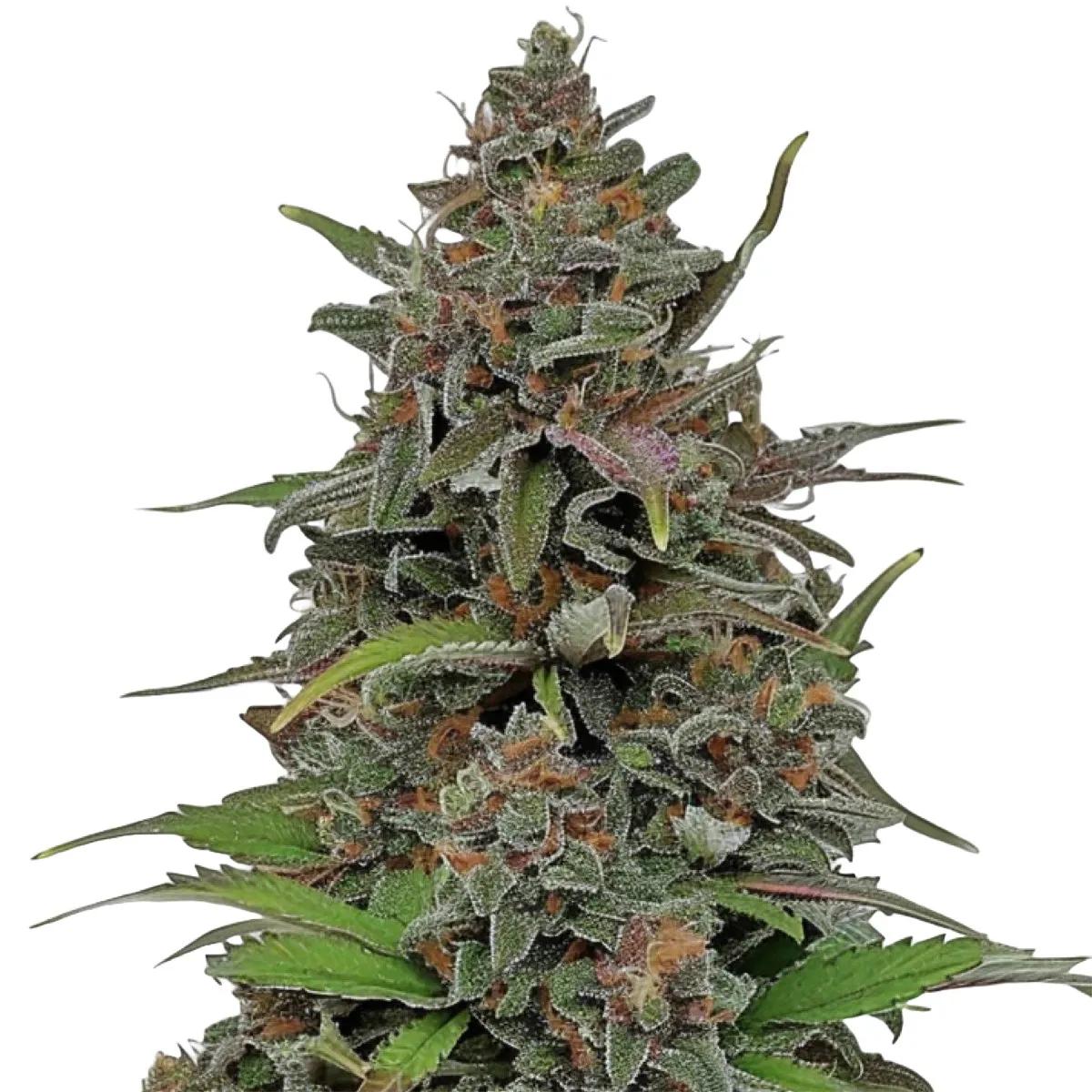
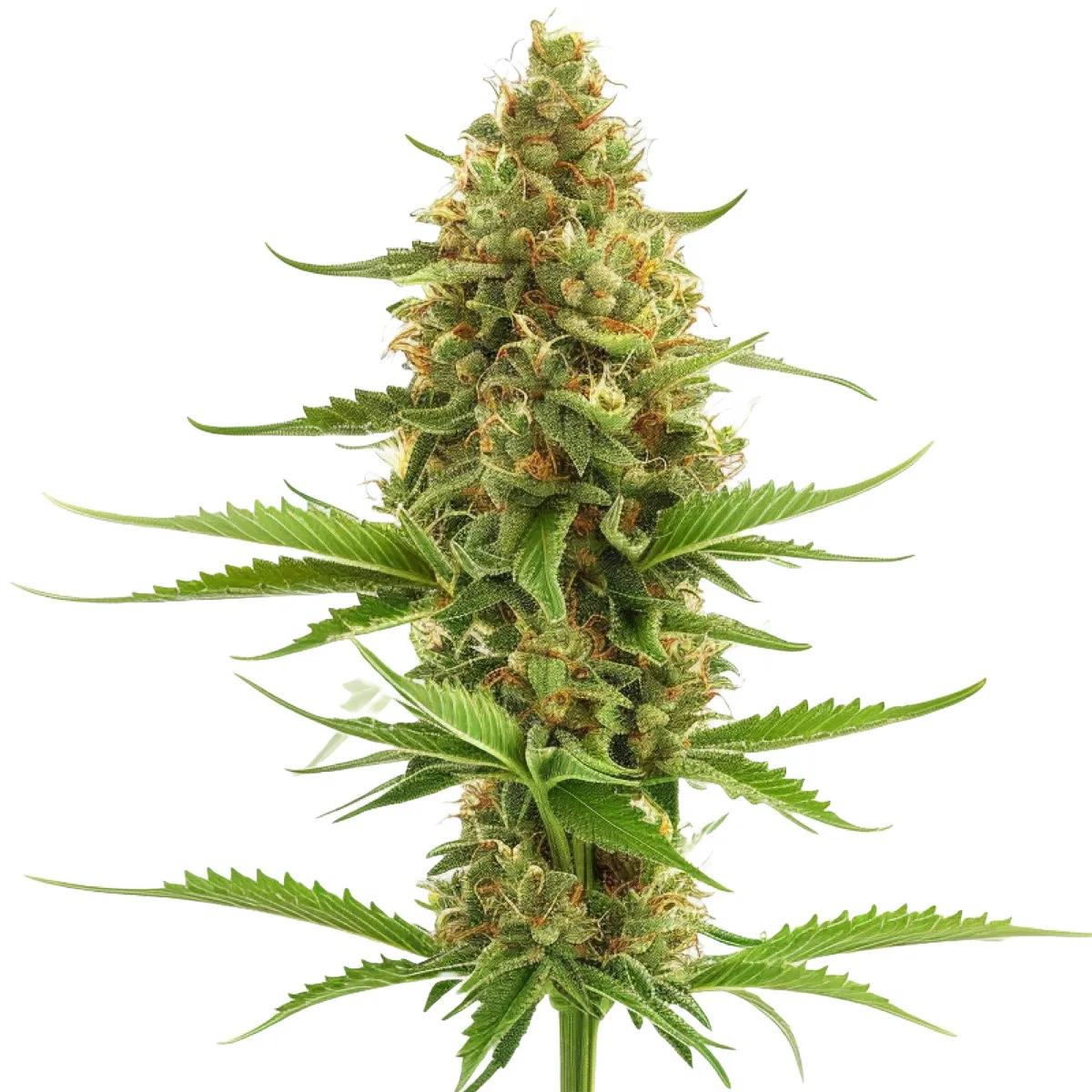
The finished product is visually striking. Expect dense, golf-ball-shaped buds with a colour palette that shifts from deep green to rich purple, threaded with gold and orange pistils. A thick layer of frosty trichomes coats everything, giving the buds a sugared appearance that matches their sweet scent. When you break a nug apart, the inside is often even more purple than the outside — a trait inherited from the Purple Punch parent.
The indica-dominant genetics produce a heavy, full-body effect. This is an evening strain through and through. One session and the couch becomes your best friend. The onset starts with a gentle wave of mental calm before the physical relaxation settles in — and once it does, you're not going anywhere. If you're after something to wind down with after a long day, this is the one. If you need to be productive, save it for later.
Purple Punch Auto delivers strong indica-dominant effects — deep physical relaxation and mental calm. The 80% indica genetics make this a proper evening strain. Most growers report the buds produce a sedative, couch-locking effect that builds gradually after the first few minutes.
Flowering takes up to 9 weeks. Add roughly 2-3 weeks of seedling and early vegetative growth before auto-flowering begins, and you're looking at approximately 11-12 weeks total from germination to harvest. That's significantly faster than the photoperiod version.
Yes, it's one of the more forgiving autoflowers available. The Ruderalis genetics handle minor feeding mistakes and environmental fluctuations reasonably well. Avoid topping — stick to low-stress training if you want to shape the canopy. New growers on their second or third run should have no trouble.
Up to 400g/m² indoors under optimal conditions. That means adequate lighting (300W+ LED for 1m²), proper ventilation, and consistent nutrient schedules. In a small tent with 3-4 plants, expect around 40-80g per plant depending on your setup and experience.
The purple colouring comes from anthocyanins — pigments inherited from the Purple Punch parent genetics. Cooler nighttime temperatures (below 15°C) during the final weeks of flowering encourage deeper purple hues, though many plants will show colour even without a temperature drop.
Grape candy and blueberry muffin dominate, backed by citrus tang and a diesel undertone. The dominant terpene is caryophyllene (25%), which adds a peppery spice that balances the sweetness. It's one of the more aromatic autoflowers — a carbon filter is strongly recommended during flowering.
Absolutely. The autoflowering trait means it doesn't depend on seasonal light changes to flower. In most European climates, you can start seeds from late spring through mid-summer and harvest before autumn sets in. Some growers manage two outdoor cycles per season.
No. Autoflowers have a fixed vegetative timeline and don't recover from topping quickly enough to benefit. Use low-stress training (LST) instead — gently bend the main stem to expose lower branches to light. This improves canopy evenness without sacrificing growth time.
Last updated: April 2026
Medical disclaimer. This content is for informational purposes only and does not constitute medical advice. Consult a qualified healthcare provider before use of any substance.