Feminized seeds
by Azarius
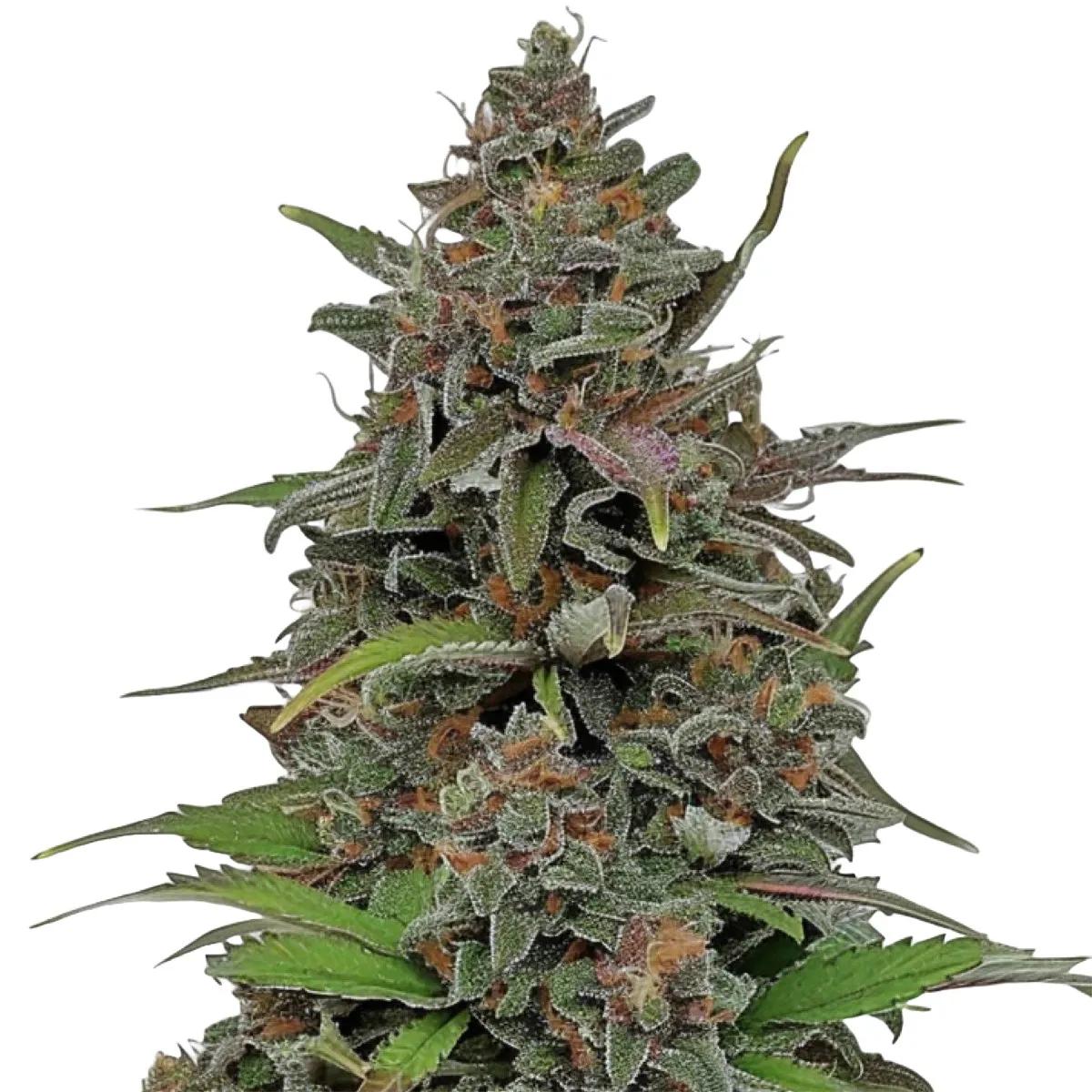
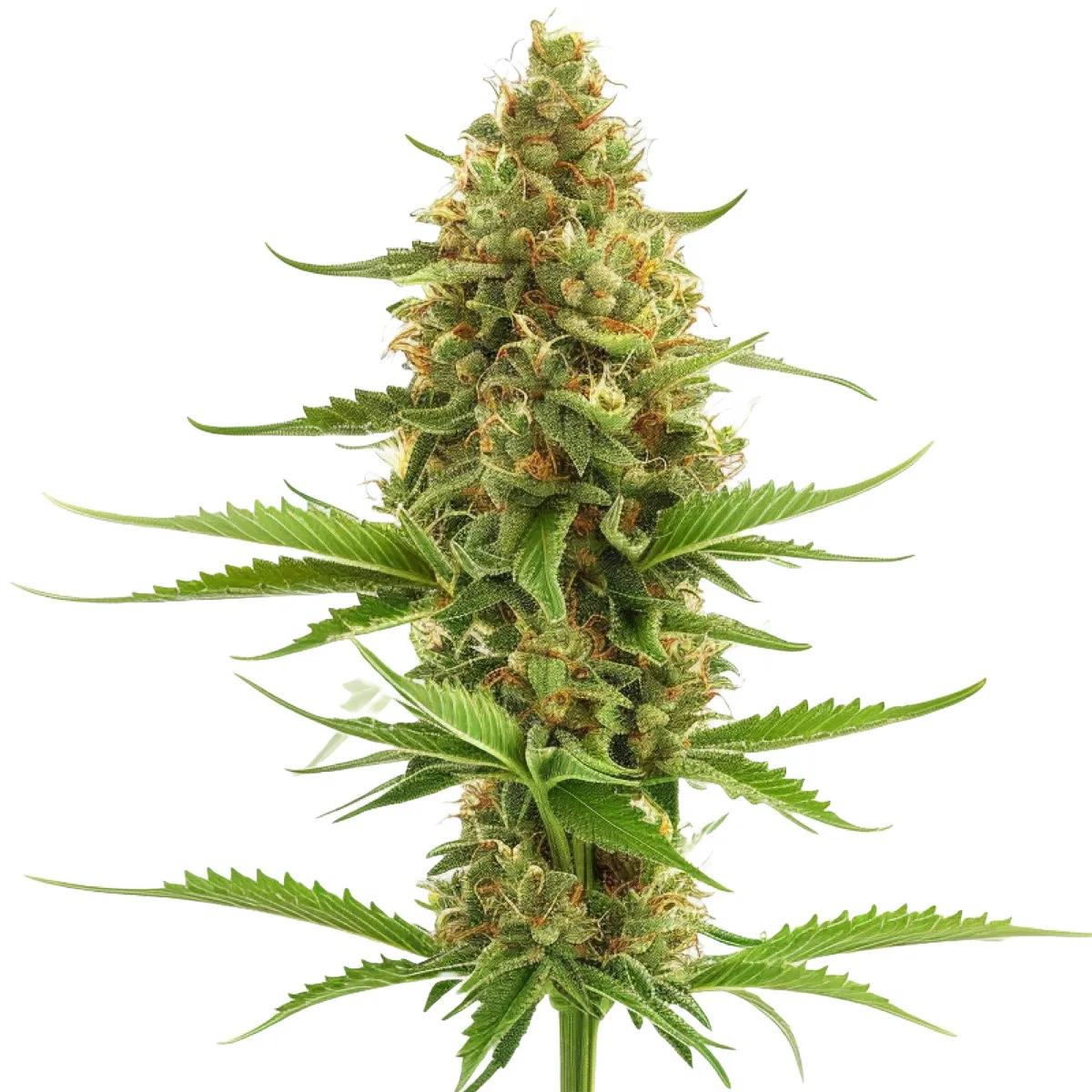
Cinderella 99 is a sativa-dominant feminized cannabis seed strain that delivers sharp cerebral energy and tropical fruit flavours in a surprisingly fast flowering window. Bred from Jack Herer crossed with Shiva Skunk, this 85% sativa carries Dutch genetics with a reputation for focus, creativity, and a pineapple-forward terpene profile that hits you before you even grind the bud. We've stocked C99 for years because it does something most sativas struggle with: it finishes quickly without sacrificing that electric, head-first character.
Cinderella 99 feminized seeds come in packs of 1, 3, 5, or 10. If you're running a single tent — say an 80x80 or 100x100 — three seeds gives you a comfortable selection to pick your best phenotype. Five is the sweet spot for a full canopy with a spare or two. The 10-pack makes sense if you're planning multiple runs or want to pheno-hunt for that one standout plant with the loudest pineapple nose.
Cinderella 99 is the result of crossing Jack Herer — one of the most celebrated sativa-leaning hybrids ever bred — with Shiva Skunk, a resinous indica that adds structure and speed. The genetic split lands at roughly 85% sativa and 15% indica, which explains why the effects lean so heavily toward the head. The origin story is genuinely odd: the seed that started it all was reportedly found by a cleaning lady, not sourced from some elite seed vault. No pedigree, no grand plan — just a stray seed that turned out to be electric. That accidental discovery eventually produced one of the most talked-about sativa-dominant strains to come out of the Netherlands.
The Jack Herer parentage brings cerebral intensity and that characteristic spicy, herbal backbone. Shiva Skunk contributes resin production and a compact flowering time that most pure sativas can't match. The combination means you get a plant that grows with sativa vigour but doesn't make you wait 14 weeks to chop it.
| Specification | Detail |
|---|---|
| Genetics | Jack Herer x Shiva Skunk |
| Strain Type | 85% Sativa / 15% Indica |
| Seed Type | Feminized Photoperiod |
| Flowering Time | Up to 9 weeks |
| Indoor Yield | Up to 400g/m² |
| Dominant Terpene | Caryophyllene (30%) |
| Other Key Terpenes | Limonene (20%), Myrcene (15%), Linalool (15%) |
| Flavour Profile | Tropical pineapple, citrus, spicy, earthy |
| Origin | Netherlands |
| Available Packs | 1, 3, 5, or 10 seeds |
Cinderella 99 smells like someone sliced a pineapple open inside a spice cupboard. The dominant terpene is caryophyllene at 30%, which brings a peppery, slightly woody warmth that sits underneath the fruit. Limonene at 20% adds bright citrus — think grapefruit peel more than lemon. Myrcene (15%) contributes an earthy, herbal base, while linalool (15%) rounds things off with a subtle floral sweetness.
According to research published in the journal Molecules, beta-caryophyllene is one of the most prevalent terpenes across cannabis cultivars, appearing as the dominant terpene in strains like Tangie (45.17%) and Chemdawg 4 (44.90%), with limonene frequently appearing as a secondary terpene in the same profiles (Sommano et al., 2021). Cinderella 99 follows this pattern closely, with caryophyllene and limonene making up half the terpene profile between them.
When you crack a jar of properly cured C99, the first thing that hits you is tropical fruit — unmistakably pineapple, with a candy-sweet edge. Grind it up and the spice comes forward. The smoke itself is smooth for a sativa, not harsh or thin, with that fruity sweetness lingering on the exhale. It's one of those strains where the nose genuinely matches the taste, which isn't always the case.
| Terpene | Percentage | Character |
|---|---|---|
| Caryophyllene | 30% | Peppery, woody, warm |
| Limonene | 20% | Citrus, grapefruit peel |
| Myrcene | 15% | Earthy, herbal |
| Linalool | 15% | Floral, subtle sweetness |
| Other | 20% | Pine, spice, fruit |
Cinderella 99 feminized seeds produce photoperiod plants that flower in up to 9 weeks — fast for something with 85% sativa genetics. Indoors, expect yields up to 400g/m² with a well-managed canopy. She stretches during the first weeks of flower, so if you're working with limited headroom, flip early or use low-stress training to keep things manageable.
The sativa structure means tall, branchy plants with decent internodal spacing. She responds well to topping and SCRoG setups — spreading those branches out gives light to lower bud sites that would otherwise get shaded. The one thing to watch: she can be a hungry feeder during mid-flower. If you see yellowing leaves climbing up the plant faster than expected, bump your nitrogen slightly during the transition period before switching to a bloom-heavy feed.
Most sativa-dominant strains make you choose: either you get the cerebral, energising character you want, or you get a reasonable flowering time. Rarely both. Cinderella 99 closes that gap. At up to 9 weeks in flower, she finishes on a timeline that most indica-dominant plants would be comfortable with, but the effect and flavour are unmistakably sativa. That's the Jack Herer influence — cerebral sharpness and creative energy — tempered by Shiva Skunk's ability to keep things compact and fast.
The honest limitation? She can be a bit sensitive to overfeeding, especially in soil setups where nutrients build up. If you're used to heavy-feeding indica genetics, dial it back about 20% and watch how she responds. She'll tell you quickly — leaf tips curling or burning means you've pushed too far. In hydro, she's more forgiving because you can flush and adjust on the fly.
Compared to something like Amnesia Haze, which can take 12-13 weeks to flower and stretch to twice its height, Cinderella 99 gives you a similar headspace in a much more manageable package. If you want sativa effects without dedicating an entire grow cycle to waiting, C99 is the one we'd point you toward.
Running Cinderella 99 indoors? Pair her with a proper grow tent and ventilation setup — she'll appreciate the airflow during her stretch phase. A carbon filter is worth having too, because those pineapple terpenes get loud by week 5 of flower. If you're after another fast-finishing sativa to run alongside her, have a look at Jack Herer feminized seeds — same parent genetics, similar timeline, different expression.
We've been selling Cinderella 99 seeds since the early days, and the feedback loop is consistent: growers come back for her. The first thing people mention is the smell — that pineapple note is genuinely strong, not a marketing invention. The second thing they mention is the speed. Nine weeks from flip to chop for a plant that's 85% sativa still surprises people who've spent months waiting on other sativa-leaning genetics.
One thing we hear occasionally: some phenotypes lean slightly more toward the Shiva Skunk side, producing denser, more compact buds with a spicier profile. If you pop 5 seeds, you might get one like that. It's not a bad thing — just different. The majority will give you the classic C99 expression: tall, fruity, and cerebral. That's the beauty of running a few seeds instead of just one.
Up to 9 weeks from the start of the 12/12 light cycle. That's fast for an 85% sativa. Some phenotypes finish closer to 8 weeks, but give her the full 9 if you want maximum trichome development.
Up to 400g/m² indoors with proper lighting, nutrition, and canopy management. Using SCRoG or topping techniques helps maximise light penetration to lower bud sites, which pushes yields closer to that ceiling.
She's manageable for growers with at least one grow under their belt. The main thing to watch is nutrient sensitivity — she prefers a lighter feed than most indica-dominant strains. Start at 70-80% of your usual nutrient strength and adjust from there.
Tropical pineapple upfront, with peppery spice and citrus underneath. The terpene profile is led by caryophyllene (30%) and limonene (20%). She gets loud in late flower — a carbon filter is strongly recommended for indoor grows.
Jack Herer crossed with Shiva Skunk. Jack Herer brings the cerebral sativa character and herbal spice; Shiva Skunk adds resin production, compact structure, and a faster flowering time than most sativa genetics.
She benefits from topping and low-stress training during veg — the sativa stretch can get significant otherwise. In late flower, some branches may need support stakes if the buds get heavy enough to pull them down.
Three seeds gives you enough to find a good phenotype. Five is better if you want a full canopy with room to select. The 10-pack is for growers planning multiple runs or pheno-hunting for the standout pineapple expression.
Last updated: April 2026
Medical disclaimer. This content is for informational purposes only and does not constitute medical advice. Consult a qualified healthcare provider before use of any substance.