Feminized seeds
by Azarius
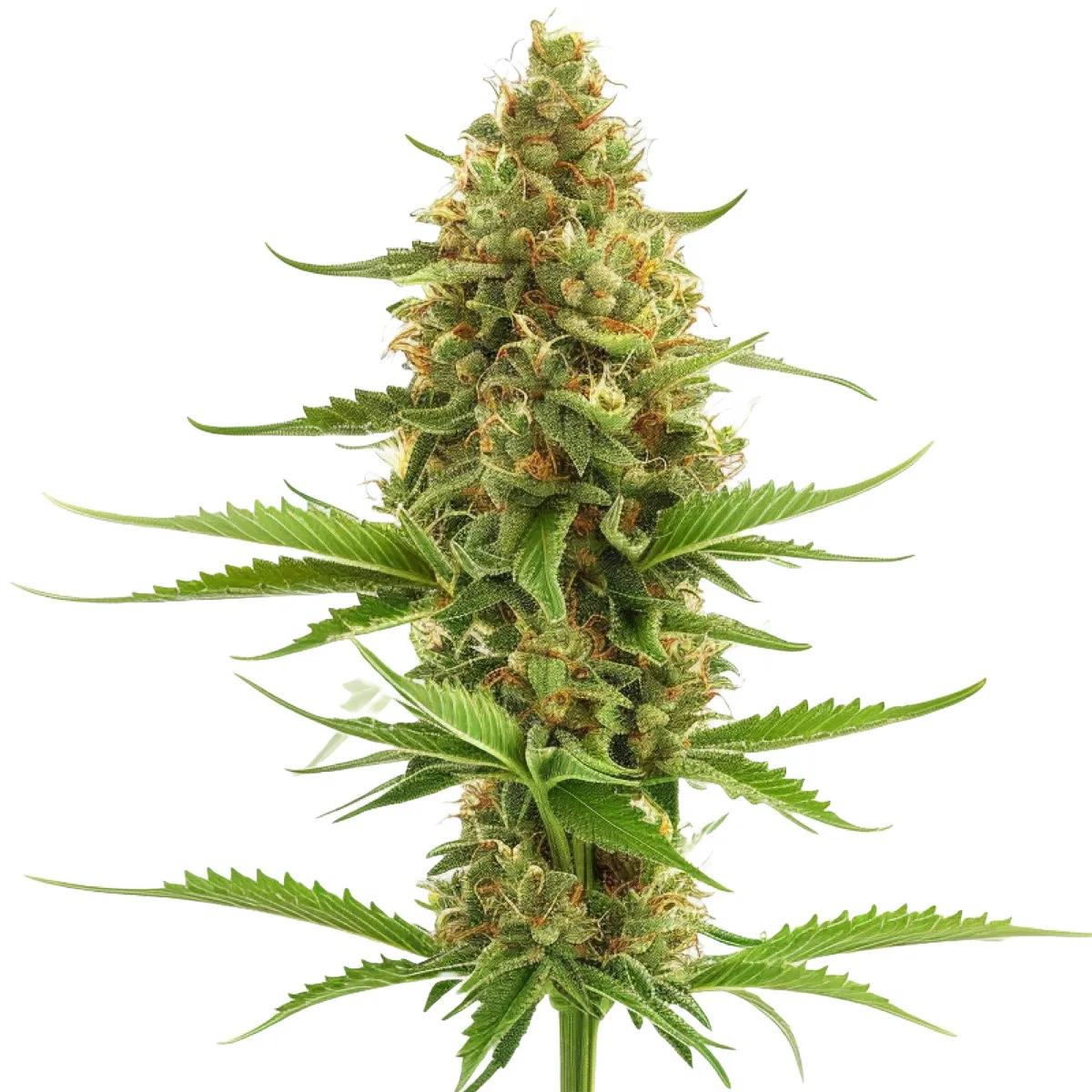
Lemon Haze seeds are sativa-dominant feminized cannabis seeds bred from a cross of Lemon Skunk and Silver Haze. With a 70/30 sativa-to-indica genetic split, 15–20% THC, and a terpene profile loaded with limonene, this is a genuine citrus-diesel cultivar that delivers cerebral, energising effects and indoor yields of 400–500 g/m². If your last "lemon" strain tasted like floor cleaner with a yellow label, this one actually smells like you zested a lemon into a diesel tank — in the best possible way.
Lemon Haze seeds come in 1, 3, 5, and 10-seed packs. Pick the size that matches your grow space, not your ambitions.
| Pack Size | Best For | Notes |
|---|---|---|
| 1 seed | First-time testers | Run a single plant to gauge the stretch and flavour before committing more space. |
| 3 seeds | Single-tent growers | Enough for one indoor cycle with a backup if germination hiccups. Solid starting point for a SCROG setup. |
| 5 seeds | Full canopy runs | Fills a 1.2 m x 1.2 m tent comfortably with trained plants. The sweet spot for most indoor growers chasing 400–500 g/m². |
| 10 seeds | Bulk and outdoor growers | Best value per seed. Warm-climate outdoor plots where each plant can push 100+ g, or multiple indoor cycles back to back. |
We'd steer most indoor growers towards the 5-pack — it gives you enough plants to fill a standard tent and select the best performers without overspending. If you're running outdoors in a Mediterranean or similar warm climate, the 10-pack makes more sense purely on cost per seed.
Lemon Haze is a cross of Lemon Skunk and Silver Haze — two parent strains that each bring something specific to the table. Lemon Skunk contributes the sharp citrus nose and sturdy branching structure, while Silver Haze delivers the classic sativa stretch, cerebral effects, and resin production that coats the colas in a sticky layer of trichomes.
The dominant terpene here is limonene, the same monoterpene responsible for the scent of lemon peel and orange rind. According to a review published in PMC, limonene has a low affinity for cannabinoid receptors but may influence serotonin and dopamine levels (The Cannabis Terpenes, PMC). In practical terms, you'll notice the citrus-diesel aroma the moment you crack a jar — it's pungent, sharp, and lingers on your fingers. Secondary terpenes include caryophyllene and myrcene, which round out the profile with subtle spicy and earthy undertones.
One thing worth knowing: a genomic study on cannabis cultivar classification found that "Super Lemon Haze" showed 100% genetic assignment to the narrow-leaf marijuana-type (NLMT) group, confirming its sativa-dominant heritage at the DNA level (Genomic Evidence That Governmentally Produced Cannabis Sativa, PMC). That sativa dominance isn't just marketing — it's in the genetics.
| Specification | Detail |
|---|---|
| Genetics | Lemon Skunk x Silver Haze |
| Type | Sativa-dominant feminized (70/30) |
| THC | 15–20% |
| Flowering Time | 8–10 weeks |
| Indoor Yield | 400–500 g/m² |
| Outdoor Yield | 100+ g/plant in warm climates |
| Dominant Terpene | Limonene |
| Secondary Terpenes | Caryophyllene, myrcene |
| Aroma | Citrus-diesel, sharp lemon peel |
| Seed Type | Feminized |
Lemon Haze delivers a cerebral, energising effect that leans heavily into the sativa side of its genetics. At 15–20% THC, it's potent enough to be genuinely effective but not so strong that it'll pin you to the sofa — this is a daytime cultivar through and through.
The onset tends to hit within 10–15 minutes when smoked, starting behind the eyes and spreading into a focused, uplifted headspace. Users commonly report increased motivation, chattiness, and a general sharpness that makes it well-suited to creative work or social settings. The body effects are minimal — a light looseness rather than any heavy sedation. Expect the main effects to last around 2–3 hours depending on tolerance and consumption method.
The honest limitation: if you're prone to racing thoughts or anxiety with sativa-dominant strains, Lemon Haze can amplify that. The cerebral intensity is its strength and its weakness depending on your temperament. Start with a smaller amount if you're new to sativas. Dry mouth and dry eyes are the most commonly reported side effects — keep water nearby.
Compared to something like Amnesia Haze, which tends to hit harder and longer with higher THC ceilings, Lemon Haze is more manageable and functional. It's the one we'd recommend if you want to actually get things done after smoking rather than staring at a wall for three hours contemplating the nature of time.
Lemon Haze rewards patient indoor cultivators who train early and manage the stretch. This is a tall grower — the Silver Haze genetics push vertical growth aggressively during the first 2–3 weeks of flowering, and you can see plants double or even triple in height if you flip without preparation.
The one thing that catches growers off guard: the smell. From week 4 of flower onward, the limonene-heavy terpene profile fills an entire room. A carbon filter isn't optional — it's mandatory if you don't want your entire flat smelling like a lemon grove crossed with a petrol station.
Lemon Haze thrives outdoors in warm climates with long summers — think southern Spain, Italy, Greece, or anywhere with consistent temperatures above 20°C during the growing season. The sativa genetics mean these plants want space and light, and they'll reward you for both.
Outdoors, individual plants can push well past 100 g each when given room to spread. Plant in large pots (minimum 25 litres) or directly in the ground with well-draining soil amended with perlite and compost. Lemon Haze stretches tall outdoors — 1.5 to 2 metres isn't unusual — so consider topping once during veg to encourage bushier lateral growth and keep the profile manageable.
Harvest timing depends on your latitude. In southern Europe, expect to chop in mid to late October. Northern growers face a gamble: if autumn rains arrive before the 8–10 week flowering window closes, you're fighting mould on dense colas. That's why we'd recommend Lemon Haze outdoors only if you're confident in at least 8 weeks of dry, warm weather after the summer solstice triggers flowering. If your climate is marginal, stick to indoor growing where you control the environment.
Lemon Haze sits in a crowded family of Haze genetics, and picking the right one matters. Here's how it compares to two popular alternatives.
| Trait | Lemon Haze | Amnesia Haze | Silver Haze |
|---|---|---|---|
| Genetics | Lemon Skunk x Silver Haze | South Asian x Jamaican x Afghani | Northern Lights x Haze |
| THC Range | 15–20% | 20–25% | 18–23% |
| Flowering Time | 8–10 weeks | 10–12 weeks | 9–11 weeks |
| Indoor Yield | 400–500 g/m² | 450–550 g/m² | 400–500 g/m² |
| Dominant Aroma | Citrus-diesel | Earthy-citrus | Spicy-sweet |
| Difficulty | Moderate | Moderate-hard | Moderate |
Lemon Haze is the best Haze strain for growers who want genuine citrus flavour without the extended flowering time of Amnesia Haze. Amnesia hits harder at 20–25% THC, but you're waiting an extra 2–4 weeks for it — and managing even more stretch. Silver Haze is the parent strain and shares similar yields, but the aroma leans spicy rather than citrus. If lemon is what you're after, Lemon Haze is the direct route.
Growing Lemon Haze indoors? Pair these seeds with a complete grow tent kit — tent, lighting, ventilation, and carbon filter sorted in one go. For outdoor growers, a quality pH meter and organic nutrient line will help you hit the upper end of that 400–500 g/m² yield range. If you're after variety in your tent, Amnesia Haze seeds or Silver Haze seeds make excellent companion grows with similar flowering schedules.
We've been stocking cannabis seeds since the early days, and the Haze family remains one of the most requested genetic lines in the catalogue. Lemon Haze specifically stands out because it delivers on the promise that so many "lemon" strains fail to keep: it actually tastes and smells like lemon. Not vaguely citrus. Not "if you squint your nose." Proper, sharp, zesty lemon peel with a diesel backbone that fills the room during the final weeks of flower.
The 15–20% THC range puts it in a sweet spot that's increasingly hard to find. The arms race towards 25%+ THC has left a lot of growers with strains that are potent but one-dimensional. Lemon Haze trades a few percentage points of raw THC for a richer terpene profile and a more functional, cerebral effect. According to research on cannabis terpenes, limonene — the dominant terpene in Lemon Haze — may influence serotonin and dopamine pathways independently of THC content (The Cannabis Terpenes, PMC). The entourage of terpenes and cannabinoids working together is what gives this strain its character.
The main challenge is height management. If you don't train Lemon Haze plants early — LST, topping, or SCROG — they will outgrow a standard 1.8 m tent. We've heard from customers who flipped to flower thinking they had it under control, only to find colas pressing against the light two weeks later. Start training in week 3 of veg and don't stop until the stretch phase ends. That's the price of admission for sativa-dominant genetics, and it's worth paying.
Lemon Haze tests at 15–20% THC. It's potent enough for a clear cerebral effect but won't flatten you like a 25%+ strain. The high limonene content contributes to the overall experience beyond raw THC numbers.
It's moderate difficulty. The main challenge is managing height — Lemon Haze stretches aggressively in early flower. If you're willing to learn low-stress training or SCROG techniques, it's manageable. If you want something more forgiving for a first grow, an indica-dominant strain with less stretch would be easier.
Dry mouth and dry eyes are the most common. Because it's sativa-dominant and cerebral, some users report racing thoughts or mild anxiety at higher doses. Start with a smaller amount if you're sensitive to sativas.
8–10 weeks from the flip to 12/12 lighting. Most phenotypes finish closer to 9 weeks. Check trichome colour with a loupe rather than relying on the calendar — milky with 10–15% amber is the target.
400–500 g/m² with proper training and adequate lighting (600W HPS or equivalent LED). The higher end of that range requires SCROG or extensive LST to maximise canopy coverage. Untrained plants in a small tent will yield less.
It's risky. Lemon Haze needs 8–10 weeks of warm, dry flowering weather. In northern climates, autumn rain often arrives before the buds are ready, increasing mould risk on those dense colas. Southern Europe or a greenhouse is a safer bet.
Sharp lemon peel and diesel — the limonene terpene dominates the profile. It's pungent from mid-flower onward and lingers on your hands after handling the buds. The taste follows the nose: citrus on the inhale, fuel on the exhale.
Super Lemon Haze is a related but distinct cultivar, typically testing higher at 19–25% THC with a longer flowering time. Lemon Haze is more manageable for indoor growers with its 8–10 week window and 15–20% THC range. The flavour profiles are similar, but Lemon Haze finishes faster.
Last updated: April 2026
Medical disclaimer. This content is for informational purposes only and does not constitute medical advice. Consult a qualified healthcare provider before use of any substance.