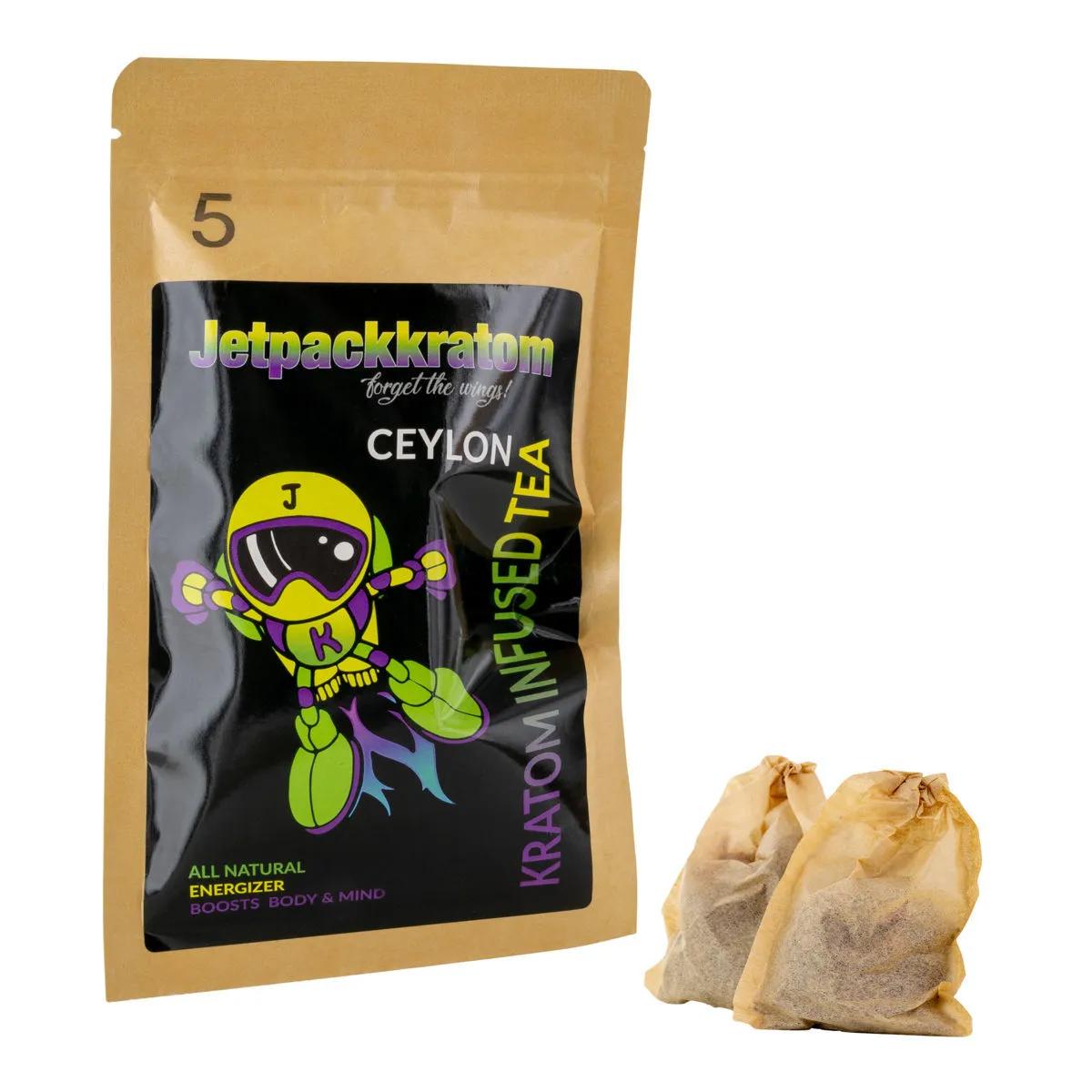
Kratom tea
by Azarius
We'll only email you about this product — no marketing.
Kratom shredded leaf is a coarsely cut preparation of dried Mitragyna speciosa designed specifically for brewing traditional kratom tea. Unlike fine powder that clumps and turns your mug into sludge, these shredded leaves steep cleanly in hot water, releasing their alkaloid profile gradually — the way kratom has been prepared in Southeast Asia for centuries. Available in Red vein, with 50g and 100g options to suit your needs.
The 50g pouch gives you roughly 10–15 brewing sessions depending on how strong you like your tea — a solid starting point if you're trying shredded kratom leaf for the first time. The 100g is better value per gram and makes sense if you already know this is your preferred format. Both come in the Red vein variety, which is traditionally associated with the most mature leaf material harvested later in the growing cycle.
Shredded kratom tea leaf sits between whole dried leaves and fine-milled powder — and for tea brewing, it's the sweet spot. Powder dissolves unevenly, leaves gritty residue at the bottom of your cup, and makes straining a chore. Whole leaves take ages to release anything useful. Shredded leaf gives you the surface area for proper extraction without the mess.
We've been stocking kratom in various forms since the early days of the shop, and the shredded cut consistently gets the best feedback from people who actually brew tea rather than toss-and-wash. The texture is somewhere between loose-leaf tea and dried herb — coarse enough to sit in a strainer or tea ball, fine enough that hot water can penetrate the plant material properly. You'll notice a distinctly earthy, slightly bitter aroma when you open the pouch — that's the alkaloid-rich leaf material doing its thing.
One honest limitation: shredded leaf is slower to prepare than powder. You're looking at 15–20 minutes of steeping versus the near-instant dissolution of powder in liquid. If speed is your priority, powder might suit you better. But if you value a cleaner cup and a more traditional preparation ritual, shredded leaf is the way to go.
| Spec | Value |
|---|---|
| Botanical Name | Mitragyna speciosa |
| Brand | Azarius Herbs |
| Vein Colour | Red |
| Cut | Coarsely shredded (tea-grade) |
| Available Sizes | 50g, 100g |
| Plant Family | Rubiaceae (coffee family) |
| Key Alkaloids | Mitragynine, 7-hydroxymitragynine |
| Preparation Method | Hot water infusion (tea) |
| Recommended Steep Time | 15–20 minutes |
| Storage | Cool, dry, away from direct sunlight |
Brewing kratom tea pairs well with a fine-mesh tea strainer or reusable tea bags — saves you fishing out leaf fragments. If you're exploring traditional botanical teas more broadly, have a look at our dried herb selection under Azarius Herbs for complementary flavour blending.
Kratom tea is the oldest and most widespread method of consuming Mitragyna speciosa. In Thailand and Malaysia, fresh leaves have been chewed or brewed for generations by agricultural workers and in traditional community settings. The shredded dried leaf format preserves this tradition while making it practical for home preparation in a European kitchen.
The brewing process itself matters more than most people realise. Mitragynine — the primary alkaloid in kratom leaf, typically comprising 1–2% of dried leaf weight — is more efficiently extracted in acidic conditions. Adding a squeeze of lemon or lime juice to your brewing water noticeably improves extraction. Water temperature matters too: just off the boil (around 90–95°C) is better than a rolling boil, which can degrade some of the more delicate alkaloid compounds.
We'd pick shredded leaf over powder for tea every time. Powder works fine for capsules or mixing into smoothies, but for a proper brewed cup, the shredded cut gives you a cleaner result with less sediment. It's also easier to measure by eye once you've dialled in your preferred strength — a heaped tablespoon of shredded leaf weighs roughly 3–4g, which is a useful reference point.
Red vein kratom refers to leaves harvested from Mitragyna speciosa trees where the central leaf vein displays a reddish colouration. This is generally associated with more mature leaves that have had longer exposure to sunlight and environmental factors during growth. The vein colour classification — red, green, white — is the standard system used across the kratom market, though it's worth knowing that drying and processing methods also influence the final alkaloid profile.
Compared to green or white vein varieties, red vein kratom shredded leaf tends to produce a tea with a slightly deeper, more robust flavour. The bitterness is more pronounced, which is why we'd suggest having honey or a citrus addition on hand for your first brew. If you find you prefer a lighter, more herbaceous character, green vein shredded leaf would be the comparison to try.
After 25+ years in the Amsterdam smartshop world, we've had thousands of conversations about kratom preparation. The single most common mistake people make with shredded leaf tea is under-steeping. Five minutes in hot water barely scratches the surface — you need a proper 15–20 minute infusion to get meaningful extraction from coarsely cut material. Think of it less like making a cup of English breakfast and more like a slow herbal decoction.
The second thing we hear constantly: "it tastes awful." Yes, it does. Kratom tea is bitter. Genuinely, properly bitter. That's the alkaloids you're tasting. We've found that brewing it strong in a smaller volume of water (150ml instead of 300ml) and drinking it quickly, followed by something pleasant, works better than trying to mask the flavour in a large diluted mug. Treat it like an espresso, not a latte.
One more thing worth flagging: kratom should not be combined with alcohol, sedative medications, or other CNS depressants. And if you're pregnant or breastfeeding, this one's not for you. We take harm reduction seriously — it's been part of how we operate since 1999.
Shredded kratom leaf is dried Mitragyna speciosa leaf that's been coarsely cut into small pieces rather than ground into fine powder. The larger particle size makes it specifically suited for brewing tea — it steeps cleanly, strains easily, and produces less sediment than powder.
Ethnobotanical and clinical references typically cite 1–5g of dried kratom leaf for tea preparation. A heaped tablespoon of shredded leaf weighs roughly 3–4g. Start at the lower end if you're new to kratom tea and adjust from there based on your experience.
You can steep the same leaf material a second time, though the resulting tea will be noticeably weaker. Most of the water-soluble alkaloid content extracts during the first 15–20 minute steep. A second steep works as a lighter follow-up but won't match the first cup.
Shredded kratom is coarsely cut leaf meant for tea brewing — it strains cleanly and produces a sediment-free cup. Powder is finely milled and better suited for capsules, smoothies, or toss-and-wash. For traditional tea preparation, shredded leaf gives a cleaner result.
Honestly, yes — kratom tea is distinctly bitter and earthy. The bitterness comes from the alkaloid content, particularly mitragynine. Adding honey, agave syrup, or a squeeze of citrus makes it more palatable. Brewing it concentrated in a small volume and drinking quickly is another approach.
Keep it in a cool, dry place away from direct sunlight. The resealable pouch it arrives in works fine for short-term storage. For longer storage (months), transfer to an airtight container — exposure to air, heat, and UV light gradually degrades the alkaloid content.
Yes, blending with a flavoured herbal tea like chamomile or peppermint can improve the taste without affecting the kratom's alkaloid profile. Avoid combining kratom with other psychoactive herbs or substances, particularly anything with sedative properties.
The colour refers to the vein running through the leaf at harvest. Red vein comes from more mature leaves, green from mid-maturity, and white from younger leaves. Each has a slightly different alkaloid ratio due to growing conditions and harvest timing. Red is the most common starting point for tea.
Last updated: April 2026
Medical disclaimer. This content is for informational purposes only and does not constitute medical advice. Consult a qualified healthcare provider before use of any substance.