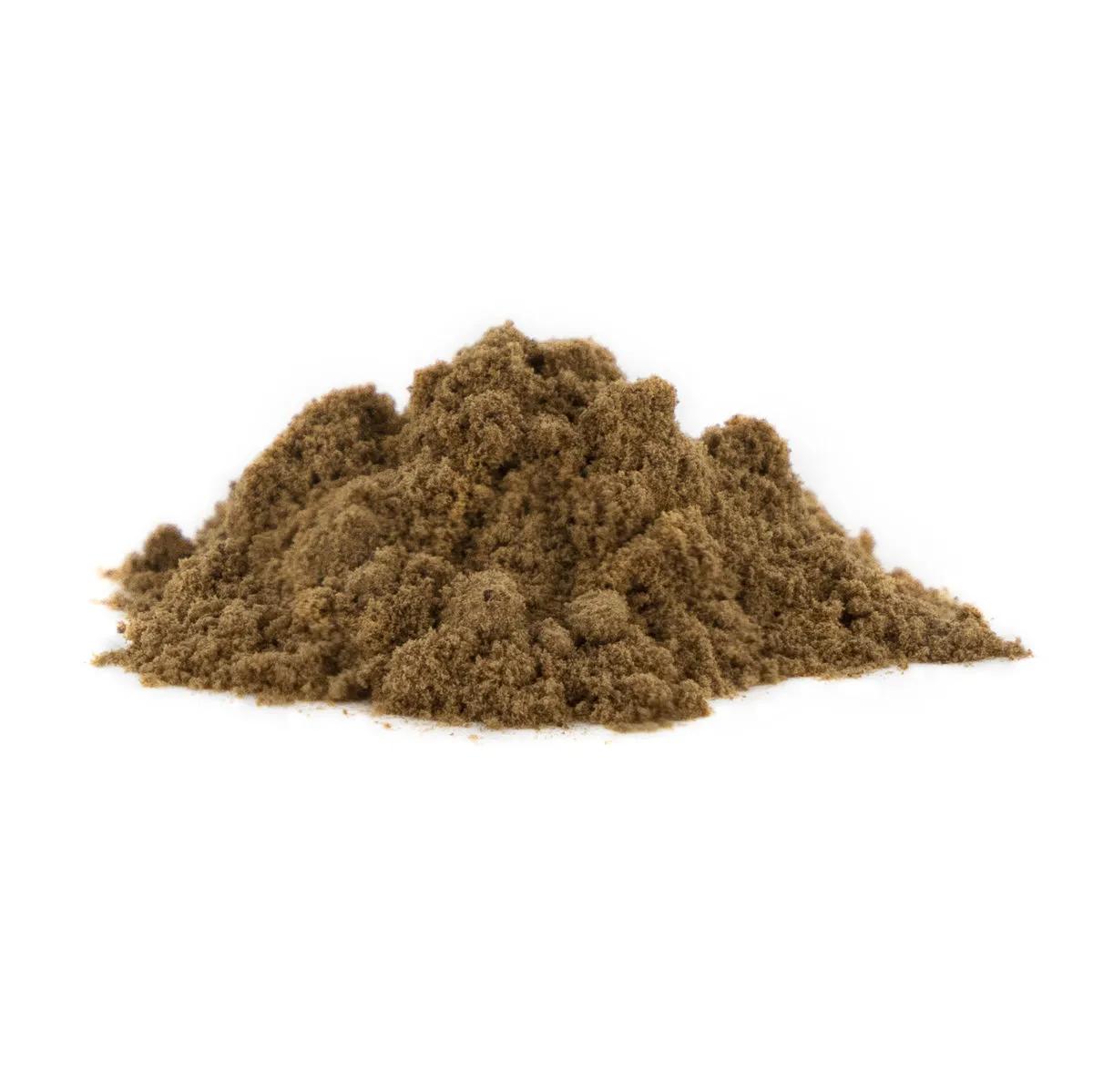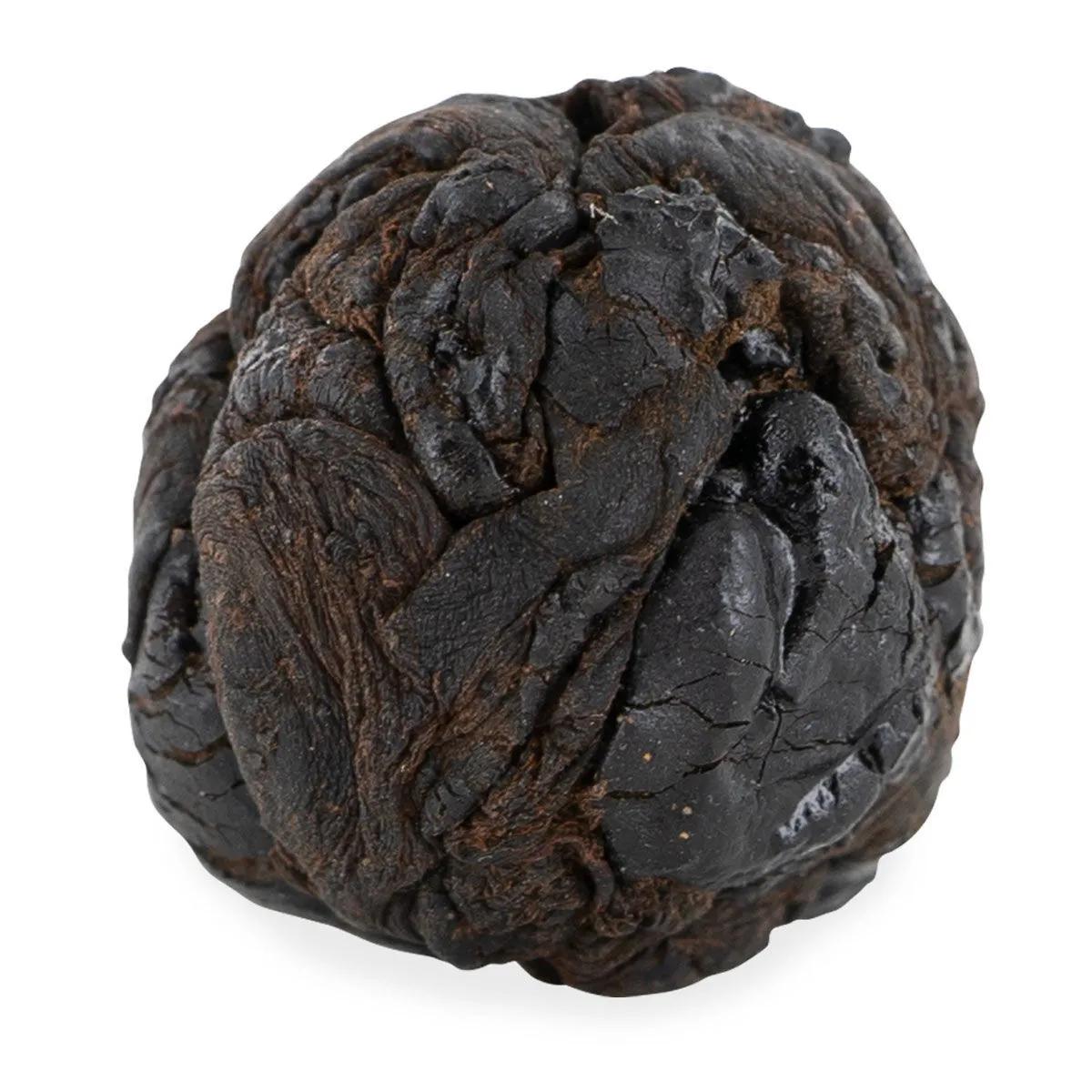
Thai kratom
by Indian Spirit
Kratom 10x Thai Resin is a concentrated botanical extract made from Mitragyna speciosa leaves, produced using only boiling water — no chemical solvents, no additives. The result is a soft, pliable resin that dissolves readily in hot water, delivering a 10x concentration of the alkaloids found in raw kratom leaf. Over 25 alkaloids have been isolated from kratom, with mitragynine — an indole alkaloid — being the most prominent. If you've been chewing through bags of loose-leaf powder and want something more compact, this is the format that makes sense.
Most kratom on the shelf comes as dried, crushed leaf or fine powder. This Thai resin takes a different route — the raw leaf material is boiled down and concentrated 10 times, then reduced into a soft, dark resin. The extraction uses nothing but water and heat, which keeps the full alkaloid profile intact without introducing chemical residues. You get more mitragynine per gram, which means you need far less material per serving compared to standard powder.
The texture is soft and slightly tacky — think of a dense, dark toffee. It breaks apart easily with your fingers or a knife, and dissolves when you drop a piece into boiling water. The taste? Bitter. Properly bitter. That's the alkaloids talking. Honey or sugar in your tea isn't optional here — it's survival. We've watched customers try to tough it out without sweetener and the face they pull tells the whole story.
One honest limitation: resin is harder to dose precisely than powder. You can't just scoop it onto a scale and get a perfectly consistent reading every time because the density varies slightly across the block. A digital scale accurate to 0.1g is worth having if you're working with concentrated extracts like this one.
Mitragyna speciosa belongs to the Rubiaceae family — the same botanical family as coffee, though the active compounds couldn't be more different. Where coffee gives you caffeine, kratom delivers mitragynine and over 25 other alkaloids that interact with opioid receptors in a varied, dose-dependent way.
According to a review in the Journal of Integrative Medicine, "evidence emerging from initial preclinical findings supports the anecdotal reports that kratom can be beneficial in treating pain and mental health conditions" (PMC, 2023). And according to research published in Pharmacotherapy, "mitragynine appears to block pain signalling through multiple mechanisms, suggesting a multimodal approach" (PMC, 2020). Throughout Southeast Asia, kratom has been used traditionally for centuries — the first documented reports of its use date back to 1836, with mitragynine first isolated in 1907.
The dose-dependent nature is the key thing to understand. At lower amounts, the alkaloid profile tends toward stimulation. At higher amounts, the effect shifts toward deep relaxation and sedation. This isn't unique to the resin format — it's how kratom works across all preparations. But because this is a 10x concentrate, the threshold between those two states is reached with much less material.
| Spec | Value |
|---|---|
| Product | Kratom 10x Thai Resin |
| Botanical Name | Mitragyna speciosa |
| Plant Family | Rubiaceae |
| Origin | Thailand |
| Concentration | 10x extract |
| Primary Alkaloid | Mitragynine (indole alkaloid) |
| Total Alkaloids Identified | 25+ |
| Extraction Method | Water-only (no chemical solvents) |
| Format | Soft resin |
| Suggested Serving | 0.5–1g dissolved in 150ml boiling water |
| SKU | SM0238 |
The traditional preparation method is tea, and honestly, it's still the best approach for resin. The hot water dissolves the extract and the onset is noticeably faster than capsules or toss-and-wash methods — typically within 5–10 minutes according to the product specifications.
A practical tip from behind the counter: don't use lukewarm water. The resin needs genuinely boiling water to dissolve properly. If you let your kettle cool for five minutes before pouring, you'll end up with a gritty, half-dissolved mess at the bottom of your mug. Rolling boil, straight in.
Kratom's dose-dependent profile is well-documented both in traditional use and in modern research. According to StatPearls (NCBI), kratom produces "physiological effects at low doses of 1–5g, with stimulant properties, while higher doses of 10g+ cause sedation" (NCBI Bookshelf). Because this is a 10x concentrate, those gram figures don't translate directly — 0.5g of resin represents roughly 5g of raw leaf material in terms of alkaloid content.
At the lower end of the serving range (around 0.5g resin), users traditionally report a stimulating, alert feeling. At the higher end (approaching 1g), the character shifts toward relaxation and, at sufficient amounts, deep and prolonged sleep. This biphasic pattern is one of the more interesting aspects of kratom pharmacology — it's not simply "more equals stronger of the same thing."
Kratom interacts with liver enzymes — specifically CYP2D6, CYP2C9, and CYP3A. According to research published in PMC, "methanolic extracts prepared from well-characterised kratom products were shown to inhibit CYP2D6 (~90% at 20 μg/ml) and CYP3A (~50% at 20 μg/ml)" (PMC, 2022). This means kratom can affect how your body processes other substances that go through the same pathways. If you're taking any medication metabolised by CYP2D6 or CYP3A — and that's a long list — speak to a pharmacist before combining.
According to a systematic review in Frontiers in Pharmacology, "cardiovascular, gastrointestinal, neurological, and psychiatric effects associated with kratom use were especially notable" (PMC, 2022). Common side effects reported in the literature include nausea, dizziness, and constipation. The Mayo Clinic notes that kratom should be avoided during pregnancy due to the risk of neonatal abstinence syndrome (Mayo Clinic, 2024).
Our honest take: start at the low end. With a 10x concentrate, the margin between a stimulating cup and an unexpectedly heavy session is narrower than with raw leaf. Weigh your resin, don't eyeball it. And don't redose within the first hour — give it time to come on fully before deciding you want more.
Pair this resin with a precision digital scale — accurate to 0.1g — to dial in your serving size consistently. If you're new to kratom or want to compare formats, our standard Kratom Thai Powder gives you the same Thai Mitragyna speciosa in a less concentrated form that's easier to dose in smaller increments.
We get asked this at least once a day. Powder is versatile, easy to weigh, and you can mix it into almost anything. Resin is compact, faster to prepare as tea, and you need a fraction of the volume for the same alkaloid content. If you're travelling, or if you simply can't stomach another 5g of bitter green powder stirred into orange juice, resin is the better format.
The trade-off is precision. Powder on a scale gives you repeatable doses down to 0.1g with ease. Resin is sticky, dense, and not perfectly uniform — cutting exactly 0.7g off a block takes a bit more patience. For people who've already found their preferred serving size with powder and want a more concentrated, travel-friendly option, the 10x Thai Resin is the logical next step. For absolute beginners who've never tried kratom at all, we'd actually suggest starting with standard powder first to find your baseline, then moving to resin once you know where you sit on the dose curve.
| Feature | Kratom 10x Thai Resin | Standard Kratom Thai Powder |
|---|---|---|
| Concentration | 10x extract | 1x (raw leaf) |
| Serving Size | 0.5–1g | 2–5g typical |
| Preparation | Dissolve in boiling water | Tea, toss-and-wash, capsules |
| Portability | Compact, small amounts needed | Bulkier, larger servings |
| Dosing Precision | Moderate (sticky texture) | High (easy to weigh) |
| Extraction | Water-only, no chemicals | None (dried and ground) |
| Bitterness | Intense (concentrated) | Strong but diluted by volume |
The "10x" refers to the concentration ratio: approximately 10 grams of raw Thai kratom leaf were reduced to produce 1 gram of resin. So 0.5g of resin contains roughly the alkaloid content of 5g of dried leaf. It's more concentrated, but "10 times stronger" oversimplifies it — the extraction process may not capture every alkaloid equally.
Keep it in a cool, dry place away from direct sunlight. An airtight container or resealable bag works well. The resin can soften in warm conditions, which doesn't affect potency but makes it messier to handle. If it gets too soft, pop it in the fridge for 20 minutes before cutting.
You can, but most people find the bitterness overwhelming without hot water and sweetener to dilute it. Dissolving it in tea also allows for faster absorption. If you do eat it directly, expect a slower onset — closer to 20–30 minutes rather than the 5–10 minutes typical of tea preparation.
Yes. Research shows kratom inhibits CYP2D6 by approximately 90% and CYP3A by around 50% at tested concentrations. Many common medications are metabolised through these pathways. If you take prescription medication, consult a pharmacist before using kratom in any form.
Mitragynine is the primary active alkaloid in kratom, classified as an indole alkaloid. It's responsible for most of the dose-dependent effects — stimulating at lower amounts, sedating at higher amounts. Over 25 alkaloids have been identified in Mitragyna speciosa, but mitragynine is present in the highest concentration.
Tinctures use alcohol or other solvents for extraction. Capsules typically contain ground powder. This resin uses only boiling water — no chemicals — and delivers a 10x concentration in a compact, dissolvable form. It sits between raw powder and highly processed extracts in terms of both potency and purity of method.
Botanically, yes. Mitragyna speciosa and Coffea (coffee) both belong to the Rubiaceae family. But that's where the similarity ends — the active compounds are completely different. Coffee gives you caffeine; kratom gives you mitragynine and 25+ other alkaloids with a distinct pharmacological profile.
Last updated: April 2026
Medical disclaimer. This content is for informational purposes only and does not constitute medical advice. Consult a qualified healthcare provider before use of any substance.