Herbshop
by Holy Flavour
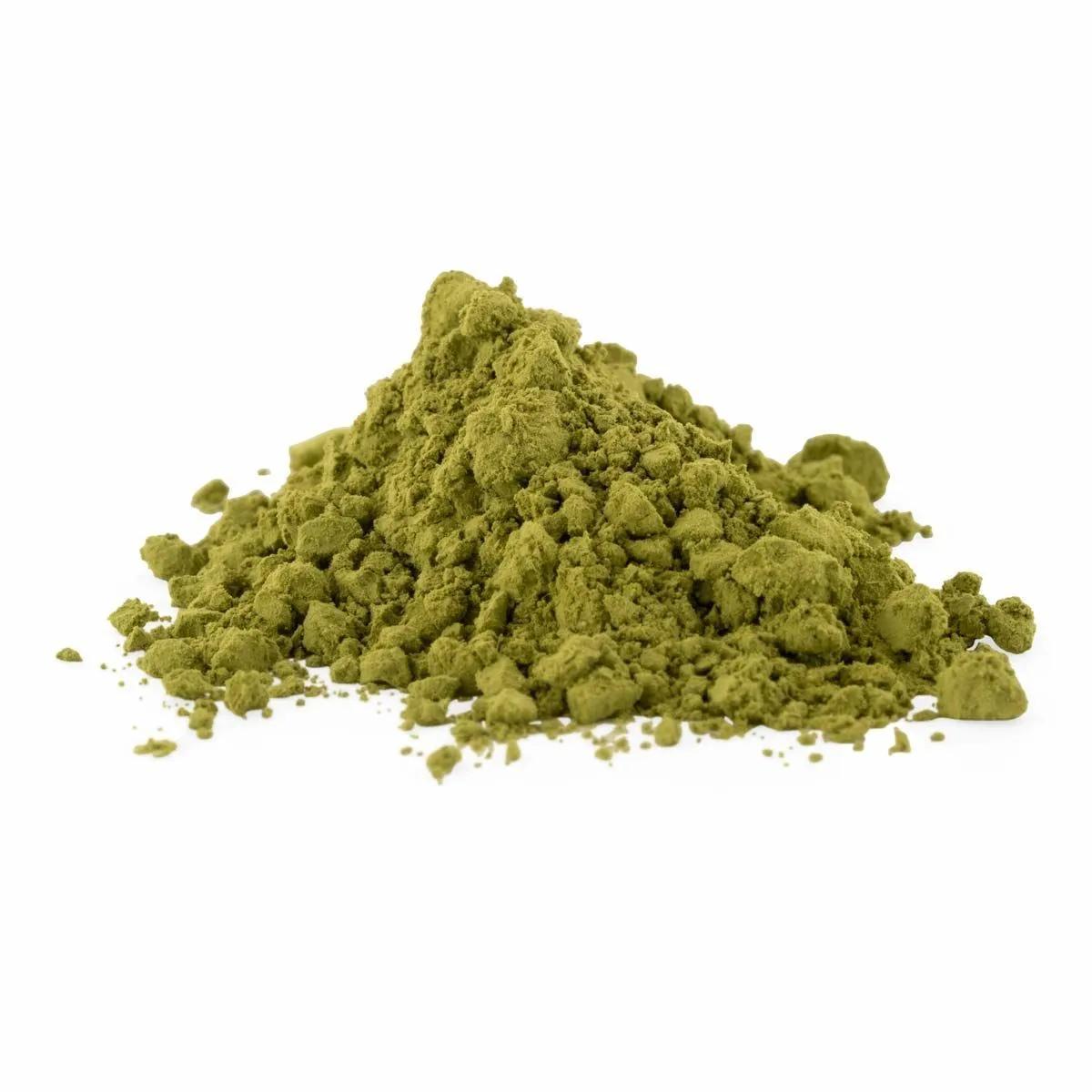
Organic matcha powder is a finely ground green tea (Camellia sinensis) that delivers the full spectrum of the leaf's nutrients in every cup — not just what steeps out. Made from shade-grown leaves that are de-stemmed, de-veined, and stone-ground, this 100% organic matcha gives you a clean, sustained lift without the jittery crash of coffee. If you've been meaning to swap your morning espresso for something that actually works with your body rather than against it, this is where you start.
| Specification | Detail |
|---|---|
| Ingredients | 100% organic matcha powder (Camellia sinensis) |
| Form | Fine powder |
| SKU | HE0069 |
| Certification | Organic |
| Shelf Life (Unopened) | 12 months from purchase |
| Shelf Life (Opened) | Best within 21 days |
| Storage | Airtight container, cool and dry place |
| Origin Plant | Camellia sinensis (shade-grown) |
| Shade Period | 3-4 weeks before harvest |
A proper bowl of matcha calls for a bamboo whisk (chasen) and a fine-mesh sieve — without them, you'll end up with clumps floating on top instead of that smooth, frothy finish. Pair this powder with a matcha whisk set for the full traditional preparation.
With standard green tea, you steep the leaves, then throw them away — along with most of the good stuff still locked inside. With matcha, you're consuming the entire leaf in powdered form. According to research published in the journal Molecules, powdered tea shows significantly higher antioxidant potential compared to leaf tea (Fujioka et al., as cited in Kochman et al., 2020, PMC7231151). That's not marketing fluff — it's chemistry. You're drinking the whole plant.
The shade-growing process is what really sets matcha apart from any other green tea on the shelf. Covering the plants for 3 to 4 weeks before harvest forces them to overproduce chlorophyll (hence that vivid green colour) and ramp up production of L-theanine, the amino acid responsible for that calm-but-alert feeling. The result is a tea that contains both caffeine and theanine in meaningful amounts — a combination that, according to a critical review in Current Research in Food Science, may support both alertness and relaxation simultaneously (Kochman et al., 2020, PMC9792400).
We've been stocking matcha at Azarius since long before it became a latte trend in every third coffee shop. The honest limitation? Once you open the bag, you've got about 21 days before the flavour and colour start to fade. Matcha oxidises fast. If you're a once-a-week drinker, portion it out into smaller airtight containers straight away. The powder should smell fresh and grassy, almost sweet — if it smells like hay or looks yellowish-brown, it's past its best.
Matcha has attracted serious scientific attention in recent years, and the findings are worth knowing about — properly cited, not exaggerated.
According to a 2024 study on cognitive function published in PMC, matcha green tea consumption was associated with improvements in attention, reaction time, and memory in participants compared to a placebo group (PMC11364242). A separate randomised, double-blinded study found that the matcha green tea group showed significant changes (p<0.05) in the number of unique bacterial genera, suggesting a potential effect on gut microbiome diversity (PMC10017316). And according to Healthline's review of clinical evidence, participants consuming matcha showed improvements in attention, reaction time, and memory compared to placebo (Healthline, 2024).
The antioxidant profile is where matcha really stacks up the numbers. Matcha contains catechins — a class of polyphenols — with EGCG (epigallocatechin gallate) being the most studied. According to the critical review in Current Research in Food Science, matcha tea has various health benefits including antioxidant, anti-inflammatory, and cardioprotective properties as observed in research models (PMC9792400). The concentrated powder form means you're getting substantially more of these compounds per gram than you would from a brewed cup of loose-leaf green tea.
There's a right way and a lazy way. The lazy way gives you lumpy, bitter water. Here's the right way — it takes about 90 seconds once you've done it twice.
The number one question we get about matcha in the shop: "Is it just green tea?" Technically yes, botanically yes — but practically, no. It's like asking if espresso is just coffee. The concentration changes everything. You're consuming roughly 10 times the nutritional content of a standard cup of steeped green tea because you're ingesting the whole leaf rather than an infusion.
The number two question: "Will it keep me awake?" Matcha contains caffeine — roughly 30-50mg per gram of powder, depending on the grade and growing conditions. That puts a standard 2g serving at around 60-100mg of caffeine, comparable to a cup of coffee. The difference is that matcha also contains L-theanine, which according to research may modulate the stimulant effect of caffeine, potentially reducing jitteriness while maintaining alertness (Kochman et al., 2020, PMC9792400). In practice, most of our customers describe it as "smooth energy" compared to coffee's spike-and-crash pattern.
One thing we'd flag: if you're sensitive to caffeine or taking medications that interact with stimulants, blood thinners, or supplements that affect liver metabolism, check with your GP first. Green tea catechins have been noted in health literature to potentially interact with certain medications, including blood thinners and some blood pressure drugs. That's not a reason to avoid matcha — it's a reason to be informed.
| Factor | Matcha (2g serving) | Filter Coffee (250ml) |
|---|---|---|
| Caffeine | Approx. 60-100mg | Approx. 80-120mg |
| L-Theanine | Present (shade-growing increases levels) | Not present |
| Antioxidants (EGCG) | High concentration (whole leaf consumed) | Contains chlorogenic acid instead |
| Energy Profile | Gradual onset, sustained release | Fast onset, sharper decline |
| Preparation Time | 90 seconds with proper tools | 3-5 minutes (filter/press) |
| Taste | Vegetal, umami, slightly bitter | Roasted, acidic, bitter |
| Staining | Less than coffee | Significant tooth staining |
| Calories | Approximately 3 kcal per gram | Approximately 2 kcal per cup (black) |
We'd pick matcha over coffee for afternoon focus sessions — the theanine-caffeine combination tends to sustain concentration without the 3pm wall. For a raw morning jolt, coffee still wins on speed and simplicity. Both have their place. The best swap for most people is replacing the second or third coffee of the day with matcha, not necessarily the first.
Matcha is more perishable than most people expect. Unopened, this organic matcha powder keeps for 12 months from purchase. Once you break the seal, you've got roughly 21 days before oxidation starts degrading both flavour and nutritional content. The colour fades from vivid green to dull olive, the taste turns flat and astringent, and the antioxidant levels drop.
Store it in an airtight container — ideally opaque — in a cool, dry place away from direct sunlight. Some people refrigerate opened matcha, which can work, but only if the container is truly airtight. Condensation inside the container is worse than room temperature storage. If you're buying matcha to use occasionally rather than daily, consider portioning it into smaller sealed containers on the day you open it.
Most sources reference 1 to 2 servings daily, which works out to roughly 2 to 4 grams of matcha powder. That's enough to benefit from the caffeine and theanine content without overdoing it. Going beyond 8 grams daily has been associated with side effects including headaches, stomach upset, and trouble sleeping.
On an empty stomach, matcha can cause nausea or heartburn in some people — the tannins and caffeine are the usual culprits. Having a small snack beforehand typically sorts this out. If you're prone to acid reflux, start with a lower amount (1g) and see how your body responds.
Gram for gram, yes — because you consume the whole leaf rather than an infusion. According to research cited in Molecules (PMC7231151), powdered tea shows higher antioxidant potential than leaf tea. You're getting a more concentrated dose of catechins, theanine, and caffeine in every serving.
Three common causes: water too hot (stay below 80°C), powder not sifted before whisking, or matcha that's been open too long. Fresh, properly prepared matcha should taste smooth and vegetal with a natural sweetness — not harsh or astringent. Always sift, never use boiling water.
Absolutely. Matcha works in both sweet and savoury dishes — smoothies, cakes, energy balls, salad dressings, even pasta. Heat does reduce some of the more delicate compounds, so for maximum nutritional benefit, cold or warm preparations are better than high-heat baking.
A standard 2g matcha serving contains roughly 60-100mg of caffeine, which is comparable to a cup of filter coffee (80-120mg). The key difference is that matcha also contains L-theanine, which research suggests may smooth out the stimulant effect for a more sustained energy curve.
Check the colour and smell. Fresh matcha is bright, vivid green and smells grassy-sweet. If it's turned yellowish-brown or olive-coloured and smells like dried hay, it's oxidised. It won't make you ill, but the taste and nutritional profile will be significantly diminished. Use it within 21 days of opening.
Last updated: April 2026
Medical disclaimer. This content is for informational purposes only and does not constitute medical advice. Consult a qualified healthcare provider before use of any substance.