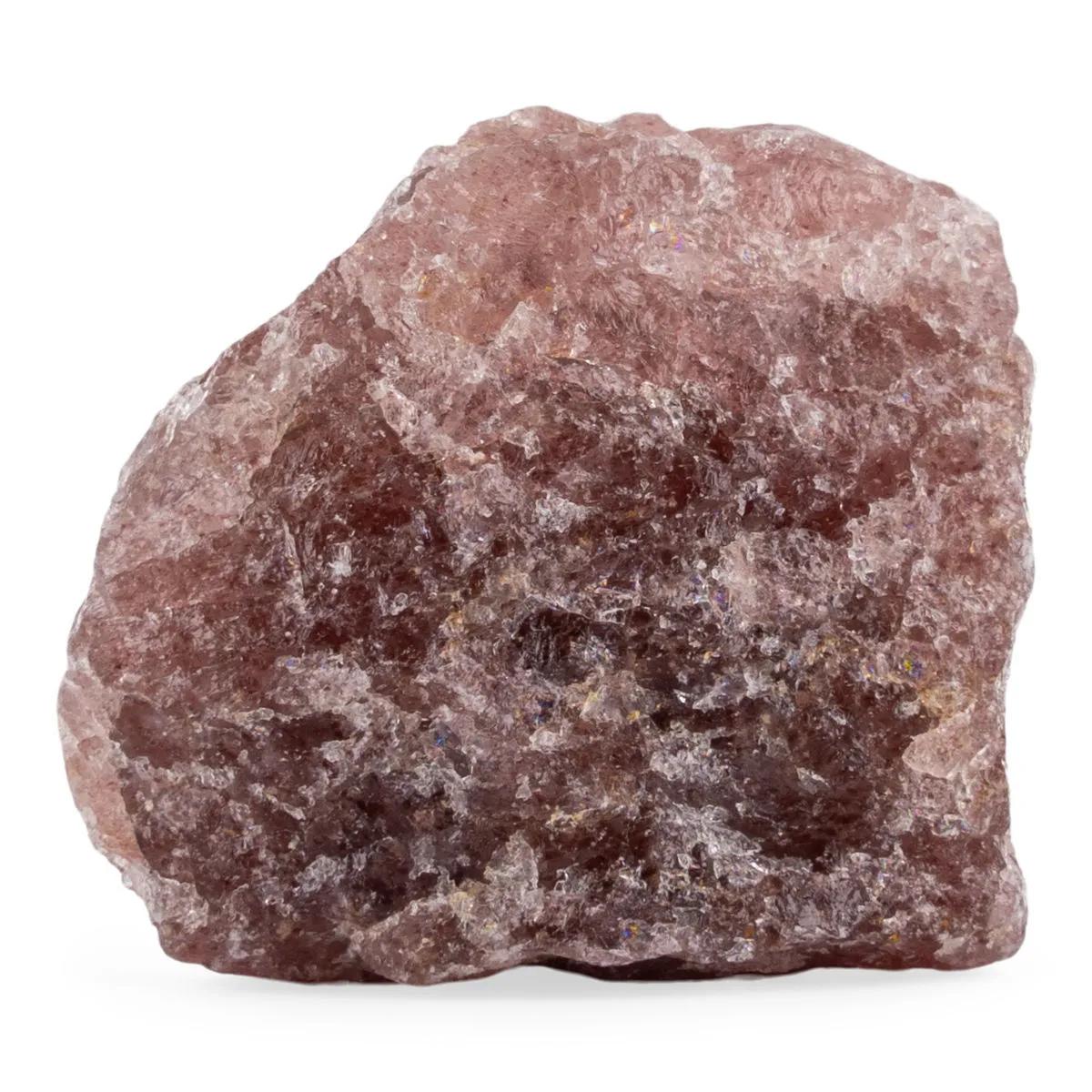
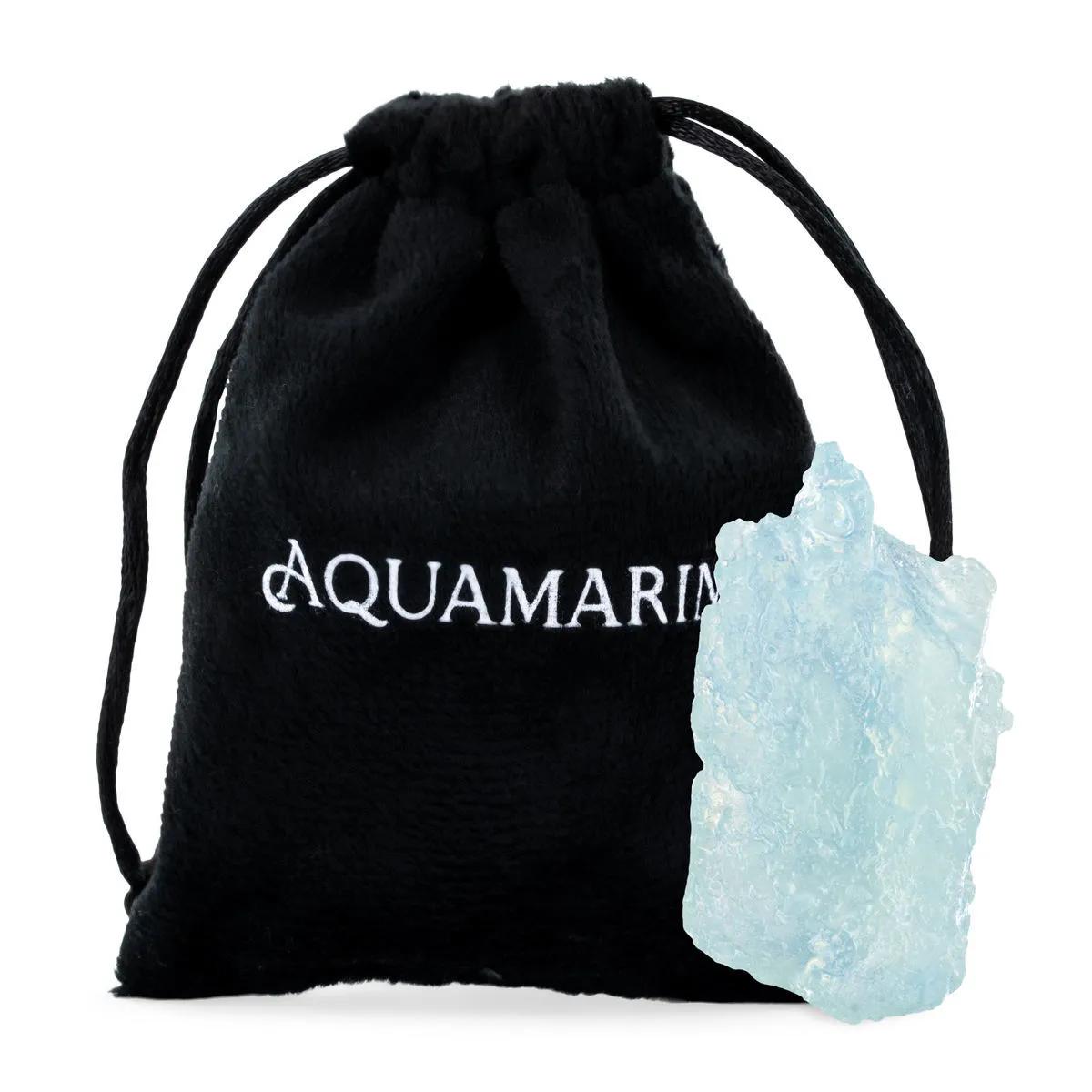
Aquamarine crystal is a pale blue beryl stone that brings calm, oceanic energy to meditation, altar work, and everyday pocket-carrying. It's been carried by sailors, dropped into wedding bouquets, and tucked into meditation cushions for centuries. The colour sits somewhere between sea-glass and a clear sky — a soft, watery blue that genuinely earns the "mermaid's treasure" reputation it's had since antiquity. Each Aquamarine crystal we ship measures between 3 and 5 cm, hand-picked from natural rough, and you can order a single stone per purchase.
Why this Aquamarine crystal belongs on your shelf
Aquamarine crystal is the blue stone we'd recommend first to anyone building a starter collection. It has a quiet, oceanic quality that fits almost any space — a windowsill, an altar, a desk next to your monitor. The pale blue isn't flashy like sodalite or lapis; it's the colour of shallow water on a clear day. Roughly 7 out of 10 customers who buy one come back for a second within 6 months.
Spiritually, Aquamarine is associated with the throat chakra (Vishuddha) — the energy centre tied to communication, honesty, and speaking your truth. Crystal practitioners use it during meditation to help loosen up stuck expression, calm fiery tempers, and create space for difficult conversations. We've had customers buy one specifically before a job interview, a family conversation, or a creative deadline. Whether that's the stone or the intention is up to you — but the ritual itself has value.
From our counter: out of the 12 blue stones we stock, Aquamarine crystal is the one we'd hand to someone who isn't sure where to start. It's not as intense as labradorite, not as bold as lapis lazuli. It's a gentle entry point, and about 60% of first-time crystal buyers in our shop walk out with one.
Aquamarine properties at a glance
Aquamarine is a variety of beryl (the same mineral family as emerald and morganite), coloured by trace iron. It rates 7.5–8 on the Mohs hardness scale, which means it's durable enough to handle daily carrying without scratching easily. Major sources include Brazil (producing roughly 70% of the world's supply), Pakistan, Madagascar, and Nigeria.
| Property | Detail |
|---|---|
| Mineral family | Beryl (Be₃Al₂Si₆O₁₈) |
| Colour | Pale blue to blue-green |
| Hardness (Mohs) | 7.5–8 |
| Specific gravity | 2.68–2.74 |
| Refractive index | 1.567–1.590 |
| Chakra association | Throat (Vishuddha) |
| Element | Water |
| Zodiac association | Pisces, Aries, Gemini |
| Traditional symbolism | Sailors' protection, courage, clear communication |
| Size per stone | 3–5 cm |
| Variant | Natural (SKU: SM0768) |
Where Aquamarine comes from
Most Aquamarine crystal on the market today is mined in Brazil, with Minas Gerais state producing the bulk of high-quality material since the early 1900s. The Maps mineralogical records and global gemstone trade reports estimate Brazilian Aquamarine accounts for around 70% of annual supply, with Pakistan's Shigar Valley and Madagascar making up most of the remainder.
| Country | Approximate share of supply |
|---|---|
| Brazil | ~70% |
| Pakistan | ~12% |
| Madagascar | ~8% |
| Nigeria & others | ~10% |
Size guide — what 3 to 5 cm actually means
Each Aquamarine crystal you receive is a natural piece between 3 cm and 5 cm at its longest dimension — roughly the size of a large grape to a small plum. Because these are natural stones, expect varied shapes, slight inclusions, and colour shifts from piece to piece. No two are identical.
- 3 cm pieces — pocket-sized, good for carrying, palm meditation, or tucking into a pouch
- 4 cm pieces — the sweet spot for altar work or holding during longer sits
- 5 cm pieces — substantial enough to be a display stone on a shelf or windowsill
We pick by hand. If you've got a preference, leave a note at checkout and we'll do our best — but we can't guarantee a specific size within the range.
How to use your Aquamarine crystal
To get the most out of your Aquamarine crystal, follow a simple 5-step ritual that takes about 10 minutes total.
- Cleanse it first. Rinse briefly under cool running water for 30 seconds (Aquamarine handles water well — beryl is stable), then leave it on a windowsill for a few hours of indirect light. Avoid harsh direct sunlight for extended periods — prolonged UV can fade the blue.
- Set an intention. Hold the stone, take 3 to 5 slow breaths, and name what you want to work on — clearer communication, calmer responses, the courage to say what needs saying.
- Carry or place it. Pocket it for the day, keep it on your desk during writing or calls, or place it on your throat during a lying-down meditation.
- Pair it with breath work. Aquamarine is a water-element stone — slow nasal breathing pairs naturally with it. 5 minutes is enough.
- Recharge monthly. A night under moonlight (especially a full moon) is the traditional reset. Or rest it on a bed of selenite for 8 to 12 hours.
Honest limitations — what Aquamarine isn't
Aquamarine crystal is a beautiful natural stone with a long folk tradition behind it, but it is not a medical device, a therapy substitute, or a guaranteed mood fix. The "throat chakra activation" and emotional balance properties come from crystal healing tradition, not clinical research — we're selling you the stone and the ritual, not a treatment. According to crystal healing tradition documented by practitioners, it may accompany a calming ritual; according to mainstream science, the effect comes from intention and routine, not the mineral itself. If you're struggling with communication anxiety, ongoing emotional regulation issues, or anything similar, a crystal is a nice companion to therapy, not a replacement for it.
Also worth knowing: natural Aquamarine often has internal inclusions, tiny fractures, or colour zoning. These are not defects — they're proof the stone is natural rather than synthetic glass. If you want a flawless, perfectly clear blue, you're looking for cut and polished gem-grade jewellery stones, which is a different product.
Aquamarine crystal pairs well with a selenite charging plate for keeping your stone cleansed between uses, or with a rose quartz tumble if you're building a heart-and-throat chakra set. For meditation work, our palo santo sticks make a nice cleansing ritual before you sit. Get all three together for a complete starter kit.
Frequently Asked Questions
Why wear or carry Aquamarine?
Aquamarine is traditionally associated with the throat chakra, calm communication, and emotional clarity. Sailors carried it for protection at sea; today, people carry it for difficult conversations, public speaking, or simply as a calming pocket stone.
Is Aquamarine safe to clean with water?
Yes. Aquamarine is a beryl with a Mohs hardness of 7.5–8 and handles brief rinsing under cool water without issue. Avoid hot water, ultrasonic cleaners, and harsh chemicals — and don't leave it in prolonged direct sunlight, which can fade the blue colour over time.
What chakra does Aquamarine work with?
Aquamarine is associated with the throat chakra (Vishuddha), the energy centre linked to honest expression, communication, and speaking your truth. Crystal practitioners place it at the throat during meditation or carry it during situations that require clear speech.
Are there any risks to using crystals?
Crystals are a complementary practice, not a medical treatment. There's no physical risk to handling Aquamarine, but it shouldn't replace professional support for mental health, communication difficulties, or emotional regulation issues. Treat it as a meaningful object that accompanies a ritual, not a cure.
Will my Aquamarine look exactly like the photo?
No — each piece is a natural stone between 3 and 5 cm, hand-picked from rough material. Expect variation in shape, colour intensity, and inclusions. The photo shows a representative example, not the exact piece you'll receive.
Can I combine Aquamarine with other crystals?
Yes. Aquamarine pairs naturally with selenite for cleansing, rose quartz for heart-throat work, and clear quartz to amplify intention-setting. There are no traditional clashes — work with what feels right to you.
Where is most Aquamarine mined?
Around 70% of the world's Aquamarine comes from Brazil, particularly Minas Gerais. Pakistan, Madagascar, and Nigeria supply most of the remaining 30%. Each region produces slightly different colour ranges and clarity grades.
Last updated: April 2026