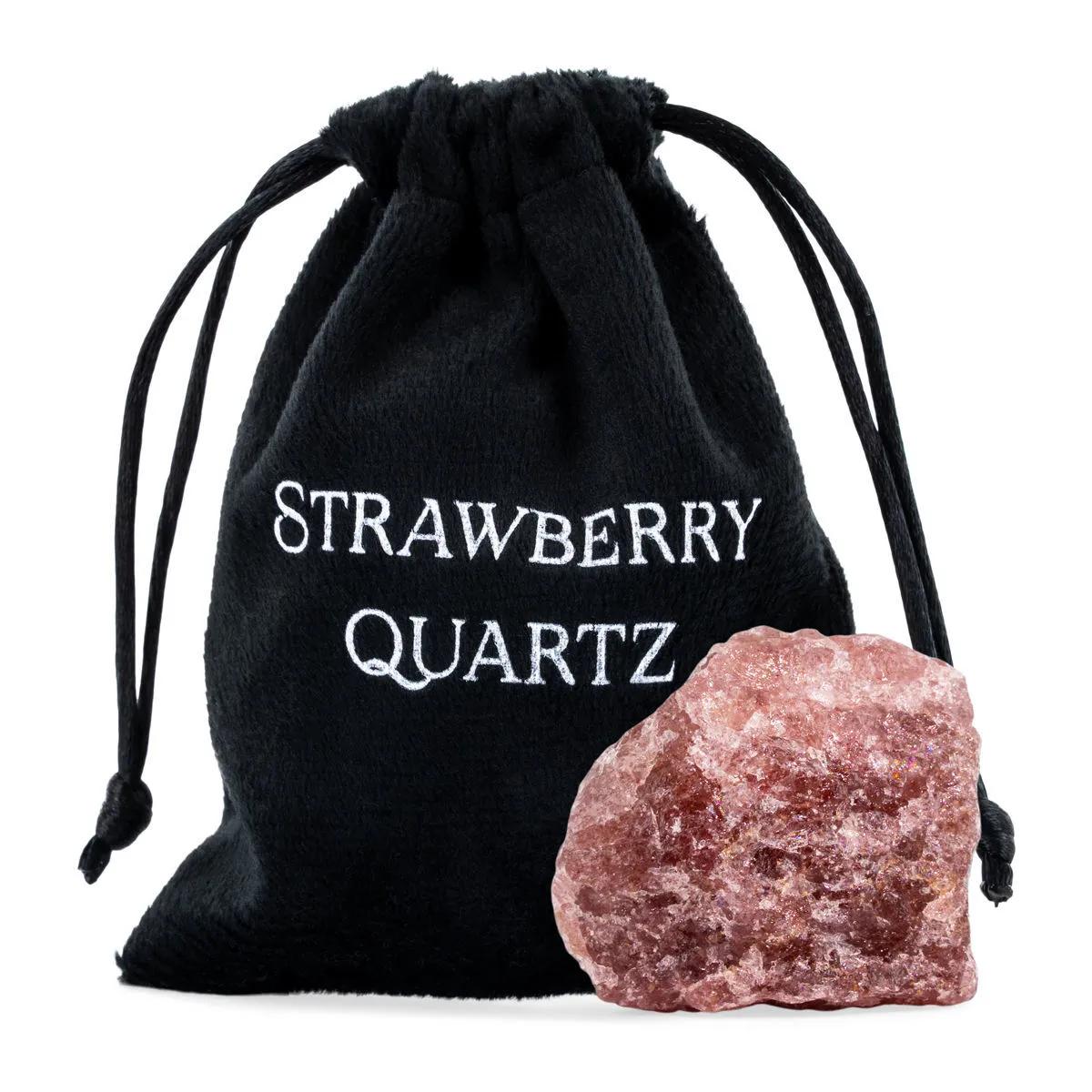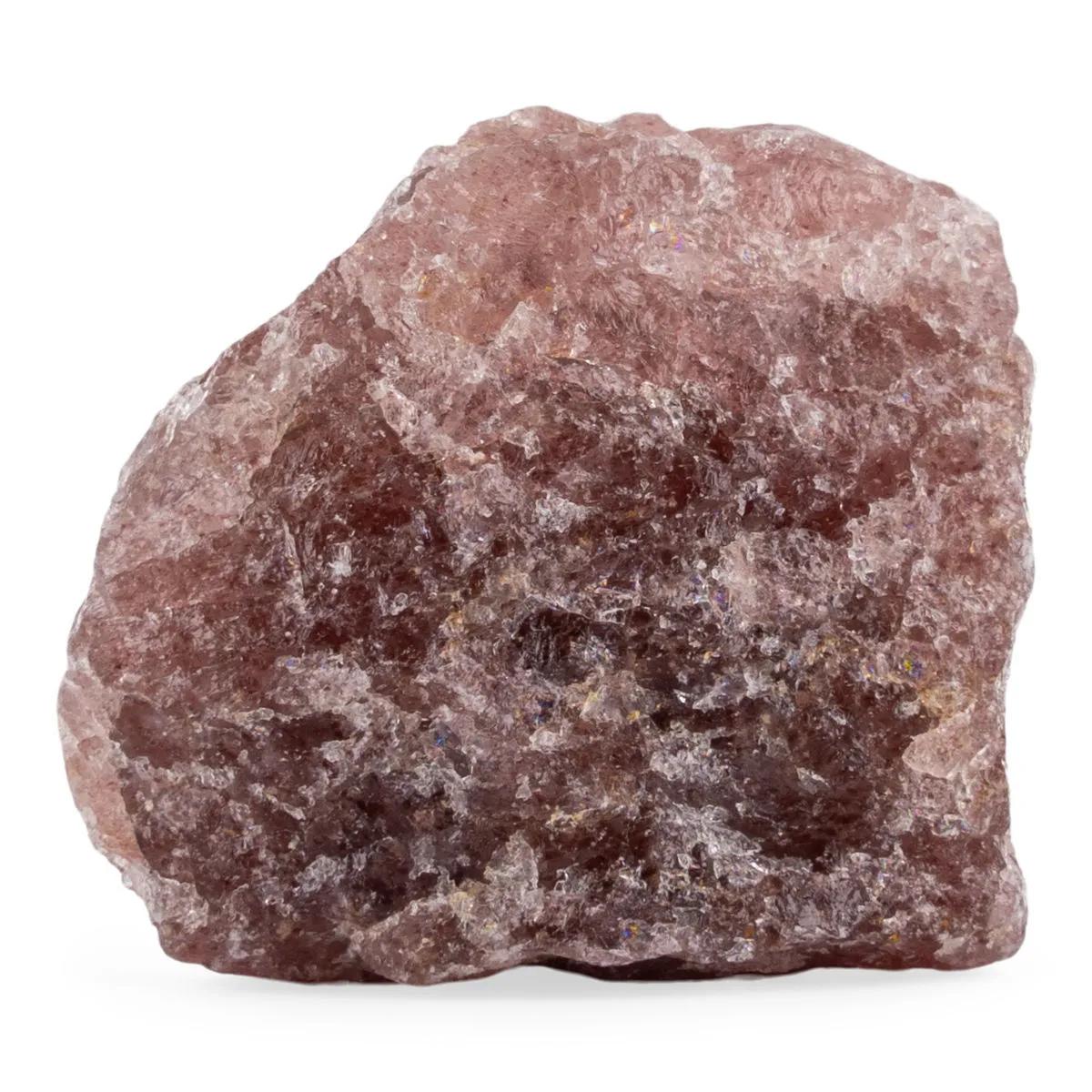
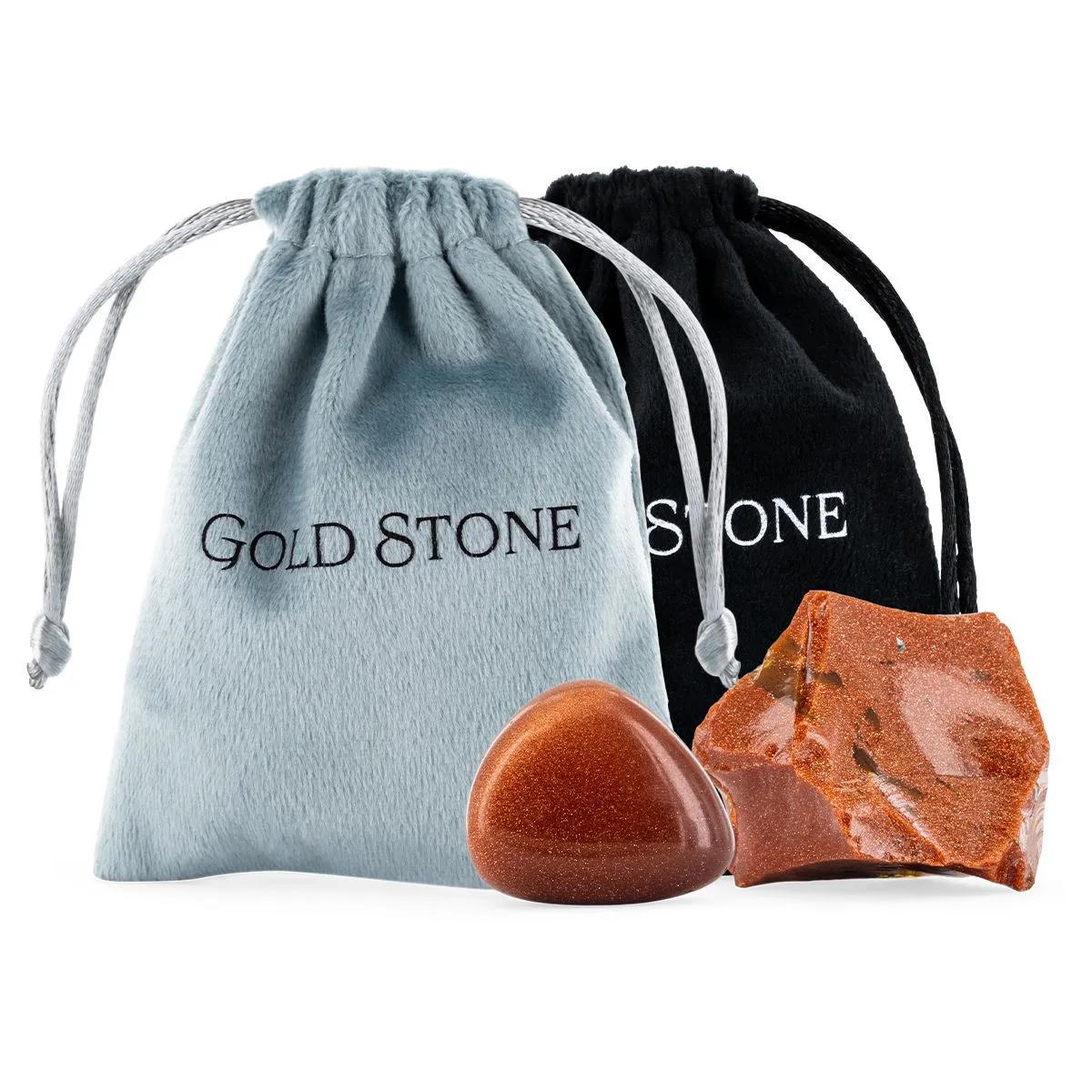
Red Goldstone is a man-made sparkle stone created by melting glass with copper particles, producing a deep reddish-brown crystal flecked with thousands of tiny metallic glints. Each piece measures 3–5 cm and fits in your pocket, on your desk, or in a crystal grid without taking over the room. Pick from a raw natural finish or a polished version that catches the light like a galaxy in your palm.
Why Red Goldstone earns a spot in your collection
Red Goldstone is one of those rare "crystals" that's honest about being human-made — and it's all the more interesting for it. The story goes that 17th-century Italian monks accidentally invented it while trying to turn copper into gold. They didn't crack alchemy, but they did crack one of the most visually striking man-made stones ever produced. The copper flecks suspended inside the glass catch light at every angle, and the deeper red base colour gives it a warmth you don't get from clear quartz or hematite.
It sits nicely alongside grounding stones like red jasper or carnelian if you're building a confidence-themed set, and the copper content makes it a natural pairing with citrine for desks and workspaces. Some people in the shop pick it up purely because it looks like a tiny piece of the night sky condensed into a pebble — no metaphysical justification required.
Natural vs Polished — which to pick
| Finish | Looks like | Best for |
|---|---|---|
| Natural | Raw, slightly rougher surface with visible facets and a matte-to-semi-gloss shine | Crystal grids, altar work, anyone who prefers a less "manufactured" look |
| Polished | Smooth, mirror-finish with the full glittery copper effect on display | Pocket carrying, worry-stone use, gift-giving, jewellery prep |
Honest tip from the counter: the polished version shows off the copper sparkle far more dramatically under direct light. If you've never seen Goldstone in person, start with polished — it's the more "wow" first impression.
What Red Goldstone is traditionally associated with
Research suggests crystal use generally falls into the placebo and ritual-anchor category rather than measurable physiological effect — that's the honest scientific position, and we're not going to pretend otherwise. That said, Red Goldstone has a long tradition in crystal practice of being linked to confidence, ambition, and a steady, motivated mindset. People carry it before job interviews, presentations, or any moment where they want a small physical reminder of "you've got this" in their pocket.
The copper element is part of why it's tied to vitality — copper itself has been used in jewellery and folk practice for centuries for that same reason. Whether you take the metaphysical side seriously or you just like having a sparkly red pebble that catches light, both reasons hold up.
Specifications
| Material | Glass infused with copper particles |
| Size | 3–5 cm |
| Colour | Deep reddish-brown with metallic sparkle |
| Finishes available | Natural, Polished |
| Origin | Man-made (manufactured crystal) |
| Traditional associations | Confidence, ambition, motivation |
| Care | Wipe with a damp cloth |
| SKU (Natural) | SM0774 |
| SKU (Polished) | SM0775 |
Pairs well with our other tumbled stones if you're building a collection — carnelian and red jasper sit naturally next to Red Goldstone for a warm, grounding set, and a small velvet pouch keeps the polished finish scratch-free in your pocket.
How to use and care for your Red Goldstone
- Unpack and inspect — each stone is unique, so the exact pattern of copper flecks varies piece to piece.
- Decide where it lives. Pocket, desk, windowsill, altar, crystal grid — all fine.
- If you're using it as a worry stone, pick the polished variant and keep it somewhere you'll actually reach for it.
- Clean it occasionally with a soft damp cloth. No salt water, no harsh chemicals — it's glass with copper, and aggressive cleaning can dull the surface.
- Store away from direct sunlight for long periods if you want to keep the colour saturation at its richest.
The honest limitations
Two things worth flagging. First — Goldstone is not a "natural" crystal in the geological sense. It's manufactured, and we're upfront about that because some collectors specifically want earth-formed minerals. If that's you, this isn't the stone for you, and that's totally fair. Second — because it's glass-based, it can chip if you drop it on a hard floor. Treat it like the small piece of crafted glass it is, and it'll last decades.
Frequently Asked Questions
Is Red Goldstone a real crystal?
No, not in the geological sense — it's a man-made stone created by melting glass with copper particles. It's still widely sold and used in crystal practice, but if you specifically want naturally formed minerals, Goldstone won't fit that criterion.
What is Red Goldstone made from?
Glass and copper. The copper particles are suspended in the molten glass during manufacturing, which gives the stone its characteristic reddish-brown colour and metallic sparkle. The technique is thought to have originated with 17th-century Italian glassmakers.
What's the difference between natural and polished Red Goldstone?
The natural finish is slightly rougher with a matte-to-semi-gloss surface, while the polished version is smooth with a high shine that maximises the copper sparkle. Both are the same material — just finished differently. Polished is the more visually striking of the two.
How do I clean Red Goldstone?
Wipe with a soft damp cloth. Avoid salt water, ultrasonic cleaners, and harsh chemicals — these can damage the glass or dull the copper flecks. A quick wipe every few weeks is all it needs to keep its shine.
What is Red Goldstone traditionally used for?
In crystal practice it's traditionally associated with confidence, ambition, and motivation. People carry it as a pocket stone before situations where they want to feel grounded and driven. There's no scientific evidence for physiological effects — the value sits in the ritual and the visual appeal.
Can I wear Red Goldstone as jewellery?
Yes — it's commonly used in pendants, bracelets, and rings because it polishes beautifully and the copper flecks catch light well. Our 3–5 cm tumbles aren't pre-drilled, so they're better suited for pocket-carry or display rather than direct wear without wire-wrapping.
Last updated: April 2026