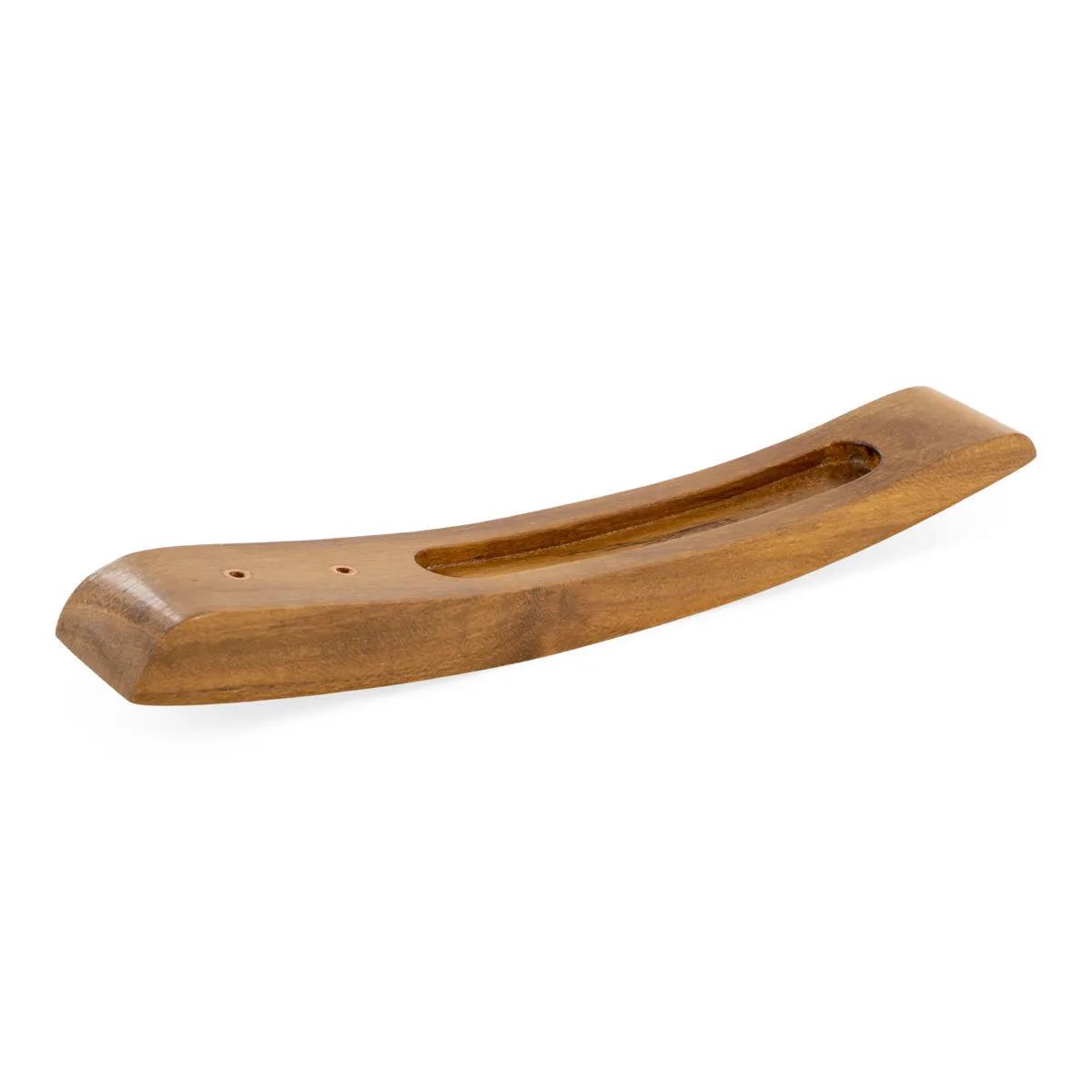
The Teak Wood Incense Holder is a traditional wooden incense burner that holds one stick while catching ash cleanly — no gimmicks, no plastic, just a solid piece of teak that looks at home on any shelf. We've sold a fair few incense accessories over the years, and the simple teak boats remain the ones that just work. Light, elegant, and forgiving of the odd bit of spilt ash. If you want to buy a teak wood incense holder that actually lasts, this is the one to get.
Why a teak boat beats the cheap alternatives
A teak wood incense holder outperforms ceramic dishes, foil, and bamboo trays because teak's natural oils resist heat, moisture, and staining better than any of the cheap alternatives. If you've ever burned incense on a ceramic dish or a folded bit of foil, you already know the problem: ash drifts, sticks tip over, and you end up scrubbing scorch marks off your desk. A proper teak incense holder tackles all three with one simple shape — a long groove that grips the bamboo base of the stick, and a flat channel that catches every flake of ash as it falls.
Teak (Tectona grandis) is the wood of choice here for a reason. According to research published in the journal Forests on natural compounds for wood protection, teak is "one of the known highly durable wood species" thanks to its natural oils and tectoquinone content, which resist fungal decay and moisture damage better than softer woods. A 2019 study in the International Journal of Molecular Sciences measured teak's tectoquinone concentration at up to 1.2% by dry weight in heartwood — roughly 40 times higher than most temperate hardwoods. Translation: your holder won't warp, crack, or stain when hot ash lands on it. A pine or bamboo holder will scorch within 4–6 weeks of daily use. Teak just darkens slightly with use and starts to look better.
The other thing we like about these simple boats — no moving parts, no little brass bits to lose, no fiddly backflow chamber to clean. One piece of wood, one hole, one job done properly.
Specifications at a glance
Here are the core specs of the teak wood incense holder at a glance, so you know exactly what you're ordering.
| Material | Solid teak wood (Tectona grandis) |
| Type | Boat-style stick holder with ash catcher |
| Length | Approximately 25 cm |
| Capacity | 1 incense stick (burning) + 1 stored |
| Compatible with | Standard bamboo-core incense sticks |
| Cleaning | Wipe with a dry cloth; damp cloth for stubborn ash |
| SKU | SM0508 |
How teak compares to other holder materials
Teak sits at the top of the durability scale among common incense-holder materials, and the numbers back it up.
| Material | Heat resistance | Typical lifespan | Ash staining |
| Teak | High (natural oils) | 10+ years | Minimal, wipes clean |
| Pine / softwood | Low | 6–12 months | Scorches quickly |
| Bamboo | Medium | 1–2 years | Visible darkening |
| Ceramic | Very high | Indefinite if unbroken | None |
| Brass | Very high | Indefinite | Tarnish possible |
How to use your teak incense holder
Using a teak incense holder takes about 15 seconds: insert stick, light tip, blow out flame, walk away. Here's the detailed version if you're new to it.
- Place the holder on a flat, heat-safe surface — a wooden shelf or ceramic tile is fine, just keep it away from curtains and paper.
- Insert the bamboo end of your incense stick into the small hole at the raised end of the boat. It should sit at a slight downward angle so the ash falls into the channel.
- Light the tip of the stick, let the flame catch for about 10 seconds, then gently blow it out — you want a glowing ember, not an open flame.
- Leave the holder somewhere you can see it. A standard stick burns for around 30–60 minutes depending on thickness.
- Once cool, tip the ash into the bin and wipe the groove with a dry cloth. Done.
From our counter: the 6-month patina test
Teak changes colour with use — a pale honey holder turns chestnut-brown after about 6 months of daily burning. We ran two holders side by side on the shop counter for half a year: one used twice daily, one kept in the display case. The daily-burn holder developed a deep, uneven patina near the stick hole within 8 weeks, while the display piece stayed its original pale tan. Neither looked worse — just different. If you like that lived-in look, great. If you want it to stay pale, rotate between two holders or keep it out of direct sunlight between burns.
Honest limitations — what this holder doesn't do
This is a stick holder, not a cone burner, and it won't suit every incense style. If you burn incense cones, you want a metal or ceramic dish — cones burn hotter than sticks and will scorch the teak over time. It's also sized for standard bamboo-core sticks (the thin ones, not the thick Japanese-style solid incense). If you're burning premium Japanese sticks without a bamboo core, they'll sit loose in the hole and you'll want a dedicated Japanese-style holder with a finer slot.
One more thing: teak darkens with use. After a few months of daily burning, the wood near the hole will turn a richer brown. Some people love the patina, some people don't. If you want to order a backup so you can rotate between two, that's what we'd recommend.
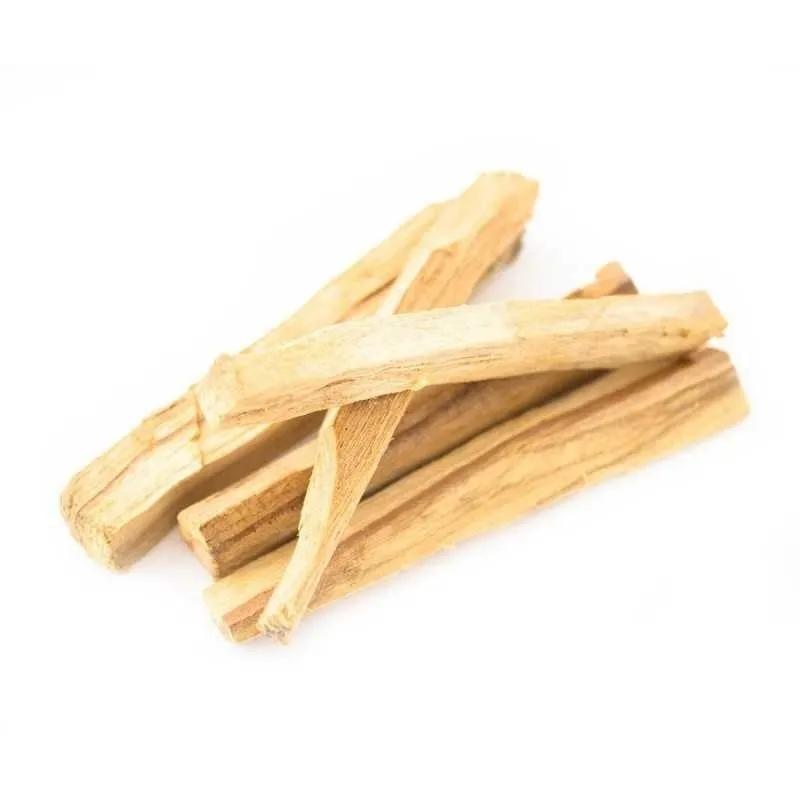
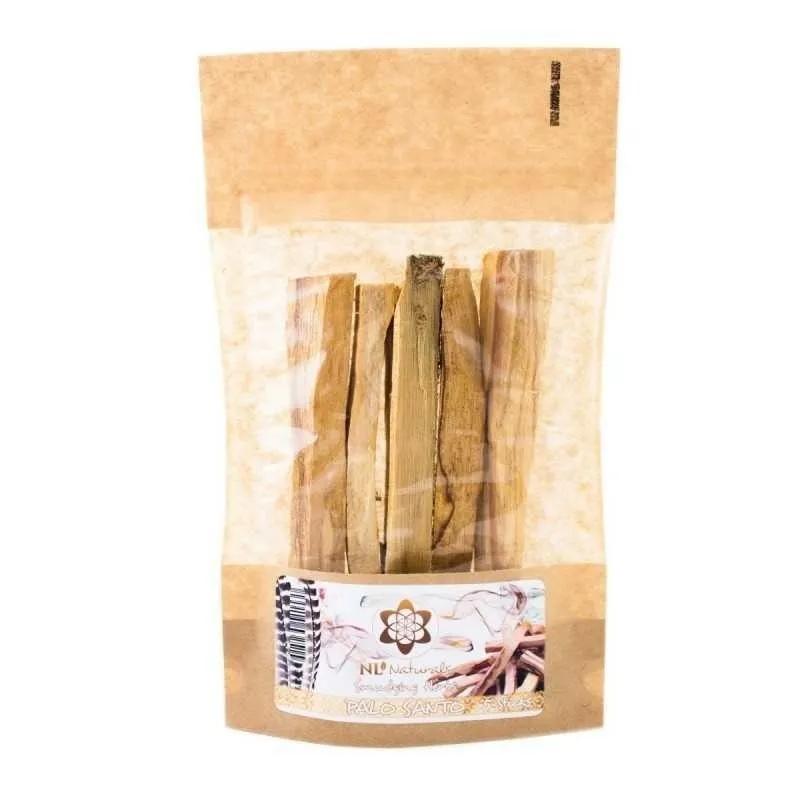
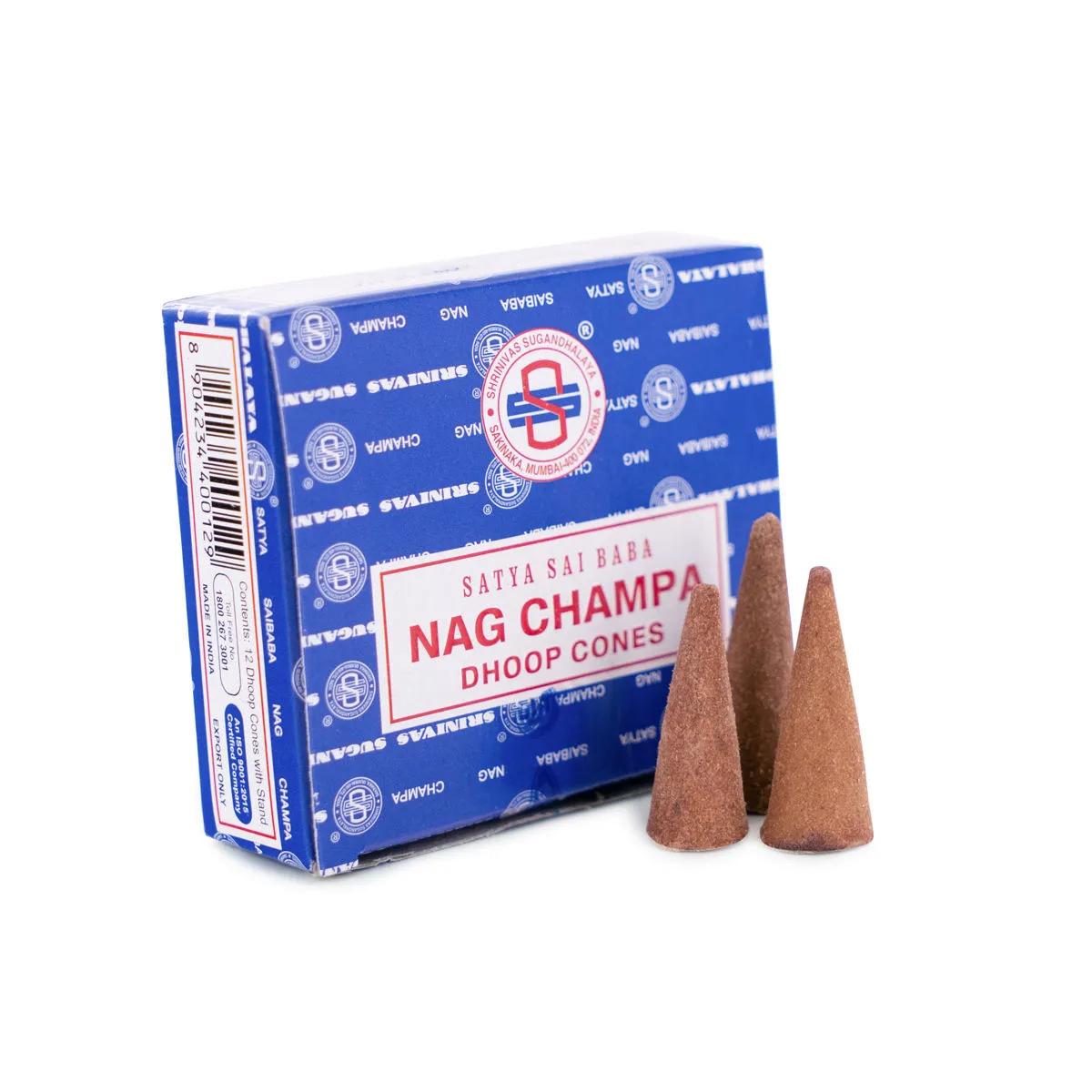
Pairs well with any of our incense stick ranges — Nag Champa, Palo Santo, or the HEM classics all work with this holder. If you're setting up a proper corner for aromatherapy, grab a smudge bowl or a ceramic cone burner to round out the kit.
Frequently Asked Questions
Will the teak burn or scorch?
No, not with standard incense sticks. The ash falls onto the wood cool enough that it won't scorch, and teak's natural oils resist heat damage better than softer woods. Don't use it for cones or charcoal discs — those burn hot enough to leave marks.
How do I clean the ash off?
Tip the loose ash into a bin and wipe the groove with a dry cloth. For stubborn residue, a slightly damp cloth works fine — just dry it off straight after. Avoid soaking the wood or using harsh cleaners, which can dull the finish.
Does it fit all incense sticks?
It fits standard bamboo-core incense sticks, which covers about 95% of what's on the market (Satya, HEM, Nag Champa, Tulasi, etc.). Solid Japanese-style sticks without a bamboo core are thinner and may sit loose in the hole.
Is teak wood sustainable?
Teak used for small accessories like this is typically sourced from managed plantations, not old-growth forest. The wood is also extremely long-lasting, so one holder will outlive dozens of cheaper alternatives — which is a sustainability argument in itself.
Can I leave it burning unattended?
We wouldn't. Incense sticks are generally safe in a proper holder on a heat-safe surface, but the basic fire-safety rule still applies: don't leave open combustion sources burning when you're out of the room or asleep.
Why is incense traditionally burned on teak?
Teak has been used across South and Southeast Asia for centuries in ceremonial and domestic contexts, partly for its durability and partly for its resistance to heat and moisture. Ethnobotanical surveys published via EMCDDA-adjacent European cultural mapping projects and regional MAPS-linked ethnobotany archives document teak's long history in traditional practice across India and neighbouring regions, with records dating back at least 2,000 years.
Where is the best place to put a teak incense holder?
On a flat, heat-safe surface at least 30 cm from anything flammable — curtains, books, paper, loose fabric. A wooden shelf, ceramic tile, or stone mantelpiece all work. Avoid drafty spots where ash might blow off the channel before it cools.
Last updated: April 2026