Dab rigs & tools
by Qnubu
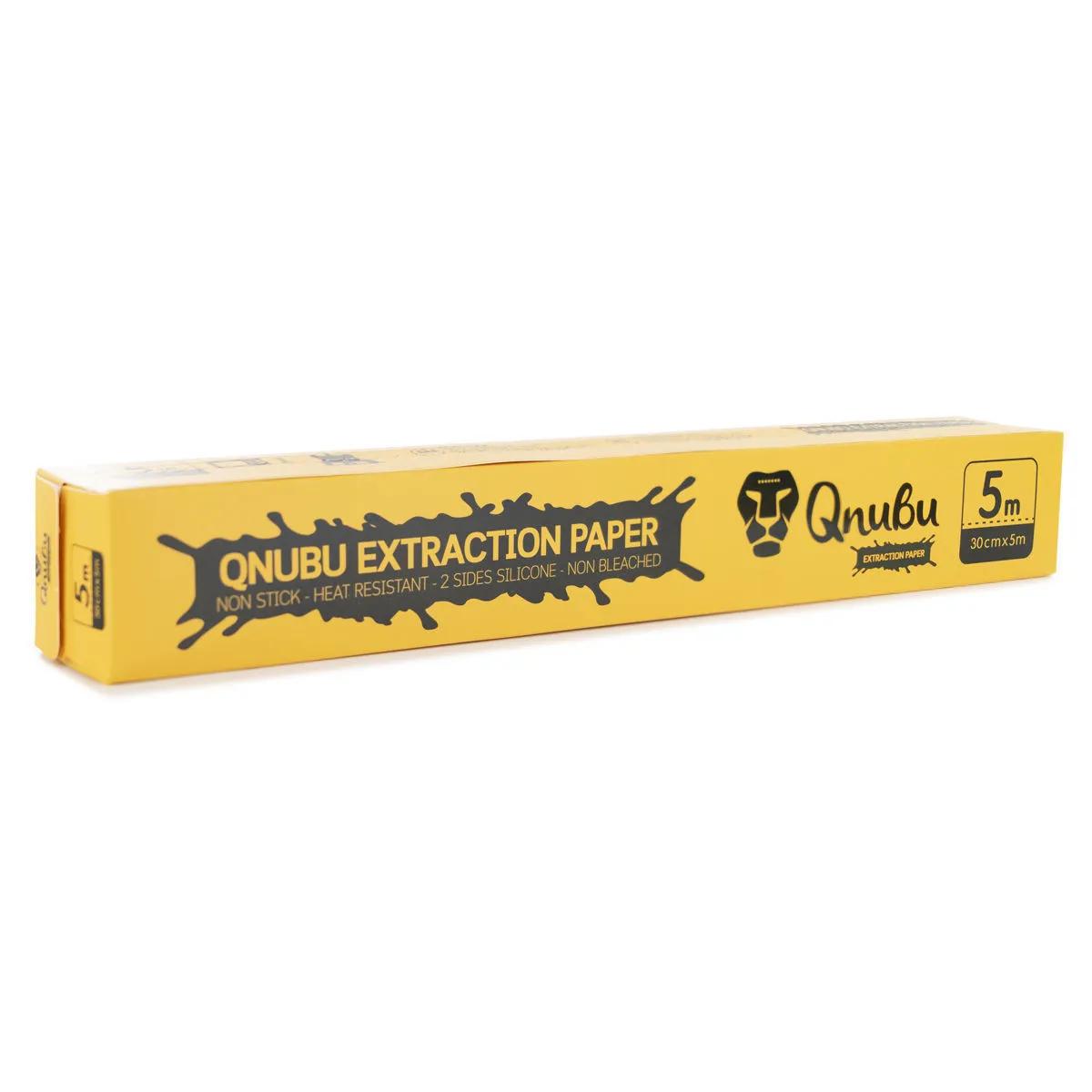
Qnubu Extraction Paper is a dual-silicone-coated parchment roll designed specifically for solventless rosin extraction. At 30 cm wide and 5 metres long, a single roll covers dozens of presses before you need a replacement. Made by Qnubu — a Barcelona-based brand known for their rosin presses — this paper handles the heat and pressure that regular baking parchment simply cannot.
Standard baking parchment tears, sticks, and sometimes transfers chemical residue onto your extract. We've seen it happen more times than we can count — someone uses supermarket parchment, cranks up the press, and ends up scraping waxy residue off torn paper instead of collecting clean rosin. The dual silicone layering on Qnubu's paper is the difference. It creates a non-stick barrier on both sides that holds up under the sustained heat and tonnes of pressure a rosin press delivers.
Rosin extraction — the technique of pressing cannabis flower or hash between heated plates to squeeze out essential oils without any solvents — only works well when every component is up to the job. Your press can be spot-on, your flower perfectly cured, but if the paper fails, you lose product. Qnubu designed this paper to pair with their own presses, but it works with any brand: manual, hydraulic, or pneumatic. The 30 cm width accommodates most standard press plate sizes without needing to trim, and at 5 metres you can cut sheets to whatever length suits your setup.
One honest limitation: this is a roll, not pre-cut sheets. You'll need scissors or a blade to size your pieces before each press. It takes about five seconds, but if you're doing high-volume pressing, Qnubu also makes pre-cut 10x10 cm sheets in packs of 100 for faster workflow. For most home pressers, though, the roll is the better value — you get far more paper per purchase and can cut larger sheets when you need them.
| Spec | Value |
|---|---|
| Brand | Qnubu |
| Width | 30 cm |
| Length | 5 metres |
| Coating | Dual silicone (both sides) |
| Compatibility | All rosin press brands |
| Format | Roll (cut to size) |
| SKU | HS0874 |
| Origin | Barcelona, Spain |
Complete your pressing setup: pair this extraction paper with a Qnubu rosin press for a matched combination from the same manufacturer. If you're collecting your finished rosin, silicone containers keep extracts fresh and make handling far easier than glass jars.
The process is straightforward — no special technique required. Here's the step-by-step:
We've been stocking rosin supplies since solventless extraction went from niche hobby to mainstream technique, and the single most common complaint we hear is about paper quality. Cheap parchment absorbs some of your extract into the fibres — you can actually see the translucent stain it leaves behind, and that's product you'll never get back. The dual silicone coating on Qnubu's paper creates a genuine barrier. When you peel the paper open after a press, the rosin sits on the surface like a bead of honey on a waxed table. That's what you're paying for.
The other thing worth knowing: this paper has a slight rigidity to it compared to kitchen parchment. It feels more like tracing paper than baking paper — a bit stiffer, with a smoother, almost waxy texture on both sides. That stiffness actually helps when you're positioning material on the press, because the paper doesn't crumple or fold over on itself. It stays where you put it.
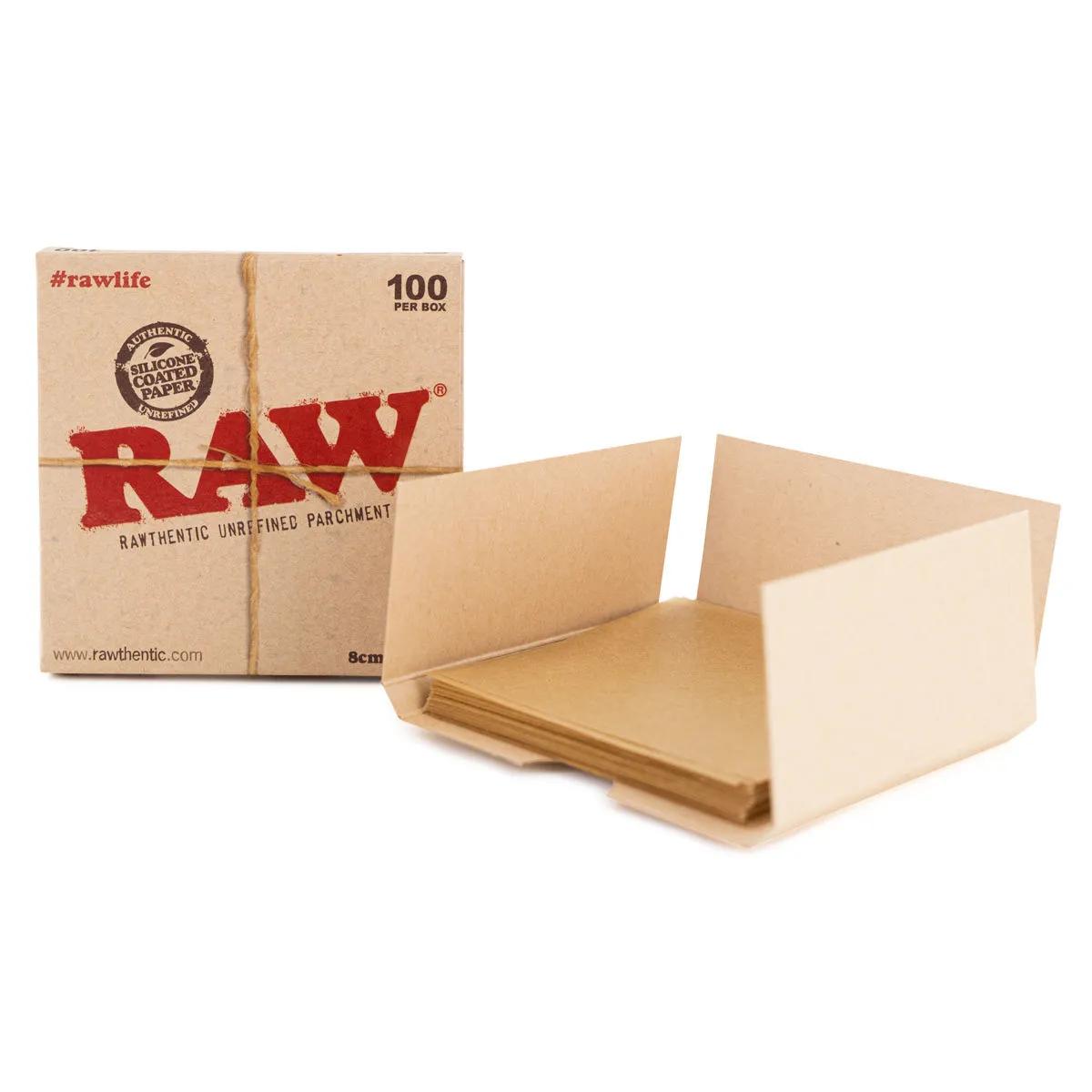
If you're comparing this to the Raw brand extraction paper, both do the job. The Qnubu roll gives you 5 metres versus Raw's similar format, and Qnubu's dual-coating is specifically engineered for their own presses. We'd pick Qnubu if you're already using a Qnubu press — matched ecosystem, no surprises. Either way, dedicated extraction paper is one of those small upgrades that makes a noticeable difference to your yield.
You can, but you'll likely lose product. Standard baking parchment isn't rated for the sustained pressure of a rosin press and often tears or absorbs extract into its fibres. Qnubu's dual silicone coating prevents both issues. The difference in yield usually pays for the paper within a few presses.
Depends on how large you cut your sheets. Using roughly 20 cm per press (enough for a standard 10x10 cm plate setup), you'll get around 25 presses from a single roll. Cut smaller for smaller loads and you'll stretch it further.
The dual silicone coating handles the full range used in rosin pressing — typically 80°C to 120°C. It won't degrade, tear, or transfer residue within standard rosin press operating temperatures.
Yes. It's compatible with all rosin press brands — manual, hydraulic, and pneumatic. The 30 cm width fits most standard plate sizes. Qnubu designed it for their own presses but made no proprietary restrictions.
Technically you could press twice on the same sheet, but we wouldn't recommend it. After one press, the silicone coating in the contact area has already been stressed, and residual extract makes the surface less reliable. Fresh paper per press gives you the cleanest results.
Rosin extraction is a solventless technique that uses heat and pressure to squeeze essential oils from cannabis flower, hash, or kief. No chemicals involved — just mechanical force and controlled temperature. The result is a clean, terpene-rich concentrate.
Last updated: April 2026