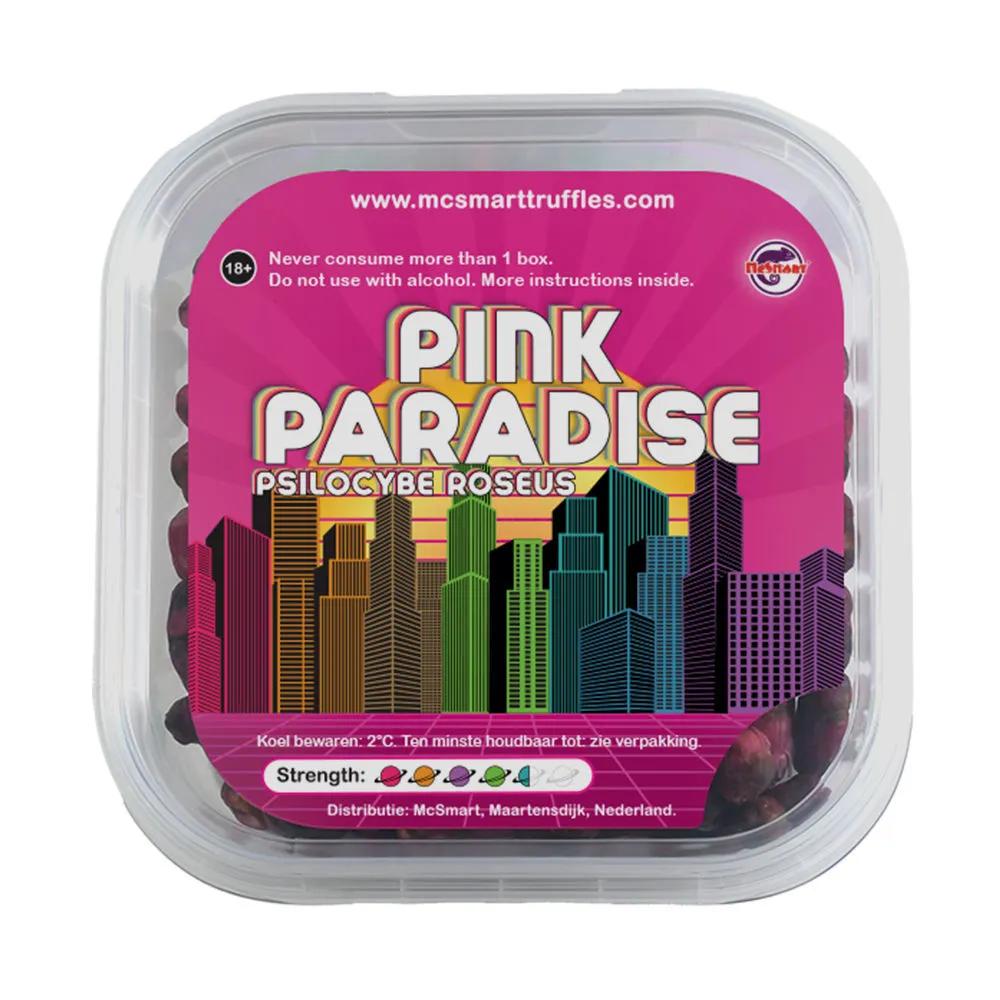
Magic truffles
by McSmart
Pink Paradise Magic Truffles have earned a devoted following among psychedelic enthusiasts who appreciate a well-rounded, medium-strength journey. Crafted by McSmart under the name Psilocybe Roseus, these distinctive sclerotia deliver a harmonious balance of vivid visuals, mood elevation, and gentle introspection — making them a genuinely versatile choice whether you're stepping into the world of psilocybin truffles for the first time or you're a seasoned psychonaut looking for a reliable, colourful ride. cultivated at professional truffle farms in the Netherlands, every 15-gram vacuum-sealed pack arrives fresh, potent, and ready to open.
What sets the Pink Paradise apart from other magic truffles in the catalogue is its reputation for producing a warm, euphoric headspace without the sometimes overwhelming intensity of higher-tier varieties. The visual component is surprisingly strong for a mid-range truffle: expect gentle geometric patterns, enhanced colour saturation, and a luminous quality to natural light that many users describe as "rosy" or "golden." Meanwhile, the introspective side tends to feel supportive rather than confrontational, lending itself well to creative exploration, meaningful conversations, or simply sitting in nature and marvelling at the world. If you've been looking to buy magic truffles that hit a sweet spot between playful and profound, the Pink Paradise is an excellent candidate.
Psilocybin — the primary psychoactive tryptamine in these sclerotia — is converted in the body to psilocin, which binds to serotonin 5-HT2A receptors in the brain. This mechanism, extensively studied by organisations such as the Multidisciplinary Association for Psychedelic Studies (MAPS), the European Monitoring Centre for Drugs and Drug Addiction (EMCDDA), and the Beckley Foundation, underpins the visual, emotional, and cognitive shifts you'll experience. The Pink Paradise also contains trace amounts of baeocystine, another naturally occurring tryptamine that may contribute to the overall character of the trip. Understanding the pharmacology isn't just academic — it helps you approach the experience with respect and informed confidence.
| Product name | Pink Paradise Magic Truffles |
| Latin name | Psilocybe Roseus |
| Producer | McSmart |
| Cultivation | professional Dutch truffle farms — naturally grown |
| Pack weight | 15 g (fresh, vacuum sealed) |
| Strength | Medium (3 out of 5) |
| Active compounds | Psilocybin, psilocin, baeocystine |
| Onset | 15–45 minutes |
| Duration | 4–6 hours |
| Storage | Refrigerate (2–4 °C); consume before best-before date |
| Age restriction | 18+ |
The story of psilocybin-containing sclerotia — the dense, underground masses of mycelium commonly called "magic truffles" — stretches back centuries, though their formal identification by Western science is comparatively recent. Indigenous Mesoamerican cultures used psilocybin-containing fungi in spiritual and healing ceremonies long before European contact, a tradition documented by ethnomycologist R. Gordon Wasson in the 1950s. While those ceremonies centred on above-ground fruiting bodies, the sclerotia of various Psilocybe species were also known and valued.
The specific cultivation of sclerotia for the European market gained momentum in the Netherlands during the early 2000s. After the Dutch government restricted the sale of fresh and dried psilocybin mushrooms in 2008, sclerotia — which are technically not "mushrooms" but rather a dormant storage form of the fungal organism — remained legally available. This regulatory distinction created a thriving, quality-controlled industry. Producers like McSmart refined cultivation techniques to produce consistent, reliably dosed products, and the professional Dutch truffle farms became one of the trusted sources for naturally grown sclerotia.
Pink Paradise Magic Truffles, marketed as Psilocybe Roseus, emerged as a cultivar prized for its approachable potency and distinctive character. The "pink" in the name nods both to the subtle colouration sometimes visible on the sclerotia and to the warm, rosy quality of the experience itself. Over time, Pink Paradise has become a staple recommendation for those seeking a medium-strength hallucinogen that doesn't sacrifice depth for accessibility. It sits comfortably alongside classic varieties like Mexicana and Tampanensis in the pantheon of well-loved Dutch truffle cultivars, while offering its own unique flavour of the psychedelic experience.
Research into psilocybin has accelerated dramatically in recent years. The Beckley Foundation, in collaboration with Imperial College London, has published landmark neuroimaging studies demonstrating how psilocin's action at 5-HT2A serotonin receptors can temporarily reduce activity in the brain's default mode network — the neural circuitry associated with ego and habitual thought patterns. MAPS-sponsored clinical trials have explored psilocybin-assisted therapy for treatment-resistant depression and end-of-life anxiety. While Pink Paradise Magic Truffles are sold as a natural product for personal exploration rather than as a therapeutic tool, this growing body of institutional research underscores the significance of the compounds they contain.
The effects of Pink Paradise Magic Truffles unfold across several dimensions — visual, emotional, cognitive, and physical — and the balance between these dimensions is a large part of what makes this cultivar so well-regarded.
Visual effects: Even at moderate doses, Pink Paradise tends to produce notably vivid visuals. Closed-eye imagery often features flowing, organic patterns — think spiralling fractals, kaleidoscopic mandalas, and undulating waves of colour. With eyes open, you may notice enhanced colour saturation, a shimmering or "breathing" quality to surfaces, and halos of light around objects. At higher doses, more complex visual phenomena can emerge, including synesthetic experiences where sounds seem to have colour or texture.
Emotional effects: The emotional signature of Pink Paradise is frequently described as warm, uplifting, and gently euphoric. Many users report waves of gratitude, connectedness, and a childlike sense of wonder. Laughter comes easily. At the same time, deeper emotional material can surface — memories, insights about relationships, or feelings that have been suppressed. This is a natural part of the psilocybin experience and is generally experienced as cathartic rather than distressing, provided your set and setting are well-chosen.
Cognitive effects: Expect a noticeable shift in thought patterns. Linear, analytical thinking gives way to more associative, lateral cognition. Ideas may feel more interconnected; creative problem-solving can feel effortless. Some users describe a sense of "seeing through" habitual assumptions or perspectives, gaining fresh insight into personal questions. This introspective quality is present but not overwhelming — Pink Paradise tends to keep things accessible and grounded compared to stronger varieties like Hollandia.
Physical effects: A mild body buzz is common, often described as tingling, warmth, or a pleasant heaviness in the limbs. Some users experience slight nausea during the come-up, which typically passes within 20–30 minutes. Yawning is frequent — a curious and well-documented physiological response to psilocybin that has nothing to do with tiredness. Pupils will dilate, and you may notice slight changes in temperature perception.
Timeline: Effects typically begin 15–45 minutes after ingestion, depending on stomach contents and individual metabolism. The peak usually occurs between 1.5 and 2.5 hours in, followed by a gradual, gentle descent. Total duration is approximately 4–6 hours, with some residual mood elevation or reflective afterglow lasting into the following day.
Dosage is one of the most important variables in shaping your experience. The table below provides general guidelines based on a 15-gram fresh pack. Individual sensitivity varies — factors including body weight, metabolism, recent food intake, and prior experience with psychedelics all play a role. If you're new to magic truffles, start at the lower end and work upward on subsequent occasions.
| Level | Dose (fresh) | Intensity | What to expect |
|---|---|---|---|
| Microdose | 0.5–1.5 g | ● ● ● ● ● | Sub-perceptual. Subtle mood lift, enhanced focus. No visuals. |
| Low | 5–7 g | ● ● ● ● ● | Mild euphoria, gentle colour enhancement, relaxed headspace. Good for beginners. |
| Medium | 7–10 g | ● ● ● ● ● | Clear visuals, meaningful introspection, waves of euphoria. The "sweet spot" for many users. |
| Strong | 10–15 g | ● ● ● ● ● | Intense visuals, deep emotional exploration, altered sense of time and self. Full pack dose. |
| Heroic | 15 g+ | ● ● ● ● ● | Very intense. Only for experienced users. Requires a tripsitter and careful preparation. |
Note: A "heroic" dose of Pink Paradise would require more than one pack. Given that this is a medium-strength cultivar, the full 15 g pack represents a strong but manageable experience for most people. If you're looking for genuinely heroic territory, a higher-potency variety like Hollandia would be more appropriate — and even then, proceed with great caution.
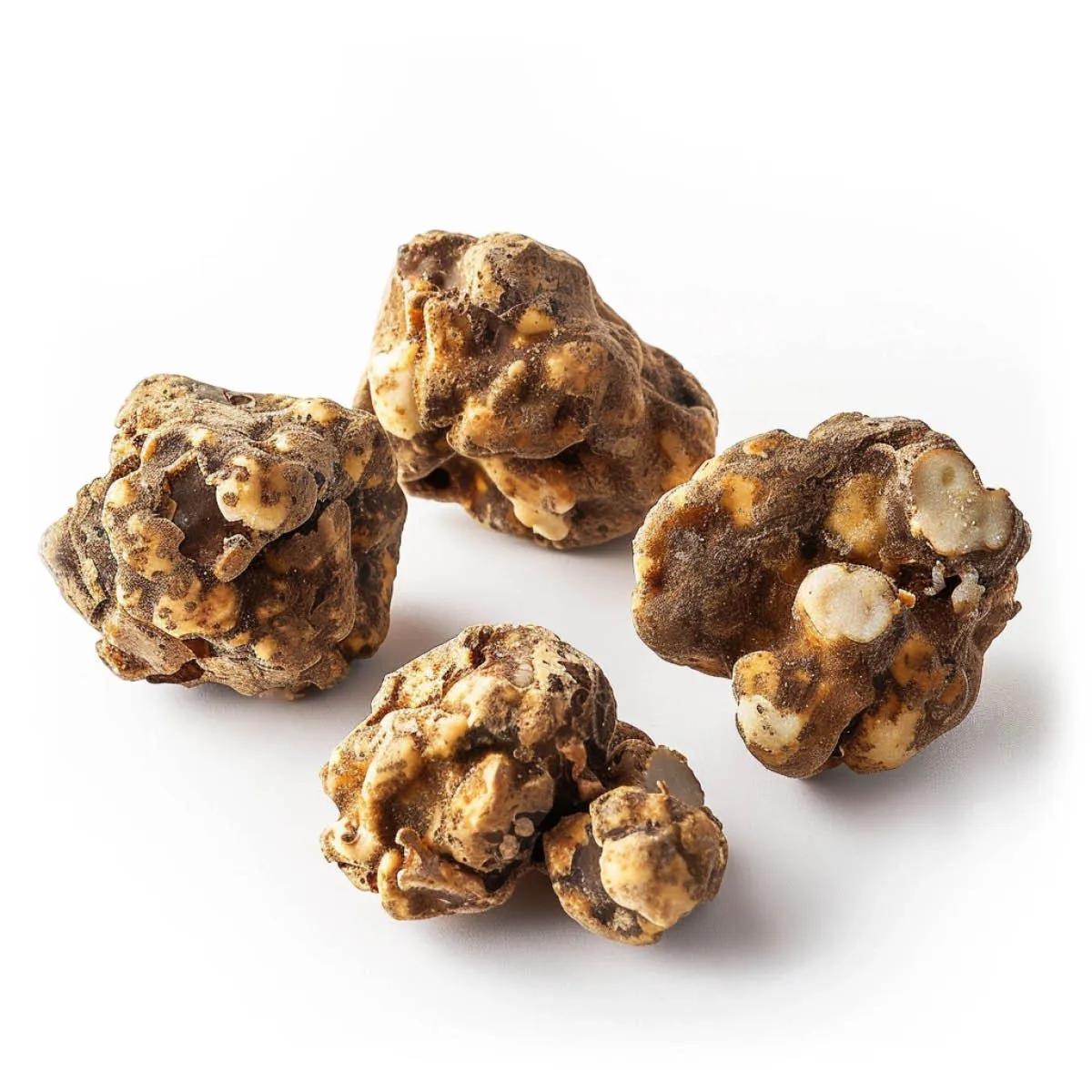
Let's be honest: magic truffles are not a gourmet delicacy. Pink Paradise sclerotia have a dense, slightly rubbery texture — imagine a firm, chewy nut with a higher moisture content. The flavour is earthy and mildly sour, with walnut-like undertones and a faint bitterness on the finish. Compared to some other varieties, Pink Paradise is relatively mild in taste — it won't win any culinary awards, but it's far from the most challenging truffle to eat.
If the taste is a barrier, there are several strategies:
There are dozens of psilocybin truffle varieties on the market, so why should Pink Paradise be in your basket? Here are the key reasons this cultivar has earned its place as a perennial favourite:
Versatility across experience levels. Pink Paradise occupies the Goldilocks zone of truffle potency. Beginners can take a low-to-medium dose and enjoy a gentle, manageable introduction to the psychedelic state. Experienced users can consume the full pack for a rich, visually engaging journey with genuine depth. Very few cultivars straddle this range so gracefully.
Reliable, consistent quality. cultivated at professional truffle farms in the Netherlands under controlled conditions, these sclerotia benefit from decades of refined cultivation practice. Every vacuum-sealed 15 g pack is produced to consistent standards, so you know what you're getting — no guesswork, no unpleasant surprises.
Strong visual component. For a medium-strength truffle, Pink Paradise punches above its weight in the visual department. If aesthetics matter to you — if you want to see the world shimmer and glow — this is a standout choice in its potency class.
Warm emotional tone. The "vibe" of a truffle variety matters. Pink Paradise is consistently described as warm, uplifting, and gently euphoric. It's a sociable truffle — well-suited to shared experiences with close friends — while still offering enough introspective depth for solo journeys.
A natural product you can trust. These are naturally grown sclerotia, free from synthetic additives. The active compounds — psilocybin, psilocin, and baeocystine — are produced by the organism itself, as nature intended. For more on how psilocybin works, visit our in-depth psilocybin guide.
Psilocybin is one of the safest psychoactive substances in terms of physiological toxicity — a finding consistently supported by research from MAPS, the Beckley Foundation, and the EMCDDA's risk assessments. That said, the psychological intensity of a psychedelic experience demands respect. Here are essential harm-reduction guidelines:
For further reading on psilocybin safety, we recommend the EMCDDA's drug profile pages and the Beckley Foundation's published research.
Choosing the right truffle variety is a personal decision that depends on your experience level, your intentions, and the kind of journey you're seeking. Here's how Pink Paradise compares to some of the other popular options in our magic truffles collection:
| Variety | Strength | Best for | Character |
|---|---|---|---|
| Pink Paradise | Medium | All levels | Warm, visual, euphoric, gently introspective |
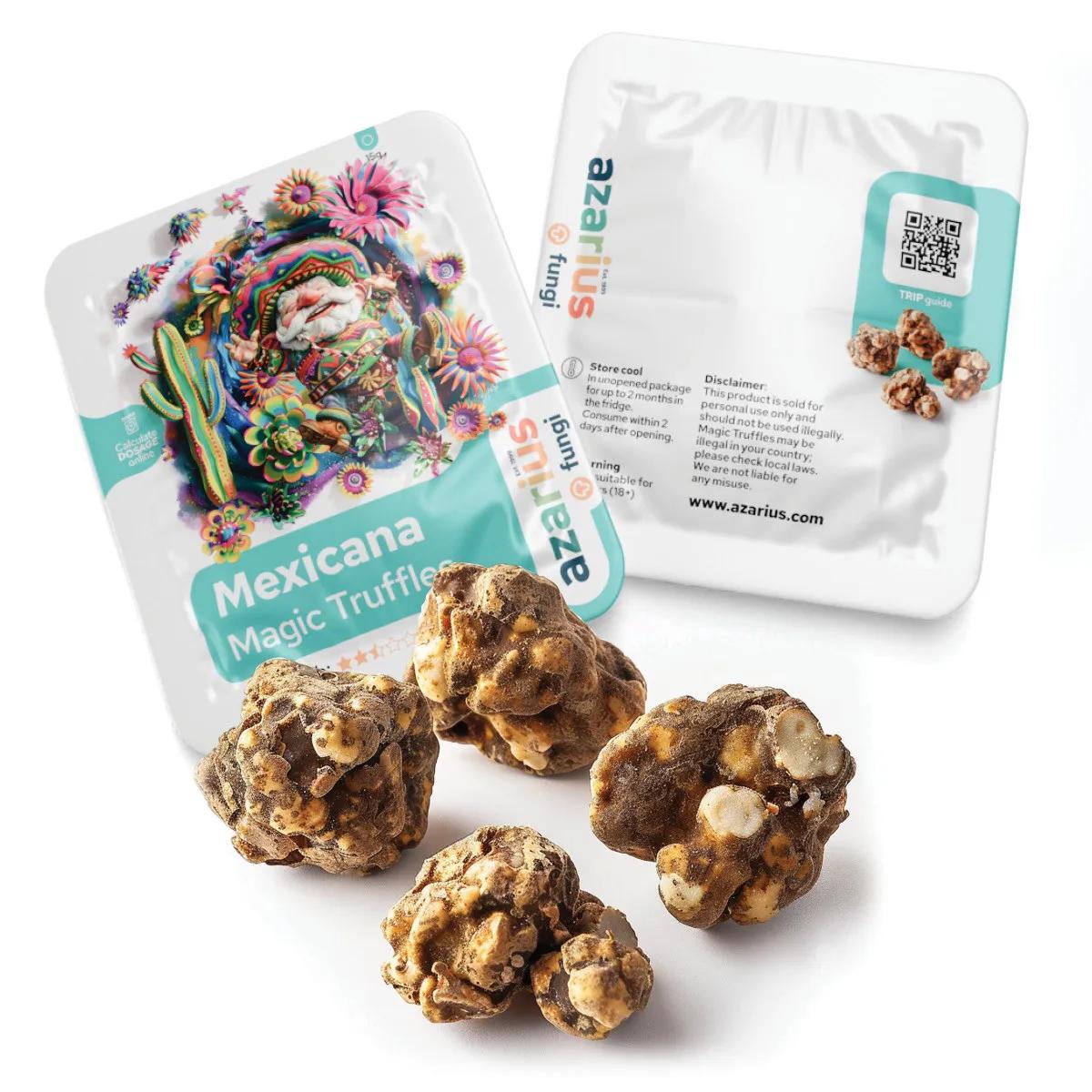
| Mexicana | Mild | Beginners | Light, giggly, social, minimal visuals at low doses |
| Tampanensis | Mild–Medium | Thinkers, creatives | Philosophical, introspective, moderate visuals |
| Atlantis | Medium–Strong | Intermediate users | Intensely visual, oceanic depth, emotionally powerful |
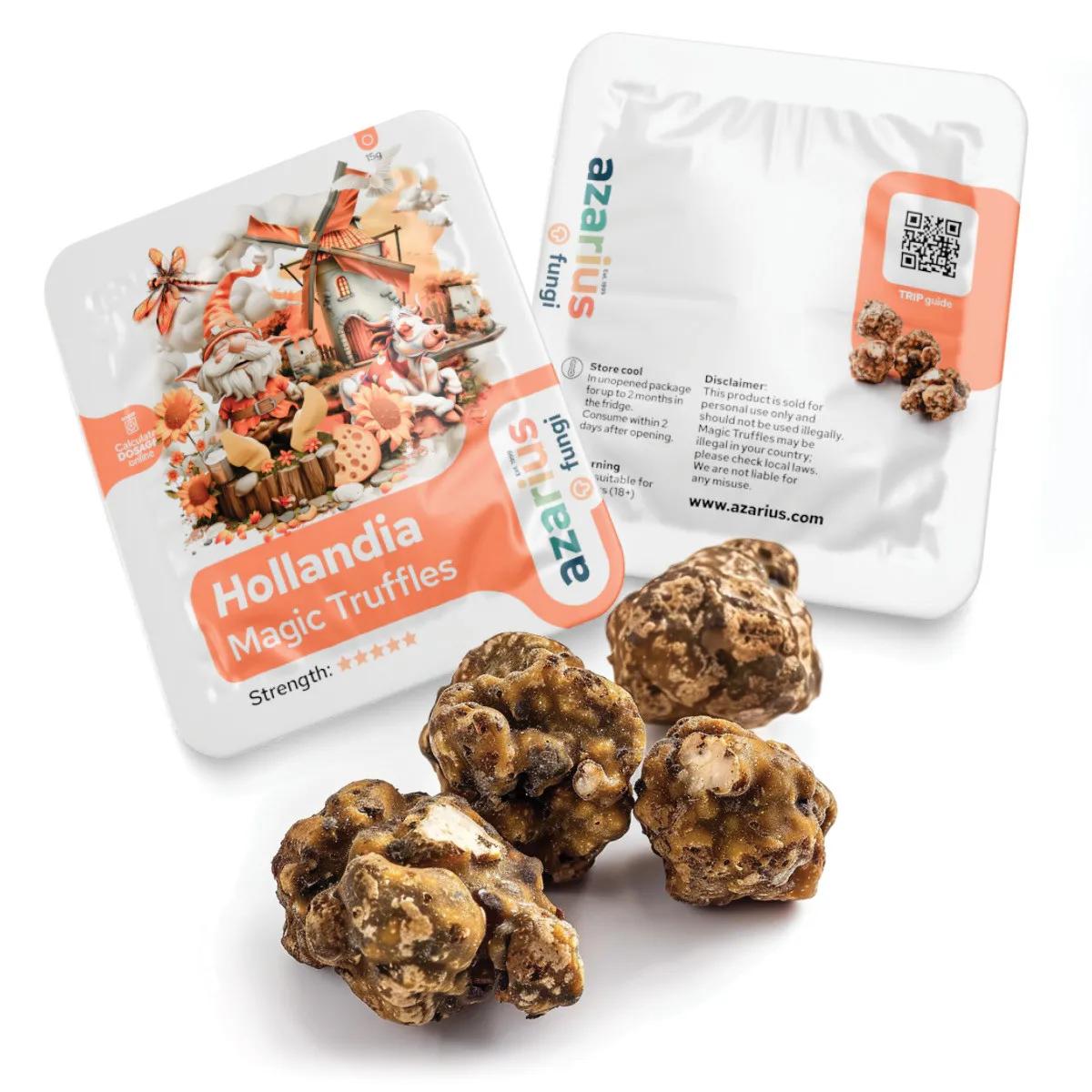
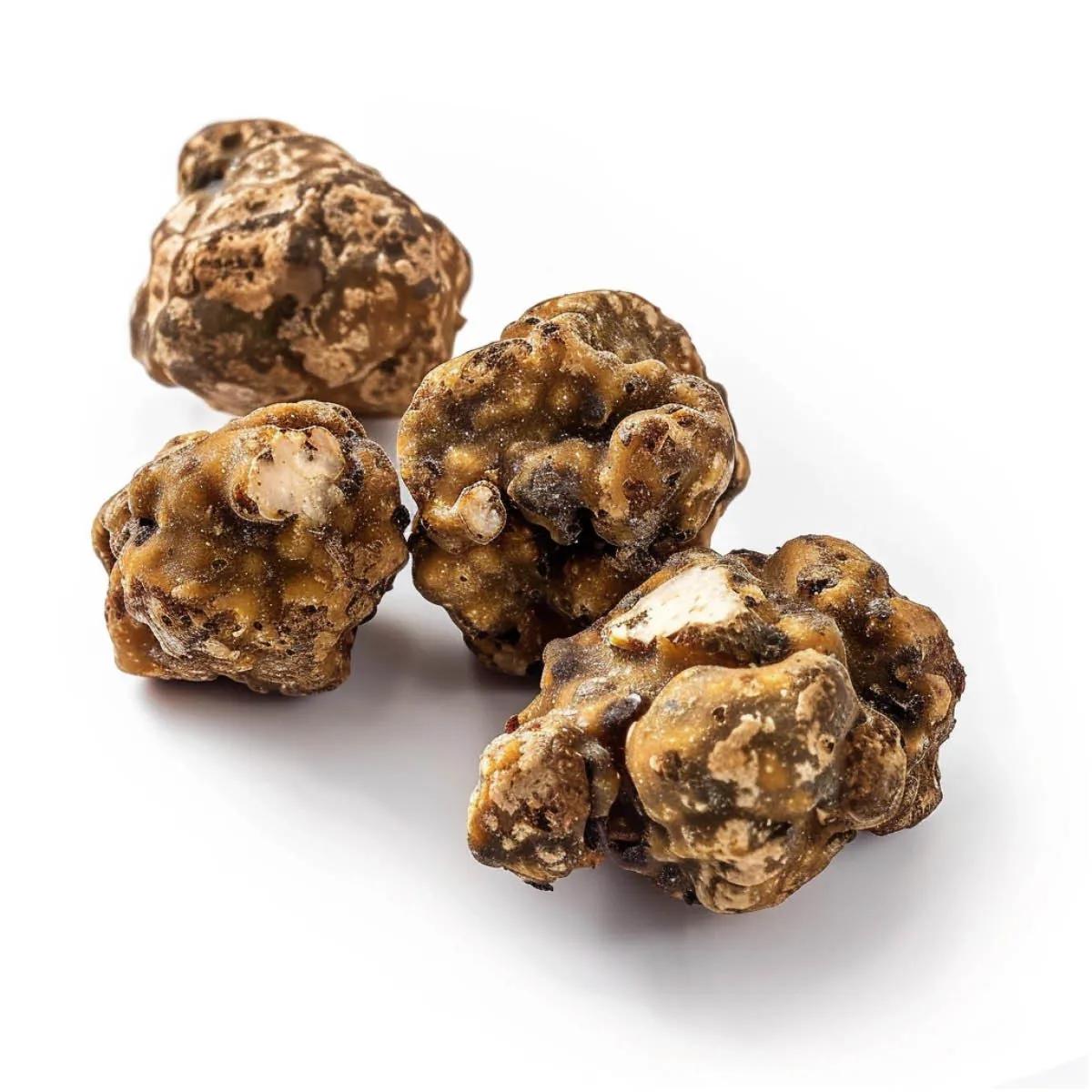
| Hollandia | Very Strong | Experienced users | Overwhelming visuals, ego dissolution, profound introspection |
If you've tried Mexicana and found it too gentle, Pink Paradise is the natural next step — it offers noticeably more visual and introspective depth without the intensity jump that comes with something like Atlantis or Hollandia. Conversely, if you're an experienced user who usually reaches for high-potency varieties, Pink Paradise makes an excellent "lighter" option for days when you want a colourful, enjoyable experience without committing to a full-depth odyssey.
Magic truffles are a natural product — sclerotia composed of compacted mycelium — and they do contain measurable macronutrients, though nobody is eating them for the calories. The following values are approximate and per 100 g of fresh sclerotia:
| Nutrient | Per 100 g (fresh) |
|---|---|
| Energy | ~30 kcal / 125 kJ |
| Protein | ~2.0 g |
| Carbohydrates | ~4.0 g |
| Fat | ~0.4 g |
| Fibre | ~1.5 g |
| Water content | ~70 % |
A standard 15 g serving contains roughly 4.5 kcal — nutritionally negligible. The high water content is typical of fresh sclerotia and is one reason proper refrigerated storage is important to maintain freshness and prevent spoilage.
Medical disclaimer. This content is for informational purposes only and does not constitute medical advice. Consult a qualified healthcare provider before use of any substance.