Climate control
by Cyclone
The Cyclone Oscillating Clip Fan is a 20W clip-on fan that mounts directly to your grow tent poles, delivering a gentle 180-degree oscillating breeze across your canopy. It weighs next to nothing, clips on in seconds, and runs quietly enough that you'll forget it's there — until you notice how evenly your plants are growing. If you've ever dealt with hot spots, damp corners, or limp stems, this is the fix.
| Spec | Value |
|---|---|
| Wattage | 20W |
| Blade diameter | 15 cm |
| Oscillation range | 180 degrees |
| Mount type | Spring-loaded clip |
| Design | Two-colour (black/white) |
| SKU | GS0024 |
| Noise level | Low (designed for continuous use) |
| Best suited for | 60x60 to 120x120 grow tents |
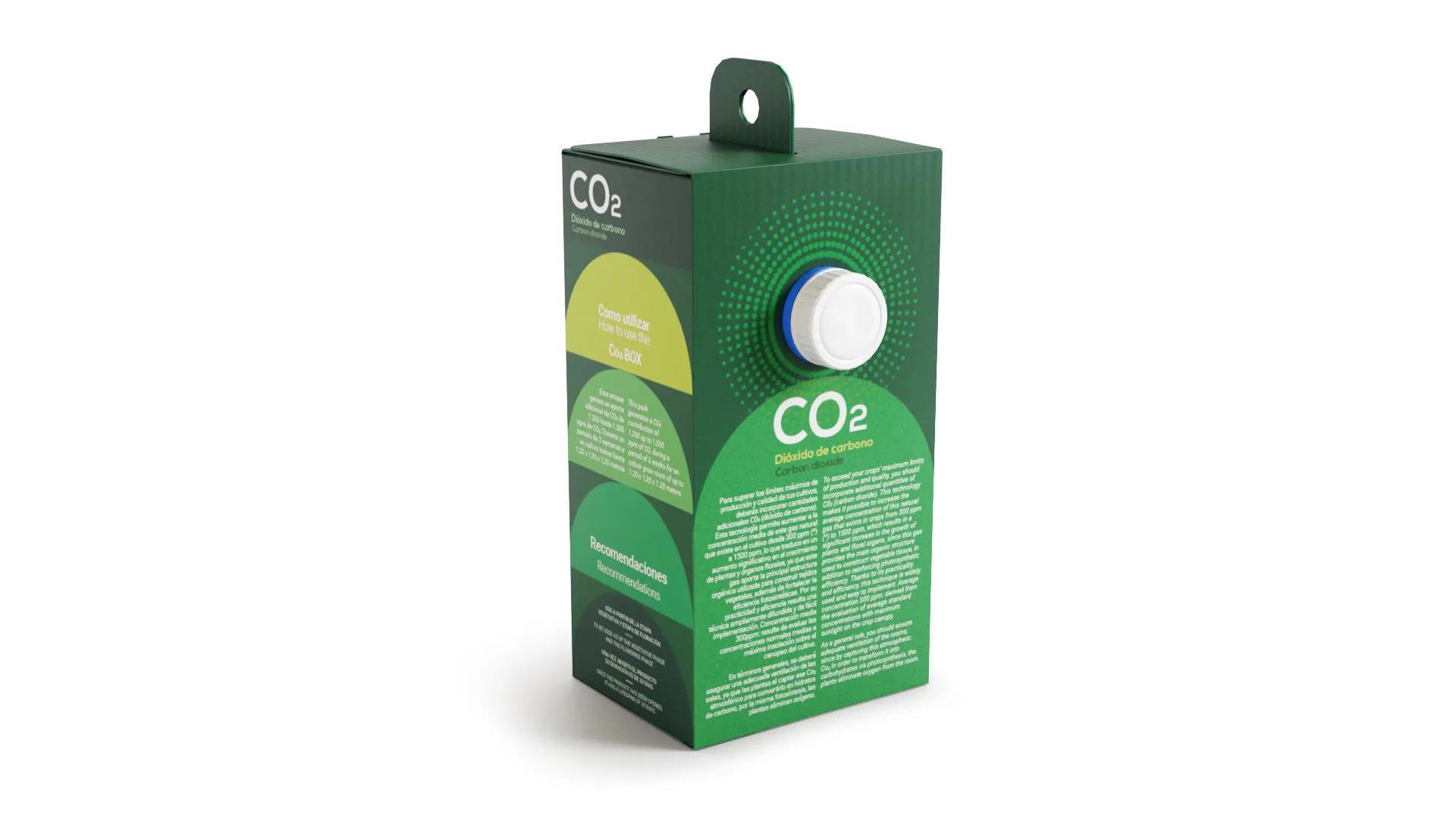
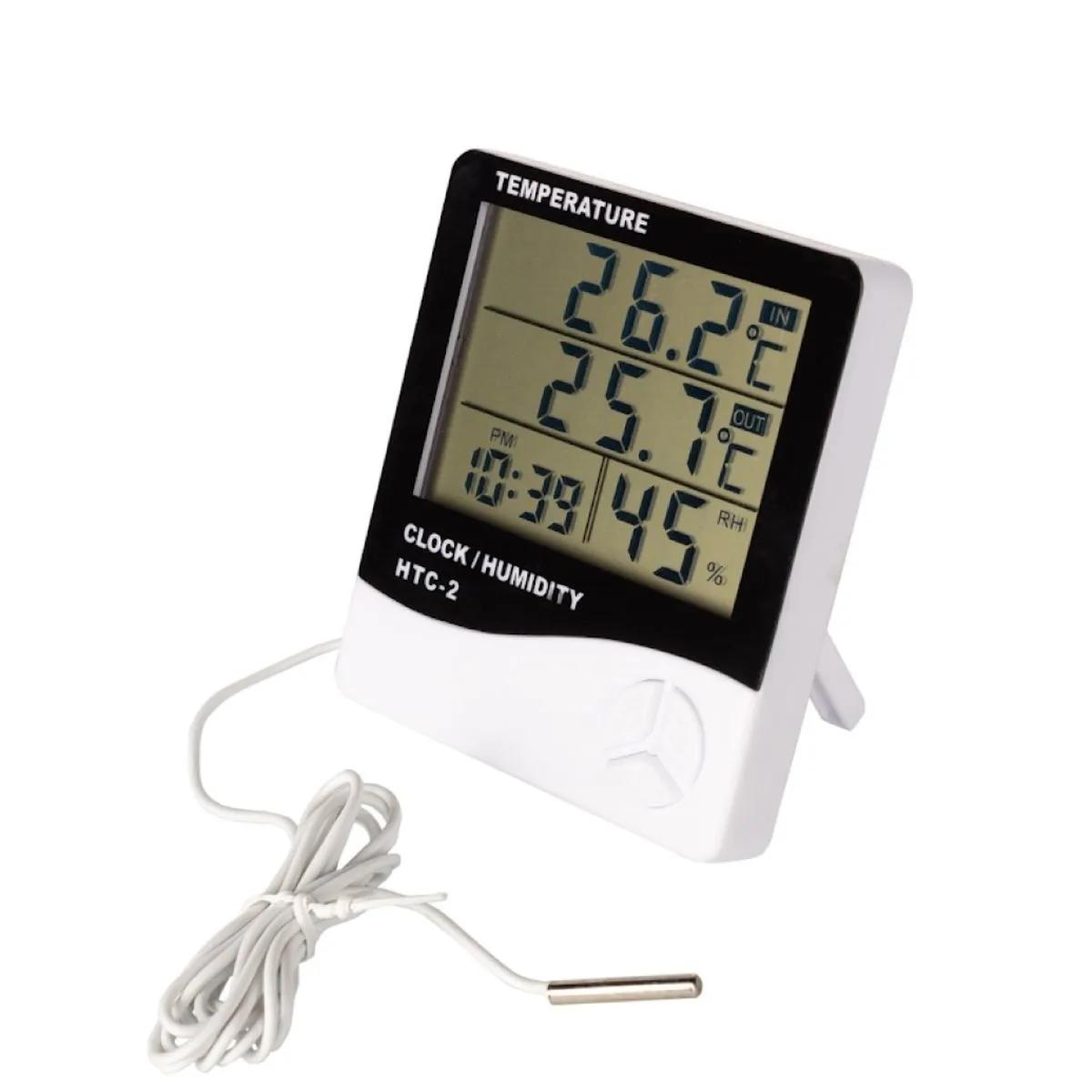
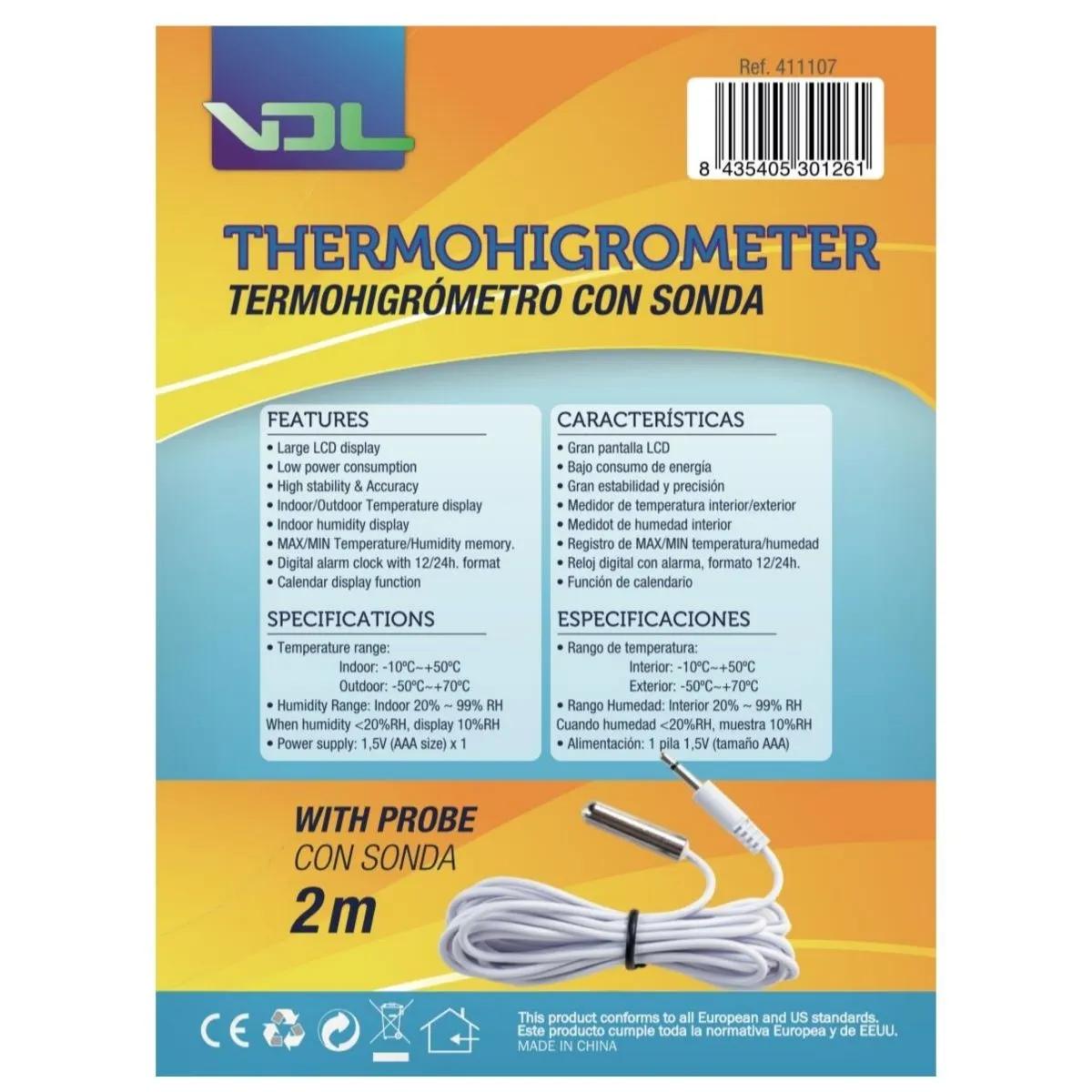
Complete your climate setup. Pair the Cyclone clip fan with a carbon filter and inline extraction fan for full air management — the clip fan handles circulation inside the tent while the extractor pulls stale, humid air out. If you're running a small tent, a clip-on hygrometer lets you monitor exactly what the fan is doing for your temperature and humidity levels.
An oscillating clip-on fan solves problems you might not even realise you have yet. Here's what actually happens inside a sealed tent without air movement: warm air rises and pools near your light, cool air sinks to the bottom, and moisture from transpiration hangs around your canopy like a wet blanket. The result? Uneven growth, weak stems, and the perfect conditions for mould and mildew to set in.
We've seen growers spend hundreds on lights and nutrients, then lose half a crop to bud rot because they skipped a fan that costs less than a round of drinks. The Cyclone's 180-degree sweep keeps air moving across the entire canopy rather than blasting one spot. That constant, gentle breeze does two things: it disrupts the humid microclimate around your leaves (where fungal spores love to settle), and it physically stresses the stems just enough to encourage them to thicken up. Growers call it "wind training" — the plant responds to movement by building stronger cell walls, much like how trees on windy hillsides grow stockier trunks.
The honest limitation? At 20W with a 15cm blade, this fan is built for small to medium tents — think 60x60 up to about 120x120. If you're running a 240x120 or larger, you'll want two of these on opposite poles, or step up to a floor-standing oscillating fan. For anything up to a 120x120 though, one Cyclone mounted at canopy height does the job properly.
The clip itself is the first thing you notice — it's a proper spring-loaded jaw, not one of those flimsy plastic pinchers that slowly slides down your tent pole overnight. You can feel the tension when you squeeze it open. It grips round poles (16–25mm diameter) without any wobble, and the rubber padding on the jaws means it won't scratch or dent your frame.
The two-colour design (black housing, white blades) looks cleaner than most grow room fans, which tend to be all-white and industrial. Not that aesthetics matter much inside a tent, but if your setup is in a living space or bedroom, it doesn't scream "grow room" quite as loudly. The head tilts and locks into position before you switch on the oscillation, so you can aim the sweep exactly where you need it — across the top of your canopy, or angled down towards the pots if you're battling surface moisture.
Noise-wise, it's genuinely quiet. Not silent — you'll hear a soft hum and the faintest click as the oscillation mechanism reverses direction — but it won't keep you awake if the tent is in your bedroom. Compared to a clip fan from a hardware shop, the difference is noticeable. Those cheap desk fans rattle after a week; the Cyclone's motor runs smooth.
The question we get most often about clip fans is "do I really need one if I already have an extraction fan?" Short answer: yes, absolutely. Your extractor pulls air out of the tent — it doesn't circulate air inside it. Without a clip fan, you get a column of moving air between the intake and the extractor, and dead zones everywhere else. The Cyclone fills those dead zones.
The second most common question: "can I point it directly at my plants?" You can, but don't crank it to full blast aimed at one spot. Constant direct wind on the same leaves causes windburn — the edges curl, dry out, and go crispy. The whole point of oscillation is to keep the breeze moving so no single plant takes the brunt. If your leaves are visibly fluttering like flags, the fan is too close or too direct. A gentle rustle is what you're after.
Yes. Running the Cyclone oscillating clip fan continuously prevents humidity from building up during the dark period, when transpiration slows but moisture still accumulates. Turning it off at night is one of the most common causes of mould in small tents.
One Cyclone 20W fan handles tents up to about 120x120 cm. For larger spaces (150x150 or above), mount two on opposite corners for full coverage. In a 60x60, one is more than enough — just angle it so the oscillation sweeps the full canopy width.
Only if it's aimed directly at one spot without oscillation. The 180-degree sweep distributes airflow evenly, so no single plant gets blasted. If you notice leaf edges curling or drying, move the fan further from the canopy or adjust the angle upward slightly.
The spring-loaded clip grips poles from roughly 16mm to 25mm diameter, which covers most standard grow tent frames. If your poles are thinner, wrap a strip of rubber or cloth around the pole to thicken the grip point and stop the fan from sliding.
No. At 20W it produces a low hum and a faint click at each oscillation reversal. It's quiet enough for a bedroom setup. If you hear rattling after a few weeks, check the clip tension and make sure the fan head screws are snug.
Mount it at canopy height on a side pole, angled slightly downward. You want the airflow sweeping across the tops of your plants, not blowing directly down onto the soil. This position maximises air mixing between the warm upper zone and cooler lower zone.
No. They do different jobs. The Cyclone circulates air inside the tent — preventing hot spots and humidity pockets. An extraction fan removes stale air and controls overall temperature and humidity. You need both for a properly ventilated grow space.
Last updated: April 2026