Herbal teas
by Lasse-T
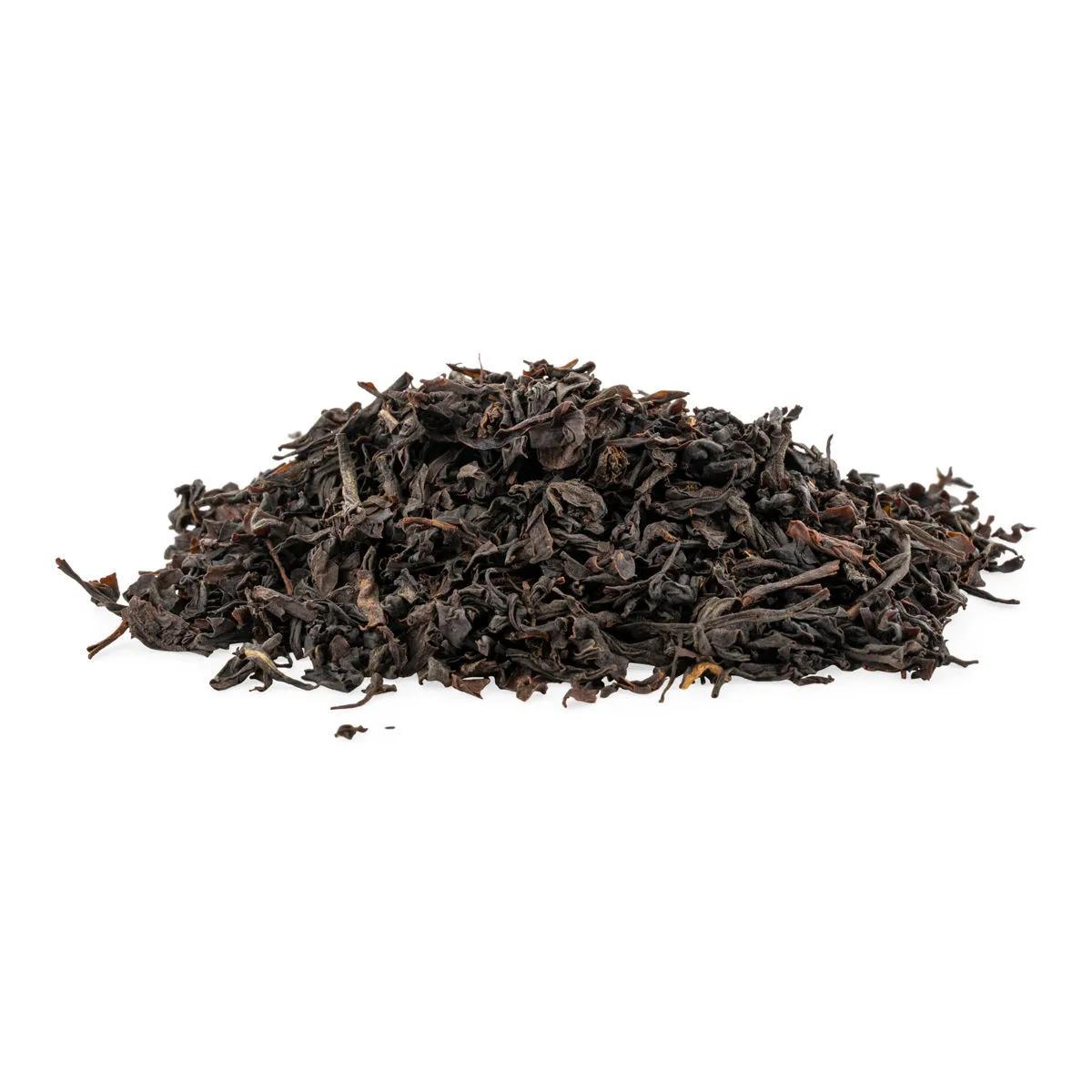
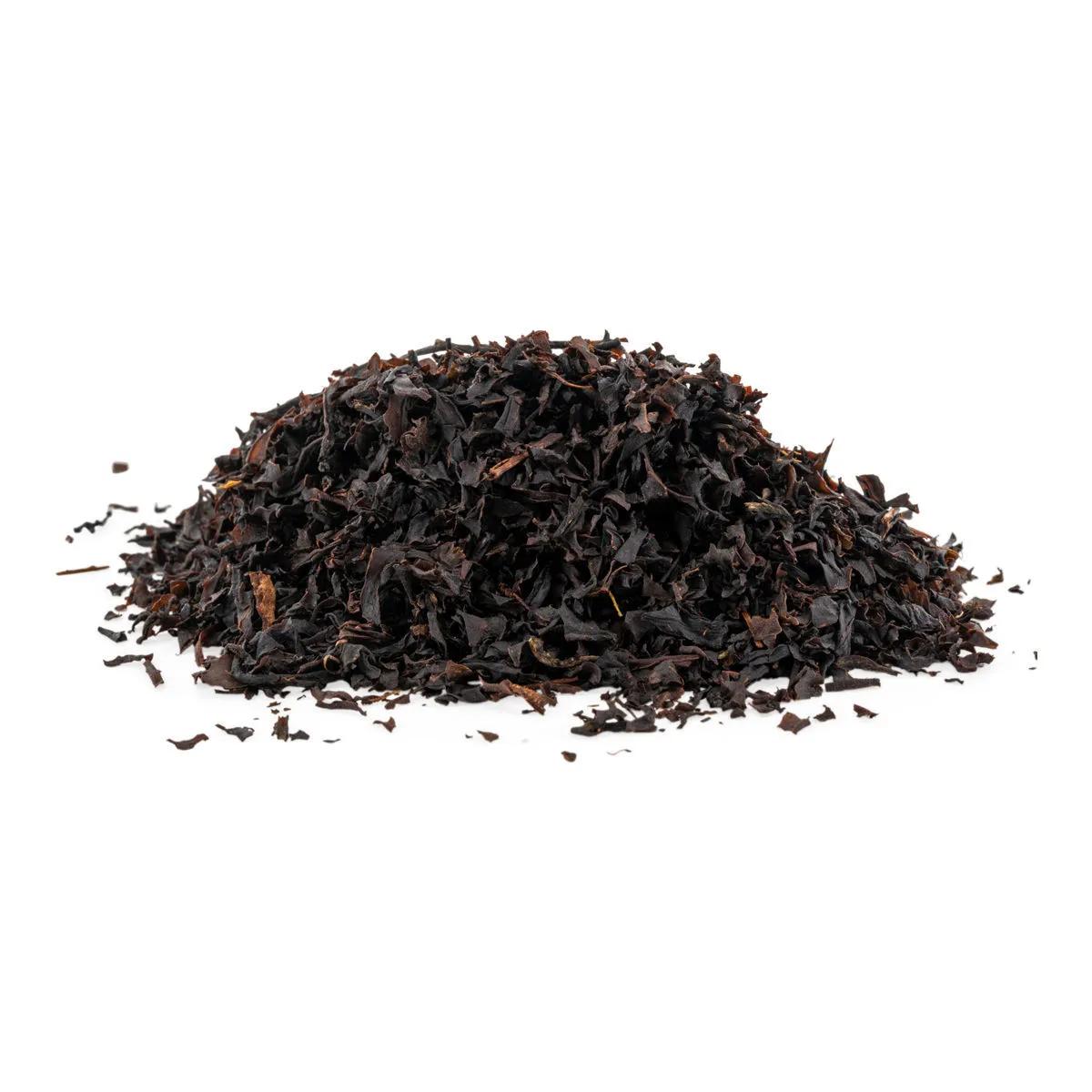
Earl Grey tea is a classic black tea blend scented with bergamot aroma — a citrus oil extracted from the rind of the bergamot orange (Citrus bergamia). Two ingredients, nothing else: black tea and bergamot. That simplicity is exactly why it's survived centuries of tea trends without ever falling out of favour. This 100g pouch gives you enough loose leaf for roughly 40-50 cups, depending on how strong you like it.
Not all Earl Grey tastes the same. Cheaper blends use synthetic bergamot flavouring that hits you with a one-note perfume punch and then disappears. This one uses proper bergamot aroma blended into a robust black tea base, and you can tell the difference the moment you open the pouch — there's a warm, floral citrus scent sitting on top of deep malty tea leaves. The brew itself comes out a rich caramel colour, slightly amber at the edges when the light catches it.
Taste-wise, you get the classic bergamot brightness up front — somewhere between orange peel and lavender — followed by the tannin backbone of the black tea. It's full-bodied enough to stand up to milk and sugar if that's your style, but honestly, try it black first. The bergamot comes through cleaner without milk muddying it. That said, we've got customers who swear by a splash of oat milk and a half-teaspoon of honey, and we're not here to judge.
The one honest limitation: this is a flavoured tea, not a single-origin showpiece. If you're after the complexity of a first-flush Darjeeling or a Taiwanese oolong, that's a different category entirely. Earl Grey is comfort tea — the one you reach for at 3pm when you need something familiar that still has a bit of character. And at this price point, it's the best daily-drinker Earl Grey we carry.
| Spec | Value |
|---|---|
| Ingredients | Black tea, bergamot aroma |
| Net weight | 100 g |
| SKU | SM0526 |
| Tea type | Flavoured black tea |
| Caffeine content | Approx. 40-70 mg per cup (varies with steep time) |
| Estimated cups per pouch | 40-50 (at 1 teaspoon per 180 ml cup) |
| Recommended water temperature | 95-100 °C |
| Steep time | 3-5 minutes |
| Storage | Cool, dry, airtight — away from strong odours |
If Earl Grey is your morning ritual, pair it with a proper tea strainer or infuser — loose leaf deserves better than a crumpled paper filter. Browse our herbal teas collection for caffeine-free options to rotate in for evening cups. Chamomile or valerian root tea makes a solid wind-down companion after a day of Earl Grey.
There's a reason this blend has been around since the 1830s. It does one thing and does it well: delivers a satisfying, aromatic cup of tea with zero fuss. No complicated brewing rituals, no special equipment, no pretension. Kettle, cup, leaves, water. Done.
Beyond the ritual, the ingredients themselves have attracted some research attention. According to Healthline, compounds in bergamot may act as antioxidants and promote healthy digestion, though they note that no studies have assessed the effects of bergamot tea specifically. According to WebMD, black tea and other Camellia sinensis teas have been shown to have blood-pressure-lowering effects. And a 2023 systematic review published in PMC found that tea consumption reduced the risk of osteoporotic fractures in elderly women and improved bone mineral density in postmenopausal women. Research into bergamot's polyphenol fraction is also promising — according to a clinical review in PMC (2019), results from five different clinical trials suggest bergamot polyphenols can lower LDL cholesterol and total cholesterol levels.
None of that means Earl Grey is medicine. It means you're drinking something with a bit more going on than hot water, and the science is catching up to what tea drinkers have suspected for a long time.
We've been shipping teas from Amsterdam since 1999, and Earl Grey is consistently one of the most reordered items in the herbal teas section. The number one question we get: "Is this the same as what I buy in teabags at the supermarket?" Short answer — no. Loose leaf Earl Grey uses whole or large-cut tea leaves, which means more surface area for flavour extraction and a noticeably richer cup. Teabags typically contain fannings and dust — the smallest particles left after processing — which brew faster but taste thinner.
The other thing we hear a lot: people steeping for 7, 8, even 10 minutes and wondering why it tastes harsh. Black tea tannins release quickly. Past 5 minutes, you're in bitter territory. Set a timer until you've got the feel for it.
Earl Grey contains caffeine — roughly 40-70 mg per cup depending on steep time and leaf quantity. For context, a standard espresso contains about 63 mg, and health authorities generally consider up to 400 mg of caffeine per day safe for most adults. That works out to about 4-6 cups of Earl Grey before you'd need to think about it. According to expert sources, up to four cups of Earl Grey tea per day is generally considered a comfortable daily amount for most people.
If you're caffeine-sensitive or drinking in the evening, keep it to the morning and early afternoon. We carry plenty of caffeine-free herbal teas for later in the day.
Most sources suggest up to four cups daily is fine for healthy adults. That puts you at roughly 160-280 mg of caffeine, well within the 400 mg daily limit. If you notice jitters or trouble sleeping, scale back by a cup.
Excessive consumption — more than 5-6 cups daily — may cause caffeine-related side effects like anxiety, a faster heart rate, or jitters. According to Healthline, very high intake of bergamot compounds could theoretically affect mineral absorption, though this would require extreme amounts. Stick to a reasonable daily intake and you'll be fine.
Bergamot sits somewhere between a bitter orange and a lemon, with floral, almost lavender-like top notes. It's not sweet — it's aromatic. That distinctive "Earl Grey" flavour you recognise instantly? That's bergamot doing its thing on top of the malty black tea base.
Yes. Use two teaspoons per 250 ml of cold water, seal it in a jar, and refrigerate for 8-12 hours. Cold brewing extracts less tannin, so you get a smoother, sweeter cup with the bergamot aroma front and centre. Strain before drinking.
Loose leaf uses larger tea particles that release flavour more gradually and produce a more complex cup. Teabags use finer particles (fannings and dust) that brew faster but lack depth. For a daily drinker, the difference is noticeable — especially with bergamot, which needs space to unfold properly.
That's entirely personal. Milk softens the tannins and creates a creamier texture, but it mutes the bergamot. Try it black first with a 3-minute steep. If it's too sharp for your taste, add a splash of milk. Oat milk works surprisingly well if you want to keep the citrus notes.
Keep it in an airtight container, away from light, heat, and strong odours. Tea absorbs surrounding smells easily — store it next to your spice rack and you'll end up with cumin-scented Earl Grey. A sealed tin or resealable pouch in a cupboard is all you need. Use within 6-12 months for the best bergamot aroma.
Last updated: April 2026
Medical disclaimer. This content is for informational purposes only and does not constitute medical advice. Consult a qualified healthcare provider before use of any substance.