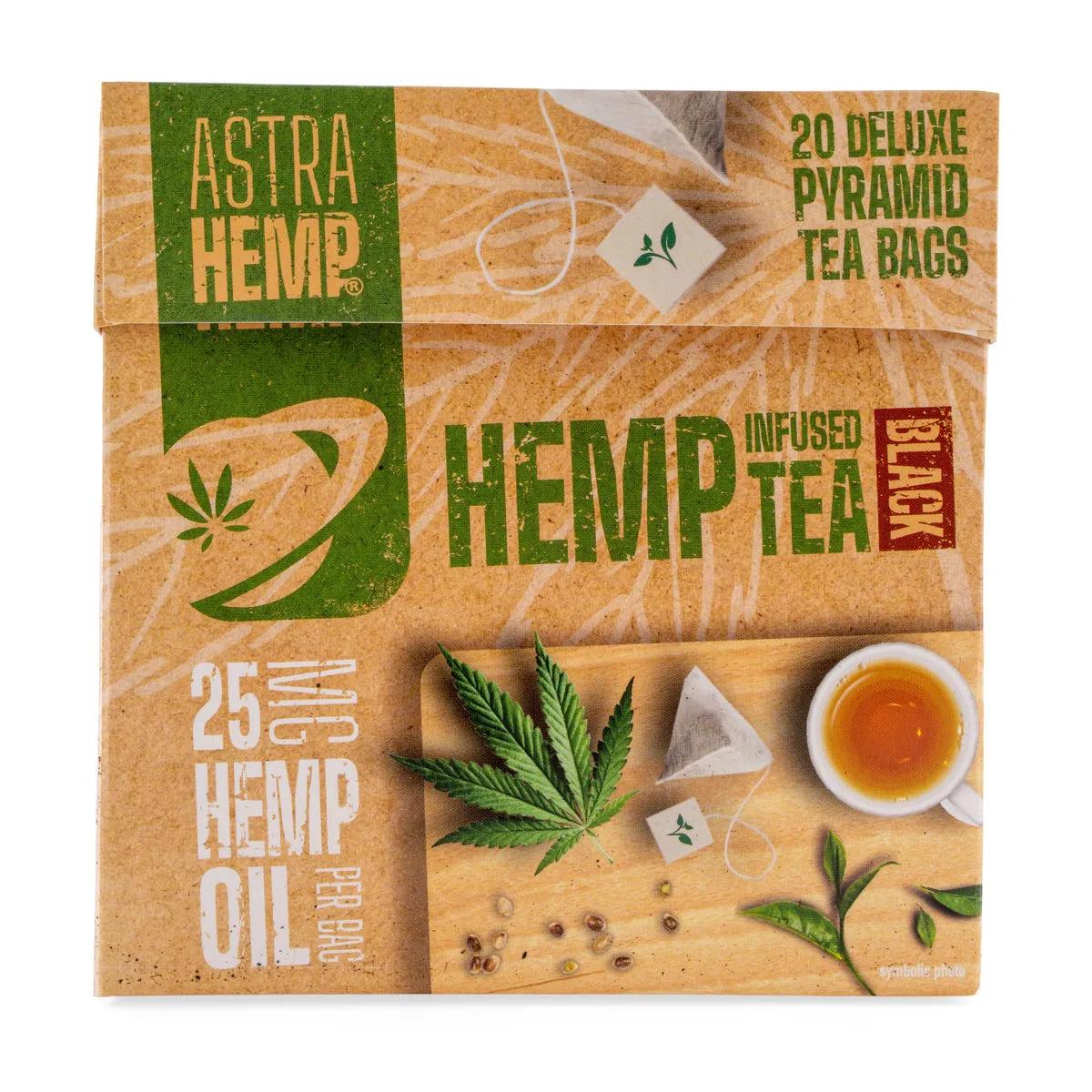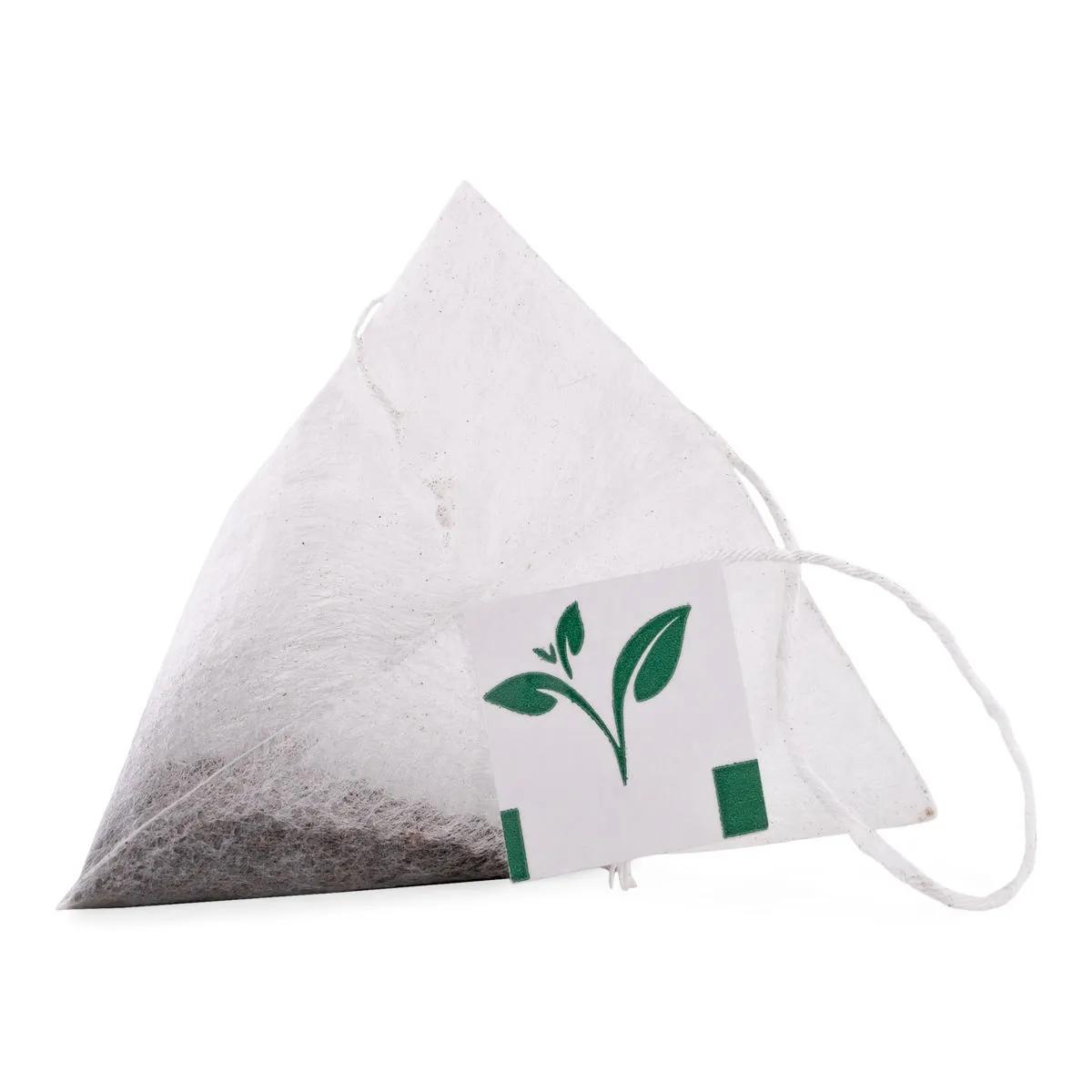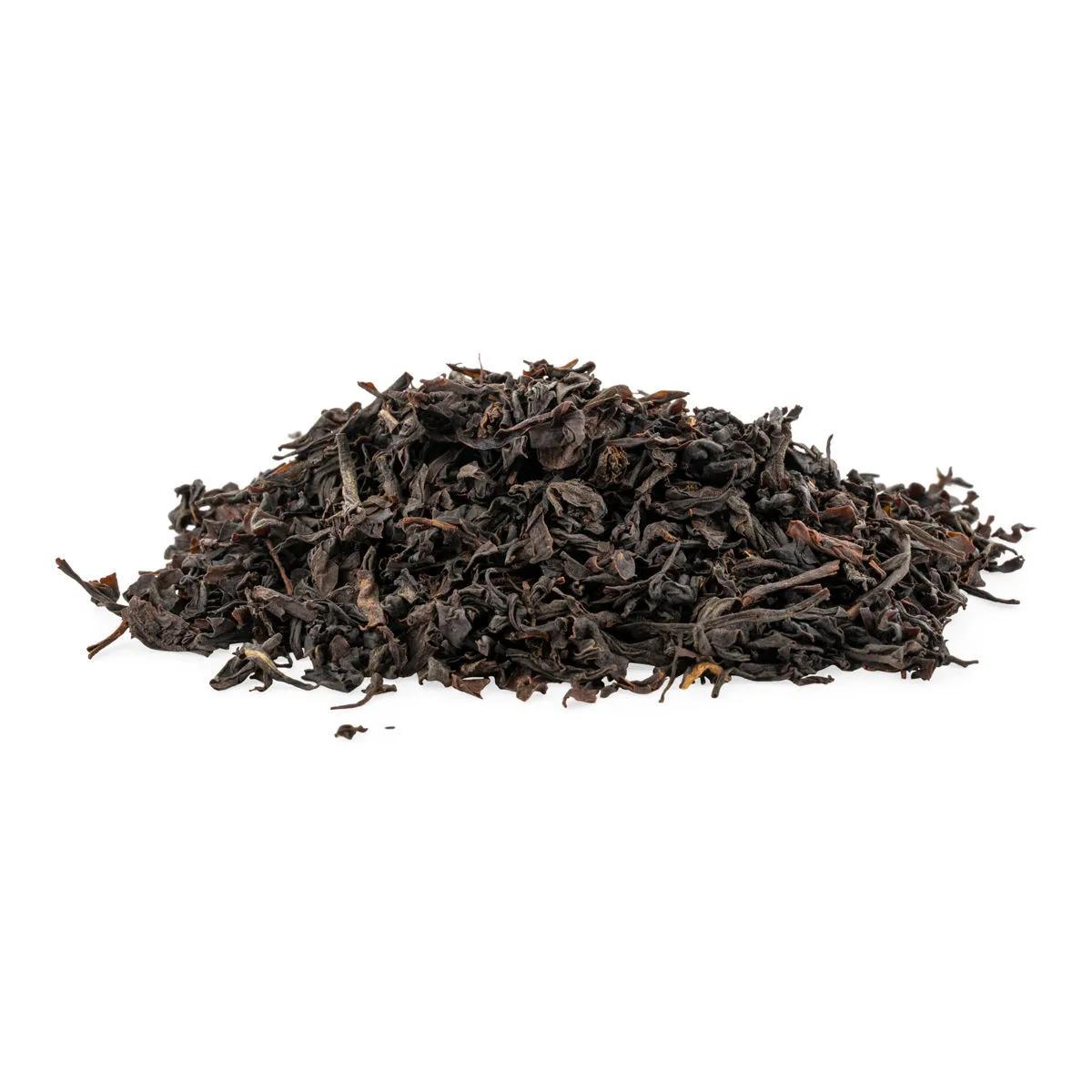
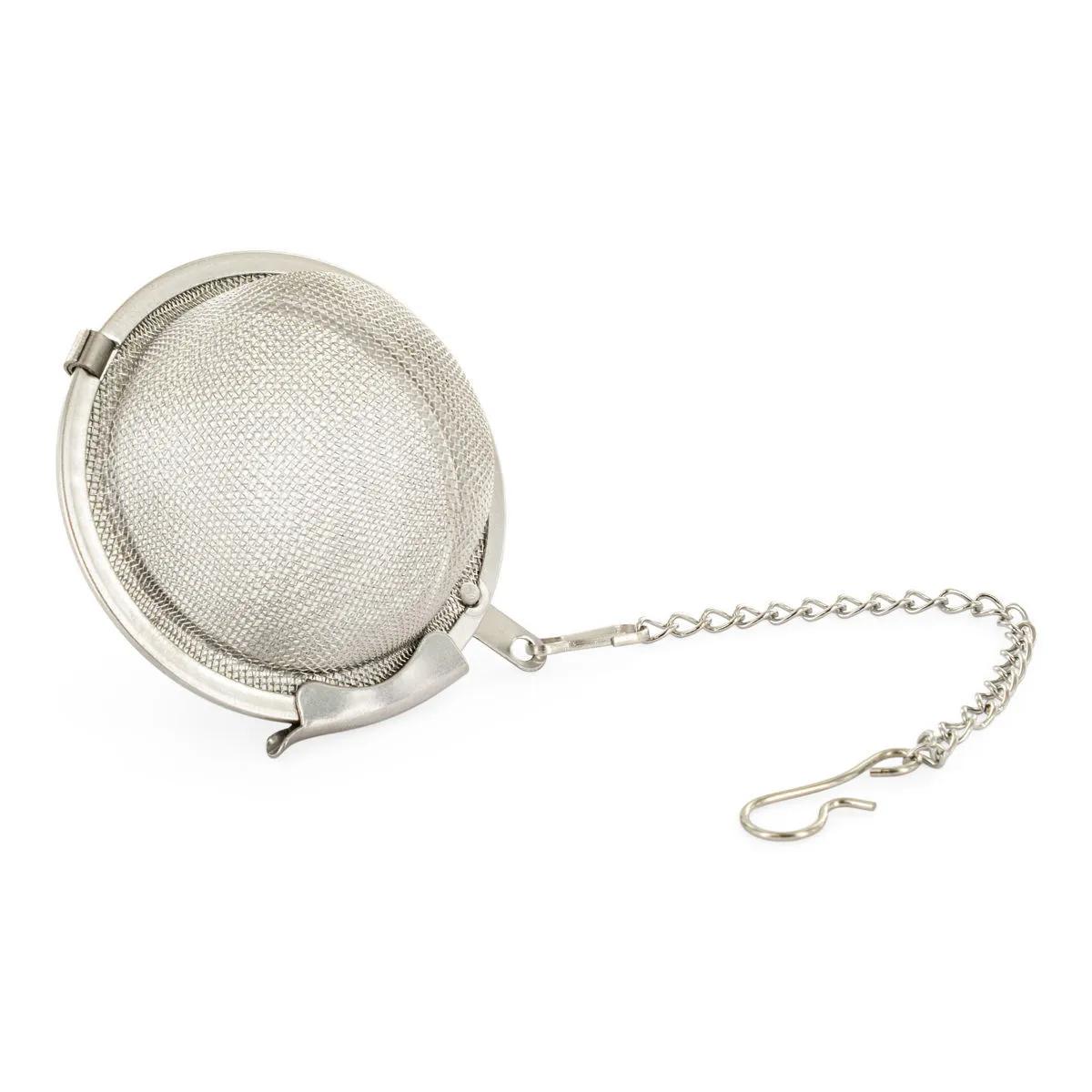
A tea infuser is a stainless steel brewing tool that holds loose-leaf tea inside a perforated chamber, letting water circulate through the leaves while keeping them out of your cup. This little ball-shaped one measures about 5 cm across, weighs just 14 g, and comes with a chain so you can hang it over the mug rim and lift it out when your brew's ready.
Why bother with a tea infuser?
Because loose-leaf tea tastes better than tea bags, and you need something to hold the leaves. That's the whole story. Pre-packed bags are usually filled with tea dust and fannings — the dregs left over after the good stuff gets sorted for loose-leaf sale. With an infuser, you can buy proper whole-leaf tea, control your dose, and skip the microplastics that most commercial tea bags shed into hot water.
This one's the classic ball design — two stainless steel hemispheres that clip shut with a small latch, attached to a fine chain with a hook on the end. You spoon your tea in, close the ball, and dangle it in your mug. The chain stops you from fishing around with a spoon trying to rescue it, which is how most people end up scalding their fingers.
Specifications
| Material | Stainless steel |
| Shape | Ball / sphere |
| Diameter | Approximately 5 cm |
| Weight | 14 g |
| Closure | Hinged clasp |
| Chain | Yes, with hook for mug rim |
| SKU | SM0814 |
How much tea should you put in it?
For a standard 200-250 ml mug, aim for around 2-3 grams of loose leaf — roughly a heaped teaspoon. If you're using larger leaves (whole-leaf oolong, white tea, some herbal blends), fill the ball about 60-70% full to give the leaves room to expand. Packing it solid is the number one mistake we see. Water needs space to move through the leaves, otherwise the centre stays dry and your brew comes out weak.
Brewing guidance by tea type — these are general steeping ranges, adjust to taste:
| Tea type | Water temp | Steep time |
|---|---|---|
| Green tea | 70-80 °C | 2-3 minutes |
| Black tea | 95-100 °C | 3-5 minutes |
| White tea | 75-85 °C | 3-5 minutes |
| Oolong | 85-95 °C | 3-4 minutes |
| Herbal / rooibos | 100 °C | 5-7 minutes |
How to use it
- Open the ball by pressing the small clasp at the top.
- Spoon in 2-3 g of loose tea — fill no more than two-thirds, the leaves need room to unfurl.
- Close the ball until the clasp clicks shut.
- Hook the chain over the rim of your mug so the ball hangs inside.
- Pour hot water over the infuser at the correct temperature for your tea.
- Steep for the recommended time — don't forget it, bitterness creeps in fast with green and black teas.
- Lift by the chain, let it drip, and set it aside on a saucer.
- Rinse under hot water after use. Every few weeks, soak it in a vinegar-water mix to break down tannin buildup.
Honest limitations
This is a ball infuser, not a basket. That means two things. One: very fine teas like rooibos shreds, matcha dust, or finely cut herbal blends can escape through the holes. For those, a paper filter or a fine-mesh basket infuser works better. Two: large whole-leaf teas — think big oolong balls or white tea with long leaves — won't get enough room to open up properly in a 5 cm sphere. You'll still get a cup of tea, just not the full flavour the leaves are capable of.
For most everyday cut-leaf teas (English breakfast, Earl Grey, standard green tea, chai blends, most herbal mixes), this ball is exactly the right tool. It's the one we'd hand to anyone making the switch from bags to loose leaf for the first time.
Pairs well with any of our loose-leaf teas — herbal blends, green tea, rooibos, chai. If you prefer very fine-cut blends or matcha, consider a fine-mesh basket infuser instead, which traps smaller particles.
What the research says about tea
A proper infuser gets you brewing real loose-leaf tea, and loose-leaf opens the door to what the research actually looks at. According to a 2022 clinical trial on green tea infusion and energy expenditure (PubMed 35331535), researchers studied 21 participants in an open-label, crossover, randomised trial. A 2014 study on green versus sour tea (PubMed 25242840) observed changes in fasting blood insulin from 8.5 to 6.6 μIU/mL in the green tea group. Research on L-theanine, an amino acid found in tea leaves, has observed stress-related effects (PMC11477503). A 2019 review on tea bioactive compounds discussed cardiovascular mechanisms in clinical trials (PMC6617169). These findings relate to the tea itself, not the infuser — but the infuser is what gets whole-leaf tea into your cup at the doses used in this research.
Frequently Asked Questions
Will tea leaves escape through the holes?
With standard cut-leaf tea, no. With very fine teas like rooibos shreds, finely cut herbal blends, or tea dust, some particles will pass through. For those, a fine-mesh basket or a paper filter works better. High-quality whole-leaf teas rarely cause problems.
Can I use the same infuser for different teas?
Yes, but rinse it thoroughly between uses. Stainless steel doesn't hold flavours the way plastic does, but strong teas (black, chai, smoky lapsang) can leave a residue that affects delicate teas like white or green. A quick rinse under hot water is usually enough.
Is it dishwasher safe?
Yes. Stainless steel handles the dishwasher fine. That said, a rinse under hot water after every use is usually all you need. For deeper cleaning, soak in a vinegar-water solution every few weeks to dissolve tannin buildup.
Can I use it for coffee?
Yes — it works for a quick cup of immersion-style coffee. Use a medium-coarse grind, spoon it in (no more than two-thirds full), and pour over hot water. It's not going to match a French press, but in a pinch it produces a drinkable cup.
Will the infuser rust?
Under normal use, no. Stainless steel doesn't rust or degrade in contact with hot water and tea. Over time you may see darker spots where tannins have built up — that's seasoning, not rust, and it scrubs off with a bit of bicarb or a vinegar soak.
How much tea should I put in it?
Around 2-3 g for a 200-250 ml mug — roughly a heaped teaspoon. Fill the ball no more than two-thirds full so the leaves have room to expand. Packing it solid means water can't circulate properly and your brew ends up weak.
Does it work with medications?
The infuser itself is just a brewing tool, but some teas can interact with medications. Green tea may affect plasma concentrations of simvastatin and a handful of other drugs, and some herbal teas interact with blood thinners, antidepressants and pain relievers. If you're on regular medication, check with your pharmacist before drinking tea daily.
Last updated: April 2026