Herbshop
by Holy Flavour
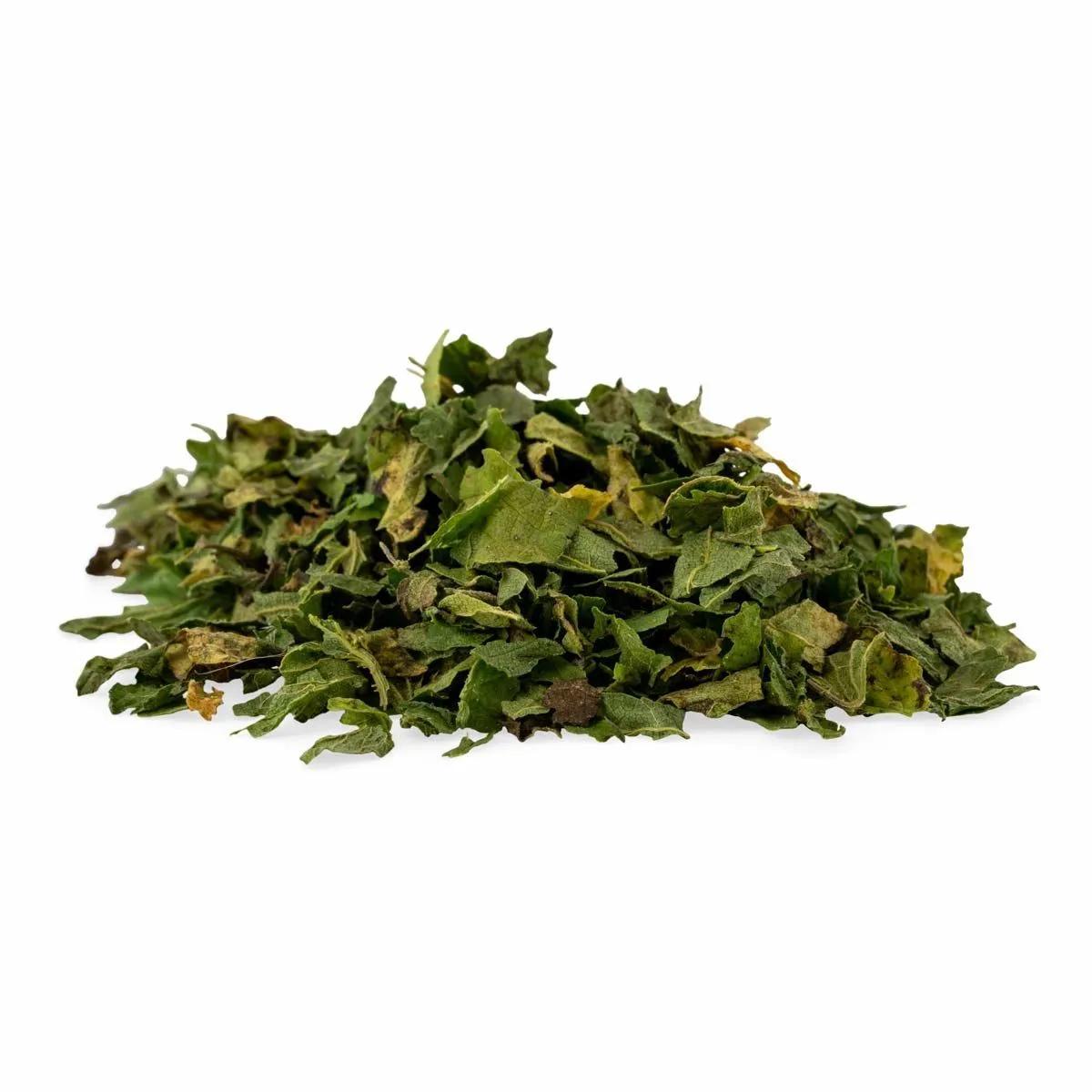
Organic nettle leaves are a nutrient-dense dried herb that packs a surprising amount of vitamins, minerals, and antioxidants into every teaspoon. Urtica dioica has been a staple in traditional herbal practices across Europe for centuries — and for good reason. These shredded, certified organic leaves brew into a smooth, mild tea with a flavour somewhere between spinach and cucumber, and they work just as well tossed into soups, stews, and smoothies.
Nettle is one of those herbs that punches well above its weight. The dried leaves contain vitamins A, C, E, K, and several B vitamins, along with meaningful amounts of iron and calcium. That mineral and antioxidant profile is why nettle has been a go-to in folk herbalism from Scandinavia to the Mediterranean — people have been steeping these leaves for hundreds of years.
And the research is catching up. According to a review published in PMC, "a variety of in vitro, in vivo, and clinical studies" have evaluated the beneficial properties of nettle across different applications (PMC, 2022). Separately, research into the medicinal chemistry of Urtica dioica reported antihypertensive effects from isolated fractions of nettle extract (PMC, 2023). A randomised, double-blind clinical trial also evaluated the additive effect of nettle on reducing signs and symptoms of allergic rhinitis (PMC, 2018). And a 2024 study from Morocco observed that Urtica dioica extract "significantly reduced inflammation by 47.4% and 57.0%, respectively, compared to the control group" (PMC, 2024).
None of this means your morning cup of nettle tea is a medicine — but it does mean the plant is genuinely interesting from a nutritional and research standpoint. We've stocked nettle leaves since the early days of the shop, and it remains one of the most-requested dried herbs in our herbshop category. Quiet performer, no hype.
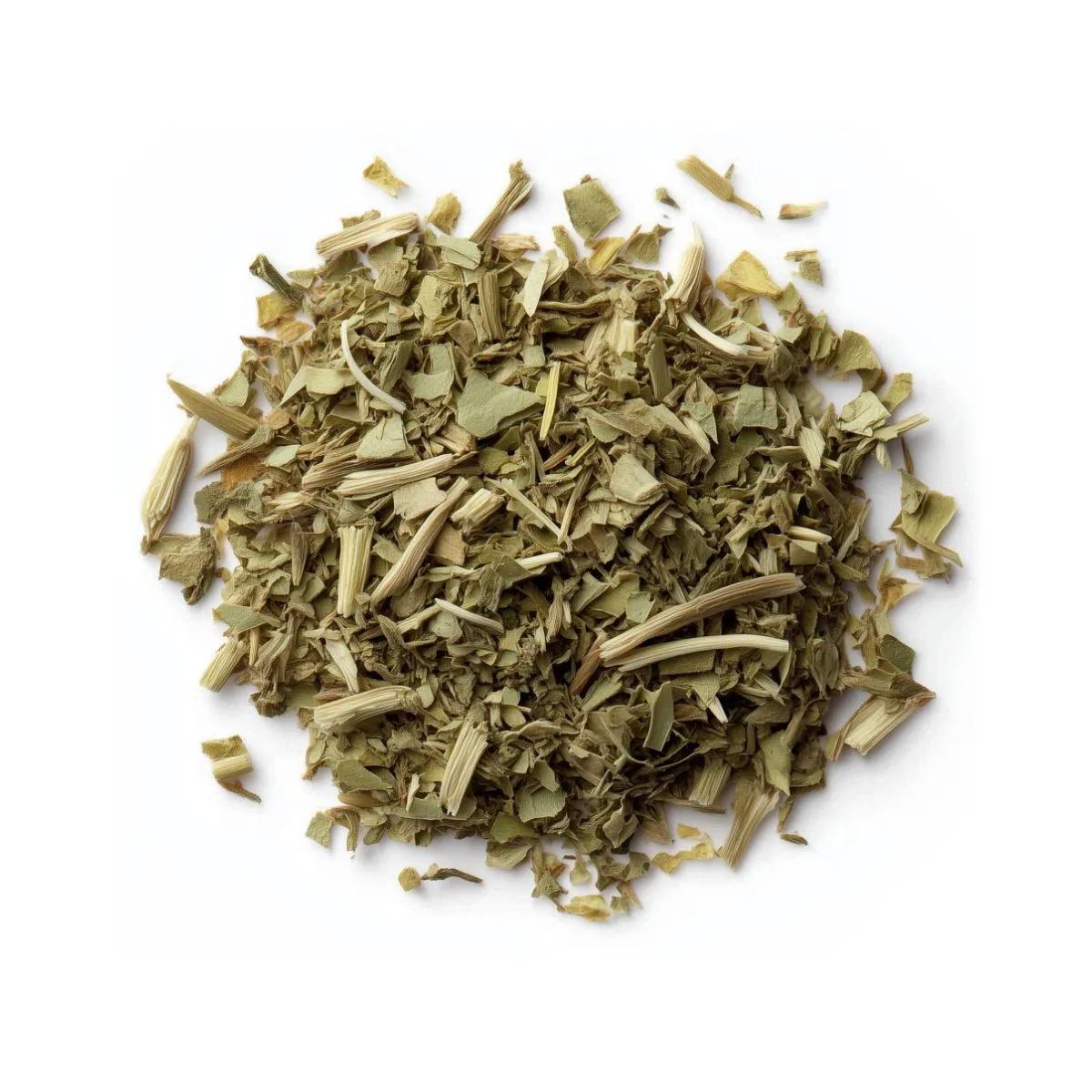
Open the bag and you get a dry, grassy, slightly earthy scent — nothing overpowering. The shredded cut is fine enough to steep efficiently but coarse enough that you won't end up with a mouthful of leaf dust if you skip a strainer. Brewed as tea, the flavour is genuinely mild: green, vegetal, with that spinach-meets-cucumber character the plant is known for. There's no bitterness to speak of, which makes it one of the easier herbal teas to drink straight without honey or sweetener.
The one honest limitation: nettle tea on its own isn't going to blow your mind flavour-wise. It's subtle. If you're used to bold herbal blends, you might find it a bit understated. That said, the mildness is actually an advantage — it blends beautifully with stronger herbs like peppermint, lemon balm, or chamomile without competing. Think of it as the bass player in your herbal tea band: not flashy, but everything sounds better with it in the mix.
| Spec | Value |
|---|---|
| Botanical Name | Urtica dioica |
| Common Name | Stinging Nettle |
| Part Used | Leaves |
| Cut | Shredded |
| Certification | Organic |
| Ingredients | 100% nettle leaves |
| Dietary | Vegan, Vegetarian |
| Key Vitamins | A, C, E, K, B-complex |
| Key Minerals | Iron, Calcium |
| SKU | HE0046 |
| Storage | Cool, dry, dark place once opened |
Clinical studies on nettle have used dried leaf in dosages ranging from 600mg of freeze-dried material up to 1,200mg daily, depending on the form and duration of the study. One clinical trial administered two capsules of 300mg each, taken twice a day, over an 8-week period. A single teaspoon of dried leaves weighs roughly 1–2g, so a daily cup sits comfortably within the ranges observed in research.
We get a lot of customers who buy nettle leaves as a daily tea — the kind of thing you drink in the morning alongside breakfast, or in the evening when you want something warm but caffeine-free. It's also popular with folks who blend their own herbal mixes at home. Nettle's mild flavour makes it one of the best base herbs for custom blends because it adds nutritional depth without overpowering whatever else you've got in the cup.
The other use we see regularly: cooking. Dried nettle leaves rehydrate well in liquid-based dishes. A few customers have told us they use them in homemade pasta dough for colour and a subtle green flavour. We haven't tried that one ourselves, but the idea is sound — if it works with fresh spinach, dried nettle should do the job.
Compared to something like chamomile or valerian root, nettle is less about a specific traditional use and more about everyday nutrition. It's the kind of herb you keep stocked because it goes with everything and adds value to whatever you're making. If you want a single-ingredient herbal tea that's genuinely good for daily drinking, nettle leaves are where we'd point you first.
Building your own herbal tea blend? Nettle pairs particularly well with Chamomile Flowers for an evening cup, or with Peppermint Leaves if you want something brighter and more refreshing. Both are available in our herbshop and make a solid foundation alongside nettle for a three-herb daily rotation.
Dried nettle leaves are generally well tolerated as a tea or food ingredient. Fresh stinging nettle can cause skin irritation on contact — that's the "stinging" part — but dried leaves have lost those trichomes entirely, so no worries there. According to research into the anti-inflammatory and antinociceptive effects of U. dioica, antibacterial and antifungal properties have also been reported for nettle extracts (PMC, 2014).
That said, if you're on blood thinners, blood pressure medication, or diuretics, it's worth speaking with your GP before making nettle tea a daily habit. The vitamin K content alone is something to be aware of if you're managing anticoagulant therapy. And if you're allergic to plants in the Urticaceae family, give this one a miss.
Mild, green, and slightly vegetal — most people compare it to a cross between spinach and cucumber. There's no bitterness, which makes it easy to drink without sweetener. It's one of the mildest herbal teas you can brew.
Yes. Toss them into soups, stews, risottos, or smoothies. They rehydrate quickly in liquid and add an earthy, spinach-like flavour along with vitamins A, C, K, iron, and calcium. Around a tablespoon per serving is a good starting point.
About 10 minutes in just-boiled water. You can go longer — up to 15–20 minutes — for a stronger mineral extraction without the flavour turning bitter. One teaspoon of shredded leaves per cup is the standard measure.
Urtica dioica is indeed stinging nettle. The drying process eliminates the stinging trichomes entirely, so dried leaves won't irritate your skin or mouth. You can handle and brew them without gloves.
Many people do. Clinical studies have used nettle preparations daily over periods of 6 to 9 weeks without notable adverse effects. If you're on medication — particularly blood thinners or blood pressure drugs — check with your doctor first due to nettle's vitamin K and mineral content.
Yes. These are certified organic, shredded nettle leaves. The ingredient list is exactly one item: nettle leaves. No fillers, no additives, no blending agents. Vegan and vegetarian friendly.
Keep the bag in a cool, dry, dark place — a kitchen cupboard away from the hob works fine. Avoid humidity and direct sunlight, which degrade the leaf quality over time. Sealed properly, they'll keep for months.
Last updated: April 2026
Medical disclaimer. This content is for informational purposes only and does not constitute medical advice. Consult a qualified healthcare provider before use of any substance.