Passionflower
by Indian Spirit
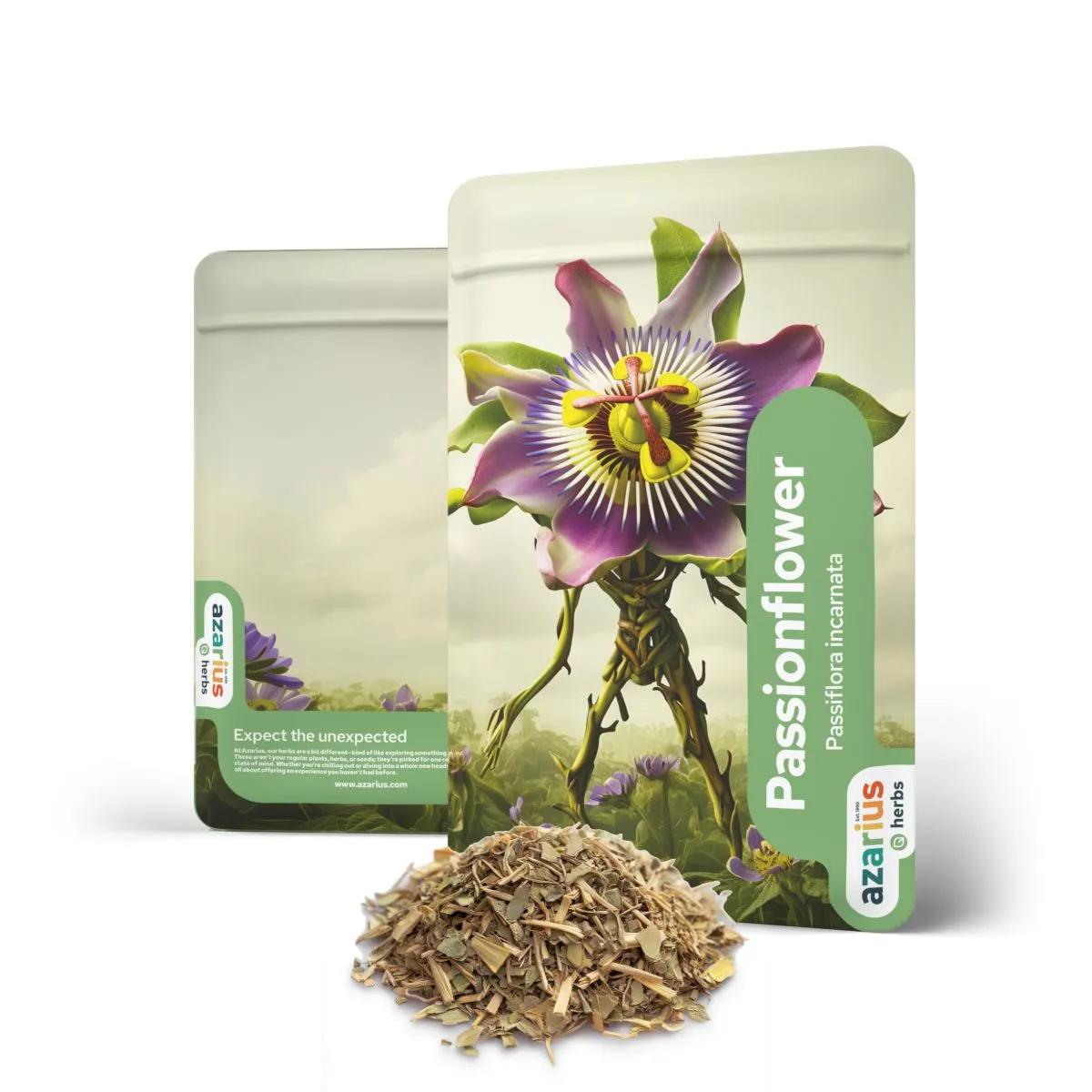
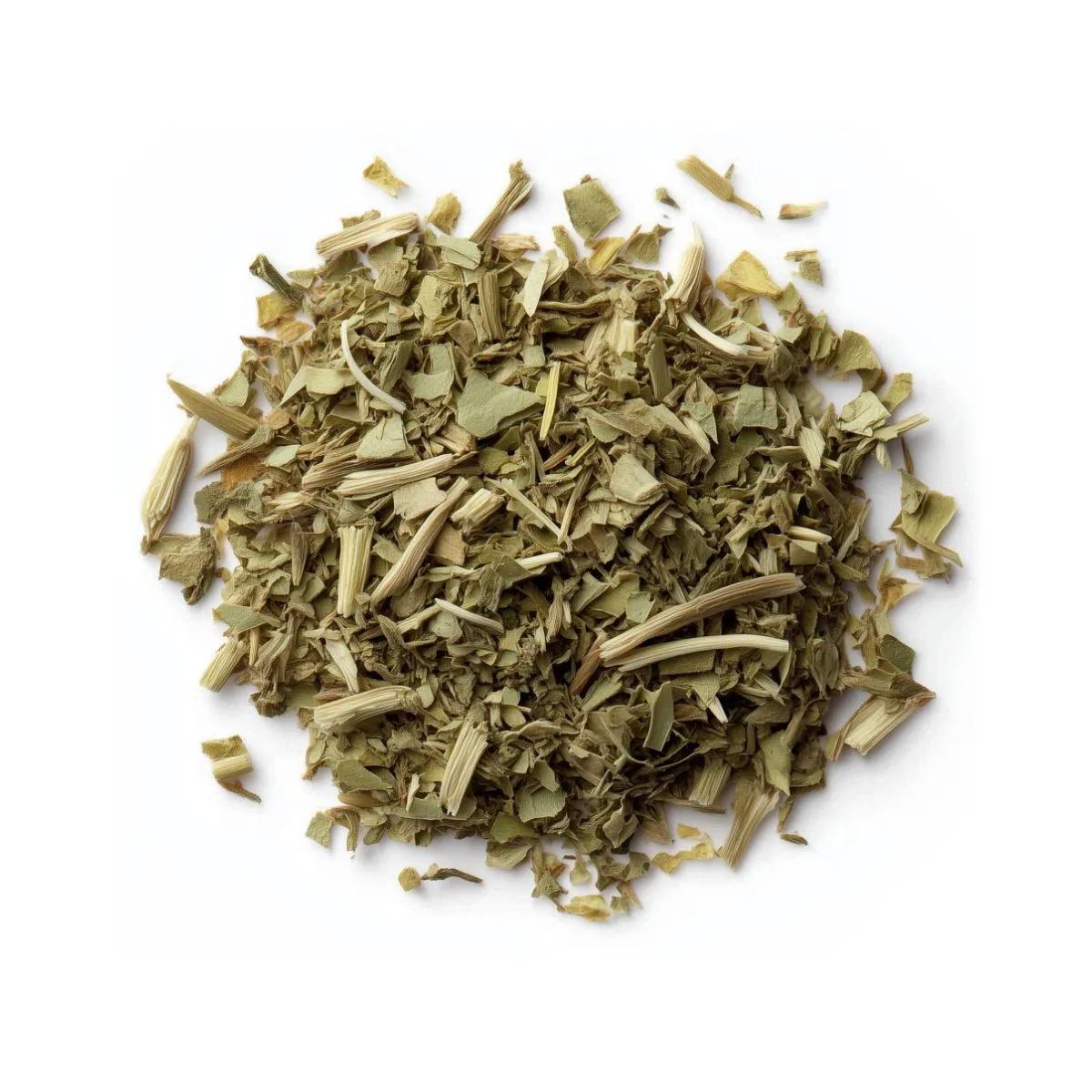
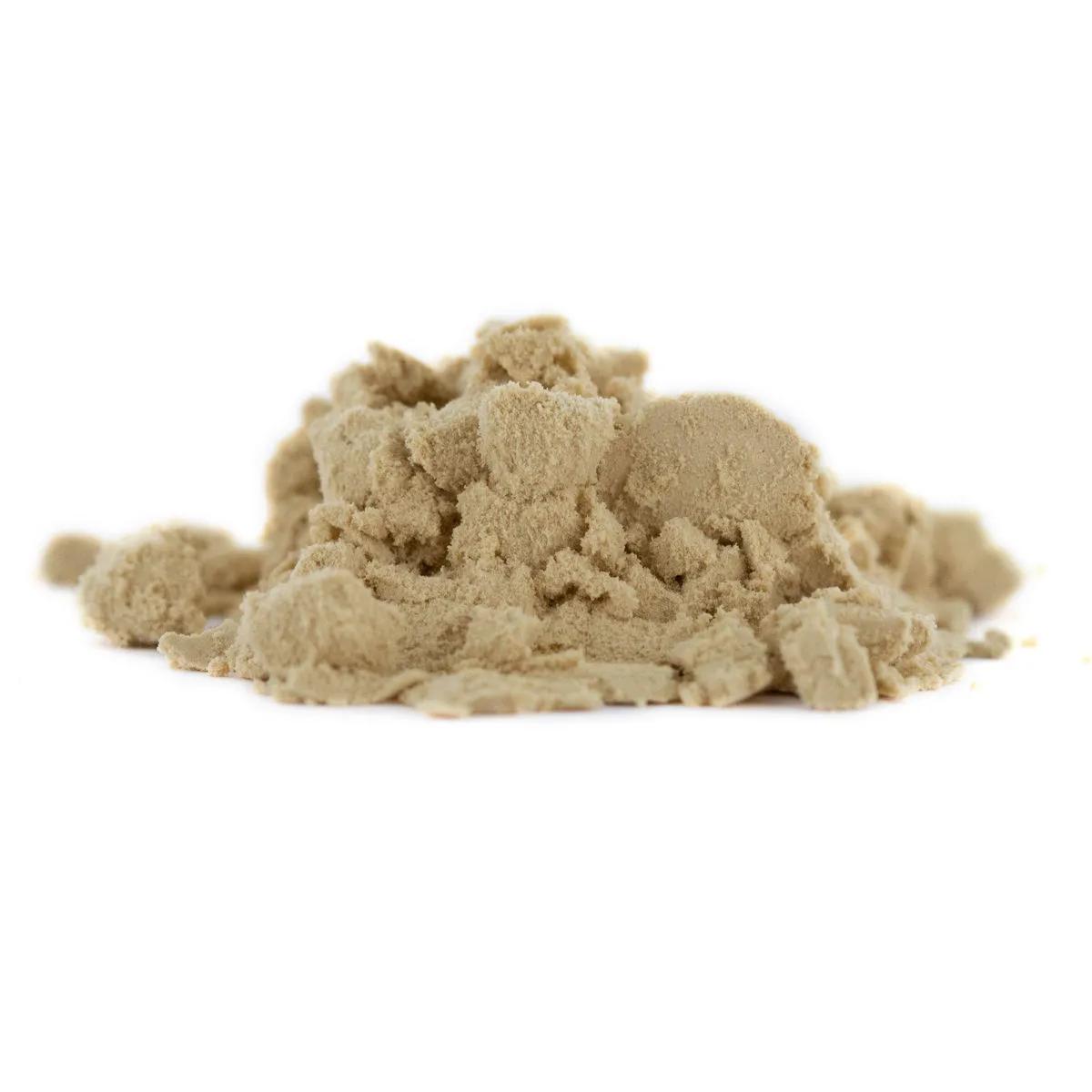
Passionflower 10x extract is a concentrated 10:1 preparation of Passiflora incarnata that condenses roughly ten grams of dried herb into every single gram of fine powder. Brewed across the Americas and southern Europe for centuries as a calming evening tea, this extract gives you a practical shortcut to one of the most well-documented relaxation herbs on the shelf — without filling half your cupboard with loose plant matter. Where a standard passionflower tea calls for 2–4 grams of dried herb per cup, this 10x extract puts you in the same neighbourhood with just 0.3–0.5 grams. That's the difference between a heaped tablespoon and a small pinch.
A 10x concentration ratio means you use a fraction of the material per cup. If you've ever tried brewing loose passionflower herb, you know the drill: big bag, bulky leaves, and a strainer full of soggy green matter afterwards. This extract skips all of that. Weigh out 0.3–0.5 grams on a milligram scale, steep it in hot water for 10–15 minutes, and you're done. One small pouch lasts far longer than an equivalent bag of dried herb, and it takes up about as much space as a box of matches.
The active profile stays intact through the concentration process. Passiflora incarnata contains flavonoids — primarily chrysin and vitexin — alongside harmala alkaloids such as harmine and harmaline. Scientists believe these compounds interact with gamma-aminobutyric acid (GABA) receptors in the brain. According to a systematic review of nine clinical trials published in Frontiers in Pharmacology (Janda et al., 2020), Passiflora incarnata demonstrated anxiolytic properties across multiple study designs. A separate trial (Akhondzadeh et al., 2001) compared passionflower to oxazepam in 36 outpatients diagnosed with generalised anxiety disorder and found comparable outcomes over a four-week period, with passionflower producing less impairment of job performance.
The flavour is earthy, slightly bitter, and distinctly vegetal — somewhere between green tea left to steep too long and the smell of a freshly mown field. Not unpleasant, but not something you'd serve to impress a date. A squeeze of honey or a slice of lemon rounds it off nicely. The colour in the cup is a murky yellow-green, and there's a faint grassy aroma that's actually quite pleasant once you get used to it. Compared to valerian tea, which can smell like old socks left in a gym bag, passionflower is positively civilised.
The honest limitation: this is a subtle herb. If you're expecting something that knocks you sideways after one cup, you'll be disappointed. Passionflower is traditionally used as a gentle wind-down, not a sledgehammer. We've had customers come back saying they noticed the difference most on the second or third evening, once they'd built it into a routine. It pairs well with dimmed lights and a book — less well with doom-scrolling on your phone until 2 a.m.
| Herb | Taste | Onset | Character | Practical Notes |
|---|---|---|---|---|
| Passionflower 10x Extract | Earthy, mildly bitter | 30–60 minutes | Gentle, subtle calm | 0.3–0.5 g per cup; compact pouch |
| Valerian Root | Strong, musty, pungent | 30–60 minutes | Heavier sedation | Unmistakable smell; hard to mask |
| Kava Kava | Peppery, numbing | 15–30 minutes | More pronounced body relaxation | Requires kneading preparation; stronger effects |
If valerian is too pungent and kava too involved, passionflower sits comfortably in between — milder in effect, far more pleasant in the cup, and dead simple to prepare. It's the best option for a nightly tea ritual that doesn't require holding your nose or spending fifteen minutes kneading a muslin bag.
| Spec | Value |
|---|---|
| Botanical name | Passiflora incarnata |
| Extract ratio | 10:1 (10 g dried herb per 1 g extract) |
| Form | Fine powder |
| Key compounds | Flavonoids (chrysin, vitexin), harmala alkaloids (harmine, harmaline) |
| Observed dose range in research | 0.3–0.5 g extract as tea (equivalent to approx. 3–5 g dried herb) |
| Preparation | Steep in hot water for 10–15 minutes |
| SKU | SM0160 |
Building an evening wind-down shelf? Valerian Root pairs well with passionflower for those who want to alternate between the two. If you're after something to complement the calming tea with a different mechanism, have a look at our Blue Lotus — a different character entirely, but another traditional evening herb worth knowing about.
We've carried dried passionflower herb for years, and the number one complaint was always the same: you need so much of it per cup. A 50-gram bag of loose herb gives you maybe 12–25 cups. The same weight in 10x extract? Closer to 100–160 cups. The maths alone makes the concentrated version more practical for anyone who drinks this regularly.
There's also the storage issue. Dried passionflower herb is bulky and loses potency faster once the bag is opened and exposed to air and light. A concentrated extract in a sealed pouch holds up better over time and takes up a tenth of the space. If your kitchen cupboard already looks like a small apothecary, this is the format that actually fits.
One thing to flag: passionflower contains harmala alkaloids, specifically harmine and harmaline. These are monoamine oxidase inhibitors (MAOIs) at sufficient doses. At the amounts present in a single cup of passionflower tea, the MAOI activity is minimal — but it's worth being aware of if you're combining this with other substances or medications that interact with MAO enzymes. According to the NCCIH (National Center for Complementary and Integrative Health), passionflower is generally well tolerated, but drowsiness and dizziness are the most commonly reported side effects.
Clinical studies on Passiflora incarnata have used doses equivalent to roughly 2–5 grams of dried herb. With a 10:1 extract, that translates to 0.3–0.5 grams per cup. Use a milligram scale for accuracy — a kitchen spoon won't cut it at these amounts.
Yes. Passiflora incarnata contains harmala alkaloids — harmine and harmaline — which are monoamine oxidase inhibitors. At typical tea doses the MAOI activity is low, but be mindful of this if you use other substances or medications that interact with MAO enzymes.
Traditionally, the two have been combined in herbal tea blends. Both act on GABA pathways but through different mechanisms. Start with passionflower on its own first so you know how you respond to it individually before adding anything else to the cup.
Earthy, mildly bitter, and vegetal — think over-steeped green tea crossed with freshly cut grass. Not terrible, but not delicious either. A spoonful of honey or a squeeze of lemon makes it genuinely pleasant.
They're related. Passiflora incarnata (the species used here) does produce an edible fruit, but the extract is made from the aerial parts — leaves, stems, and flowers — not the fruit. The flavour profile is completely different from passion fruit juice.
Most people notice the effects within 30–60 minutes. It's a gradual, gentle shift rather than a sudden onset. Drinking it on an empty stomach tends to speed things up slightly. According to a study in Phytotherapy Research (Ngan & Conduit, 2011), improvements in sleep quality were observed after seven days of regular consumption.
According to the NCCIH, the most commonly reported side effects are drowsiness and dizziness. That's more or less the point if you're drinking it before bed, but avoid operating heavy machinery or driving after a strong cup. If you're pregnant, nursing, or on prescription medication, speak with a healthcare professional first.
Last updated: April 2026
Medical disclaimer. This content is for informational purposes only and does not constitute medical advice. Consult a qualified healthcare provider before use of any substance.