Incense & aromatherapy
by Satya
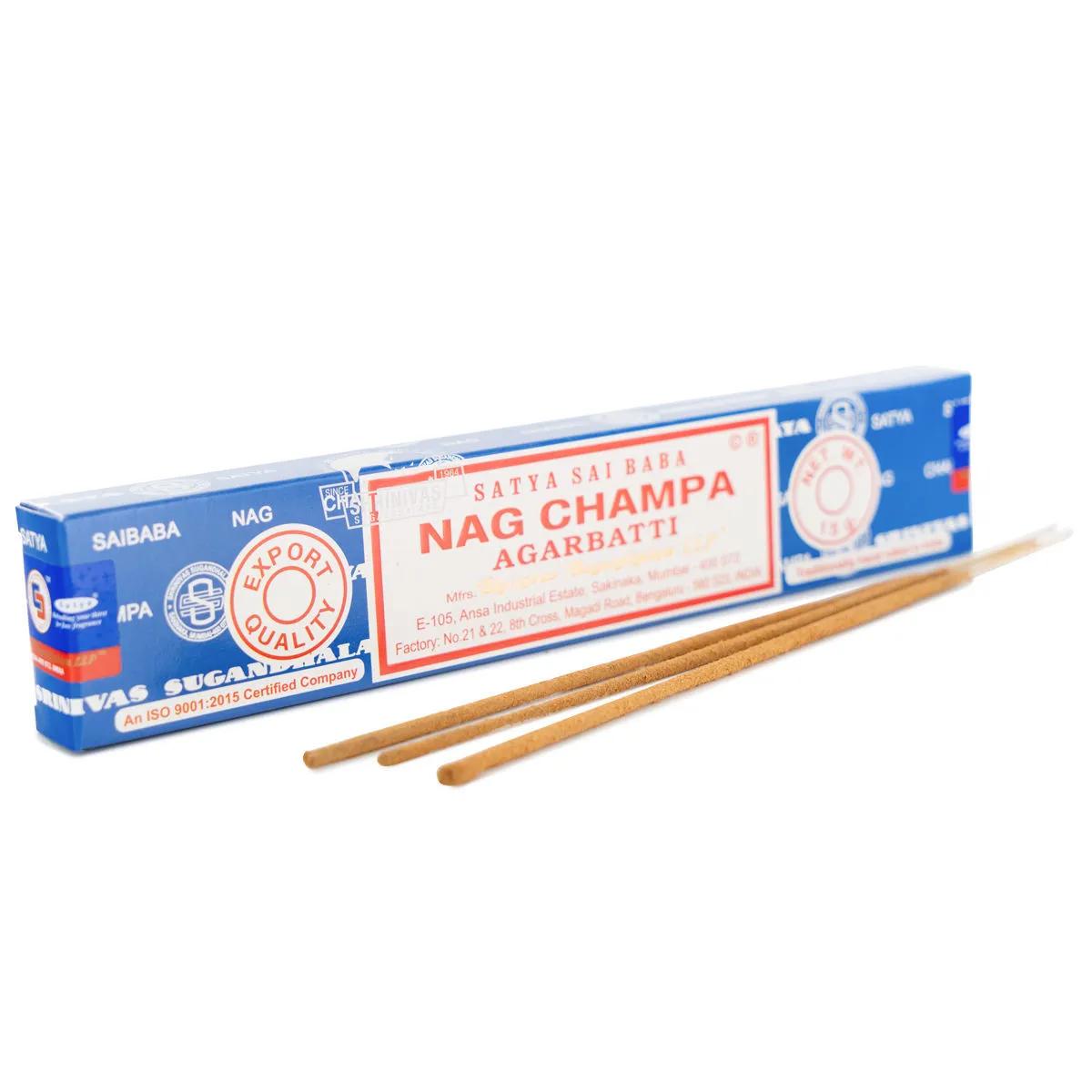
Sai Baba Nag Champa incense is a hand-rolled Indian incense stick that fills any room with a rich, sweet, musky aroma within seconds of lighting. Produced by Satya under the Sai Baba brand, this is the blue-boxed classic you've probably smelled in yoga studios, meditation rooms, and Amsterdam coffee shops since the 1970s. Each 15g box contains roughly 15 sticks, every one rolled by hand onto a bamboo core using a blend of natural oils, flowers, herbs, and resins. Burn time sits between 45 and 60 minutes per stick — long enough to carry you through a full meditation session or simply make your flat smell like something other than last night's dinner.
| Spec | Value |
|---|---|
| Brand | Satya (Sai Baba) |
| Type | Hand-rolled masala incense stick |
| Weight per box | 15 grams |
| Approx. sticks per box | ~15 |
| Weight per stick | ~1 gram |
| Burn time per stick | 45–60 minutes |
| Core | Bamboo stick |
| Ingredients | Natural oils, flowers, herbs, resins |
| Origin | India |
| SKU | SM0264 |
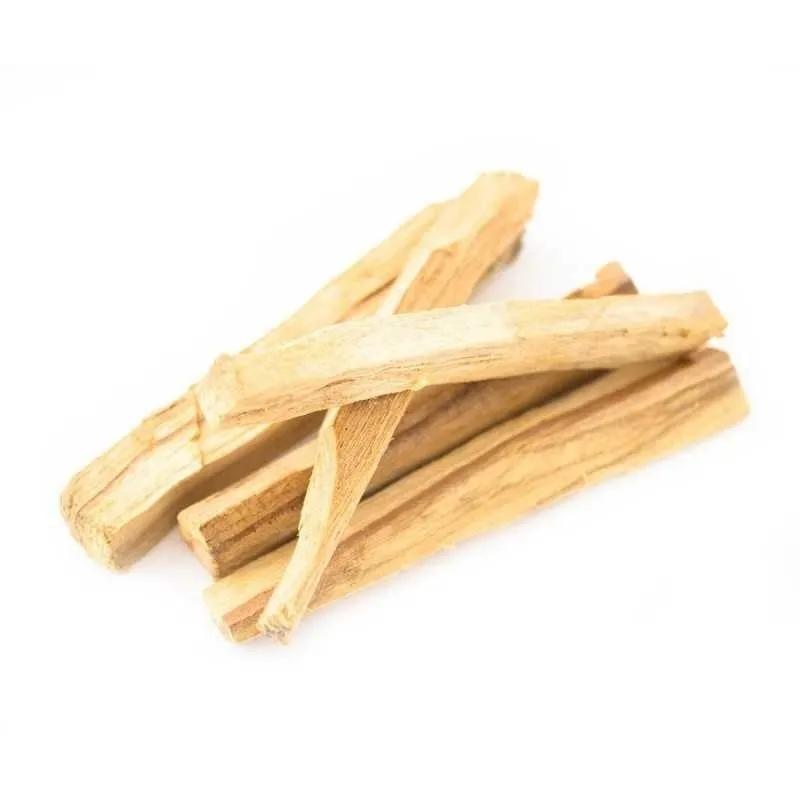
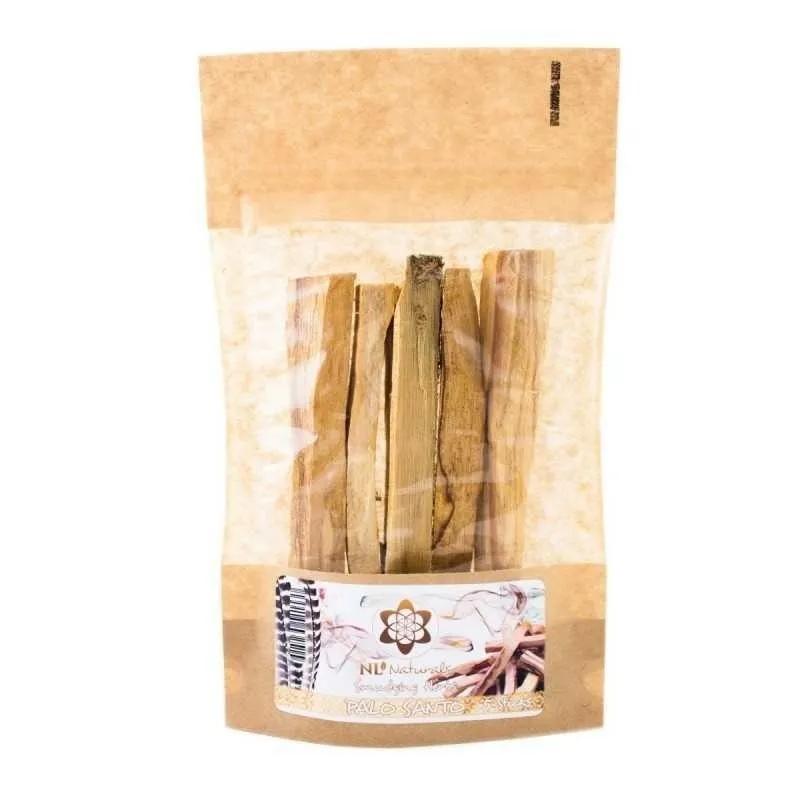
Burning incense without a proper holder is how you end up with ash on your carpet and a scorch mark on the shelf. Pair this Nag Champa with a wooden incense holder or a ceramic ash catcher to keep things tidy. If you enjoy the musky, resinous end of the scent spectrum, Palo Santo sticks make a brilliant companion — lighter, woodier, and perfect for layering with Nag Champa's sweetness.
There's a reason this particular incense has been the global bestseller for decades: the scent profile is unlike anything synthetic air fresheners can replicate. Nag Champa gets its character from a base of champaca flower and sandalwood, blended with halmaddi resin — a honey-like substance harvested from the Ailanthus malabarica tree. That resin is what gives the smoke its soft, slightly damp sweetness that clings to fabrics and lingers in a room for hours after the stick has burned out.
We've stocked Nag Champa at Azarius since the early days, and it's still one of the most grabbed items in the shop. Customers pick it up alongside truffles, alongside vaporisers, alongside nothing at all — just popping in because they ran out. That kind of repeat purchase tells you everything. The scent works for meditation, for masking cooking smells, for setting a mood before guests arrive, or simply because you like your room to smell good. Traditionally, incense burning has been used across Hindu and Buddhist practices to purify spaces and support focused attention during prayer or meditation.
The honest limitation? Nag Champa is intense. If you're sharing a small flat with someone who prefers neutral air, burning a full stick with the windows closed will be a conversation. In a well-ventilated room or a space larger than 15 square metres, it's glorious. In a 10-square-metre bedroom with the door shut, it can be overwhelming. Crack a window or burn half a stick — you'll still get 20–30 minutes of fragrance without hotboxing your housemates.
Describing incense scent in text is a bit like describing music — you really need to experience it. But here's our best shot after smelling thousands of sticks over 25 years: the first note when you light Sai Baba Nag Champa is a warm, powdery sweetness, almost floral. Within a minute, the sandalwood base comes through — creamy, woody, grounding. The halmaddi resin adds a faintly humid, earthy undertone that stops it from being too sweet. The overall impression is musky, warm, and unmistakably Indian temple. If you've ever walked past a yoga studio and caught a scent that made you pause, it was probably this.
Compared to something like Palo Santo, which is sharp, bright, and citrusy, Nag Champa sits at the opposite end — dense, enveloping, and slow. Compared to Japanese-style incense (like Nippon Kodo's Morning Star range), Nag Champa produces noticeably more smoke and a heavier scent trail. That's the masala-style construction: the paste is rolled directly onto the bamboo stick rather than being extruded, so the burn is thicker and the fragrance more saturated.
Roughly 15 sticks, since each stick weighs approximately 1 gram. The exact count can vary by a stick or two depending on how thickly each one was hand-rolled.
Between 45 and 60 minutes per stick. Thicker sticks from the same box tend to burn slightly longer. Airflow in the room also affects burn time — a draughty spot will speed things up.
Yes, with basic ventilation. Keep a window cracked so smoke doesn't accumulate. Use a proper incense holder on a heat-safe surface, and never leave a burning stick unattended. According to a 2025 case report in the ANCIPS proceedings, the active compounds in incense sticks and their effects on mood are still being studied, so moderation is sensible.
Nag Champa uses a specific blend centred on champaca flower and halmaddi resin, giving it that signature sweet-musky profile. Other Satya lines — like Sandalwood, Patchouli, or Super Hit — use different botanical blends. Nag Champa is the original and still the bestseller by a wide margin.
Absolutely — it's traditionally used in Hindu and Buddhist practices to mark sacred space and support focused attention. A single stick's 45–60 minute burn time lines up neatly with a standard meditation or yoga session. Light it a minute before you sit down so the scent has time to fill the room.
It's masala-style incense — a wet paste of oils, resins, and botanicals rolled directly onto bamboo. This produces a denser smoke trail than Japanese-style extruded incense. If you want less smoke, burn in a ventilated room or try half-sticks.
Keep the box sealed in a cool, dry place away from direct sunlight. The natural oils and resins can lose potency over time if exposed to heat or humidity. Stored properly, Nag Champa keeps its scent for well over a year.
Last updated: April 2026
Medical disclaimer. This content is for informational purposes only and does not constitute medical advice. Consult a qualified healthcare provider before use of any substance.