Incense & aromatherapy
by Satya
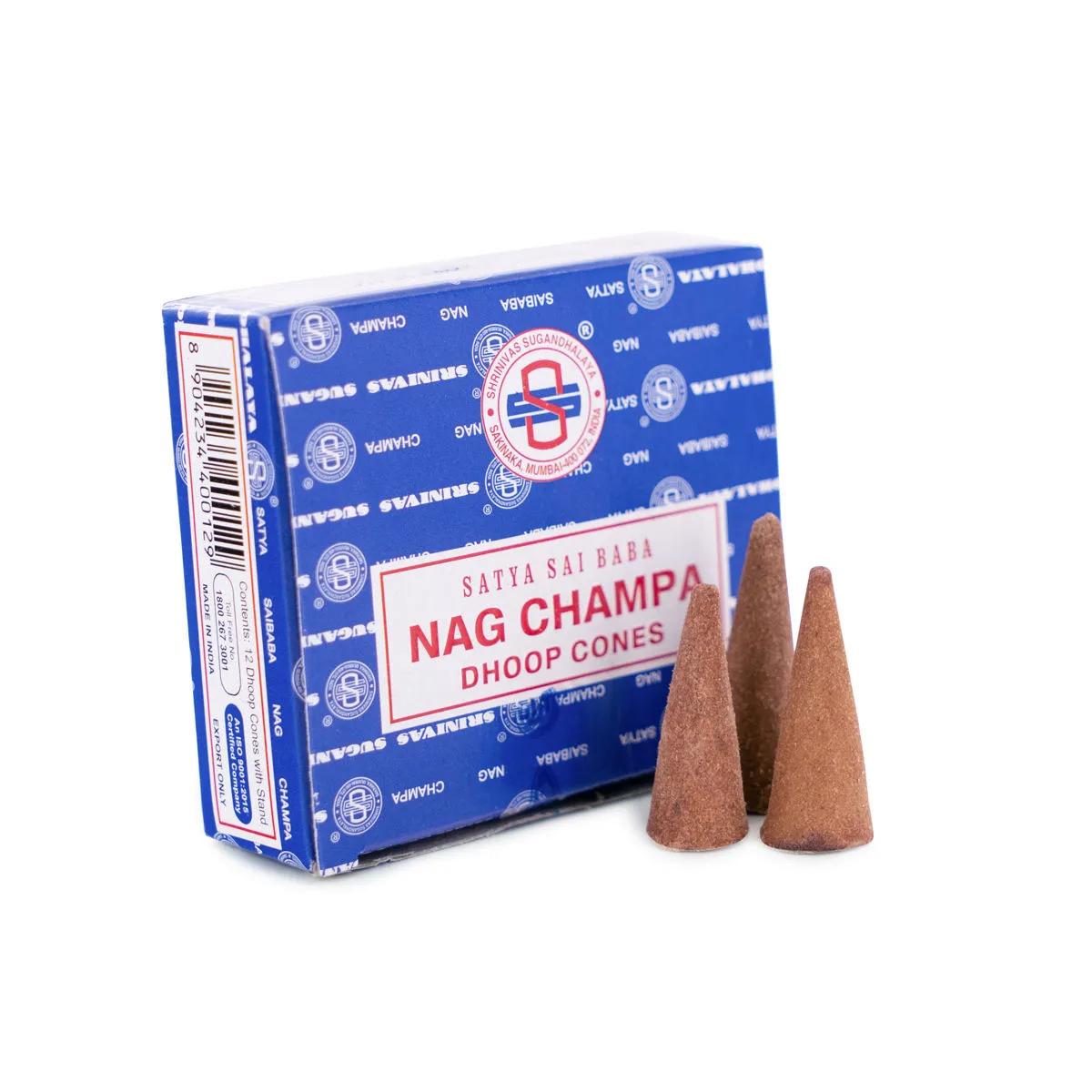
Nag Champa dhoop cones are hand-rolled Indian incense cones made from crushed champa flowers, natural herbs, and sandalwood paste that burn without a bamboo core for a denser, purer fragrance throw. Sai Baba Nag Champa Dhoop Cones fill a room with that unmistakable warm, resinous scent — the one you've smelled in every yoga studio, meditation space, and Amsterdam flat since the 1970s. These cones burn slow and thick, producing noticeably more concentrated smoke than standard incense sticks. Each pack comes with 12 cones and a small steel burning tray, so you're sorted straight out of the box. If you want to buy Nag Champa incense in cone format rather than the classic sticks, this is the original and still the benchmark.
| Spec | Value |
|---|---|
| Type | Dhoop incense cones (no bamboo core) |
| Fragrance | Nag Champa (champa flower, sandalwood, herbs) |
| Quantity | 12 cones per pack |
| Accessories included | Steel burning tray |
| Origin | India |
| Ingredients | Natural plant matter, herbs, champa flowers, sandalwood |
| SKU | SM0262 |
| Format | Burn Time | Smoke Density | Best For |
|---|---|---|---|
| Nag Champa dhoop cones | 20–25 minutes | Dense, concentrated | Short, intense scenting sessions |
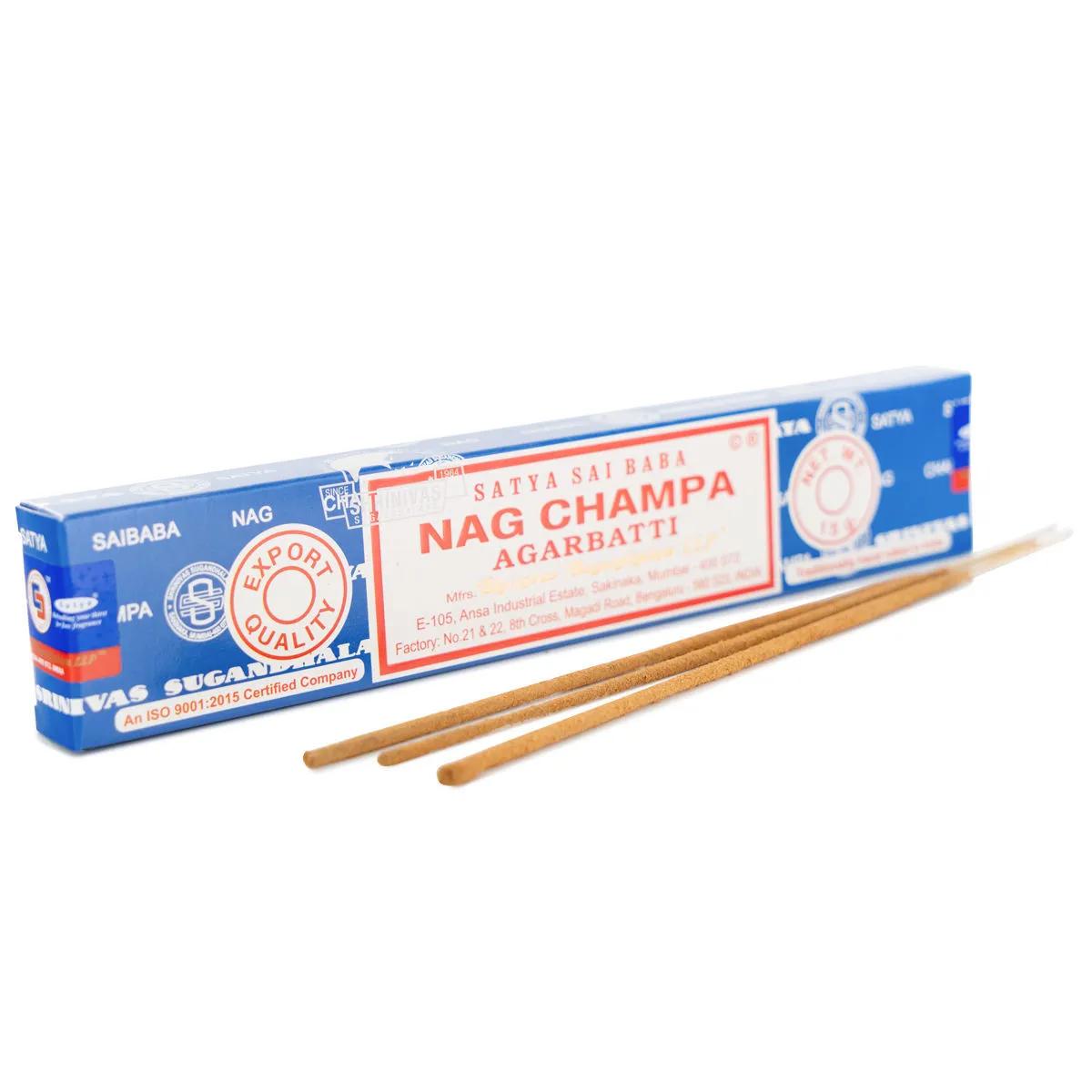
| Nag Champa incense sticks | 30–45 minutes | Light to moderate | Background fragrance over longer periods |
| Nag Champa backflow cones | 15–20 minutes | Moderate (downward flow) | Visual smoke effect with backflow burners |
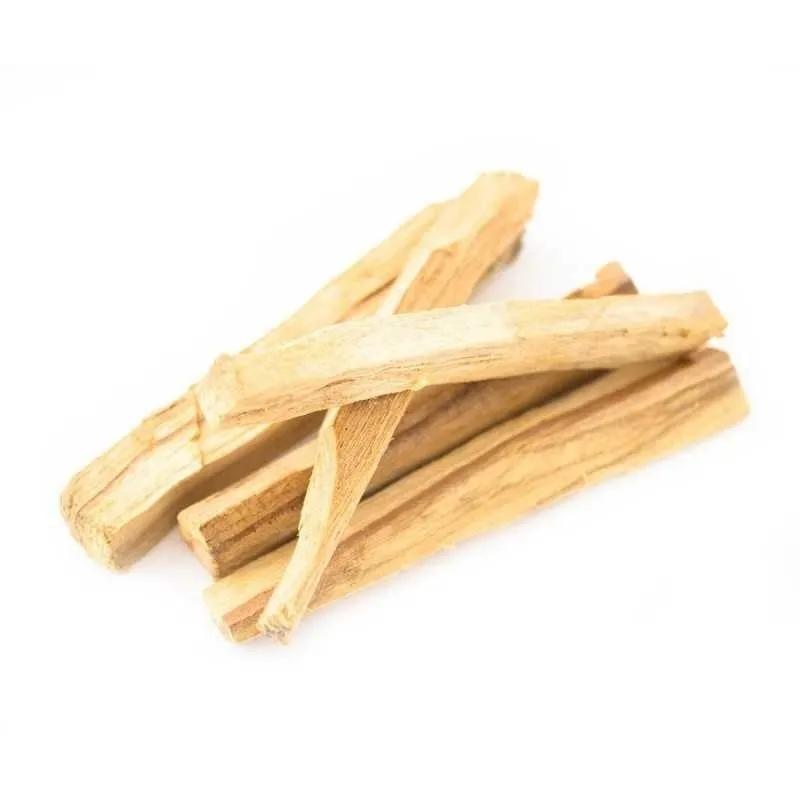
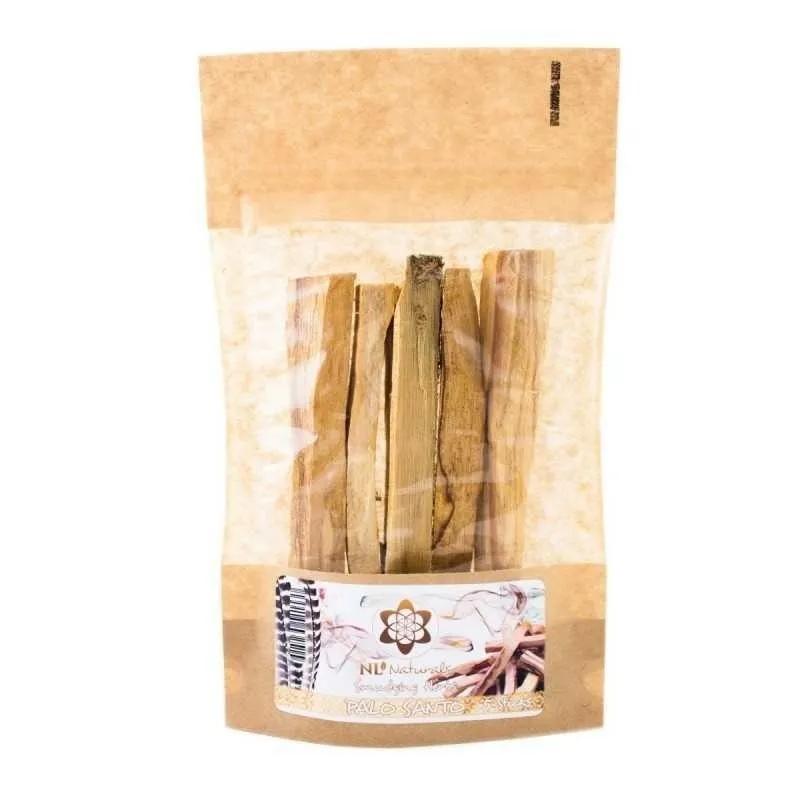
Pair these cones with a proper ceramic incense holder if you want something sturdier than the included steel tray for daily use. The Azarius ceramic incense burner and the soapstone cone holder both fit dhoop cones perfectly. Already burning Nag Champa sticks? The dhoop cone format throws a denser, more concentrated scent cloud — worth trying both to see which suits your space. For a different scent profile entirely, Palo Santo sticks or White Sage smudge bundles offer a cleansing alternative.
Dhoop cones deliver a purer, more concentrated Nag Champa fragrance because they contain no bamboo core that dilutes the scent. Standard Nag Champa sticks — including the famous Sai Baba Satya sticks — are rolled around a thin bamboo splint. That splint burns alongside the paste and contributes a faint woody undertone that some people notice and others don't. Dhoop cones are pure paste, pressed and shaped without any core material. The result is a denser, more concentrated fragrance throw.
We've burned through plenty of both formats behind the counter over the years. The cones produce noticeably thicker smoke — a single cone in a small room (say, 12–15 square metres) is enough to scent the whole space for about 20–25 minutes. Sticks are better for background fragrance over a longer period. Cones are better when you want the room to smell like Nag Champa right now. Different tools for different moments.
One honest limitation: the included steel tray is functional but basic. It does the job — catches ash, keeps the cone stable — but it's thin metal and will discolour after a few uses. Not a dealbreaker at this price point, but if you're burning cones daily, a heavier ceramic dish or soapstone holder is a worthwhile upgrade.
Nag Champa smells like a warm blend of sweet floral champa (frangipani) on top, creamy sandalwood in the middle, and soft herbal spice underneath. The champa flower (Plumeria, sometimes called frangipani) gives it a sweet, slightly honeyed top note. The sandalwood base adds warmth and depth — creamy, almost milky. The herbal components round it out with a faint spiciness that stops it from being cloying. It's not a sharp, perfumey fragrance. It's round, soft, and it lingers on fabrics and curtains for hours after the cone has finished burning.
The smoke itself is white-grey, relatively dense, and rises in slow curls. In a room with still air, a single cone produces a visible plume for the full burn duration. Open a window slightly if you prefer the scent without the haze — the fragrance carries perfectly well with light ventilation.
Light the pointed tip of the cone, let it flame for 5–10 seconds, then blow it out so the tip glows red and produces steady fragrant smoke.
Ventilation, dosage, and storage are the three things that determine whether your Nag Champa experience is pleasant or overwhelming. We get asked about incense more than you'd think. A few things we've picked up from years of selling (and burning) the stuff:
First — ventilation matters. Burning any incense in a completely sealed room concentrates the particulate matter. According to research published by the EMCDDA's partner network and corroborated by filtration studies in PMC, burning incense generates fine particles measurable at filtration-test levels (PMC, 2022). A slightly cracked window or gentle airflow keeps the scent pleasant without turning your room into a smokehouse. You want fragrance, not fog.
Second — one cone is enough. Seriously. We've watched people light 3 cones at once in a small room and then wonder why their eyes are watering. A single Nag Champa dhoop cone has a strong enough scent throw for any standard-sized room. Save the rest of the pack for tomorrow.
Third — store them dry. These cones are made from natural plant paste with no synthetic binders. Humidity makes them crumbly and harder to light. Keep the pack sealed between uses, away from bathroom steam or kitchen moisture.
From our counter: one of our regulars in Amsterdam once ordered a full case of these cones for his barbershop. He lights one cone between each client — says it resets the room. After three years he's tried every other brand and always comes back to the Sai Baba Nag Champa dhoop cones. That kind of loyalty tells you something about consistency.
Nag Champa is the most widely used incense scent in meditation and yoga practice worldwide, with roots in Indian temple rituals dating back decades. The Sai Baba brand specifically — produced by Shrinivas Sugandhalaya in Bangalore — has been the go-to incense for spiritual practice since the 1960s. The scent is strongly associated with creating a calm, focused atmosphere, which is why you'll find it in practically every yoga studio from Amsterdam to Byron Bay.
According to a case report published in PMC, researchers have noted that aromatic compounds in traditional incense formulations interact with olfactory pathways, though the specific mechanisms and extent of mood effects remain an area of ongoing study (PMC, 2025). What we can say from 25 years of selling incense: customers who meditate regularly tend to develop a strong scent association. Lighting the same incense before each session becomes a ritual cue — your brain starts to settle the moment it catches that first whiff of sandalwood and champa flower. Pavlov's incense, if you like.
Dhoop cones are solid incense paste shaped into a cone — no bamboo core. Sticks are paste rolled around a thin bamboo splint. Cones produce denser, more concentrated smoke and fragrance over a shorter burn time (roughly 20–25 minutes versus 30–45 minutes for a stick). The scent from cones is purer since there's no burning wood mixed in.
About 20–25 minutes, depending on airflow in the room. A slight draught shortens the burn time. In still air, expect closer to 25 minutes of steady fragrant smoke from a single cone.
Masala incense refers to a blend of natural dry ingredients — flowers, herbs, resins, wood powders — mixed into a paste. Nag Champa is a masala-style incense. The alternative is "charcoal" incense, where fragrance oils are applied to a charcoal-based stick. Masala burns cleaner and smells more complex.
The included tray works fine. It's a simple flat steel dish that catches ash and holds the cone upright. For occasional use, it does the job. If you burn cones daily, a heavier ceramic or soapstone holder is more durable and easier to clean.
All burning incense produces fine particulate matter. According to filtration research published in PMC (2022), incense smoke particles are measurable and comparable to other combustion sources. Burn in a ventilated space — a cracked window is enough. One cone at a time, not three.
Keep them in the original packaging, sealed, in a dry spot at room temperature. These cones are made from natural plant paste without synthetic binders, so humidity makes them soft and hard to light. A zip-lock bag works if you've opened the pack.
One. A single Nag Champa dhoop cone scents a standard room of 12–20 square metres easily. Burning multiple cones simultaneously produces excessive smoke and an overpowering fragrance. Save the rest for another session.
You can order Nag Champa dhoop cones directly from Azarius. We stock the original Sai Baba Satya brand and ship throughout Europe. Get them individually or grab a few packs if you burn regularly — they store well when kept dry and sealed.
Last updated: April 2026
Medical disclaimer. This content is for informational purposes only and does not constitute medical advice. Consult a qualified healthcare provider before use of any substance.