Cleaning supplies
by Sterillium
We'll only email you about this product — no marketing.
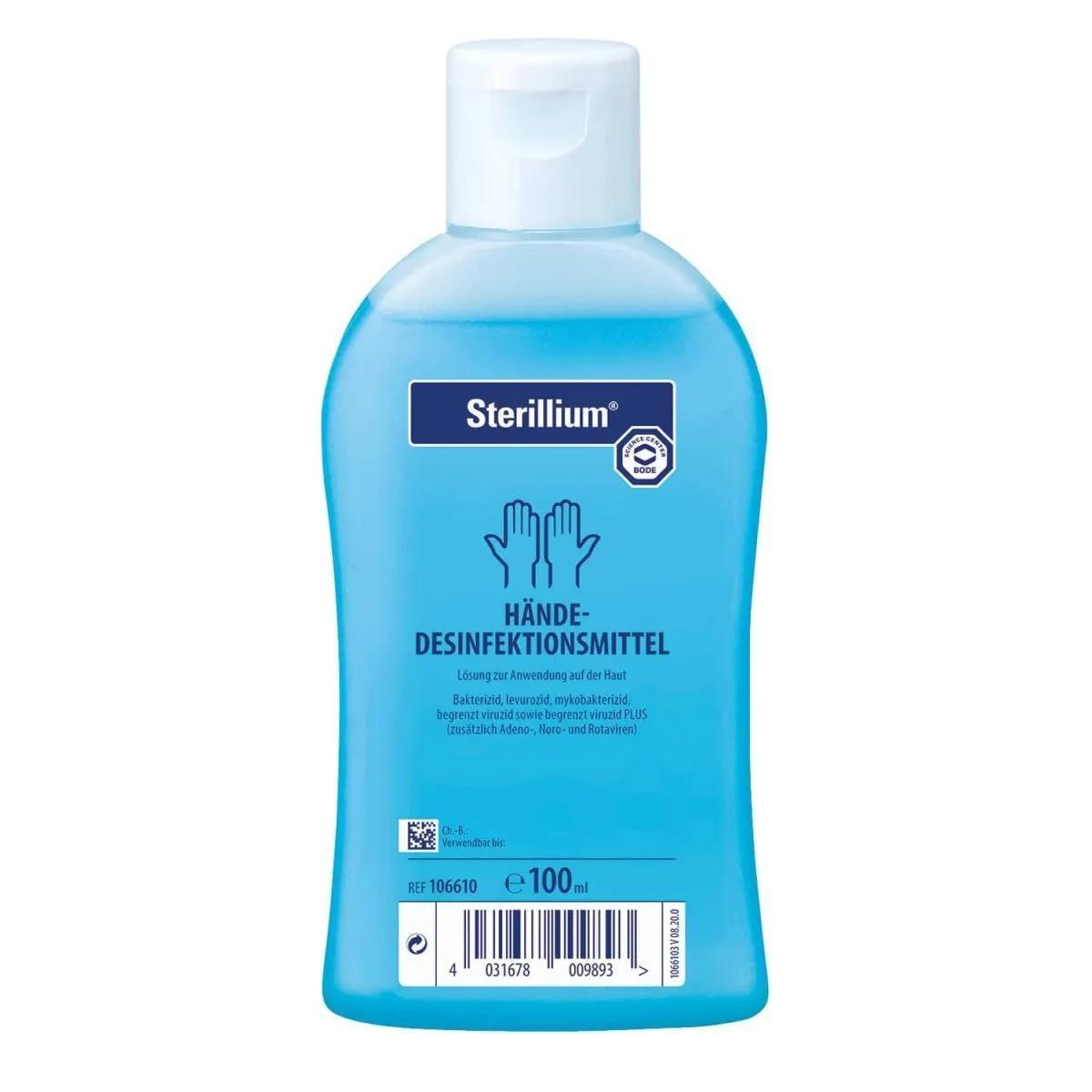
Hand disinfection liquid is a lipid-replenishing alcohol gel designed to eliminate microorganisms from your skin without rinsing. If you're inoculating grain jars, handling spore syringes, or transferring mycelium to agar, this is the step between "promising grow" and "green mould nightmare." One pump, rub for 30 seconds, and your hands are ready for sterile work.
| Spec | Value |
|---|---|
| Product type | Alcohol-based hand disinfection gel |
| Rinse required | No |
| Skin formula | Lipid replenishing |
| Primary use | Hand hygiene before sterile tasks (mushroom cultivation, spore work) |
| SKU | SM0292 |
| Application time | Rub until dry (approximately 20–30 seconds) |
Complete your sterile setup. Pair this hand disinfection liquid with a Still Air Box, latex gloves, and a mushroom grow kit for a contamination-resistant workflow from start to finish. If you're working with spore syringes or agar dishes, an alcohol lamp rounds out the kit nicely.
Contamination is the number one killer of mushroom grows. Not temperature, not humidity, not the wrong substrate — your hands. We've seen it hundreds of times over the years: someone opens a grow kit, pokes around with bare fingers, and a week later the surface is covered in green or black mould instead of white pins. One touch with unwashed hands introduces thousands of bacterial colonies and fungal spores that compete directly with your mycelium. The grow kit doesn't stand a chance.
Soap and water are decent for everyday hygiene, but they don't cut it when you're working in a still air box or handling spore syringes. You need something that actively reduces microbial load on contact. According to a review published in PMC, alcohol-based hand sanitisers have been shown to be effective against a range of viruses and bacteria (Comparative Efficacy of Hand Disinfection, PMC7358852). That's the level of clean you want before touching anything mycological.
The lipid-replenishing formula in this particular gel is worth mentioning. Straight alcohol dries your skin out fast — according to research in PMC, roughly one-third of participants in a study reported adverse skin effects such as burning and dryness from regular alcohol disinfection (Effects of Hand Disinfection with Alcohol Hand Rub, PMC7271282). When you're doing multiple flushes over weeks, that adds up. This gel puts lipids back into your skin while it disinfects, so you're not choosing between sterile hands and cracked knuckles.
Alcohol-based hand sanitisers work by denaturing the proteins and dissolving the lipid membranes of bacteria, fungi, and most viruses on your skin. According to the StatPearls resource on alcohol sanitiser, the efficacy of alcohol-based hand sanitisers depends on proper technique and application — even with a good product, coverage matters more than quantity (Alcohol Sanitizer, StatPearls, NCBI Bookshelf). You need to coat every surface of both hands and rub until the gel dries completely. Skip the fingertips or miss between the fingers and you've left a contamination highway.
A study on hand sanitiser formulations notes that alcohol-based hand sanitiser is available in gel, liquid, and foam forms, each with its own characteristics — gel formulations tend to stay on the hands longer, giving the alcohol more contact time with microorganisms (Hand Sanitizers: A Review on Formulation Aspects, PMC7246736). That longer contact time is exactly why a gel works better than a quick splash of rubbing alcohol for sterile mushroom work.
We'd be lying if we said this is the most exciting product in the shop. It's not a truffle, it's not a vaporiser — it's a bottle of hand gel. But here's the thing: we've watched customers come back frustrated after losing a grow kit to contamination, and nine times out of ten, the culprit was skipping this exact step. A bottle of hand disinfection liquid costs a fraction of what a replacement grow kit does. The maths is straightforward.
The one honest limitation: no hand sanitiser replaces a full sterile technique. If your workspace is dusty, your substrate containers aren't clean, or you're working in a room with an open window, hand disinfection alone won't save you. It's one layer in a stack — but it's the layer most people skip first. Compared to using regular soap, or just a quick wipe with isopropyl alcohol from a hardware shop, this gel is formulated specifically for skin contact and won't leave your hands feeling like sandpaper after the third application.
The texture is a standard alcohol gel — cool on application, slightly slippery for a few seconds, then it evaporates clean. No sticky residue, no fragrance that might transfer to your substrate. It smells like what it is: alcohol. That fades in under a minute.
Research on dosing suggests the initial application ranges from 1 to 3 ml, though after a short period of use the actual dose needed is frequently smaller (Kohan et al., Hand Rub Dose Study). Don't drown your hands — just make sure every surface is covered.
| Stage | Disinfect hands? | Why |
|---|---|---|
| Opening a new grow kit | Yes — before removing the lid | Your fingers touch the substrate surface directly |
| Inoculating grain jars | Yes — before and after handling syringes | Spore syringes are sterile; your hands are not |
| Agar transfers | Yes — every time you open a dish | Agar is the most contamination-prone medium |
| Misting / fanning a fruiting kit | Recommended | Less critical than inoculation, but still reduces risk |
| Harvesting mushrooms | Yes — before twisting off fruits | Keeps the substrate clean for subsequent flushes |
Soap removes visible dirt and some bacteria, but it doesn't reduce microbial count as effectively as an alcohol-based gel. For everyday tasks, soap is fine. For sterile work — inoculation, agar transfers, opening grow kits — you want an alcohol-based disinfectant. The difference in contamination rates is noticeable.
Alcohol-based sanitisers are effective against most bacteria and many viruses. According to research on virucidal efficacy, effectiveness is typically measured in log10 reduction values, with most quality formulations achieving a 3–4 log reduction (Hand Hygiene: Virucidal Efficacy, PMC8336303). Bacterial endospores are more resistant, which is why sterile technique involves multiple layers of protection, not just hand gel.
It can. Regular alcohol disinfection caused burning or dryness in about one-third of participants in one study (PMC7271282). This particular gel includes lipid-replenishing agents specifically to counteract that. If you're doing several flushes over weeks, that formulation detail matters.
About one teaspoon, or 2–3 pumps from the nozzle. The goal is to coat every surface of both hands. Research indicates the effective range is 1–3 ml per application. More isn't better — complete coverage is what counts.
No. Hardware-grade isopropyl alcohol is formulated for cleaning surfaces, not skin. It strips oils aggressively and can cause irritation with repeated use. This hand disinfection gel is specifically designed for skin contact, with a lipid-replenishing formula that keeps your hands in working condition across multiple applications.
For basic grow kit work, disinfected bare hands are usually sufficient. For agar work or anything involving a still air box, adding sterile gloves on top of disinfected hands gives you an extra layer of protection. Belt and braces — the best growers use both.
Absolutely. It's a standard alcohol-based hand disinfection gel. Works the same whether you're prepping a grow kit or just want clean hands when there's no sink nearby. The no-rinse formula makes it practical anywhere.
Last updated: April 2026