Harvest & curing
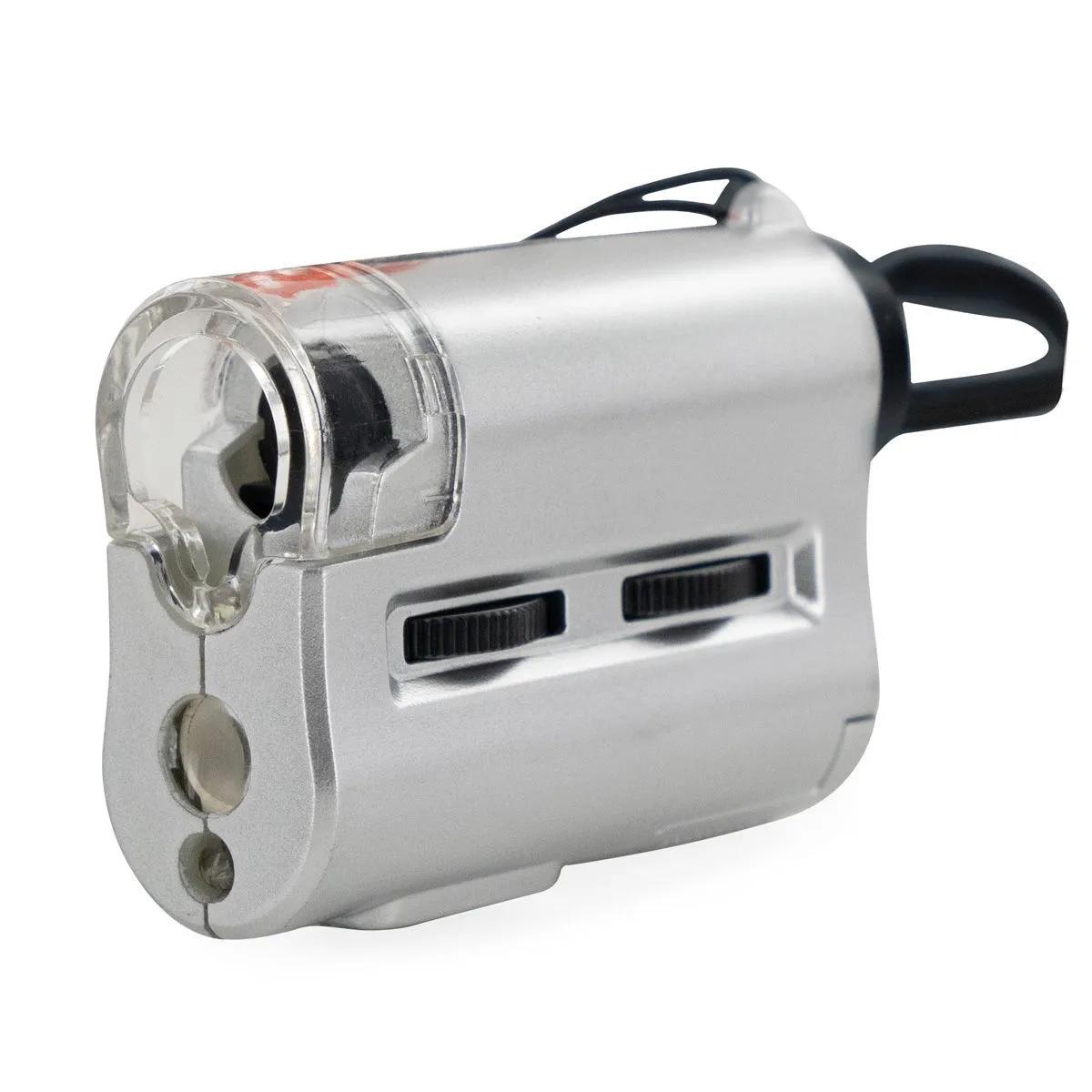
The Bud-O-Scope 30X-60X Zoom is a dual-lens pocket microscope that lets you inspect resin glands up close — without touching your buds. It switches between 30x and 60x magnification and includes a built-in LED light, so you can check trichome maturity right there in the grow room. Small enough to fit in your pocket, sharp enough to show you exactly when to harvest.
| Spec | Value |
|---|---|
| Magnification | 30x and 60x (dual lens) |
| Illumination | Built-in LED |
| Size | Pocket-sized handheld |
| Power | Battery operated |
| SKU | HS0270 |
| Category | Harvest and Curing |
Complete your harvest setup with a pair of curved trimming scissors for precision pruning, and a drying rack to cure your buds evenly after the chop. A loupe is only half the story — proper trimming and drying finish the job.
Here's the thing about harvesting: get the timing wrong by even a few days and you're leaving potency on the table. Trichomes — those tiny resin glands covering your buds — go through a visible colour change as they mature. They start clear, turn milky white at peak potency, and eventually shift to amber as THC begins degrading into CBN. The naked eye can't reliably tell the difference. Even a standard magnifying glass struggles at this scale.
At 60x magnification under the Bud-O-Scope's LED, you can actually see individual trichome heads and their colour. Clear? Too early. All amber? You've waited too long. A mix of milky and amber — that's your window. We've seen growers lose weeks of careful work because they eyeballed it and chopped too soon. A pocket scope takes the guesswork out entirely, and it costs less than a bag of nutrients.
The honest limitation: at 60x, you're getting a good working view of trichome colour, but you won't see the cellular detail you'd get from a USB digital microscope at 200x or above. For harvest timing, though, 60x is the sweet spot — it's enough magnification to make the call, and you can use it one-handed while standing next to the plant. A digital microscope means bringing a laptop into the grow room, fiddling with focus software, and usually touching the bud to hold it steady. The Bud-O-Scope avoids all of that.
The number one mistake we see isn't harvesting too late — it's harvesting too early. Growers get impatient in week 7 and convince themselves those trichomes look milky enough. They don't. Under proper magnification, "almost milky" is still translucent with a slight cloudiness, and that means you're leaving 10-15% of your potential potency unharvested. A scope removes the emotional decision-making from the equation.
The second mistake: checking trichomes under the grow light. HPS bulbs cast everything in warm amber tones. LED panels with a heavy red spectrum do the same. You end up thinking trichomes have turned amber when they're actually still clear. The Bud-O-Scope's white LED solves this, but if you really want to be sure, take a small sample cutting to a room with neutral lighting and inspect there. Two minutes of extra effort, weeks of better results.
A USB digital microscope — the kind that connects to your phone or laptop at 200x-1000x — gives you a bigger, sharper image and the ability to take photos for comparison over days. If you're documenting your grow or want to zoom into individual trichome cells, that's the tool for the job. But they cost 3-5 times more, need a device to display the image, and practically require you to cut a sample because holding the camera steady against a living plant at 500x is an exercise in frustration.
The Bud-O-Scope is the tool you grab when you walk into the grow room and want a quick answer: ready or not? No setup, no software, no sample cutting. For most home growers checking 1-4 plants, this is all you need. If you're running a larger operation or want to diagnose pest and mould issues at the cellular level, consider a digital scope as a complement — not a replacement.
| Feature | Bud-O-Scope 30X-60X | USB Digital Microscope |
|---|---|---|
| Magnification | 30x and 60x | 50x-1000x (varies) |
| Portability | Pocket-sized, no cables | Requires phone or laptop |
| Setup time | 0 seconds — just switch on | 1-3 minutes (app, focus, connection) |
| Photo capability | No | Yes |
| Hands-free use | No — one hand holds the scope | Some models have stands |
| Best for | Quick harvest-readiness checks | Detailed documentation, pest ID |
Yes. At 60x you can distinguish between clear, milky, and amber trichome heads, which is exactly what you need for harvest timing. You won't see subcellular detail, but for deciding when to chop, 60x with a white LED light is the standard working magnification most growers rely on.
That's one of its main advantages. The focal distance at 60x is a few millimetres, so you bring the lens close to the bud surface without pressing into it. No contact means no damaged trichomes and no sticky resin on your fingers transferring to places you don't want it.
Focus on the bulbous heads of trichomes on the calyxes, not the sugar leaves. Clear heads mean too early. Milky white heads indicate peak potency. Amber heads signal THC is converting to CBN. Most growers aim for 70-80% milky with 20-30% amber before harvesting.
Not every single one, but check at least 3-4 buds across different parts of the canopy. Top colas typically mature faster than lower branches. Inspecting multiple spots gives you a more accurate picture of the whole plant's readiness.
It uses standard button cell batteries for the LED light. They're inexpensive and widely available. The LED draws very little power, so a set of batteries will last through multiple grow cycles of daily inspections.
At 30x-60x you can spot spider mite webbing, thrips, and early-stage powdery mildew more easily than with the naked eye. For identifying specific mite species or fungal spores at the cellular level, you'd want a digital microscope at 200x or above — but for early detection, the Bud-O-Scope does a solid job.
A standard jeweller's loupe typically maxes out at 10x-20x, which is not enough to distinguish trichome colour reliably. The Bud-O-Scope's 60x lens and built-in LED put it well ahead of a basic loupe for harvest inspection. If you already own a 60x jeweller's loupe with a light, the function is similar — but most don't come with illumination.
Last updated: April 2026