Harvest & curing
by Brewferm
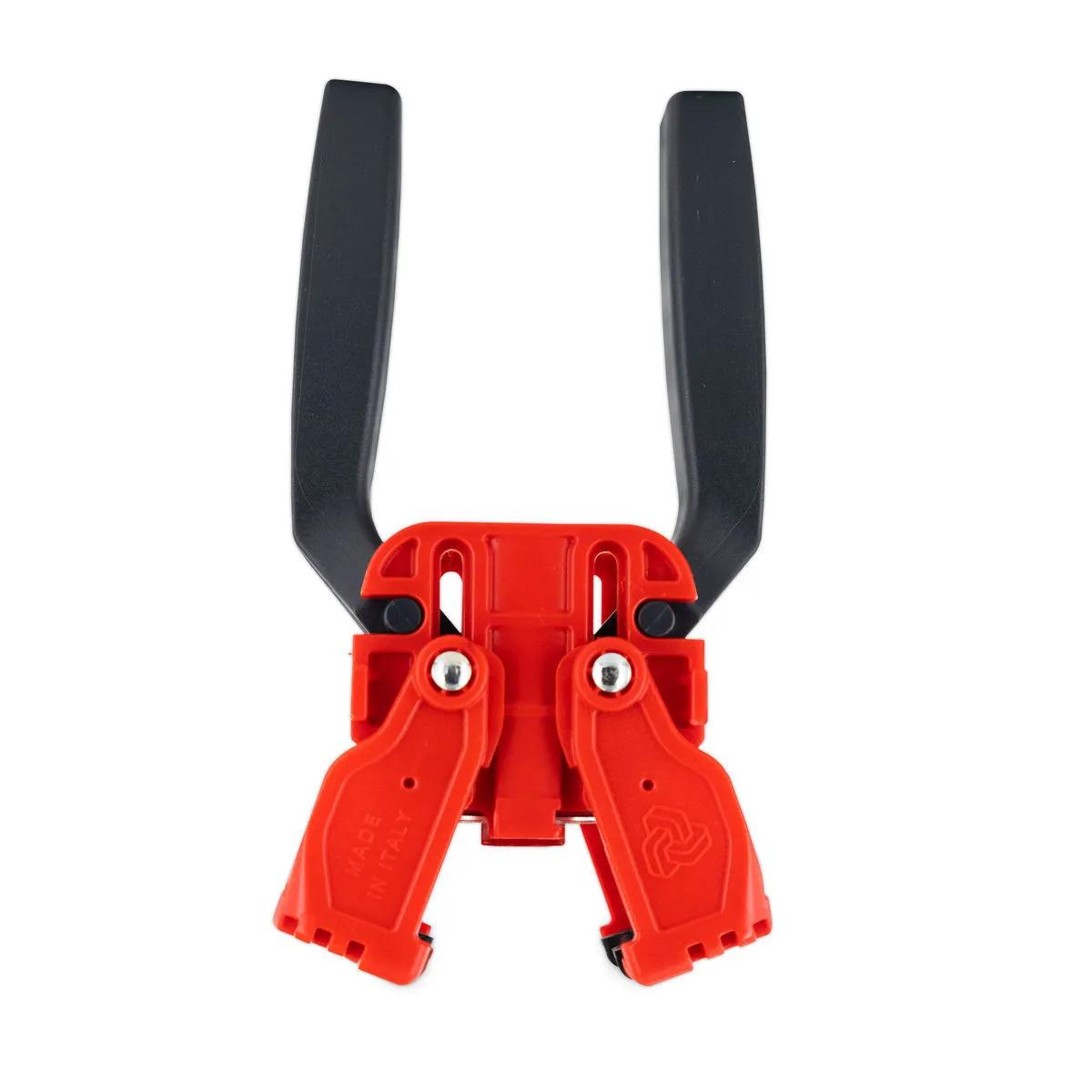
The Crown Capper Captain is a dual-lever bottle capper built from extra-sturdy nylon, designed to crimp 26mm crown caps onto standard beer bottles with a clean, consistent seal every time. If you've been bottling homebrew with a wobbly single-lever capper or — worse — trying to press caps on by hand, this is the tool that actually gets the job done without leaving you with sore palms and half-sealed bottles leaking CO2 on the shelf.
Most budget cappers are stamped metal with a single lever — they work, but they flex, they slip, and after 50 bottles your hand is cramping. The Crown Capper Captain uses 2 levers instead of 1, which distributes the force evenly across the crown cap. That means a tighter, more uniform crimp with noticeably less effort per bottle. We've capped batches of 40+ bottles in one session with this thing and it still feels solid on the last one.
The nylon construction is the real differentiator here. Metal cappers corrode if you don't dry them properly after sanitising — and you are sanitising your capping equipment, right? Nylon doesn't rust, doesn't dent, and according to the manufacturer Brewferm, it's been tested to its limits by their hands-on brewing team. It's lighter than a metal capper too, which matters more than you'd think halfway through a bottling day.
Then there's the built-in magnet. Small detail, big difference. The magnet holds the crown cap in position on the bell while you line it up over the bottle mouth. No more fumbling with a loose cap that slides off the moment you try to centre it. You place the cap, the magnet grabs it, you press down with both levers, done. One smooth motion. It shaves a good 2-3 seconds off each bottle — across a 50-bottle batch, that's over 2 minutes saved, and zero caps dropped on the floor.
| Spec | Detail |
|---|---|
| Brand | Brewferm |
| Cap size | 26mm (standard beer bottle crown) |
| Lever type | Dual lever |
| Body material | Extra-sturdy nylon |
| Magnet | Built-in (holds cap during capping) |
| Compatible bottles | Standard beer bottles with 26mm crown finish |
| SKU | HS0045 |
The Captain feels surprisingly light when you first pick it up — lighter than it looks in photos. That nylon body has a slight flex to it, which is actually by design. It absorbs the capping force rather than transferring it all into your wrist. After capping 30-odd bottles back to back, the difference between this and a rigid metal capper is night and day on your joints.
One honest limitation: this capper only fits 26mm crown caps. That covers the vast majority of standard beer bottles, but if you're working with 29mm caps (used on some Belgian-style bottles and certain champagne-style beer bottles), you'll need a different tool. Check your bottles before you buy. A quick way to tell: if the cap looks the same size as a standard lager bottle cap, it's 26mm. If it's noticeably wider — like on a Westmalle or some swing-top replacements — it's probably 29mm.
Compared to the classic red wing capper that most homebrew shops stock, the Captain is sturdier and the dual-lever action is smoother. The wing capper still works fine for occasional use, but if you're bottling regularly — say once a month or more — the Captain is the one we'd reach for.
Complete your bottling setup with Crown Corks 26mm (100 pcs) — you'll need fresh caps for every batch since crown caps are single-use. A pack of 100 covers two standard 50-bottle batches with no spares wasted.
The number one issue we see with bottle capping isn't the tool — it's the bottles. Reused commercial bottles with chips or cracks on the lip won't seal properly no matter what capper you use. Run your finger around the rim of every bottle before filling. If you feel any roughness or see a nick, set that bottle aside for recycling.
Second most common mistake: not pressing the levers down far enough. A half-crimped cap looks sealed but will slowly leak CO2 over the weeks your beer is conditioning. You want to feel the levers bottom out. With the Captain's dual-lever mechanism, you'll feel a distinct stop point — that's your cue that the crimp is complete.
Third: warm bottles. If you're capping straight off the boil or from a warm fermentation vessel, the glass is slightly expanded. As it cools, the glass contracts and the cap can loosen fractionally. Always bottle at room temperature or cooler — around 18-20°C is the sweet spot for most ales.
No. Swing-top (flip-top) bottles use a ceramic or plastic stopper held by a wire bail — they don't accept crown caps. The Captain is designed exclusively for standard 26mm crown-finish beer bottles.
No — crown caps are single-use. Once crimped, the metal skirt deforms permanently. Attempting to reuse a cap results in a poor seal and potential CO2 loss. Always use fresh caps for every batch.
Brewferm specifically engineered the Captain from extra-sturdy nylon to be virtually unbreakable. We've seen these survive drops onto concrete workshop floors without cracking. The nylon flexes on impact rather than shattering like brittle plastic would.
Wipe it down with a damp cloth and a splash of sanitiser solution. The nylon body doesn't absorb liquids or corrode, so there's no need for intensive cleaning. Avoid soaking it for extended periods — the magnet doesn't love prolonged water exposure.
Yes. The 26mm crown is the international standard for beer bottles — it fits virtually every commercial lager, ale, and stout bottle you'd find in a European supermarket. The main exceptions are some Belgian abbey-style bottles and champagne-style beer bottles, which use the larger 29mm cap.
Brewferm tested the Captain to its limits and the nylon construction shows no meaningful wear over thousands of caps. For a typical homebrewer bottling 50 bottles per month, this capper will last years. The magnet and lever mechanism have no moving parts that degrade with normal use.
Last updated: April 2026